
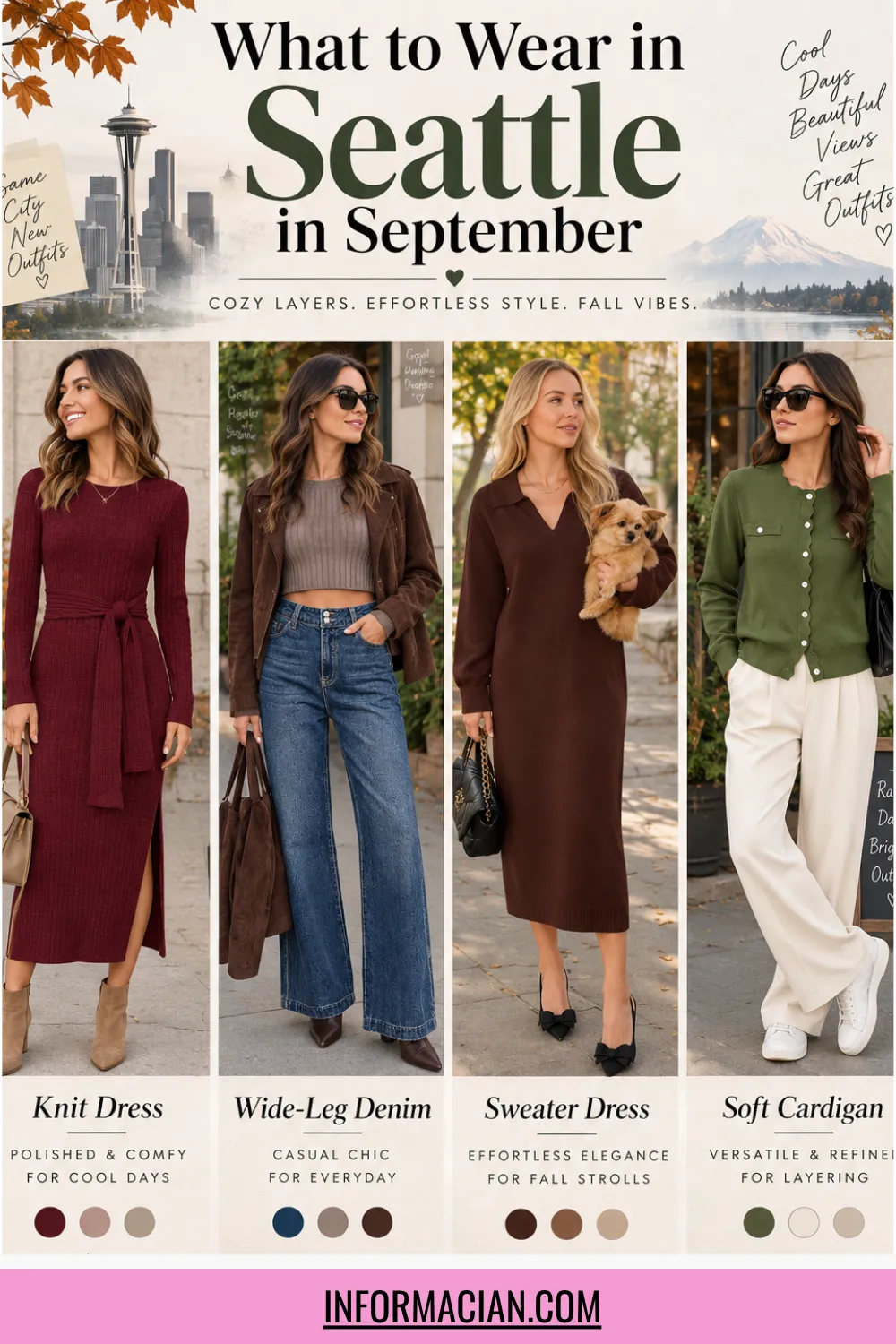
Let me be honest: the first time I packed for Seattle in September, I brought a suitcase built for Italy. Linen dresses, sandals, one thin cardigan “just in case.” Big mistake. Seattle in September doesn’t care about your Pinterest board — it cares whether you can handle sun, drizzle, and a 15-degree temperature swing all before lunch.
This is the month locals quietly call “Fauxtumn.” One day feels like the last gasp of summer, golden light bouncing off Lake Union, everyone in tank tops on a patio. The next morning you step outside and it’s grey, misty, and your jeans are suddenly damp at the ankle for no reason you can explain. Nobody warns you about that part.
The good news? Once you understand the rhythm, packing for Seattle gets almost fun. You’re not fighting the weather, you’re just dressing for a city that changes its mind a lot.
Before We Dive In
Weather: Expect highs around 68–72°F (20–22°C) and lows dipping into the low 50s (10–12°C), especially in the back half of the month. Early September can feel like summer’s last stretch; late September starts leaning into real autumn, with more rain days and shorter light.
Walking conditions: Seattle is hilly — genuinely, calf-burning hilly, not “cute European incline” hilly. Add slick sidewalks after rain and cobbled patches down in Pioneer Square, and your shoe choice matters more than your outfit choice.
Style culture: Seattle doesn’t dress up for you. The local uniform leans function-first — quality outerwear, good boots, minimal fuss — with fashion showing up in the details rather than the flash. Dress like you’re trying too hard here and you’ll actually stand out more than if you’d just worn head-to-toe black.
The Bag That Actually Survives Seattle
Before outfits, let’s talk logistics, because the wrong bag will ruin your week faster than the wrong jacket.
A soft-structured weekender or a mid-size duffel with a top zip beats a hard-shell suitcase here, mainly because you’ll want something you can squash into an overhead bin or the trunk of a rideshare after a day trip to the mountains.

If you’re planning to hike, ferry to Bainbridge Island, or day-trip to Mount Rainier, a 30–40L backpack doubles as your daily carry and your excursion bag.

Local tip: Skip anything without a rain flap or water-resistant zipper. Even a “light drizzle” here can sneak into an open tote in about four minutes flat.
Lightweight Layers (Your Actual Survival Strategy)
I used to think layering was a suggestion. In Seattle, it’s closer to a rule you break at your own risk.
The trick isn’t packing more clothes — it’s packing the right thin ones. A breathable long-sleeve base layer, a light knit or flannel over it, and a packable outer layer will get you through a morning that starts at 54°F and ends at 71°F without a single outfit change. This matters more here than almost anywhere else I’ve traveled, because the temperature swing happens within hours, not days.

What actually works: a merino or cotton-blend tee, a mid-weight flannel or cardigan, and something waterproof on top. Skip anything bulky — you’ll be shedding and re-adding layers all day, and a stiff sweater just becomes dead weight in your bag by 2 p.m.

Local tip: Flannel isn’t a costume here, it’s practical armor against the wind coming off the Sound. Wear it unironically.
Jeans, Trousers, or Shorts — What Actually Works
Shorts are a gamble in September. You might get a warm afternoon, but you’re just as likely to be standing at Pike Place with goosebumps by 4 p.m.
Straight-leg or slightly cropped jeans are the safest bet — breathable enough for a warm stretch, but with enough coverage for a cool evening. If you’re doing serious walking (and in Seattle, you will be), avoid anything too stiff or high-waisted that digs in on hills.

Lightweight cargo or utility trousers are a solid alternative if you want pockets for transit cards and coffee shop loyalty cards, which, yes, you will accumulate.

Local tip: Save the shorts for a sunny forecast day only, and always have jeans as backup in your bag, rolled small.
Dresses That Match Seattle’s Vibe (Not a Postcard’s)
A flowy sundress looks great in photos and terrible on a windy ferry deck. Seattle dressing rewards structure over flow.
What works: a midi dress in a sturdier knit fabric, worn with tights or leggings underneath and a jacket over top.
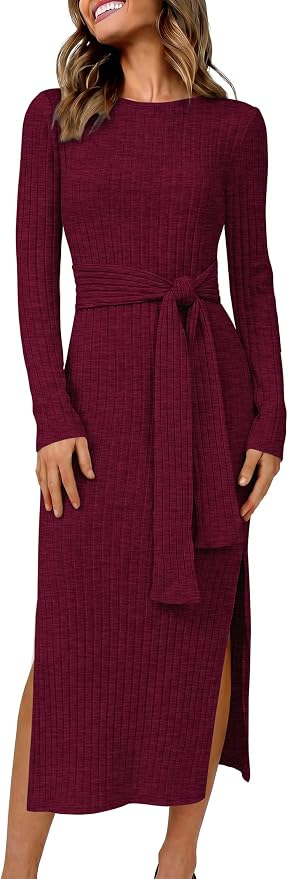
Think “dress as a base layer,” not “dress as the whole outfit.” This gives you the polish of a dress with the practicality of pants underneath, which sounds like a compromise until you’re the only person not freezing at an outdoor market at 7 p.m.

Local tip: A knit wrap dress paired with ankle boots and a denim jacket reads effortlessly local — not tourist-in-vacation-mode.
Comfortable but Stylish Walking Shoes
This is the section I wish someone had shouted at me before my first trip.
Seattle’s hills are no joke, and a lot of neighborhoods — Capitol Hill, Queen Anne, Fremont — involve genuine inclines on uneven or wet pavement. Cute flats will not survive this. What you actually want is a low block-heel boot or a well-cushioned sneaker with real grip, something you could comfortably wear for six or seven miles without regret.

Waterproof or water-resistant matters more than style points. I learned this the hard way standing in a puddle outside the Chihuly Garden with soaked canvas sneakers and a very long day still ahead of me.
Local tip: Leather or suede boots with a treated finish handle drizzle far better than suede alone — trust me, moisture and suede are not friends.
What NOT to Wear (Tourist Mistakes, Ranked)
Heels on cobblestone-adjacent streets — no. Head-to-toe white for a city with grey skies and coffee spills waiting to happen — also no. And please, skip the flip-flops; they slide on wet pavement and you will look, and feel, cold.
The other big mistake: packing only for one weather scenario. I’ve seen travelers show up with either all sun clothes or all rain clothes, and both groups end up buying something overpriced at a downtown shop by day two.
Local tip: If in doubt, layers and closed-toe shoes will never embarrass you here. Seattle rewards preparedness, not flash.
Jackets for Seattle’s Unpredictable Moods
Your jacket is doing more work than any other item in your suitcase this month.
A packable rain shell — not a heavy raincoat, something thin enough to stuff into a bag but genuinely waterproof — is the single most useful item you’ll pack. Pair it with a light puffer or fleece for cooler mornings and evenings.

Denim jackets look great but do almost nothing against actual rain, so treat them as a style layer, not a weather layer.
Local tip: Umbrellas mark you as a visitor almost instantly — locals just shrug on a hood and keep walking. If you want to blend in, ditch the umbrella and grab a hooded shell instead.
Evening Outfits in Seattle
Dinner here is rarely formal, even at nicer spots. The vibe is “elevated casual” — dark jeans, a nice top, boots, done.

For an evening out, I’d suggest swapping your daytime sneakers for ankle boots and layering a blazer or structured jacket over a simple top.
It reads polished without looking like you tried to dress for a different city.

Rooftop bars and waterfront restaurants still get breezy after dark, so don’t leave the jacket at the hotel just because dinner is indoors.
Local tip: A silk or satin slip layered under a cardigan does double duty — dressy enough for dinner, warm enough for the walk back.
Church, Museum, and Indoor Etiquette Dressing
Seattle doesn’t have strict dress codes at most attractions, but a few spots — like certain historic churches or private tours — appreciate covered shoulders and knees. It’s less about rules and more about not standing out as underdressed indoors when everyone else went smart-casual.
A light cardigan or scarf you can throw over a tank top solves this instantly without needing a separate outfit.

Local tip: Keep one scarf in your daily bag at all times — it’s your air-conditioning fix, your modesty fix, and your “it got colder than I thought” fix, all in one.
Bags: Crossbody vs. Backpack
For daily exploring, a crossbody bag with a zip closure keeps your hands free on hills and stairs, which you will be climbing constantly.

If you’re heading out for a full day — market, waterfront, a museum, maybe a ferry — a small daypack gives you room for a folded rain shell and a water bottle without looking like you packed for an expedition.

Local tip: Avoid anything with exposed magnetic snaps; they don’t hold up well once they’ve been rained on a few times.
Accessories That Elevate Simple Outfits
A good beanie is one of the easiest ways to make a Seattle outfit feel more polished while still keeping it practical. Go for a soft knit style in a neutral shade like cream, grey, black, or camel so it works easily with coats, sweaters, and layered outfits.

A structured tote can instantly make a casual outfit look more intentional. Seattle style is often relaxed and functional, so a clean, well-shaped tote adds just enough structure without making the outfit feel overly dressed up. It is also practical for carrying your everyday essentials while exploring the city.

One statement scarf can completely change the look of a simple coat-and-jeans combination. Since Seattle fashion tends to rely on muted colours and layered basics, a scarf with an interesting texture, pattern, or richer colour can stand out beautifully and make outfit photos look much more put together.

Local tip: Leave the delicate jewelry at home — you’ll be layering jackets on and off all day, and thin chains have a habit of catching on zippers.
Rain Prep (The Part People Forget)
A packable rain shell is perfect for Seattle in September. You do not need a heavy raincoat—just a lightweight, water-resistant layer that fits easily in your bag.

Water-resistant shoes are worth bringing for damp sidewalks and light rain. Waterproof sneakers or ankle boots will keep your feet dry while still looking good with everyday outfits.

A secure bag with a zipper will help protect your phone, wallet, and other essentials from drizzle. A slightly water-resistant crossbody, tote, or backpack is even better.
Local tip: Pack a spare pair of socks in your daybag. Wet socks will ruin an otherwise great day faster than almost anything else.
Fabrics to Choose (and Avoid)
Merino wool, technical blends, and treated cottons handle Seattle’s damp air far better than raw cotton or linen, which hold moisture and take forever to dry. Denim is fine as an outer layer but gets heavy and cold once wet, so don’t rely on it as your only bottom option.
Local tip: If a fabric feels flimsy in your hand at home, it’ll feel worse against Seattle wind. When in doubt, pack the sturdier option.
A Simple Capsule Wardrobe for Seattle in September
For a five-day trip, you really only need:
- two pairs of bottoms (jeans plus one alternative),
- four tops you can layer, one knit dress,
- one packable rain shell,
- one light puffer or fleece,
- one pair of walking shoes,
- one pair of boots for evenings,
- and a scarf.
Mix and layer from there — you’ll get more outfit combinations out of this than you’d expect.
The Practical Packing Bit
Aim for outfits you can mix rather than fully separate looks for each day — five tops and two bottoms will outperform seven full outfits every time, especially once you factor in layering pieces doing double duty. Packing light here isn’t about minimalism for its own sake; it’s about leaving room for the layers you’ll actually need mid-trip.
The most common mistake I see is overpacking for one weather extreme and underpacking for the other. Build your suitcase around the swing, not the average, and you’ll never be caught off guard.
Seattle in September rewards travelers who dress like they mean it — not fussy, not flashy, just genuinely ready for whatever the sky decides to do that afternoon. Pack your layers, break in those shoes before you land, and you’ll spend far less time thinking about your outfit and far more time actually enjoying the city. That’s really the whole point.

