
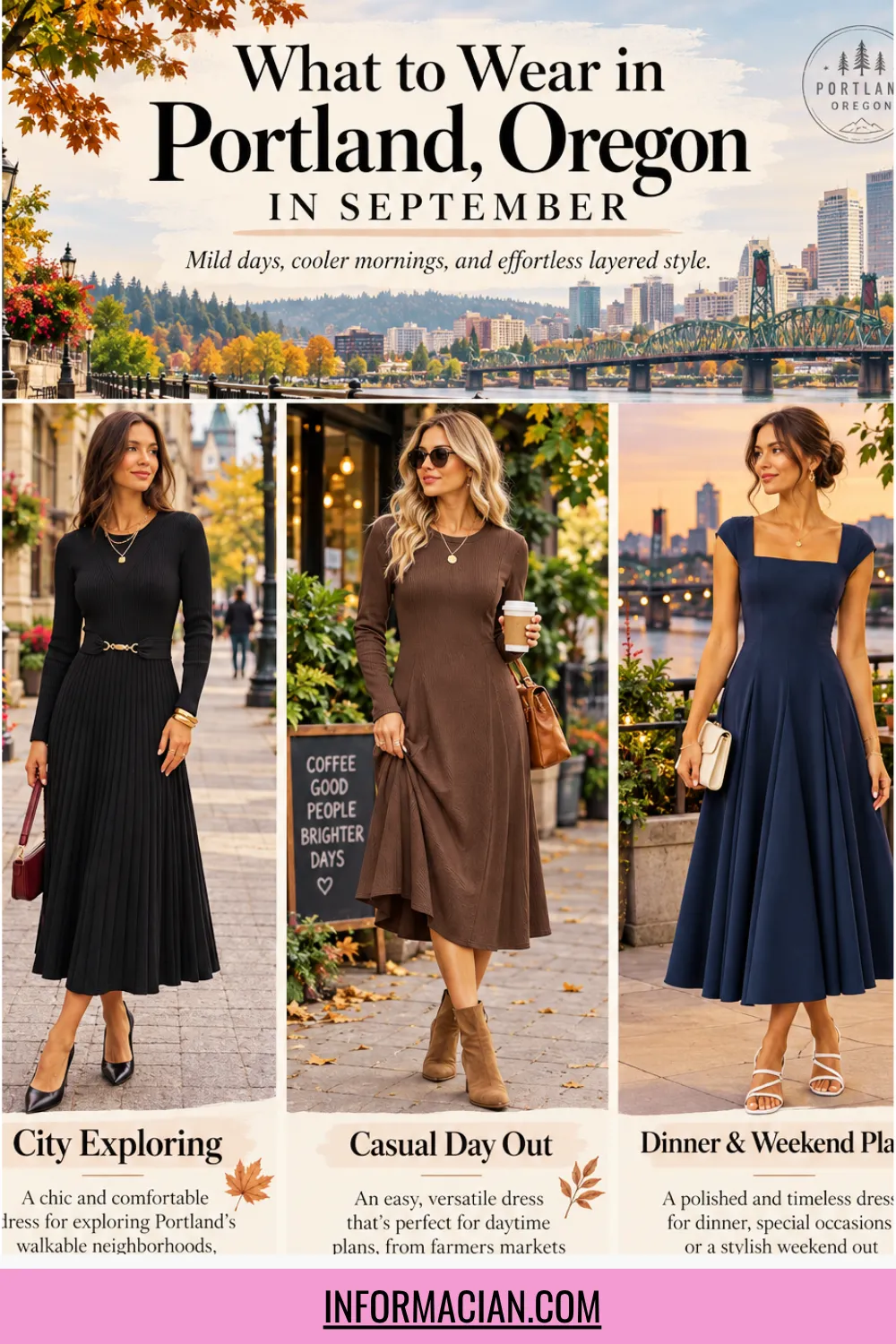
September in Portland is the city’s little trick on you. The sun is out, the farmers markets are still stacked with peaches, and for about four days you’ll swear you packed wrong because it’s genuinely warm. Then, somewhere around a Tuesday afternoon with zero warning, the sky just… closes. Not dramatically. Just quietly, like it’s tired of pretending.
I learned this the hard way on my first trip, wandering around the Alberta Arts District in a sundress and sandals, watching locals stroll by in flannel and rain shells like they’d read a forecast I hadn’t seen. Portland doesn’t dress for the weather you want — it dresses for the weather that’s coming in twenty minutes.
So if you’re packing for Portland in September, forget the postcard version of Pacific Northwest style you’ve seen on Pinterest. This is a practical, slightly opinionated guide from someone who’s been rained on mid-bite of a food cart burrito more than once, and lived to tell you how to avoid it.
Before We Dive In
Weather: September in Portland is genuinely one of the best-kept secrets in American travel weather. Daytime highs usually sit between 68–78°F (20–25°C), mornings can dip into the low 50s, and the first proper rain of autumn tends to show up in the back half of the month. Humidity is moderate, not sticky, but there’s almost always a damp coolness in the air that catches people off guard, especially if you’re coming from somewhere drier.
Walking conditions: Portland is an extremely walkable city, but it’s also a hilly one once you head toward the West Hills or Forest Park, and the sidewalks near the river can get slick fast after even a light drizzle. You’ll be walking on pavement most of the time, not cobblestones, but tree roots have a habit of buckling sidewalks in the older neighborhoods, so footwear with actual grip matters more than you’d think.
Style culture: Portlanders don’t dress up so much as they dress intentionally. Think thoughtful layers, good boots, quality outerwear, and a general disinterest in anything too flashy. Nobody’s judging your sneakers, but showing up in flip-flops and a light cardigan will mark you as a tourist within about ninety seconds.
Lightweight Layers (Your Actual MVP)
Layers aren’t a packing suggestion in Portland — they’re survival gear disguised as fashion.
You’ll start a September morning at 54°F under a slightly grey sky, hit 76°F and full sun by 2pm, and then watch the temperature drop again the second the sun ducks behind the hills around 7pm. I once wore the same outfit from breakfast at a food cart pod to dinner in the Pearl District, and it involved four separate adjustments — a cardigan on, a cardigan off, a light scarf added, a cardigan back on. That’s not overpacking. That’s just Tuesday.
The trick is building outfits in pieces rather than as one fixed look. A fitted tee or thin knit top as your base, a mid-layer like a flannel shirt or light sweater, and something waterproof on top that can come off and fold into a bag. None of it needs to be bulky — the whole point is that each piece works on its own and together.

Example: a plain cotton-blend tee, an open flannel shirt tied at the waist for later, and a packable rain shell in your tote. That combination will carry you from a chilly morning walk through Washington Park to an unexpectedly warm afternoon at the Saturday Market without a single wardrobe crisis.

Local tip: Portlanders layer with flannel almost religiously, not for the aesthetic (although, fine, also for the aesthetic) but because it’s genuinely the most versatile mid-layer for this exact kind of unpredictable weather.
A Real Rain Jacket, Not an Umbrella
Here’s something that surprised me the first time a local pointed it out: Portlanders barely use umbrellas.
It’s not a fashion statement, it’s practicality. The rain here is often fine, misty, and sideways-ish thanks to the wind, which makes umbrellas mostly useless and mildly annoying to carry around a crowded market or food cart line.
What everyone actually wears is a proper rain jacket — something packable, hooded, and breathable enough that you’re not sweating through it after two blocks uphill.

A good rain shell in September is honestly more of an insurance policy than a daily necessity, since most of the month leans dry, but the days it does show up, you’ll be glad you didn’t leave it in the hotel. Look for something lightweight enough to stuff into a daypack, because you genuinely won’t want to carry a jacket all day just in case.
Pair it over a simple layered outfit — tee, light sweater, jeans — and it instantly reads as “local,” not “tourist who forgot to check the forecast.”
Local tip: Skip the umbrella entirely unless it’s pouring in a straight line, which happens more in November than September. A hood will save you more grief than you’d think.
Shoes That Can Actually Handle a Portland Day
Cute shoes are wasted here if they can’t survive a wet sidewalk and three miles of walking.
Portland rewards comfortable footwear in a way a lot of cities don’t pretend to. You’ll be walking through neighborhoods, standing in food cart lines, maybe hiking a short trail in Forest Park on a whim, and none of that is kind to a delicate sandal.
What works best is a low-profile sneaker, a leather boot with actual tread, or a stylish walking shoe that doesn’t scream “hiking gear” but can handle damp pavement without slipping.

I made the mistake once of wearing suede loafers on a day that turned out to have a surprise drizzle, and I spent the rest of the afternoon squelching through Powell’s Books trying to look normal about it. Never again.

A simple white leather sneaker works with almost every outfit combination below — jeans, a dress with tights, even shorts on a warm day — and dries fast enough that a light rain won’t ruin your afternoon.
Local tip: Ankle boots are the September sweet spot here — enough coverage for a cool morning, light enough for an unexpectedly warm afternoon, and they look intentional rather than overprepared.
Jeans, Trousers, or Shorts — What Actually Works
Shorts aren’t wrong in September, they’re just a gamble.
If you land during a genuine warm stretch, shorts will feel great by early afternoon, but you’ll likely regret them the second the temperature drops after sunset or during an overcast morning. Jeans and lightweight trousers are the safer daily default because they handle the swing between 54°F mornings and 76°F afternoons without you needing to change outfits mid-day.

A mid-wash straight-leg jean is close to a uniform here, paired with anything from a graphic tee to a fitted knit top. Trousers in a breathable fabric work well for dinner reservations or wine bars in the Pearl District, somewhere between jeans and full dress-up.

If you do bring shorts, save them for a confirmed sunny day and pair them with a light long-sleeve top you can push up or a cardigan to tie around your waist — that way you’re covered if the afternoon turns.
Local tip: Locals lean toward straight or slightly wide-leg jeans over skinny styles this season — partly comfort, partly because it layers better with boots.
Dresses That Actually Match Portland’s Vibe
A breezy summer dress alone will leave you cold by golden hour, but that doesn’t mean dresses are off the table.
The move is a midi dress in a slightly heavier cotton or a knit dress that can handle a temperature drop without a cardigan feeling like a costume change. Florals and prints feel a little out of step with Portland’s earthier, more neutral palette — think olive, rust, cream, charcoal — but you don’t need to abandon color entirely, just lean muted.

Layer a dress under a flannel or an open cardigan for daytime wandering, then swap the cardigan for a leather-look jacket if you’re heading somewhere for dinner. Tights are your friend on cooler days, especially if the dress hits above the knee.
A knit sweater dress with ankle boots and a crossbody bag is close to a Portland uniform in late September, when mornings start getting genuinely crisp.

Local tip: Save any strappy sundress for daytime only in the first half of the month — by evening even warm days cool down fast once the sun drops behind the hills.
What NOT to Wear (Tourist Giveaways)
A few things will mark you as visiting rather than living here, and most of them are avoidable.
Flip-flops are the biggest one — the sidewalks aren’t always kind, and an unexpected drizzle turns them into a hazard fast. Head-to-toe bright, flashy activewear also stands out; Portland’s outdoor culture is real, but the look leans muted technical gear, not gym-brand logos everywhere. And bringing only summer clothes because “it’s still technically summer” is a trap — I’ve watched more than one visitor buy an emergency hoodie from a gift shop because they didn’t believe the evenings would actually get that cool.
Heavy, non-breathable rain gear is another one — a thick vinyl raincoat will have you sweating on the warmer days even if it protects you on the wet ones.
And skip anything too precious or dry-clean-only; between food carts, coffee spills, and the occasional light rain, Portland isn’t a delicate-fabric kind of city.
Local tip: If you only remember one thing from this whole list, let it be this — leave the umbrella and the flip-flops at home.
Jackets for the Unpredictable Bits
Beyond the rain shell, a proper jacket earns its space in your bag by evening, even on days that started warm.
A denim jacket is the easy daytime layer for a mild afternoon, light enough to tie around your waist if it warms up, structured enough to look put together over almost anything.

For evenings, something slightly heavier — a bomber, a lightweight wool blend, or a soft shacket (that half-jacket, half-shirt hybrid Portland seems to have invented) — handles the after-sunset chill without feeling like you’re bundled for winter.

I typically bring two: one utilitarian rain layer for actual weather emergencies, and one “looks good at dinner” jacket that also happens to be warm enough for a walk back to the hotel after 9pm.
Local tip: A canvas or waxed-cotton jacket splits the difference nicely — water-resistant enough for a light drizzle, stylish enough that you won’t feel like you’re wearing gear.
Evening Outfits That Fit In
Portland’s dinner scene runs relaxed-but-considered, not black-tie by any stretch, but also not activewear.
For a nicer dinner in the Pearl District or Nob Hill, trousers or a midi dress with boots and a structured jacket reads exactly right. For something more casual — a brewery, a food cart pod at night, a late walk along the Willamette — jeans, a nice top, and your rain shell (temperatures drop fast after dark) will do the job without overdressing.

I once showed up to a wine bar in full “vacation mode” — sandals, a sundress, sunburned shoulders — and felt distinctly out of place next to tables of people in effortless neutral layers. Lesson learned: bring at least one evening outfit that assumes it’ll be 58°F by the time you sit down, because it usually is.

Local tip: A single statement earring or a good scarf does more to dress up an evening outfit here than heels ever will — Portland just isn’t a heels-on-cobblestone kind of place (though, unlike some cities, it’s the tree roots and streetcar tracks you’re dodging instead).
Bags: Crossbody vs. Backpack
Your hands need to be free here more than you’d expect — coffee cups, food cart plates, farmers market bags, the occasional umbrella you swore you wouldn’t bring.
A crossbody bag is the better daytime option for most people — secure, hands-free, and big enough for a phone, wallet, and a folded rain jacket. If you’re planning a Forest Park walk or a longer day covering multiple neighborhoods, a small daypack works better and takes the weight off one shoulder, which matters more than people admit after six miles of walking.

Leave the structured tote or delicate leather bag for a single dinner out rather than an all-day companion — Portland days move too much for anything precious.
Local tip: Whatever bag you choose, make sure it has a zip closure. Portland’s a genuinely low-crime city for tourists, but an open tote in a crowded market line is just an easy mistake to avoid.
Accessories That Do More Than You’d Think
A few small additions change an outfit here more than an entirely new item would.
Sunglasses matter more than expected — when the sun does show up in September, it’s often sharp and low-angled, especially near the river.

A lightweight scarf is a genuine workhorse, doubling as extra warmth on a cool evening and an easy way to add color to an otherwise neutral outfit.

And a beanie, even a thin one, earns its spot by late September when mornings start feeling more like October previews.
Jewelry can stay minimal — small hoops, a simple necklace — since the city’s aesthetic leans understated rather than statement-heavy.

A structured leather belt can make a simple sweater-and-trouser outfit feel much more intentional. It also works well over a dress or light coat when you want a little more shape.

Local tip: Pack one scarf that actually matches multiple outfits rather than three that only work with one thing each — it’s the single most efficient accessory for this trip.
Rain Prep Beyond the Jacket
The jacket gets all the attention, but a few smaller choices make a bigger difference than people expect.
Quick-dry socks are worth the small suitcase space — cotton socks that get damp from a puddle or morning dew stay uncomfortable for hours, while a synthetic or wool blend dries fast and keeps your feet from turning into the worst part of your day.

A packable, foldable rain layer that fits in a daypack means you’re never caught deciding between staying dry and carrying a bulky coat all day for a maybe.
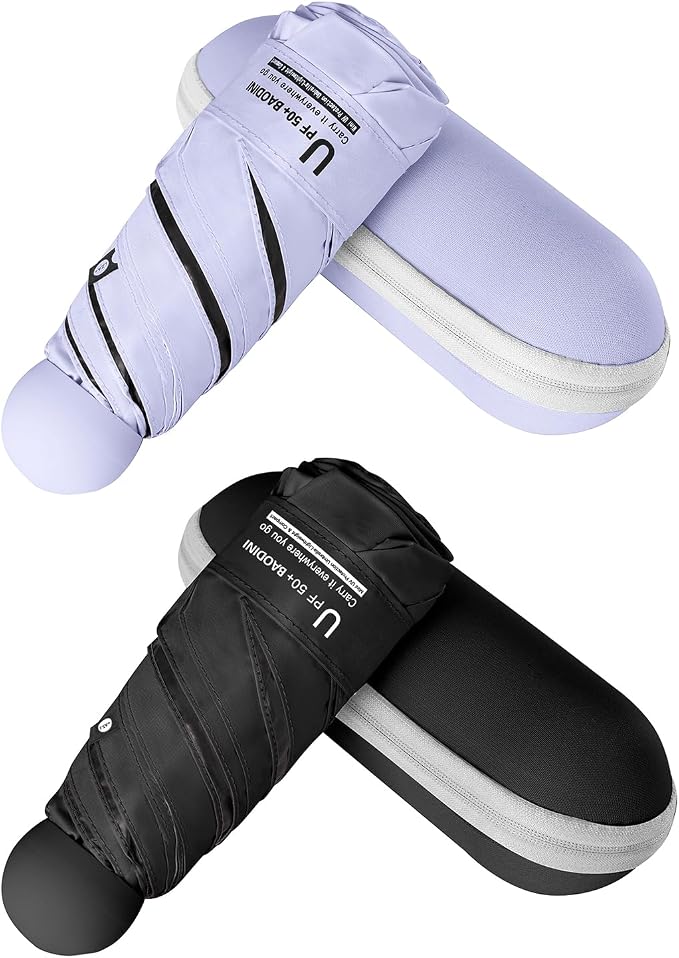
I’d also throw in a small microfiber cloth or two — for wiping down a wet park bench or a foggy phone screen after stepping out of a warm coffee shop into the damp air. Small, unglamorous, genuinely useful.
Local tip: Check the forecast the night before, not the morning of — Portland weather shifts overnight more than during the day, and a five-minute check saves you from a soggy surprise.
Fabrics to Pack (and Ones to Leave Behind)
Fabric choice matters more here than in a lot of cities, mostly because of that damp-but-not-freezing thing Portland does so well.
Merino wool is the unsung hero — it regulates temperature well, doesn’t hold onto odor the way synthetics do, and handles a light drizzle without instantly feeling soaked through. Cotton is fine for a base layer on a dry day but becomes miserable fast once it’s wet, so I’d avoid all-cotton outfits as your only layer if there’s any rain chance at all. Technical, breathable synthetics work well for outer layers — light enough to pack down, functional enough to actually keep you dry.

Leave the heavy denim jacket as your only outer layer, and skip anything overly structured or stiff — Portland’s whole style ethos is relaxed, and stiff fabric fights against both comfort and the weather.
Local tip: A merino or wool-blend base layer under a flannel is basically a Portland September starter kit — light, warm, and it dries out fast if it does get a little damp.
A Simple Capsule Wardrobe for Portland in September
If you want to pack light without missing anything, this is roughly the formula that’s worked for me trip after trip.
Two pairs of bottoms (one jean, one trouser or midi skirt), four tops that mix and match easily, one knit sweater, one flannel shirt, one packable rain jacket, one slightly heavier evening jacket, and a single dress for versatility. Add two pairs of shoes — one sneaker, one boot — and you’ve covered basically every scenario the month throws at you, from a rainy morning market to a warm afternoon walk to a cool dinner out.
Everything in neutral, layerable colors means you can mix pieces without needing a spreadsheet to plan outfits, which, honestly, is the whole point.
Local tip: Stick to two or three colors total across your capsule — it sounds restrictive, but it’s what actually makes everything mix-and-match without effort.
The Right Bag for the Trip Itself
Before you even get to outfits, the bag you travel with matters, especially for a city built around walking and public transit.
A mid-size duffle or a soft-sided carry-on works better here than a rigid hard-shell suitcase — Portland’s older buildings and boutique hotels don’t always have elevators or smooth entryways, and a soft bag is easier to wrangle up a narrow staircase. If you’re planning to explore beyond the city — the coast, the gorge, wine country — a duffle with a shoulder strap doubles as an easy overnight bag without needing a second piece of luggage.

For day-to-day carrying once you’ve unpacked, a foldable tote stashed in your suitcase earns its keep fast — useful for farmers market hauls, a spontaneous Powell’s Books shopping spree, or just carrying your rain jacket once the sun comes back out.

Local tip: Pack a spare tote you don’t mind getting damp — between coffee, book purchases, and market produce, it’ll get used more than you expect.
Practical Packing: How Much to Actually Bring
For a week in Portland, you genuinely don’t need more than five or six full outfit combinations if you’re packing with mixing in mind.
Overpacking is the easiest trap to fall into here because the weather feels like it demands options for every scenario — sun, rain, cool evenings, warm afternoons. But the layering approach means the same five tops and two bottoms can cover almost every version of the day if you’ve chosen pieces that actually work together. Plan outfits around your layers rather than complete looks, and pack one “just in case” warm layer you don’t expect to need but will be relieved to have by day four.
The biggest mistake I still catch myself making is packing for the forecast I hope for rather than the one that’s actually typical — pack for the grey, damp, cool version of September, and let the warm sunny days feel like a bonus rather than a baseline you’re unprepared without.
Before You Go
Portland doesn’t ask you to dress for it so much as it asks you to be ready for it — and once you’ve got that layering rhythm down, the rest is easy. Pack for the mornings that start cool, the afternoons that might surprise you, and the evenings that always cool off faster than you think, and you’ll spend a lot less time thinking about your outfit and a lot more time actually enjoying the city. Bring the flannel. Trust the boots. Leave the umbrella. You’ve got this.

