
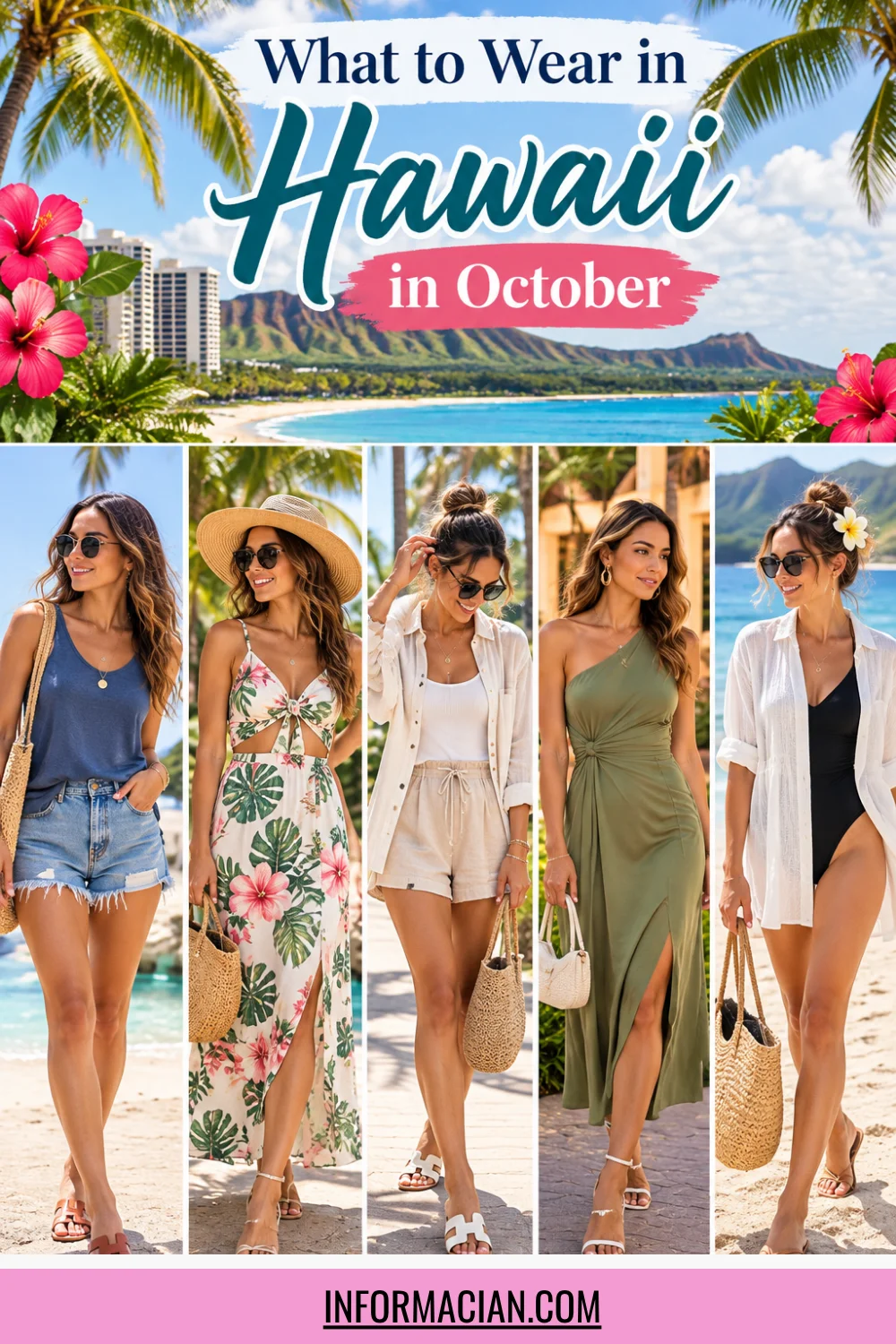
October in Hawaii is the island exhaling. The summer crowds drift home, the trade winds soften, the ocean is still bathwater-warm, and the light goes soft and golden around five o’clock like someone turned on a dimmer. Plumeria on the breeze, shave ice melting down your wrist, rain that arrives for ten minutes and leaves a rainbow as an apology.
It’s also the month when packing goes quietly wrong. People bring one heavy outfit “just in case” and forget the one thing that matters: Hawaii is four or five climates in one trip. Hot beach in the morning, a cold, windy volcano summit at sunrise, a muddy waterfall trail by lunch, and a restaurant where everyone looks effortlessly polished in a linen shirt. I’ve worn flip-flops on a lava trail and white shorts near red dirt. Both were mistakes.
Here’s what I’d pack again, what I’d leave at home, and what will save your trip.
Before We Dive In
A quick reality check before the outfits, because Hawaii in October is warm, but not one-note.
Weather: 🌺 Coastal daytime highs typically sit in the mid-to-high 80s°F (about 29 to 31°C), with nights in the low-to-mid 70s. Trade winds keep it comfortable, and humidity is moderate rather than punishing. Rain is common on the windward (east and north) sides and mountains, and drier on the leeward (west and south) coasts. October is still hurricane season, so check forecasts before you go.
Elevation: 🌋 Mountain summits are a different world. Haleakalā and Mauna Kea can be near freezing before sunrise, so that sunny-beach packing list will not cut it there.
Walking conditions: 👟 Think hot sand, sharp lava rock, slick wet rocks, muddy trails and long, flat beach strolls. Shoes matter more than you’d think.
Style culture: 🌴 Hawaii is relaxed and proudly casual. Aloha shirts, sundresses, linen and clean sandals are the local uniform. Nobody is overdressed, but looking neat and put-together is appreciated, especially at dinner. Beachwear belongs at the beach, not in a restaurant.
Start with the Right Bag
Island hopping, rental cars and tiny condos mean you don’t want a monster suitcase.
A soft-sided carry-on with wheels is my pick. Interisland flights often have tighter bag limits than mainland ones, and soft luggage squishes into small rental-car trunks. Choose a quick-drying fabric in a colour that hides red-dirt smudges.

A weekender duffle with a separate wet pocket is ideal for a short stay. Damp swimsuits and sandy towels won’t touch your dry clothes.
A packable daypack or dry bag is worth tucking inside. You’ll use it for beach days, hikes and boat trips where everything gets splashed.

Local tip: Check your airline’s interisland baggage rules before you fly. Limits and fees can differ from your main flight.
Light Layers: Yes, Even in Paradise
Let me be honest: I laughed at the idea of a jacket in Hawaii. Then I stood at a volcano summit before dawn in a tank top and stopped laughing.
Think light and adjustable. A breathable base (a tee or tank), a light cover-up (a linen shirt or thin cardigan) and a packable warm layer for wind, air-conditioned restaurants, boat rides and summits. Each piece should work alone.

A typical day: a tank and sun shirt on the beach, a linen overshirt for lunch, and a light jacket for an evening on the lanai when the breeze picks up.
Local tip: Boats are windy and splashy even on hot days. Bring a thin layer for any tour or snorkel trip.
Dresses That Fit the Island Vibe
If any place was made for a good dress, it’s here. Here are six I’d bring, each with a different job.
The cotton or linen sundress. Your daytime workhorse. Breathable, easy and comfortable. Pick tropical prints or soft solids like sage, coral or cream.

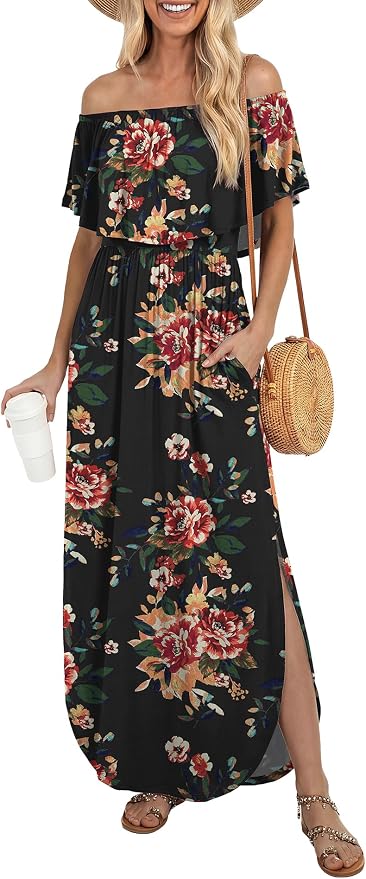
The flowy maxi dress. Perfect for sunset walks and relaxed dinners. Choose a lightweight fabric and a hem that won’t drag in sand.
The wrap dress in jersey or viscose. Flattering, forgiving and quick-drying. It goes from lunch to dinner with a change of sandals.
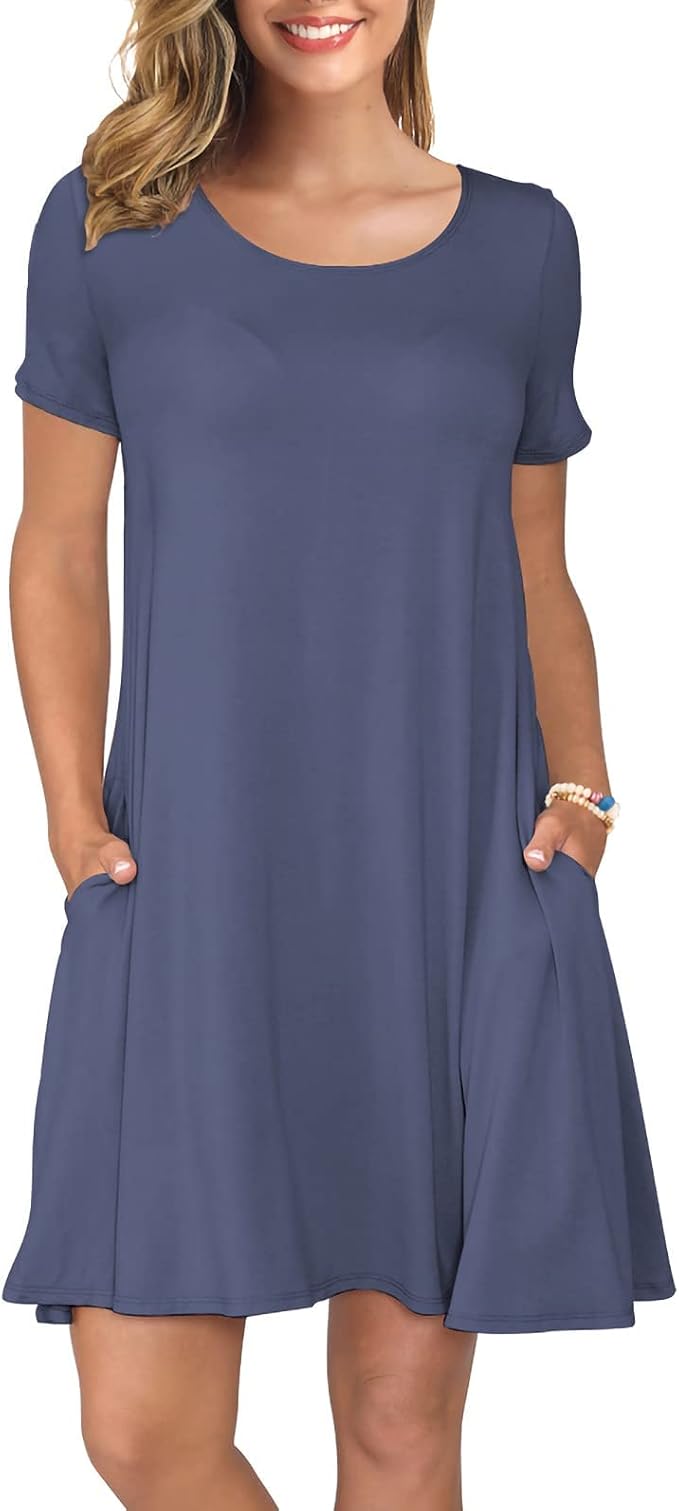
The shirtdress. Casual, polished and great over a swimsuit. Belt it for shape.
The smocked or tiered sundress. Comfortable after a big poke bowl lunch, and very easy to pack.
The satin slip dress. Your dressy option for a nicer restaurant. Add a light wrap and statement earrings.

Local tip: Skip stiff or heavy dresses. Salt air and humidity make light, flowy fabrics far more comfortable.
Shorts, Trousers and Skirts: What Actually Works
October is warm, so shorts rule, but a couple of long options save the day.
Lightweight shorts in cotton or linen are your daytime staple. Quick-dry styles are worth it if you’ll be near water.
Linen or cotton trousers are great for dinners, sun protection and cooler evenings.
A breezy midi skirt works from the beach town to a casual dinner.
Quick-dry hiking shorts or pants are essential if you plan to hike. Trails get muddy, and wet cotton is miserable.

Local tip: Red dirt on Maui and Kauai stains fabric badly. Avoid pale shorts and trousers for hikes and unpaved roads.
Tops That Pull Their Weight
Simple, breathable and mixable.
A sun shirt (UPF-rated long sleeve) is the smartest top you can pack. It protects you from strong sun while snorkelling and walking.

An aloha shirt or linen button-up is very local and works day to night.
A breathable cotton tee or tank covers the basics.
A lightweight knit top handles breezy evenings and air-conditioned spots.
Local tip: Choose a quality, subtle aloha print. Locals love a good shirt, and you’ll look more like a guest than a costume.
Shoes: Slippers, Sandals and Trail Grip
In Hawaii, flip-flops are called “slippers,” and yes, you’ll live in them. But they’re not your only pair.
Comfortable slippers or sport sandals are your daily beach and town shoe. Pick supportive soles for real walking, and skip the flimsy ones.
Water shoes or reef-friendly sandals protect your feet from sharp rocks, coral and slippery tide pools.

Trail shoes or light hiking sneakers are essential for hikes. Look for solid grip, because mud and wet rock are common.

Dressier sandals or clean sneakers cover dinner and nicer evenings.
Local tip: Locals often remove shoes at the door of homes and some lodging. Slip-ons make life easy.
Jackets and Cover-Ups for Wind, Summits and Boats
You won’t need a winter coat, but you will want something warm in a few spots.
A lightweight rain jacket or windbreaker is the star. It handles showers, boat spray and breezy lookouts.

A thin fleece or warm layer is a must if you’re visiting a summit for sunrise or stargazing.

A linen overshirt or kimono works as a beach cover-up and a sun shield.
A light cardigan is handy for chilly restaurants and flights.
Local tip: Summits like Haleakalā can be near freezing before sunrise. Bring a proper warm layer, gloves and a hat for those visits.
Evening Outfits: Dinners and Luau Nights
Hawaii evenings are casual and relaxed, but a little polish goes a long way.
For a beachfront dinner, try a sundress with dressy sandals or linen trousers with a silky top. For a nicer restaurant, a wrap dress or a crisp aloha shirt with tailored shorts or trousers works well.
For a luau, wear something comfortable, colourful and breathable. You’ll sit, eat and watch performances, so choose something that moves with you.
Local tip: Many restaurants are open-air and breezy. Bring a light layer for later in the evening.
Beach, Snorkel and Boat Days
You’ll spend plenty of time in and around water, and a few smart pieces make it easy.
For the beach, pack two swimsuits so one can dry, a cover-up, a wide-brim hat and slippers you can slip off.
For snorkelling and boat trips, wear a rash guard or sun shirt, quick-dry shorts and a secure hair tie. Bring a dry bag for your phone.

Local tip: Hawaii restricts sunscreens containing certain chemicals that harm coral reefs. Choose mineral, reef-safe sunscreen and a UPF shirt to reduce how much you need.
What to Wear to Churches and Cultural Sites
Hawaii isn’t strict, but many sites have deep cultural and spiritual significance. At historic churches like Kawaiahaʻo Church or at cultural sites, dress modestly and respectfully: shoulders covered, nothing too short, no beachwear.
A light scarf, cardigan or overshirt makes it easy. A midi dress or trousers keeps you comfortable and respectful.

Local tip: Follow posted rules at sacred sites and heiau, and never remove or stack lava rocks or artefacts. Respect is part of the dress code.
Bags: Small, Waterproof and Hands-Free
Hawaii is relaxed about bags, but the right one makes beach and trail days easier.
A dry bag protects your phone, wallet and keys on boats and beaches.
A small crossbody or belt bag is great for town and dinners. Choose quick-dry or water-resistant material.
A lightweight daypack is handy for hikes, carrying water, snacks and a rain layer.
A woven or canvas tote is perfect for market runs and beach hauls.
Local tip: Never leave valuables visible in a parked rental car. Break-ins at trailheads and beach lots happen.
Accessories That Earn Their Place
A few small things make the biggest difference.
A wide-brim hat or cap with a chin strap protects your face from sun and wind.

Polarised sunglasses cut the glare off the water and cost less than eye strain.
A reusable water bottle isn’t glamorous, but you’ll use it constantly.
A quick-dry towel or sarong doubles as a beach blanket, cover-up and scarf.
Simple jewellery like shell or gold pieces looks right at home, but avoid anything valuable near the water.
Local tip: Wind can steal hats on boats and lookouts. A strap or snug fit saves a lot of chasing.
Rain Prep: Quick Showers and Muddy Trails
Hawaii rain is usually brief, warm and surprisingly dramatic. I once got drenched mid-hike, then dry within an hour. It’s part of the charm.
A lightweight rain jacket is better than an umbrella, especially in wind.
Quick-dry clothes beat cotton on trails and wet days.
Shoes with grip matter more than you’d think on muddy paths and wet rock.
A dry bag keeps your phone and camera safe.
Local tip: Check conditions before hiking or driving. Heavy rain can cause flash flooding and trail or road closures.
Fabrics to Choose (and the Ones to Skip)
Heat, salt air, sudden rain and sun make fabric choice important.
Choose: linen, light cotton, cotton-linen blends, rayon or viscose, and quick-dry synthetics for active days. They breathe and dry quickly.
Avoid: heavy denim, thick cotton hoodies and anything that stays damp for hours. Wet cotton on a trail gets uncomfortable fast.
Local tip: Mid-tone prints hide red dirt, sunscreen and sweat better than pure white.
What NOT to Wear in Hawaii
A few classic mistakes I’ve seen (and made).
Flimsy flip-flops for hikes. Trails here are rough and slippery.
White clothing near red-dirt areas. It stains.
Heavy denim and hoodies. You’ll melt.
Beachwear at dinner. Cover up away from the beach.
Skipping sun protection. The tropical sun is stronger than it feels.
Dressing too lightly for summits. Mountaintop mornings are cold.
The Capsule Wardrobe: Eleven Pieces, Endless Outfits
Here’s what I’d pack for a week, mixing easily and covering beach, trail and dinner.
Two sundresses, one dressier dress, two pairs of lightweight shorts, one pair of linen trousers, one aloha or linen shirt, two breathable tees or tanks, one UPF sun shirt, a light rain jacket and a thin fleece. Add slippers, water shoes, trail sneakers, a dressy sandal, two swimsuits, a hat and sunglasses.
How to Pack for Hawaii Without Overthinking It
How many outfits? For a week, six to eight outfits is plenty. You’ll live in swimwear and shorts, and basics repeat easily.
Pack light or overpack? Pack light. Laundry is easy, resort dress codes are relaxed, and interisland baggage limits can bite.
Outfit planning tips: Plan by activity: a beach look, a hike look and a dinner look. Lay everything out before packing, and leave behind anything that only works one way.
Mistakes to avoid: Overpacking shoes (three or four pairs is plenty), forgetting a warm layer for summits, skipping reef-safe sunscreen and packing pale clothes for muddy adventures.
Local tip: Check the forecast for each island and altitude you’ll visit. Conditions can differ wildly within a short drive.
Go Get Salty, Sandy and Happy
The best thing about dressing right for Hawaii is that you stop thinking about your outfit and let the island take over. You’re cool in the sun, ready for the rain, steady on the trail and comfortable enough to say yes to one more sunset.
So pack the linen. Break in the trail shoes. Toss a rain jacket in your bag and a hat on your head. Then step out into that warm, plumeria-scented air and let the island do its thing. You’ll come home with sandy sandals, a camera roll full of rainbows and the kind of sunburn-free glow that only a well-planned suitcase can give you.

