Why is My Power Outlet Loose When Plugging Devices in

Have you ever plugged your device into a power outlet, only to find it feels loose or wobbly? It’s frustrating, isn’t it?
A loose power outlet can cause your devices to lose power unexpectedly or even create safety hazards. You might wonder why this happens and what you can do about it. You’ll discover the common reasons behind loose power outlets and learn simple steps to fix the problem, keeping your home safe and your devices powered up without interruption.
Keep reading to find out how to take control of this annoying issue.
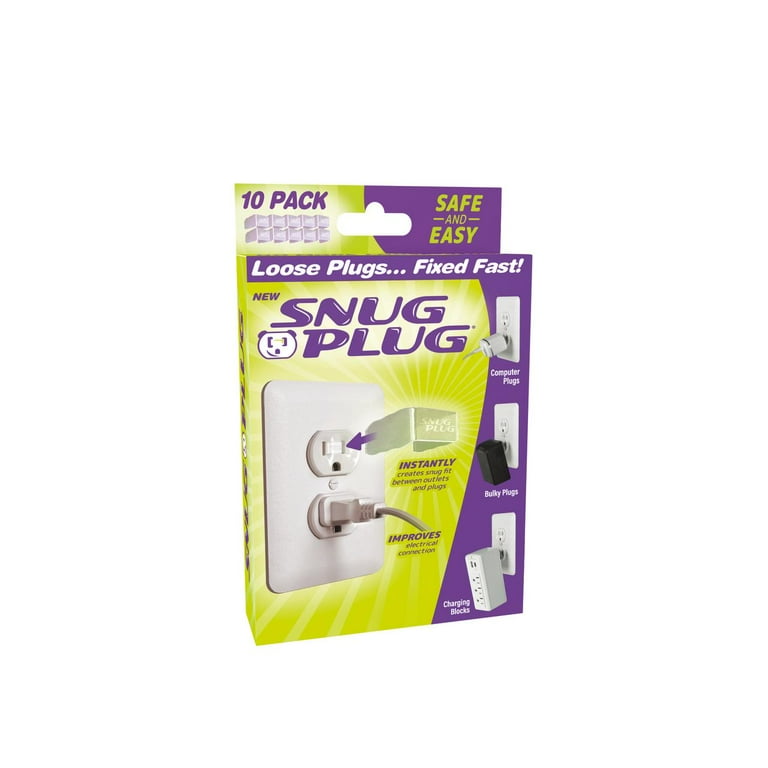
Credit: www.walmart.com
Causes Of Loose Power Outlets
Loose power outlets can be frustrating and unsafe. Understanding the causes helps fix the problem quickly. Several factors lead to a loose power outlet. Here are the main reasons.
Wear And Tear Over Time
Outlets experience constant use. Plugs go in and out many times a day. This repeated action wears down the metal contacts inside. Over time, these contacts lose their grip. The outlet becomes loose and fails to hold plugs tightly.
Improper Installation
Sometimes, outlets are not installed correctly. If screws are loose or wires are not secured, the outlet can wobble. Poor installation leads to a weak connection. This causes plugs to fit loosely and may create a safety risk.
Damaged Internal Components
Power outlets contain small internal parts. These parts can break or bend due to rough use or electrical faults. Damaged components cannot hold plugs firmly. This damage makes the outlet loose and unreliable.
Use Of Incompatible Plugs
Using plugs that do not match the outlet type is common. Some plugs are too big or small for certain outlets. Incompatible plugs cause the outlet to stretch or wear out faster. This mismatch leads to a loose fit and poor connection.

Credit: www.amazon.com
Risks Of Loose Outlets
Loose power outlets are more than just a nuisance. They can cause serious problems in your home or office. Knowing the risks helps you act quickly and keep everyone safe.
Ignoring loose outlets can lead to dangerous situations. It is important to understand the potential hazards.
Electrical Hazards
Loose outlets may cause sparks or short circuits. This can lead to electric shocks. The risk increases if children or pets are nearby. Faulty connections can also harm your electrical system. Always treat loose outlets as a safety concern.
Device Damage
Loose outlets do not hold plugs firmly. This causes power to cut in and out. Your devices may get damaged by sudden power loss. Frequent power surges can shorten device life. Protect your electronics by fixing loose outlets promptly.
Fire Risks
Loose connections create heat due to electrical resistance. This heat can ignite nearby materials. Many house fires start from faulty outlets or wiring. Do not ignore signs like burning smells or scorch marks. Repairing loose outlets reduces fire dangers significantly.
How To Identify Loose Outlets
Loose power outlets can cause frustration and safety risks. Identifying a loose outlet early helps prevent electrical problems. This section explains how to spot and test loose outlets easily.
Signs To Watch For
Check if plugs fall out easily or feel wobbly. Sparks or flickering lights near the outlet show a poor connection. Warm or discolored outlet covers can mean loose wiring. Strange smells like burning plastic also indicate trouble. These signs point to an outlet that needs attention.
Testing Outlet Stability
Unplug all devices before testing. Gently wiggle the plug inside the outlet. If it moves freely or drops, the outlet is loose. Push the plug in and see if it holds firmly. Use a small tool to see if screws inside the cover plate are tight. Loose screws often cause outlet instability.
Fixing Loose Power Outlets
Fixing loose power outlets is important for safety and convenience. Loose outlets can cause sparks or damage plugs. They also make it hard to keep devices connected. You can try some simple fixes yourself. But some problems need professional help.
Diy Repair Tips
Start by turning off the power at the circuit breaker. Use a screwdriver to remove the outlet cover. Check if the outlet is loose on the wall. Tighten the mounting screws to hold it firmly. If the outlet feels worn, replace it with a new one. Make sure the wires are tight on the terminals. Use a voltage tester to check no power is flowing. Put the cover back and turn on the power. Test the outlet with a plug to see if it fits well now.
When To Call An Electrician
Call an electrician if the outlet is damaged or cracked. If wires look burnt or blackened, do not touch them. Loose outlets that cause frequent sparks need expert repair. If you feel unsure about handling electrical work, get help. Electricians have the right tools and knowledge for safe repairs. They can also check if other outlets need attention. Safety must be the top priority with electrical problems.
Preventing Loose Outlets
Loose power outlets are a common problem that can cause frustration and safety risks. Preventing loose outlets helps keep your devices connected and reduces hazards. Simple steps can keep outlets tight and working well for years.
Proper Plug Usage
Always insert plugs straight into the outlet. Avoid forcing plugs at an angle. Pull plugs out by the plug itself, not the cord. Using plugs gently helps prevent outlet damage. Choose plugs that fit snugly without bending prongs.
Regular Outlet Maintenance
Check outlets often for signs of wear or looseness. Tighten screws inside the outlet cover if needed. Replace outlets that feel loose or have cracks. Clean outlets by turning off power first. Dust and dirt can cause poor connections.
Upgrading Old Wiring
Old wiring may cause outlets to loosen over time. Consider upgrading outlets and wiring in older homes. New wiring supports modern electrical needs safely. Hire a licensed electrician for upgrades. Updated wiring improves outlet stability and safety.
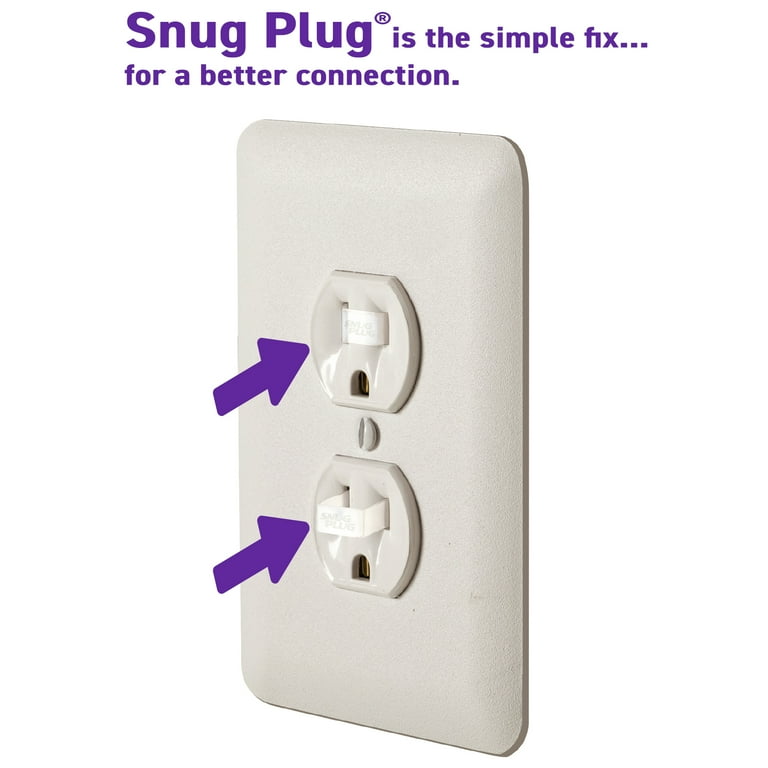
Credit: www.walmart.com
Frequently Asked Questions
Why Is My Power Outlet Loose When Plugging Devices?
A loose power outlet usually means worn or damaged internal contacts. This reduces grip on plugs, causing poor connection and potential hazards. It may need repair or replacement by a qualified electrician to ensure safety and proper function.
Can A Loose Outlet Cause Electrical Hazards?
Yes, a loose outlet can cause sparks, overheating, or short circuits. These risks may lead to electrical fires or damage to devices. Prompt repair is essential to maintain safety and prevent hazards in your home.
How Can I Fix A Loose Power Outlet Safely?
Turn off power at the breaker before inspecting the outlet. Tighten terminal screws or replace the outlet if contacts are worn. If unsure, hire a licensed electrician to fix it safely and effectively.
Does Frequent Plugging Cause Outlet Looseness?
Repeated plugging and unplugging can wear out outlet contacts over time. This causes looseness and poor connections. Minimizing forceful plug removal and regular checks can extend outlet lifespan.
Conclusion
A loose power outlet can cause poor connections and safety risks. Check the outlet regularly for wear or damage. Tighten or replace it to keep devices working well. Always handle electrical parts carefully to avoid shocks. Small fixes prevent bigger problems later.
Stay safe by maintaining your outlets and using plugs gently. This simple care helps your home stay powered without issues.