Why is My Floor Tile Making Hollow Sound When Walking Over It

Have you ever noticed a strange hollow sound when you walk across your tiled floor? That unexpected noise can be more than just annoying—it might be a sign that something isn’t quite right beneath your feet.
You might be wondering why your floor tile is making that hollow sound and what it means for your home. Understanding the cause can help you avoid costly repairs later and keep your floor safe and sturdy. Keep reading to discover the common reasons behind that hollow sound and what you can do about it.

Credit: nemmadi.in
Causes Of Hollow Sounds In Floor Tiles
Hearing a hollow sound when you walk over your floor tiles can be unsettling. It often signals an underlying issue that needs your attention. Understanding the causes will help you spot problems early and avoid costly repairs.
Improper Adhesive Application
One common reason for hollow sounds is the wrong use of adhesive. If the glue isn’t spread evenly or enough is applied, tiles won’t stick properly to the floor. This creates weak spots where tiles can lift slightly, making that hollow noise when stepped on.
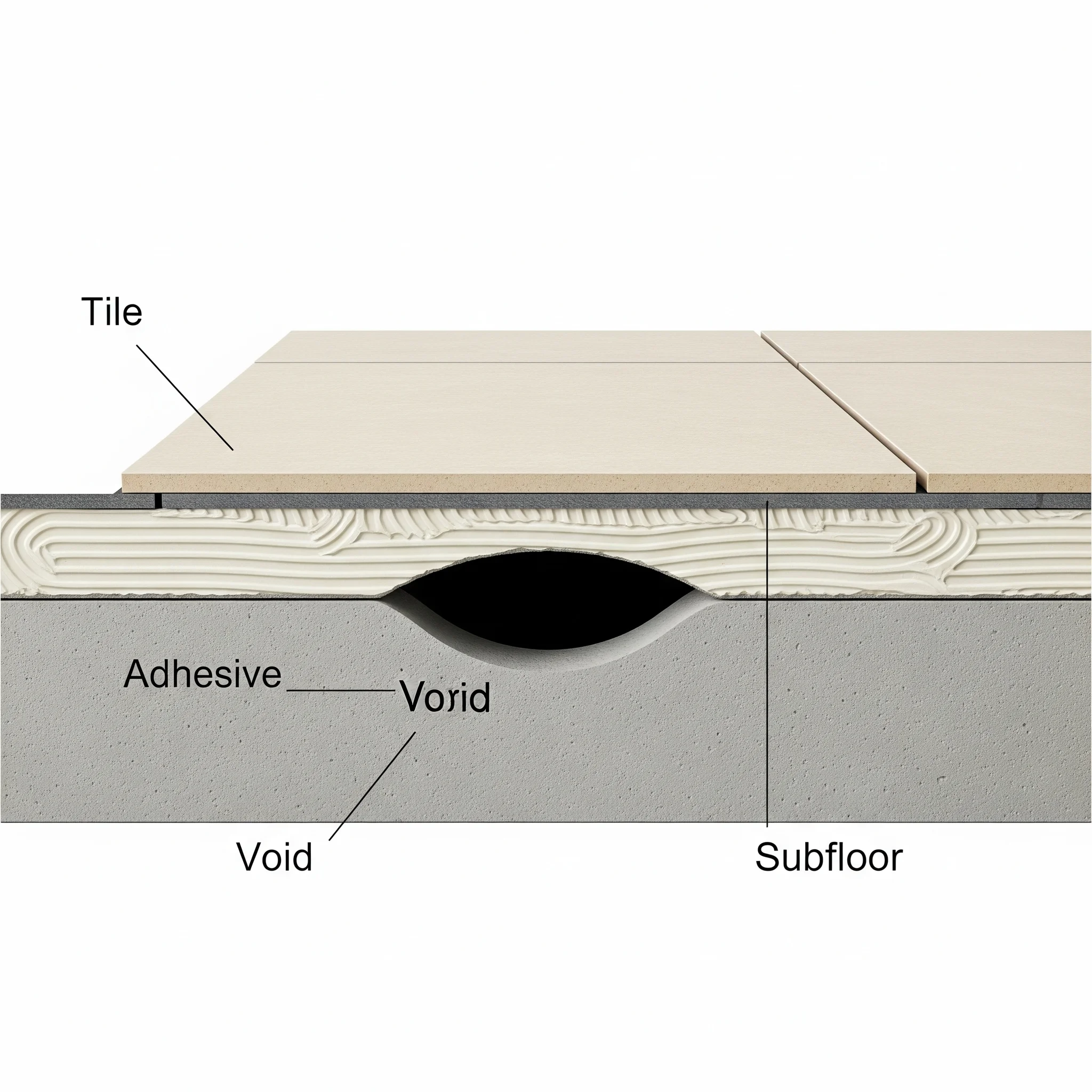
Imagine laying tiles with just a few dollops of glue instead of a smooth layer. The gaps beneath the tiles become tiny air pockets. These pockets cause the tiles to sound empty or hollow underfoot.
Uneven Subfloor Surface
Your subfloor is the base under the tiles. If it isn’t flat and smooth, tiles may not sit tightly on it. High or low spots leave space beneath certain tiles, causing hollow sounds.
Have you noticed tiles near doorways or corners making more noise? That could be due to bumps or dips in the subfloor. Fixing the subfloor before tiling is crucial to prevent these hollow spots.
Air Gaps Beneath Tiles
Air gaps often form when tiles don’t fully adhere to the surface below. These gaps act like tiny chambers that amplify sound. Even a small pocket of air can make a tile sound hollow when you step on it.
Sometimes, these gaps develop over time as the adhesive weakens or shrinks. This means a floor that felt solid at first can start making hollow noises months or years later.
Tile Installation Errors
Installation mistakes can lead to hollow sounds too. If tiles are placed too quickly without checking their fit, or if they are moved after setting, it may cause incomplete bonding.
Have you ever seen tiles that seem loose or uneven? This often points to errors during installation. Even slight misalignment or rushing the process can create spaces under tiles, causing hollow sounds.
Common Types Of Floor Tiles And Their Issues
Floor tiles come in many types, each with its own strengths and weaknesses. Knowing the common types helps to understand why tiles might sound hollow underfoot. Some materials bond better to the floor, while others may have issues that cause gaps or loosen over time. These gaps often create that hollow sound when you walk on the tile.
Here are the common types of floor tiles and the typical problems they face.
Ceramic Tiles
Ceramic tiles are popular for their affordability and variety. They are made from clay and baked at lower temperatures than porcelain. Ceramic tiles can crack or chip easily if the floor beneath is uneven. Loose tiles are common if the adhesive was not applied well. Gaps under ceramic tiles often cause hollow sounds when stepped on.
Porcelain Tiles
Porcelain tiles are denser and harder than ceramic tiles. They resist water and stains better, making them ideal for bathrooms and kitchens. Porcelain tiles need a strong adhesive and a smooth surface. If the floor is uneven or the glue weakens, tiles might lift slightly. This lifting creates hollow sounds during walking.
Natural Stone Tiles
Natural stone tiles include marble, granite, and slate. They offer a unique and elegant look but require more care. Stone tiles are heavier and need strong support underneath. Uneven subfloors cause stones to rock or loosen. Gaps under stone tiles often make hollow noises when you walk on them.
How To Identify Hollow Tiles
Hollow sounds from floor tiles can signal a problem beneath the surface. Identifying hollow tiles early helps prevent bigger issues. Knowing the right steps makes the process easier and faster. Here are simple methods to check for hollow tiles.
Tapping Test
Tap each tile lightly with a small tool or your knuckles. Solid tiles produce a dull, firm sound. Hollow tiles create a hollow, echoing noise. Move across the floor and listen carefully for changes. This test helps spot areas where tiles might be loose.
Visual Inspection
Look closely at the tile edges and grout lines. Check for cracks, gaps, or uneven surfaces. Loose tiles may shift slightly under pressure. Notice any discoloration or dust near grout lines. These signs often point to hollow spots beneath the tile.
Using Sound Detection Tools
Sound detection devices can pinpoint hollow tiles more accurately. These tools send vibrations through the floor to detect voids. Professionals often use them for larger areas or hidden problems. They provide clear, detailed feedback on tile condition.
Credit: wintel.in
Risks Of Ignoring Hollow Floor Tiles
Hollow sounds under floor tiles are more than just annoying noises. They signal a problem that needs attention. Ignoring these sounds can cause serious damage to your floor and home. Acting early can save you money and prevent bigger issues.
Here are the main risks of ignoring hollow floor tiles:
Tile Cracking And Breaking
Hollow spaces weaken the tile’s support. Walking on them puts stress on the tiles. This stress causes cracks to form over time. Cracked tiles may break easily. Broken tiles are costly to replace and ruin your floor’s look.
Water Damage And Mold Growth
Hollow tiles can trap moisture underneath. Water seeps in through cracks or gaps. Moist areas become perfect for mold to grow. Mold harms your health and damages building materials. Fixing water damage is expensive and takes time.
Reduced Floor Stability
Floors with hollow tiles feel less steady. Loose tiles can shift or move underfoot. This makes walking unsafe and uncomfortable. Reduced stability may cause trips and falls. A stable floor is important for your safety.
Fixing Hollow Floor Tiles
Fixing hollow floor tiles is important to keep your floor safe and quiet. Hollow sounds mean tiles are loose or not glued well. These sounds can grow louder over time. Fixing the problem early stops more damage. Simple steps can make your floor strong again.
Reapplying Adhesive
Start by lifting the hollow tile carefully. Clean old glue and dirt from the tile and floor. Apply fresh adhesive evenly on the back of the tile. Press the tile firmly back into place. Use a heavy object to hold it down. Let the adhesive dry completely before walking on it.
Filling Gaps With Grout Or Epoxy
Check for gaps around the tile edges. Small gaps cause hollow sounds by letting air move. Fill these spaces with grout or epoxy. Use a putty knife to spread the filler smoothly. Wipe off extra filler before it dries. This seals the tile and stops noises.
Replacing Damaged Tiles
Some tiles break or crack beyond repair. Remove damaged tiles by breaking them gently. Clean the area and remove old adhesive. Apply new adhesive and place a new tile. Press down and wipe off extra glue. Let it dry well before use. New tiles fix hollow spots and keep floors safe.
Preventing Hollow Sounds In New Installations
Preventing hollow sounds in new floor tile installations starts with careful planning and proper methods. Hollow sounds occur when tiles do not stick well to the surface below. This causes air gaps that make a hollow noise when stepped on. Avoiding this issue needs attention to detail from the very start. A strong, stable base and the right materials help keep tiles firmly in place and quiet over time.
Proper Subfloor Preparation
Prepare the subfloor by cleaning it thoroughly before installation. Remove dust, grease, and loose material that can stop tiles from sticking. Check for cracks or uneven spots and fix them. A flat, dry surface is essential for strong tile adhesion. Moisture problems should be addressed to avoid future tile lifting or hollow sounds.
Using Quality Adhesives
Choose high-quality tile adhesives designed for your tile type and subfloor. Good adhesives fill gaps completely and bond well. Avoid cheap glues that dry too fast or remain sticky. Follow the manufacturer’s instructions for mixing and applying the adhesive. Proper glue use reduces air pockets under tiles that cause hollow sounds.
Professional Installation Tips
Hire experienced installers who know how to lay tiles correctly. They use the right tools and techniques to press tiles firmly into the adhesive. Tiles should be tapped gently to remove air bubbles. Spacing and alignment must be exact to prevent uneven pressure. Skilled installation helps tiles stay solid and silent underfoot.
Credit: fixafloor.co.uk
Frequently Asked Questions
Why Does My Floor Tile Sound Hollow When Stepped On?
A hollow sound indicates air gaps under the tile. This usually happens due to poor adhesive application or substrate issues. It means the tile is not properly bonded and may be loose or at risk of cracking.
Can Hollow-sounding Tiles Cause Floor Damage?
Yes, hollow tiles can crack or break more easily. The lack of proper adhesion weakens the tile’s support. Over time, this can lead to tile loosening and costly repairs.
How Can I Fix Hollow Floor Tiles?
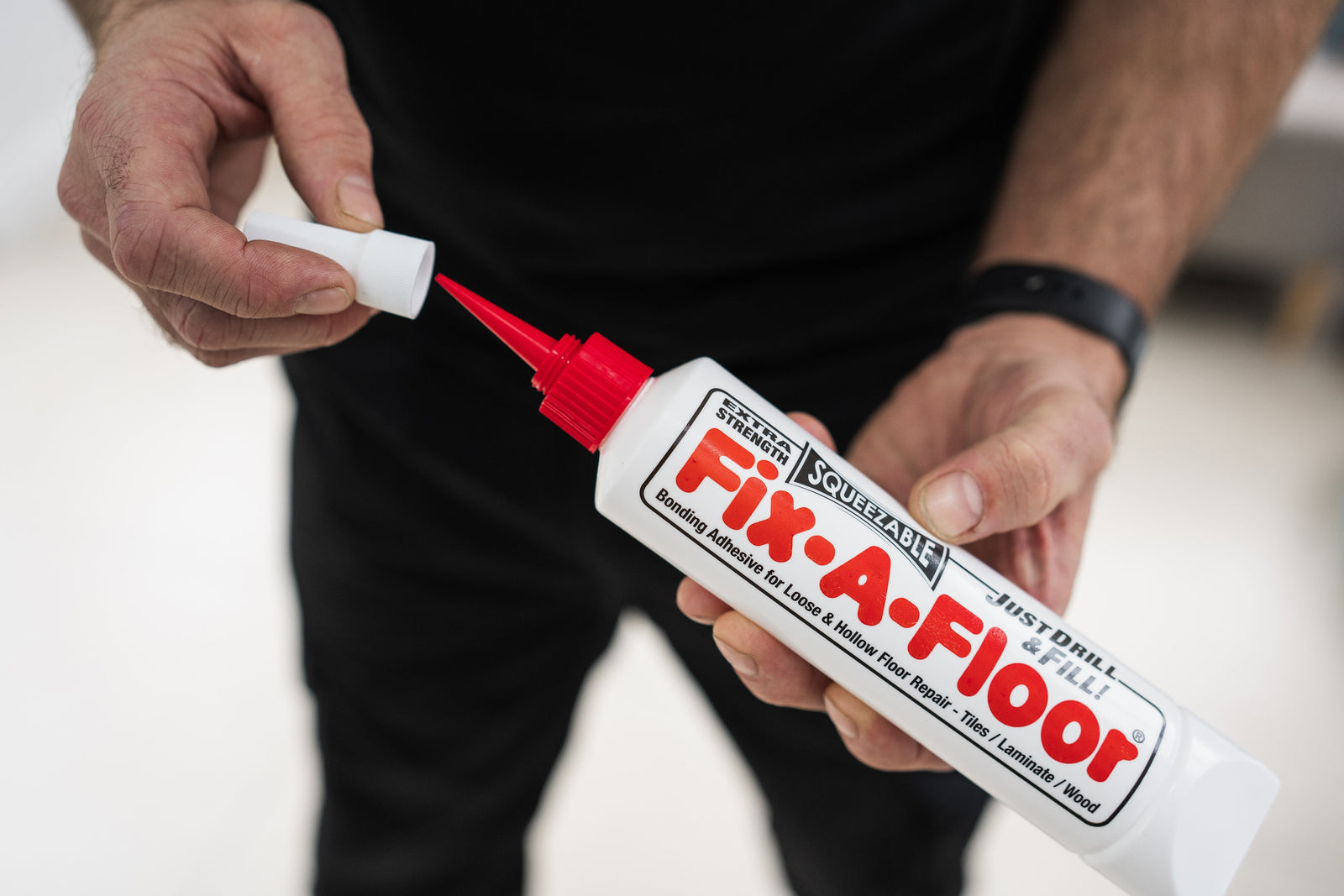
You can repair hollow tiles by injecting an adhesive under them. This process re-bonds the tile to the substrate. For severe cases, tile replacement might be necessary.
Is A Hollow Sound A Sign Of Poor Tile Installation?
Often, yes. Hollow sounds usually result from improper adhesive spread or substrate preparation. Skilled installation ensures full contact and prevents hollow spots.
Conclusion
A hollow sound under floor tiles often means loose or missing adhesive. This can cause tiles to lift or crack over time. Fixing it early saves bigger repairs later. A professional can find the cause and suggest the best solution.
Keeping your floor solid keeps your home safe and comfortable. Don’t ignore strange sounds; they tell you something needs attention. Simple checks and timely fixes keep your floors strong and quiet.