Why is My Laminate Floor Lifting Slightly at Edges

Have you noticed your laminate floor lifting slightly at the edges and wondered why it’s happening? It can be frustrating to see your beautiful floor start to peel up, especially when you don’t know the cause.
But don’t worry—understanding the reasons behind this common issue can help you fix it before it gets worse. You’ll discover the main causes of laminate floor lifting and learn simple steps to protect your floor and keep it looking great.
Keep reading to find out what might be affecting your floor and how you can solve it quickly.
Credit: elephantfloors.net
Common Causes Of Edge Lifting
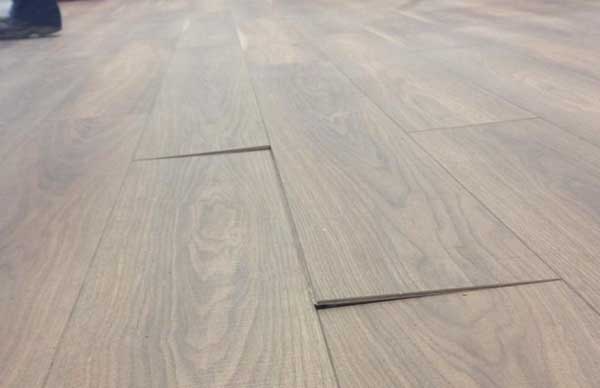
Edge lifting on laminate floors is a common issue. Many homeowners notice their floor edges start to curl or rise. This problem can affect the floor’s look and durability. Understanding why edges lift helps you prevent damage and fix the problem early.
Moisture Exposure
Laminate floors do not like moisture. Water can seep into the edges and cause swelling. This makes the edges lift slightly. Spills, leaks, or high humidity can increase moisture levels. Proper cleaning and quick drying help protect the floor.
Improper Installation
Incorrect installation often leads to edge lifting. Leaving too little space for floor expansion causes pressure. Tight or uneven placement of planks can push edges up. Following the manufacturer’s instructions ensures a smooth fit.
Temperature Fluctuations
Changes in temperature make laminate expand and contract. Extreme heat or cold causes the floor to move. This movement can lift edges, especially near walls or vents. Keeping indoor temperature steady reduces this risk.
Subfloor Issues
A weak or uneven subfloor affects laminate stability. Bumps or dips create pressure points under the floor. These spots force edges to lift over time. Preparing the subfloor properly prevents this problem.
Effects Of Edge Lifting On Flooring
Edge lifting in laminate flooring can cause several problems. It affects how the floor looks, how safe it is, and how long it lasts. Understanding these effects helps in deciding the right steps to fix the issue fast.
Aesthetic Impact
Lifted edges make floors look old and damaged. The smooth, flat surface changes to an uneven one. This can spoil the neat appearance of a room. Visitors may notice and think the floor is poorly maintained.
Safety Concerns
Raised edges create tripping hazards. People can catch their feet and fall. This risk is higher for children and older adults. It also makes moving furniture or cleaning harder and more dangerous.
Structural Damage
Edge lifting allows dirt and moisture to get under the floor. This can cause the laminate to swell or warp more. Over time, the problem spreads and weakens the whole flooring system. Repair costs rise if damage continues unchecked.
Preventing Edge Lifting
Preventing edge lifting in laminate floors starts with careful steps before and after installation. Small mistakes can cause edges to lift over time. Proper care keeps floors flat and neat. Follow these tips to avoid problems and keep your floor smooth.
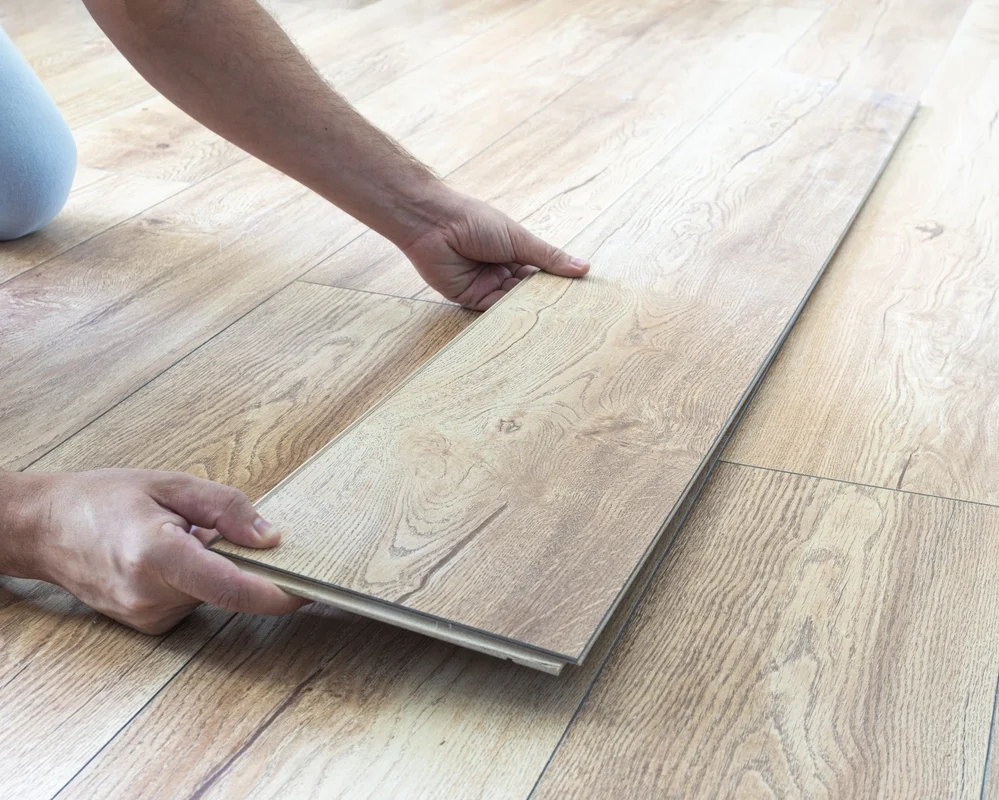
Acclimating Flooring Material
Let laminate boards sit in the room for two to three days. This helps the material adjust to the room’s temperature and moisture. Unpacking the boxes and spreading the boards out prevents swelling or shrinking after installation. Skipping this step can cause edges to lift as the floor changes size.
Maintaining Proper Humidity
Keep indoor humidity between 30% and 50%. Too much moisture makes laminate swell and lift. Too little causes shrinking and gaps. Use a humidifier or dehumidifier to keep balance. Check humidity regularly, especially in winter or rainy seasons.
Using Correct Installation Techniques
Leave a small gap between the floor and the walls. This space lets the floor expand without lifting edges. Use spacers during installation to keep this gap consistent. Avoid nailing or gluing laminate to the subfloor. Follow manufacturer instructions carefully for best results.

Credit: www.reddit.com
Repairing Lifting Edges
Repairing lifting edges on laminate floors is important to keep your floor safe and looking good. Small lifts can cause trips or damage over time. Fixing these issues early can save you money and effort.
This section explains how to find the problem areas and fix minor lifts. It also tells you when to get help from a professional.
Identifying The Problem Area
Look closely at the edges of your laminate floor. The lifted parts usually appear near walls or doorways. Check for gaps or raised edges by running your hand over the surface. Notice any uneven spots or loose pieces. Identifying the exact area helps you decide the next steps.
Fixing Minor Lifts
For small lifts, start by cleaning the affected area. Remove dust and dirt carefully. Apply a small amount of wood glue under the lifted edge. Press the laminate down firmly for several minutes. Use weights or heavy books to hold it in place while drying. Avoid using too much glue to prevent stains. This simple fix often stops the edges from lifting more.
When To Call A Professional
Call a flooring expert if the lifting is severe or covers a large area. Professionals can check for moisture or subfloor problems. They have the right tools to fix or replace damaged planks. Don’t wait if the floor feels unstable or unsafe. Early professional help prevents bigger repairs later.
Choosing The Right Laminate Flooring
Choosing the right laminate flooring plays a big role in preventing edge lifting. The wrong type can cause problems fast. Picking a good product helps keep your floor flat and strong. It also saves money and effort over time.
Quality And Durability
High-quality laminate flooring resists warping and lifting. It uses strong materials that handle daily wear. Durable floors hold their shape even in busy rooms. Cheap options may swell or lift at edges quickly.
Water-resistant Options
Water-resistant laminate stops moisture from damaging the floor. Moisture causes swelling and edge lifting. Choose laminate with a protective coating or core. This protects your floor against spills and humidity.
Suitable Underlayment
Underlayment supports the laminate and controls moisture. A poor underlayment can cause uneven surfaces. Pick one designed for laminate floors. It cushions the floor and helps keep edges down.
Credit: www.factory-direct-flooring.co.uk
Frequently Asked Questions
Why Is My Laminate Floor Lifting At Edges?
Laminate floors lift at edges due to moisture exposure or improper installation. Expansion gaps might be missing or too small. Excess humidity or water spills cause the boards to swell and lift.
Can Humidity Cause Laminate Floor Edges To Lift?
Yes, high humidity causes laminate boards to expand and lift at edges. Laminate floors need proper ventilation and moisture control to prevent swelling and warping.
How To Fix Lifting Edges On Laminate Flooring?
Fix lifting edges by removing moisture sources and ensuring expansion gaps. Use weights to flatten lifted boards and replace damaged planks if needed. Proper installation prevents future lifting.
Does Poor Installation Cause Laminate Floors To Lift?
Yes, improper installation without expansion gaps or uneven subfloor leads to lifting. Correct installation ensures boards can expand and contract without damage.
Conclusion
Slightly lifting laminate edges can signal common issues like moisture or poor installation. Acting quickly helps avoid bigger problems later. Keep your floor dry and clean to protect it. Check for gaps and fix them early. Small repairs can save time and money.
Stay aware of your floor’s condition. A little care goes a long way in keeping it smooth and strong.