Why is My Wall Paint Peeling behind Furniture Only

Have you ever noticed your wall paint peeling only behind your furniture and wondered why? It can be frustrating to see those ugly patches where your walls should look flawless.
You might think it’s just old paint, but there’s often more going on beneath the surface. Understanding why this happens can help you fix the problem for good and keep your walls looking fresh. Keep reading to discover the surprising reasons behind this common issue—and how you can protect your walls moving forward.
Credit: www.permachink.com
Common Causes Of Paint Peeling
Paint peeling behind furniture is a common problem in many homes. Understanding why it happens helps you fix it faster. Several factors cause paint to peel only in these hidden spots. These causes often relate to environment and preparation. Knowing these details allows better prevention and repair.
Moisture And Humidity Issues
Moisture trapped behind furniture can weaken paint. Walls may absorb water from leaks or spills. High humidity also softens paint and causes peeling. Furniture blocks air circulation, trapping dampness. This trapped moisture damages paint over time.
Poor Surface Preparation
Paint needs a clean, dry surface to stick well. Dust, grease, or old paint layers reduce adhesion. Skipping sanding or priming causes weak paint bonds. Behind furniture, surfaces often get less care. This neglect leads to paint peeling in those areas.
Low-quality Paint
Cheap paint often lacks strong binding agents. It peels more easily, especially in hidden spots. Low-quality paint may not resist moisture or temperature changes. Investing in good paint improves durability and finish. Poor paint fails fast behind furniture.
Temperature Fluctuations
Walls expand and contract with temperature changes. Sudden or extreme shifts stress the paint layer. Behind furniture, less air flow worsens the effect. This causes cracking and peeling over time. Consistent temperature control helps maintain paint integrity.

Credit: samplize.com
Impact Of Furniture Placement
Furniture placement affects wall paint condition more than many realize. Walls behind furniture often suffer peeling paint. This happens because furniture blocks natural air movement. Lack of airflow creates a damp and warm environment. These conditions weaken paint adhesion over time.
Restricted Airflow Behind Furniture
Furniture close to walls limits air circulation. Walls need fresh air to stay dry. Without airflow, moisture builds up on the wall surface. This moisture makes paint lose its grip. Over time, paint peels and flakes off behind the furniture.
Trapped Moisture Effects
Moisture trapped behind furniture causes paint damage. Humidity from the room can’t escape easily. Water vapor settles on the wall and soaks into paint layers. This trapped moisture softens the paint and drywall. Soft paint cannot hold on well and starts peeling.
Heat And Condensation Factors
Furniture blocks heat from reaching the wall. This causes cold spots behind the furniture. Warm, moist air meets cold wall surfaces. Condensation forms and damages the paint. Repeated condensation cycles cause paint to bubble and peel.
Identifying Hidden Wall Problems
Peeling paint behind furniture often signals hidden wall problems. These issues stay unnoticed because furniture blocks the view. Identifying the root cause helps you fix the problem properly. Ignoring it may lead to bigger damage and costly repairs.
Mold And Mildew Growth
Mold and mildew thrive in dark, damp places. Furniture creates a perfect environment by trapping moisture and reducing airflow. This moisture softens paint and causes it to peel. Mold also harms your health and weakens the wall. Check behind furniture for any dark spots or musty smells.
Wall Material Damage
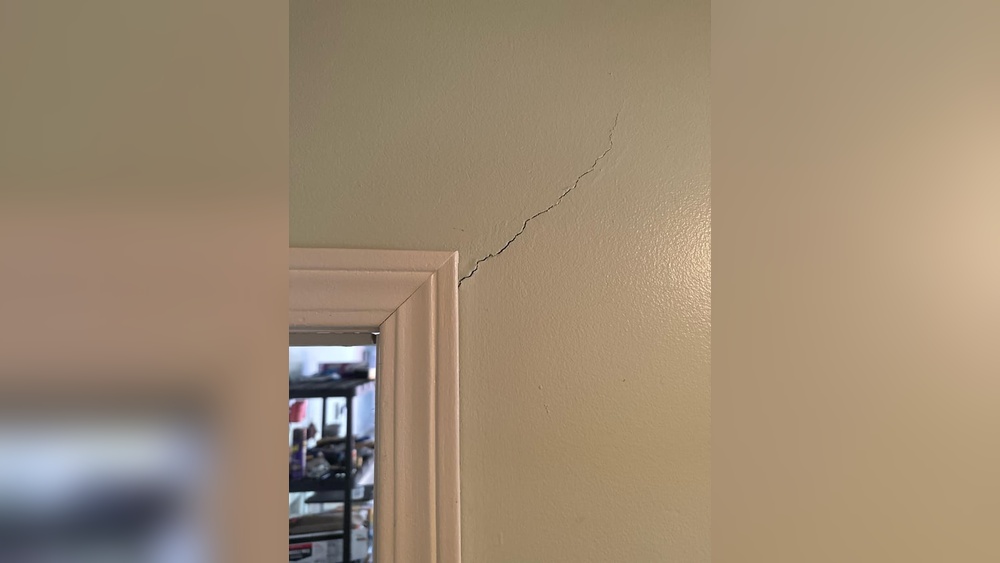
Peeling paint may mean the wall material is damaged. Drywall, plaster, or wood can weaken from moisture or age. Damaged walls lose grip on the paint, causing it to flake off. Look for cracks, soft spots, or crumbling areas behind furniture. These signs show the wall needs repair.
Leaks And Water Intrusion
Water leaks behind walls cause paint to peel. Pipes, roofs, or windows may let water seep in unnoticed. Water weakens the paint’s bond and causes bubbling or peeling. Smell dampness or check for water stains behind furniture. Fixing leaks stops further damage and paint problems.
Preventing Paint Peeling Behind Furniture
Paint peeling behind furniture is a common problem in many homes. It happens because walls in these areas often lack airflow and stay damp. Preventing this damage helps keep your walls looking fresh and clean. Simple steps can stop paint from peeling and protect your walls for years.
Focus on ways to reduce moisture and improve air movement. Use the right paint and check walls often. Also, think about how you place your furniture to avoid trapping moisture.
Improving Ventilation
Good airflow stops moisture buildup behind furniture. Open windows or use fans to increase air movement. This helps walls dry faster and stay fresh. Even small gaps between furniture and walls can improve ventilation. Avoid pushing furniture tightly against walls.
Using Moisture-resistant Paints
Choose paint made to resist moisture in damp areas. These paints form a strong barrier against water and humidity. They reduce the chance of peeling and mold growth. Use moisture-resistant paint especially behind furniture in kitchens and bathrooms.
Regular Wall Inspection
Check walls behind furniture regularly for signs of damage. Look for bubbles, cracks, or peeling paint. Early detection helps fix issues before they get worse. Use a flashlight to see hidden spots clearly. Clean walls gently to remove dirt and moisture.
Proper Furniture Placement
Place furniture slightly away from walls to allow airflow. Avoid heavy furniture that traps moisture and blocks air. Use wall protectors or spacers to keep a small gap. This simple change helps walls stay dry and paint last longer.
Repairing Peeling Paint Areas
Repairing peeling paint behind furniture needs careful work. This area often stays damp or hidden, causing damage. Fixing it right helps keep your walls strong and fresh.
Removing Damaged Paint
Start by clearing the space behind the furniture. Use a scraper or sandpaper to remove loose paint. Be gentle to avoid hurting the wall. Clean dust and debris with a dry cloth. This step prepares the surface for repair.
Treating Wall Surface
Check the wall for moisture or mold. Use a cleaner to remove any dirt or stains. Let the wall dry completely before the next step. Apply a primer to seal and protect the surface. This helps the new paint stick well and last longer.
Repainting Tips For Longevity
Choose a quality paint suitable for indoor walls. Use thin, even coats to prevent peeling later. Allow each coat to dry fully before adding another. Keep the area ventilated to speed drying. Move furniture slightly away from the wall to avoid future damage.

Credit: www.rawlinspaints.com
Frequently Asked Questions
Why Does Paint Peel Only Behind Furniture?
Paint peels behind furniture due to poor ventilation and trapped moisture. Limited airflow causes dampness, weakening paint adhesion. This environment encourages paint to bubble and peel over time.
How Can Furniture Cause Wall Paint Damage?
Furniture placed against walls traps heat and moisture. This environment fosters mold growth and paint deterioration. Frequent contact can also physically scrape and chip paint.
Can Moisture Lead To Peeling Paint Behind Furniture?
Yes, moisture is a primary cause of peeling paint. Condensation or leaks trapped behind furniture soften paint layers. This reduces paint’s grip, leading to bubbling and peeling.
How To Prevent Paint Peeling Behind Furniture?
Ensure good air circulation by spacing furniture away from walls. Use moisture barriers and dehumidifiers if needed. Regularly inspect walls for leaks or mold and fix them promptly.
Conclusion
Peeling paint behind furniture often means trapped moisture or poor ventilation. Walls need air to stay dry and paint to stick well. Moving furniture occasionally helps air reach the wall. Fix leaks and control humidity to stop peeling. Choose the right paint for hidden areas too.
Small steps can protect your walls and keep paint looking fresh. Don’t ignore peeling paint; it signals a problem. Act early to avoid bigger repairs later. Your walls will thank you with a smooth, clean look.