How to Fix Bathroom Ventilation Not Removing Moisture

Is your bathroom feeling damp, foggy, or just not drying out like it should? If your bathroom ventilation isn’t removing moisture properly, you’re likely facing more than just an annoying foggy mirror.
Excess moisture can lead to mold, unpleasant odors, and even damage to your walls and ceiling. But don’t worry—you’re not stuck with this problem. You’ll discover simple, effective ways to fix your bathroom ventilation so it works the way it’s supposed to.
Keep reading, and you’ll learn how to protect your bathroom and keep it fresh and dry every day.

Credit: comforttemp.com
Common Causes Of Poor Bathroom Ventilation
Poor bathroom ventilation causes moisture to stay inside. This leads to mold, mildew, and bad smells. Fixing this problem starts with knowing the common causes. Understanding these issues helps keep your bathroom dry and fresh.
Blocked Or Dirty Vent Fans
Dust and dirt can clog vent fans. Blocked fans cannot move air well. This causes moisture to build up fast. Cleaning fans often keeps them working properly. Check fans regularly for dirt and blockages.
Improper Fan Size
Fans that are too small do not remove enough moisture. A small fan struggles to clear steam from showers. Choose the right fan size for your bathroom area. This helps keep the room dry and comfortable.
Ductwork Issues
Bad ductwork stops air from flowing outside. Crushed or loose ducts block moisture removal. Leaks in ducts reduce vent power. Inspect ducts for damage and fix problems quickly. Proper ductwork ensures good ventilation.
Lack Of Regular Maintenance
Ignoring vent maintenance causes slow fan performance. Dirt and wear lower the fan’s efficiency. Regular checks and cleaning improve airflow. Routine care keeps your bathroom ventilation strong.
Signs Your Ventilation Isn’t Working
Bathroom ventilation plays a key role in keeping your space dry and fresh. Poor ventilation can cause many problems. It may be hard to spot at first. Watch for certain signs that show your bathroom fan is not doing its job. These signs warn you about moisture buildup and poor air flow.
Persistent Moisture And Mold
Water stays on surfaces long after showers. Walls and ceilings feel damp. Mold patches appear in corners or near windows. Mold grows fast in wet places. It harms air quality and your health. Persistent moisture means your ventilation is weak or broken.
Foggy Mirrors
Mirrors stay fogged up long after you finish. Normal ventilation clears steam quickly. A mirror covered in fog shows poor airflow. This happens because moist air does not leave the room. It signals a need to check your ventilation system.
Musty Odors
The bathroom smells damp and stale. Musty odors come from trapped moisture. Good ventilation removes these smells fast. Lingering odors mean air is not moving well. This is a clear sign the fan or vent needs fixing.
Peeling Paint Or Wallpaper
Paint bubbles or peels on walls and ceilings. Wallpaper loosens or curls at the edges. Moisture weakens glue and paint over time. This damage shows your bathroom stays too wet. Poor ventilation causes this slow decay.
Checking And Cleaning Your Vent Fan
Checking and cleaning your bathroom vent fan helps remove moisture better. Dust and dirt block airflow and cause problems. Regular cleaning keeps the fan working well. It also stops mold and bad smells. This guide shows easy steps to clean your vent fan safely.
Removing The Fan Cover
Start by turning off the power to the fan. Use a screwdriver or gently pull to remove the cover. Some covers twist off, others snap off. Clean the cover with warm water and soap. Dry it well before putting it back.
Cleaning Dust And Debris
Use a soft brush or cloth to remove dust inside. A vacuum cleaner with a brush tool works well too. Clean the fan grill and surrounding area carefully. Remove any cobwebs or dirt buildup. This helps the fan move air freely.
Inspecting Fan Motor And Blades
Look at the fan blades for dust or damage. Wipe blades gently with a damp cloth. Check if the motor is noisy or slow. If the motor is dirty, use compressed air to clean it. Make sure the fan spins smoothly without resistance.
Upgrading Or Replacing Your Vent Fan
Upgrading or replacing your bathroom vent fan can solve moisture problems effectively. A new fan removes humid air faster and keeps your bathroom dry. Old fans may not work well or use too much power. Choosing the right fan and proper installation are key steps.
Choosing The Right Fan Capacity
Fan capacity is measured in cubic feet per minute (CFM). Higher CFM means more air moved out. For bathrooms, aim for at least 1 CFM per square foot. Larger bathrooms need stronger fans. Check the room size before buying a fan. Too weak fans fail to remove moisture well.
Energy Efficiency Considerations
Energy-efficient fans save money on electric bills. Look for models with ENERGY STAR certification. These fans use less power but still work well. Quiet operation is common in efficient fans too. Choose a fan that balances power, noise, and energy use.
Professional Installation Tips
Install the fan properly to ensure good airflow. The fan should vent outside, not into the attic. Use the right duct size to avoid air blockage. Seal all joints to prevent leaks. Hire a professional if unsure about wiring or ductwork. Correct installation boosts fan performance and longevity.
Fixing Ductwork Problems
Fixing ductwork problems is key to improving bathroom ventilation. Ducts carry moist air out of the bathroom. If ducts are damaged, blocked, or poorly installed, moisture stays inside. This causes mold, mildew, and bad smells. Checking and fixing ducts helps remove moisture fast and keeps air fresh.
Inspecting For Leaks Or Blockages
Leaks or blockages stop air from flowing properly. Look for holes, tears, or loose connections in ducts. Use a flashlight to check inside ducts. Clear any dust, debris, or nests blocking airflow. Seal leaks with duct tape or mastic sealant. Fixing leaks and blockages boosts ventilation power.
Ensuring Proper Vent Termination
The duct must end outside your home. Check that the vent opens fully and is not blocked. The vent hood should keep rain and pests out. The duct should not end in an attic or crawl space. Proper vent termination lets moist air leave safely and prevents moisture buildup.
Using Rigid Vs. Flexible Ducts
Rigid ducts move air better than flexible ones. Flexible ducts bend easily but can trap dust and moisture. Rigid ducts have smooth walls and less resistance. Use rigid ducts for longer runs and better airflow. Flexible ducts are okay for short, simple routes. Choosing the right duct type improves moisture removal.
Improving Bathroom Airflow
Improving bathroom airflow helps reduce moisture and keeps the space fresh. Proper airflow stops mold and mildew from growing. It also prevents paint and walls from peeling. Fresh air moves out the dampness quickly. Here are simple ways to improve airflow in your bathroom.
Adding Additional Vents Or Windows
Extra vents or windows bring in fresh air and let moist air escape. Installing a vent fan helps pull humidity out fast. A window lets natural air flow in and out. Both options lower moisture levels and keep your bathroom dry. Choose vents or windows that fit your bathroom size and style.
Using Dehumidifiers
Dehumidifiers remove water from the air. They work well in bathrooms with poor ventilation. Place a small dehumidifier in a corner to absorb moisture. This helps prevent mold and keeps air comfortable. Empty the water tank regularly to keep it working well.
Keeping Doors Open For Circulation
Leaving bathroom doors open after use helps air move freely. It lets moist air escape to other parts of the home. This simple step helps dry the room faster. Good air circulation stops damp smells and mold growth. Make it a habit to keep the door open for a while.
Routine Maintenance Practices
Routine maintenance keeps your bathroom ventilation working well. It helps remove moisture and stops mold. Simple checks and cleaning can make a big difference. Small efforts prevent big problems later. Here are key steps to follow regularly.
Regular Fan Cleaning Schedule
Dust and dirt block air flow in your fan. Clean the fan every few months. Turn off power first for safety. Remove the cover and wipe blades gently. Use a soft brush or cloth. This improves air movement and reduces noise.
Checking For Mold Growth
Mold grows in damp places like vents and fans. Look for black or green spots around your fan. Check behind the cover and in ducts. Clean mold with a mild detergent or vinegar. Wear gloves and a mask while cleaning. Early removal stops mold from spreading.
Replacing Filters And Components
Some bathroom fans have filters. These need changing to keep air clean. Check your fan manual for filter type and schedule. Replace old filters every few months or as needed. Also inspect fan parts for damage. Broken parts reduce fan efficiency and need fixing.
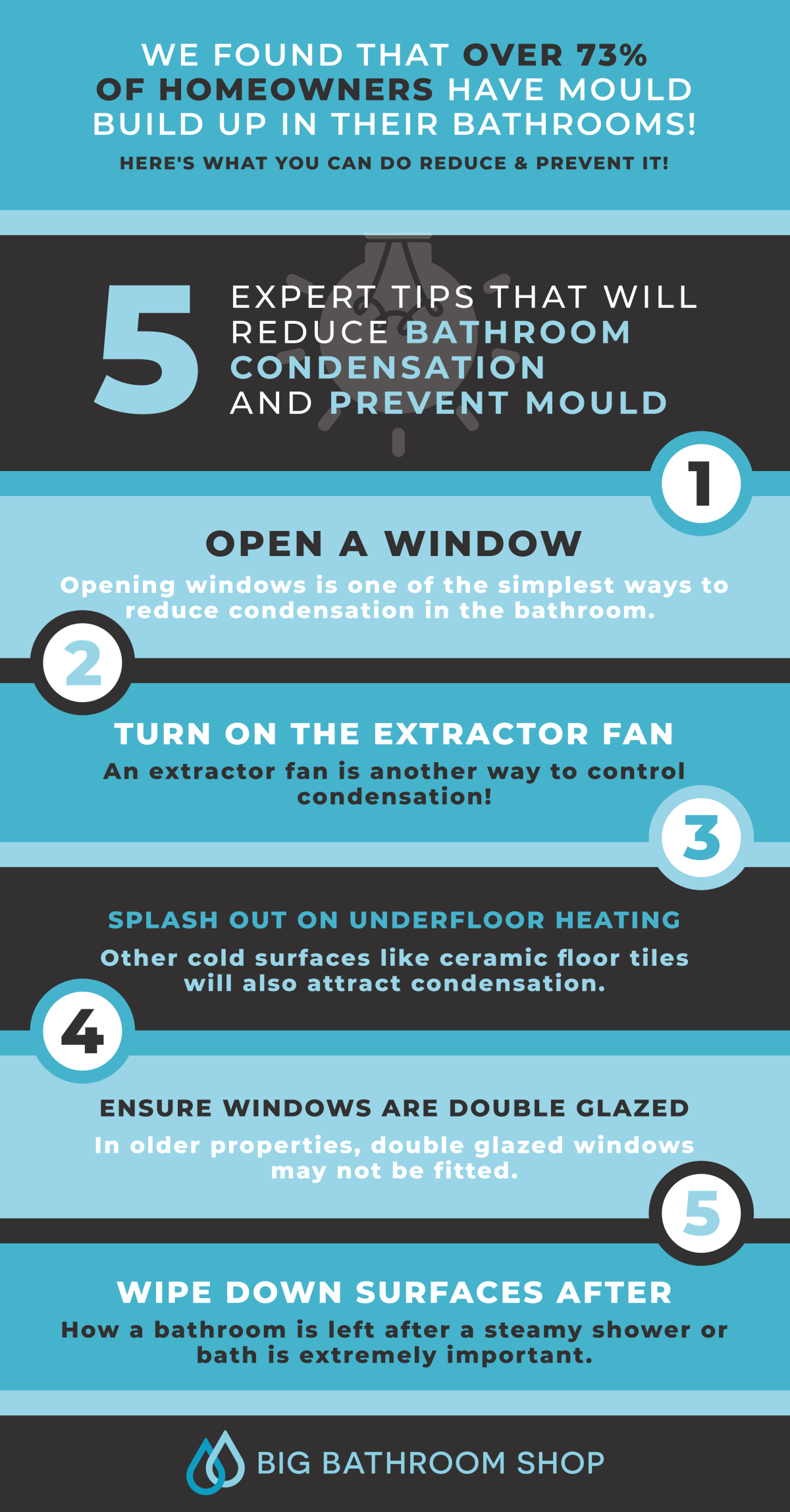
Credit: www.bigbathroomshop.co.uk

Credit: www.youtube.com
Frequently Asked Questions
Why Is My Bathroom Ventilation Not Removing Moisture?
Bathroom ventilation may fail due to clogged ducts, faulty fans, or poor installation. Regular cleaning and proper fan sizing improve moisture removal. Ensure vents lead outside, not into the attic, to prevent moisture buildup and mold growth effectively.
How Can I Improve Bathroom Fan Efficiency?
To boost fan efficiency, clean the vent and fan regularly. Upgrade to a higher CFM-rated fan if needed. Ensure the fan runs long enough during and after showers to fully remove moisture from the air.
What Causes Persistent Bathroom Moisture Despite Ventilation?
Persistent moisture often results from inadequate ventilation capacity or blocked ducts. Check for leaks or closed vents. Also, use a dehumidifier and open windows to help reduce excess moisture and prevent mold.
How Long Should A Bathroom Fan Run After Showering?
Run the bathroom fan for at least 20-30 minutes after showering. This duration helps remove residual moisture and prevents mold growth effectively. Using a timer switch can ensure proper fan run-time without manual operation.
Conclusion
Fixing bathroom ventilation stops moisture problems fast. Check your fan for blockages or damage first. Clean or replace filters to improve airflow. Make sure the vent duct leads outside, not inside walls. Run the fan during and after showers for at least 20 minutes.
Proper ventilation helps prevent mold and keeps air fresh. Small changes make a big difference in comfort and safety. Stay consistent with maintenance to avoid future issues. Good airflow means a healthier, drier bathroom every day.