Why is My Window Not Closing Tightly at Bottom Corner

Have you ever noticed your window won’t close tightly at the bottom corner? It’s frustrating when cold air sneaks in, your energy bills rise, or even bugs find their way inside.
You might wonder why this happens and how to fix it quickly. You’ll discover the common reasons behind this problem and simple solutions you can try right now. Don’t let a poorly closing window disrupt your comfort—read on to learn what’s really going on and how to take control.
Common Causes Of Loose Window Closure
Loose window closure at the bottom corner is a common problem. It can let in drafts, dirt, and moisture. Understanding why this happens helps fix it quickly. Several factors often cause a window not to close tightly. Most issues involve parts of the window that wear out or get damaged over time.
Warped Window Frame
Wood and metal frames can warp from weather changes. Warping bends the frame out of shape. This stops the window from closing flush. Warped frames create gaps at the corners. These gaps let air and water pass through easily.
Damaged Or Worn Weatherstripping
Weatherstripping seals the window edges. It keeps out cold air and moisture. Over time, weatherstripping can crack or fall apart. Worn weatherstripping loses its grip. This causes the window to close loosely, especially at corners.
Misaligned Window Sash
The sash holds the window glass. It slides or swings to open and close. If the sash shifts out of place, the window won’t close tightly. Misalignment often happens after rough handling or settling of the house. This problem is common in older windows.
Obstructions In The Track
Dirt, dust, or small debris can block window tracks. These obstructions stop the sash from sliding fully. Partial closure leads to gaps at the bottom corner. Regular cleaning of the track helps keep the window snug.
Issues With Window Hardware
Locks, latches, and hinges keep windows secure. Broken or loose hardware causes poor closure. Faulty parts can prevent the window from sealing properly. Checking and fixing hardware improves window tightness quickly.
Signs Of Window Frame Problems
Signs of window frame problems often appear before major issues arise. Noticing these signs early helps avoid costly repairs. They show that your window may not close tightly at the bottom corner. Watch for these common signs to identify frame problems quickly.
Visible Gaps Or Cracks
Look closely at the window frame edges. Small gaps or cracks can let air and water inside. These openings usually appear near the bottom corner. They show that the frame has shifted or warped. Gaps also cause drafts and reduce energy efficiency.
Difficulty In Sliding Or Closing
Windows should move smoothly without force. If sliding or closing feels hard, the frame may be damaged. Warped frames can block the window from shutting properly. This issue often causes the bottom corner to stay open. It may need adjustment or repair.
Water Or Air Leakage
Water stains or damp spots near the window indicate leaks. Air leaks cause cold drafts that lower comfort inside. Both problems point to frame sealing failure. Leakage at the bottom corner is a common sign of frame issues. Fixing the frame stops moisture and air from entering.
Weatherstripping Wear And Replacement
Weatherstripping plays a key role in keeping windows closed tightly. Over time, it wears out and loses its ability to seal the window properly. This wear can cause gaps, especially at the bottom corners. Replacing weatherstripping can fix these gaps and improve your window’s seal.
Types Of Weatherstripping
Several weatherstripping types suit different windows. Foam tape is soft and easy to apply. Felt strips are affordable but may wear quickly. Vinyl or rubber weatherstripping is durable and seals well. Metal strips with rubber edges offer strong, long-lasting seals. Choosing the right type depends on your window and needs.
How To Inspect Weatherstripping
Start by looking closely at the window edges. Check for cracks, gaps, or flattened areas. Press the weatherstripping to see if it feels soft or brittle. Look for pieces peeling away or missing. Use a flashlight to spot small gaps. These signs show the weatherstripping needs replacement.
Steps To Replace Weatherstripping
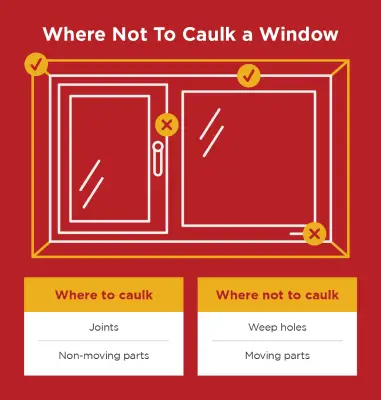
First, remove the old weatherstripping carefully. Clean the surface of dust and old glue. Measure the length needed for new weatherstripping. Cut the new strip to the right size. Press or nail it firmly in place. Check the window closes tightly with no gaps.
Credit: www.mrhandyman.com
Fixing Window Alignment Issues
Fixing window alignment issues is key to making your window close tightly. A window that won’t seal properly wastes energy and lets in drafts. Small shifts in the window’s position cause gaps at the corners. Understanding how to check and adjust the alignment helps solve this problem fast.
Checking For Misalignment
Start by looking closely at the window frame and sash. Check if the sash sits evenly in the frame. Use a level tool to see if the window is straight. Look for gaps or spaces, especially at the bottom corners. Warped or damaged parts can also cause misalignment.
Adjusting The Window Sash
Most windows have screws or bolts to move the sash slightly. Loosen these fasteners to shift the sash up, down, left, or right. Adjust slowly and test the fit often. Tighten the screws once the window fits snugly and closes without gaps. Lubricate the tracks to help the window move smoothly.
When To Call A Professional
Complex issues like a twisted frame or damaged seals need expert help. If adjustments don’t fix the problem, contact a window specialist. Professionals can realign or replace parts safely. Hiring an expert prevents further damage and ensures proper sealing.
Clearing Track Obstructions
Windows that do not close tightly at the bottom corner often have blocked tracks. Dirt and debris can stop the window from sliding fully into place. Clearing these obstructions helps the window close smoothly and seal properly.
Common Debris And Dirt Build-up
Dust, leaves, and small stones often collect in window tracks. Dead insects and spider webs also create blockages. Over time, this build-up prevents the window from closing tightly.
Cleaning Techniques
Start by removing loose dirt with a soft brush or vacuum. Use a damp cloth to wipe away sticky residue. For tough grime, a mild soap solution works well. Avoid harsh chemicals that may damage the track.
Lubricating Window Tracks
After cleaning, apply a silicone-based lubricant to the tracks. This reduces friction and helps the window slide smoothly. Avoid oil-based lubricants as they attract more dirt over time.
Repairing Or Replacing Window Hardware
Repairing or replacing window hardware is key when your window won’t close tightly. Faulty parts often cause gaps at the bottom corner. Fixing these parts can restore a snug fit and improve security. Understanding the hardware helps you decide whether repair or replacement is best.
Identifying Faulty Components
Check the locks, hinges, and handles first. Look for signs of rust, wear, or damage. Loose screws or bent parts can stop the window from closing right. Even small cracks in the hardware affect the fit.
Tools Needed For Repairs
Gather a screwdriver, pliers, and a hammer. You may also need replacement screws or new hardware. A level helps ensure the window sits properly. Keep a cloth handy to clean the frame and parts.
Replacing Locks And Hinges
Remove old locks or hinges carefully. Match new parts exactly to the old ones. Install the new hardware firmly but without forcing. Test the window after to confirm it closes tightly. Proper installation ensures better function and safety.
Preventive Maintenance Tips
Preventive maintenance helps keep windows working well for years. It stops small problems from turning into big repairs. Simple care can make your window close tightly at the bottom corner again. Follow these tips to avoid common issues and save money.
Regular Inspection Routine
Check your windows every month. Look for gaps, cracks, or dirt near the bottom corner. Notice any loose parts or worn seals. Early spotting of problems helps fix them fast. Use a flashlight to see hidden corners clearly. Keep a checklist to track what you find each time.
Seasonal Adjustments
Windows expand and shrink with temperature changes. Adjust the locks and hinges as seasons change. Tighten screws and make sure parts fit well. This prevents gaps from forming at the corners. Seasonal care keeps your window sealed and secure year-round.
Protecting Window Components
Keep window tracks clean by removing dust and debris. Use a soft brush or cloth for cleaning. Apply silicone spray to hinges and locks to stop rust. Avoid harsh chemicals that damage seals. Protecting parts extends their life and ensures smooth closing.

Credit: support.apple.com

Credit: pestanpipes.com
Frequently Asked Questions
Why Won’t My Window Close Tightly At The Bottom Corner?
A window may not close tightly due to warped frames, damaged seals, or misaligned hardware. Check for obstructions and inspect the frame for any warping. Adjust or replace worn parts to restore a proper seal and ensure the window closes securely at the bottom corner.
How Can I Fix A Window That Won’t Seal At The Corner?
Start by cleaning the frame and removing debris. Tighten loose screws and adjust hinges or locks. Replace worn weatherstripping or damaged seals to improve the seal. If the frame is warped, consider professional repair or replacement for a secure closure.
What Causes Window Corners To Gap When Closed?
Gaps often result from frame warping, loose hardware, or damaged weatherstripping. Seasonal changes and moisture can cause wood or vinyl frames to expand or contract. Regular maintenance and timely repairs prevent gaps and ensure your window closes tightly at the corners.
Can Weatherstripping Improve Window Closure At The Bottom?
Yes, weatherstripping seals gaps and prevents air leaks. Replacing old or damaged weatherstripping improves insulation and helps windows close tightly. Choose the right type for your window material and install it properly for the best results.
Conclusion
A window not closing tightly at the bottom corner can cause many problems. Drafts, noise, and water leaks may happen. Check for dirt, damaged seals, or warped frames. Small fixes often solve the issue quickly. Regular cleaning and maintenance help windows stay secure.
Don’t ignore the problem, or it might get worse. A well-closing window keeps your home comfortable and safe. Taking action today saves time and money tomorrow.