How to Fix Oven Door Not Closing Tightly Heat Escaping

Is your oven door not closing tightly? Heat escaping from your oven can ruin your cooking and increase energy bills.
You might be frustrated wondering why your oven isn’t working properly. The good news is, fixing this problem is easier than you think. You will discover simple steps to stop heat from escaping and get your oven back to perfect working order.
Keep reading to learn how you can save energy and cook your meals evenly every time.

Credit: www.youtube.com
Common Causes Of Loose Oven Doors
A loose oven door can cause heat to escape, leading to longer cooking times and higher energy bills. Understanding the common causes helps fix the problem quickly. Several factors can make the door not close tightly.
Some parts may wear out or get damaged. Others might be out of place or blocked by something. Knowing these causes helps you spot the problem and take action fast.
Worn Door Hinges
Hinges support the oven door and allow it to open and close. Over time, hinges can wear out or bend. This makes the door sag or not fit properly. Worn hinges cause gaps that let heat escape. Checking hinges for damage is important.
Damaged Door Seal
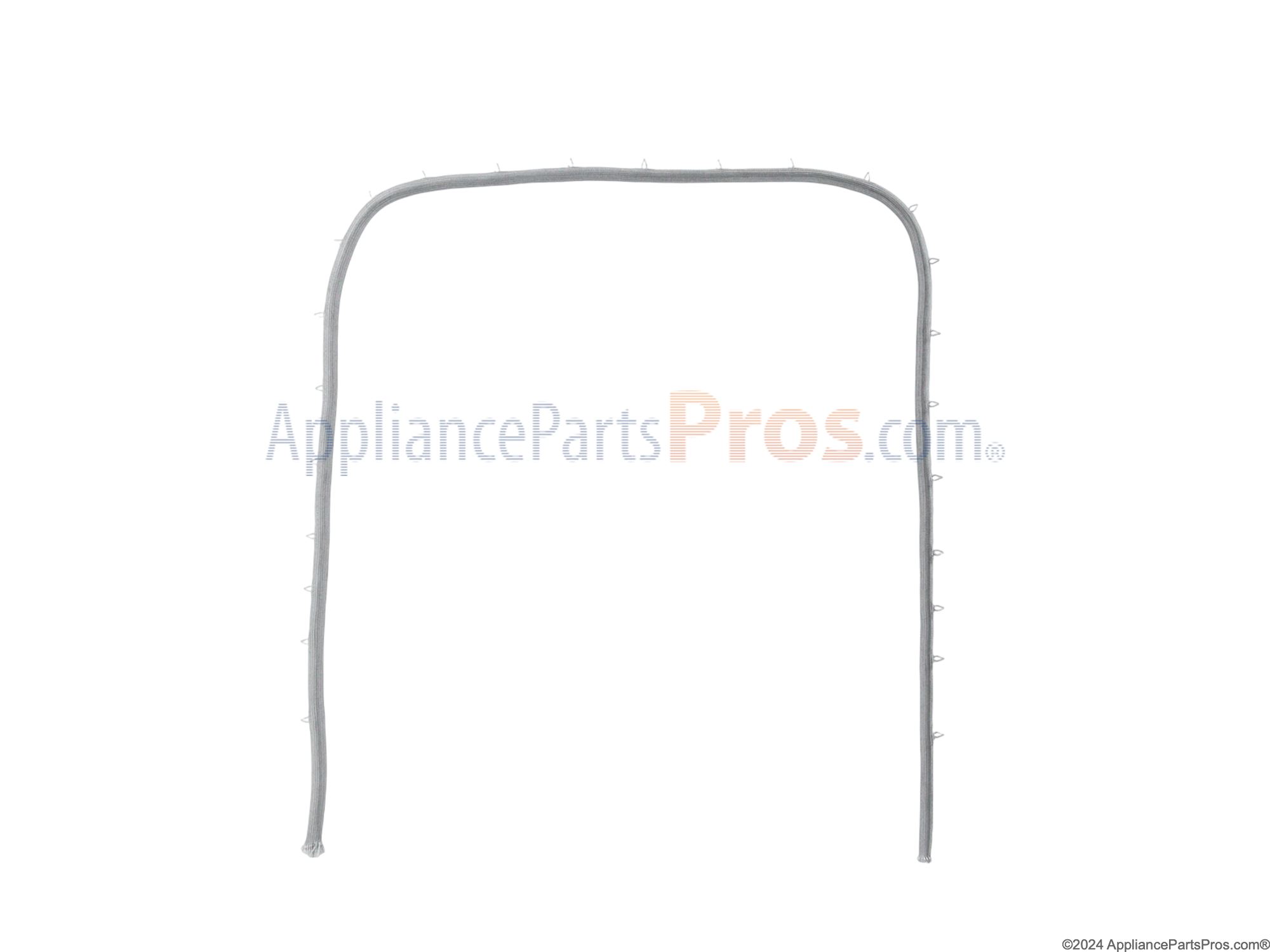
The door seal is a rubber or silicone strip around the door edge. It creates a tight seal to keep heat inside. Heat and use can crack or wear the seal. A damaged seal lets heat leak out. Replacing a bad seal restores a tight close.
Misaligned Door Latch
The latch keeps the oven door shut. If the latch is loose or out of place, the door won’t close tight. Misalignment can happen from repeated use or accidental bumps. Adjusting or fixing the latch can solve the problem.
Obstructions Around Door
Sometimes, crumbs, grease, or small objects block the door. These obstructions stop the door from closing fully. Cleaning around the door edges removes blockages. This simple step helps the door seal properly again.
Tools Needed For Repairs
Fixing an oven door that does not close tightly needs some basic tools. These tools help you check, clean, and replace parts easily. Having the right tools saves time and effort during repairs. Here are the main tools you will need to fix your oven door.
Screwdrivers And Pliers
Screwdrivers are essential for removing screws on the oven door. You may need both flathead and Phillips head screwdrivers. Pliers help to grip and pull small parts or pins. They are useful for bending or adjusting metal parts gently. These tools make it easy to open the door panel and access hinges.
Replacement Hinges And Seals
Old or broken hinges cause the oven door to stay open or close loosely. Replacement hinges restore the door’s proper movement. Oven door seals stop heat from escaping. Worn-out seals must be replaced with new ones. Using exact replacement parts ensures a perfect fit and better sealing.
Cleaning Supplies
Cleaning removes dirt, grease, and debris from the door edges and seals. Use a soft cloth or sponge with warm soapy water. Avoid harsh chemicals that damage seals or paint. Clean surfaces help the door close tightly and improve seal performance. Regular cleaning keeps the oven door working well longer.
Inspecting The Oven Door
Inspecting the oven door is the first step to stop heat from escaping. A tight door keeps the oven hot and cooks food properly. You can fix many problems by checking the door closely. Look for parts that may be broken or out of place. This helps you know what to repair or replace. Start with the hinges, seals, and alignment.
Checking Hinge Condition
Open the oven door and look at the hinges. Hinges should be firm and not loose. Loose hinges make the door hard to close tightly. If you see rust or damage, the hinge may need replacement. Tighten any loose screws using a screwdriver. Good hinges keep the door steady and close well.
Examining Door Seal Integrity
The door seal is a rubber or silicone strip around the oven door. It stops heat from leaking out. Check the seal for cracks, tears, or wear. A broken seal lets heat escape and makes the oven less efficient. Clean the seal with a damp cloth to remove dirt. Replace the seal if it looks old or damaged.
Testing Door Alignment
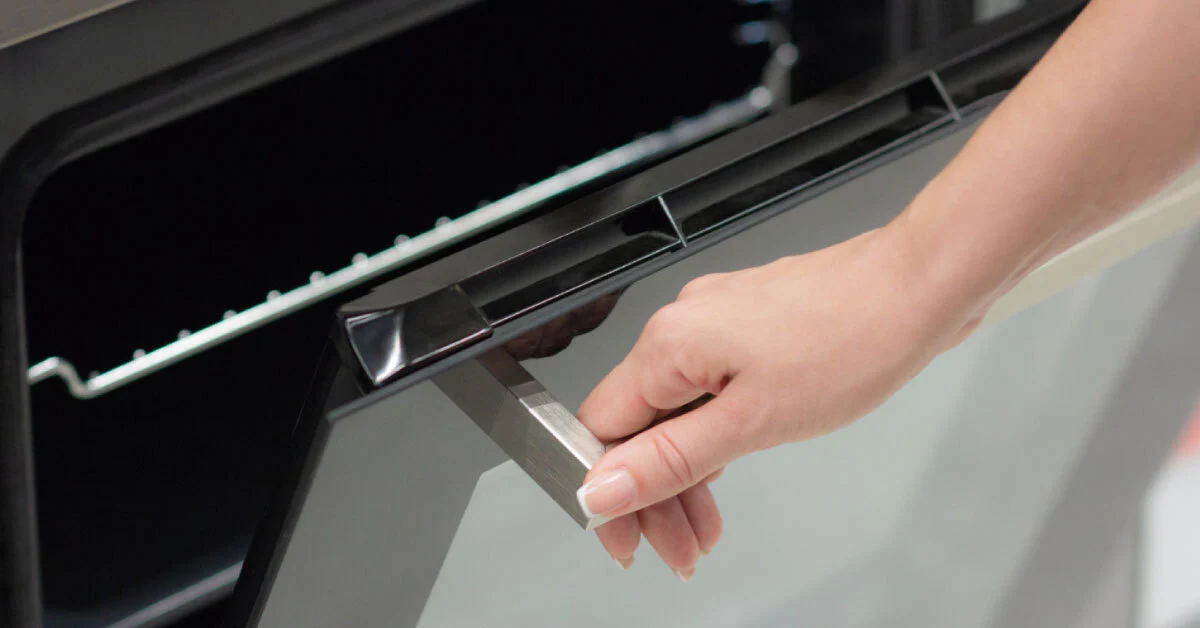
Close the oven door slowly. Watch if it sits evenly against the oven frame. An uneven door does not seal properly. Check if the door is crooked or does not line up with the oven body. Adjust the door by tightening hinges or moving it slightly. Proper alignment ensures the door closes tightly and stops heat loss.
Credit: allstateappliancerepair.com
Fixing Loose Hinges
Loose hinges cause the oven door to not close tightly. Heat escapes, making your oven less efficient. Fixing loose hinges can stop this problem. It helps keep the heat inside the oven. This saves energy and cooks food better.
Tightening Screws
Start by checking the screws on the hinges. Loose screws can make the door sag. Use a screwdriver to tighten each screw firmly. Do not overtighten, or you may strip the screw head. Tight screws hold the door in place well. Test the door after tightening. It should close tightly without gaps.
Replacing Broken Hinges
Broken hinges need replacement to fix the door. Look for cracks or bends on the hinge. Remove the old hinges by unscrewing them carefully. Buy new hinges that match your oven model. Attach the new hinges with screws tightly fixed. Check the door alignment after installation. The door should shut firmly with no heat escaping.
Replacing Or Repairing Door Seal
The oven door seal plays a key role in keeping heat inside. A worn or damaged seal lets heat escape. This makes your oven less efficient and can raise cooking times. Fixing or replacing the door seal helps keep the heat in. It also improves energy use and cooking results.
Repairing the seal is a simple task. You only need a few tools and a new seal if needed. Follow the right steps to remove the old seal and install the new one. This will help your oven door close tightly again.
Removing Old Seal
First, open the oven door fully. Look for the seal around the door frame. Gently pull the seal away from the groove or clips holding it. Use a flat tool to loosen stuck areas. Remove the entire old seal carefully. Clean the groove to remove dirt and grease. This ensures the new seal fits well.
Installing New Seal
Take the new seal and line it up with the groove. Start at one corner and press the seal firmly into place. Work your way around the door frame. Make sure the seal sits evenly with no gaps. Close the door and check the fit. Adjust the seal if needed to ensure a tight close. Your oven will now hold heat better.
Adjusting The Door Latch
Adjusting the door latch is a key step to stop heat from escaping your oven. A loose or misaligned latch can prevent the door from closing tightly. Fixing this can improve oven efficiency and cooking results.
Locating The Latch Mechanism
First, find the latch on your oven door. It is usually near the edge or inside the door frame. Open the door fully and look along the sides. The latch may look like a small hook or metal piece.
Check the oven manual if you cannot spot it. Knowing the latch location helps you inspect it closely. This step is necessary before making any adjustments.
Realigning Or Replacing Latch
Examine the latch for damage or looseness. If it is bent or worn, realign it carefully. Use a screwdriver to tighten any loose screws. Gently bend the latch back into place if needed.
Replace the latch if it looks broken or too worn out. You can buy a new latch from appliance stores or online. Installing a new latch ensures the door closes firmly and seals heat inside.
Preventing Future Heat Loss
Preventing heat loss from your oven door keeps your kitchen safe and your food cooking evenly. A tight door saves energy and cuts cooking time. Taking steps now helps avoid costly repairs later. Simple habits protect your oven and keep it working well.
Regular Maintenance Tips
Check the oven door seal often for cracks or breaks. Clean the gasket with warm, soapy water to remove grease and dirt. Wipe it dry before closing the door. Replace the seal if it looks worn out or damaged. Test the door latch to make sure it closes firmly. Tighten loose screws on the hinges to keep the door aligned. Regular checks keep small problems from growing.
Avoiding Door Damage
Open and close the oven door gently. Avoid slamming it shut or leaning on it. Don’t hang heavy items on the handle. Keep children from pushing or pulling the door roughly. Avoid using sharp tools near the seal to prevent cuts. Protect the door glass by not placing heavy pots against it. Careful use extends the life of the oven door.
Credit: www.appliancepartspros.com
Frequently Asked Questions
Why Is My Oven Door Not Closing Tightly?
Your oven door may not close tightly due to a worn-out seal, damaged hinges, or misalignment. Inspect the gasket for cracks or debris. Check hinges for bends or looseness. Realigning or replacing these parts often fixes the issue and prevents heat from escaping.
How To Fix An Oven Door That Won’t Seal?
To fix a sealing problem, clean the door gasket thoroughly. Replace the gasket if it’s cracked or brittle. Tighten or adjust the door hinges. Sometimes, simple realignment or gasket replacement restores a tight seal and improves oven efficiency.
Can Heat Escape Damage My Oven?
Yes, heat escaping through a loose door can cause uneven cooking and waste energy. It may also lead to higher utility bills and damage oven components. Ensuring a tight door seal helps maintain temperature and protects your oven’s longevity.
How Do I Check Oven Door Hinges?
Open the oven door and inspect hinges for cracks or wear. Close the door slowly to see if it aligns properly. Loose screws or bent hinges can cause gaps. Tightening or replacing hinges usually resolves closing issues.
Conclusion
Fixing an oven door that does not close tightly helps keep heat inside. This saves energy and cooks food better. Check the door seal, hinges, and latch for problems. Clean or replace parts if needed. Tightening loose screws can also help.
Regular maintenance keeps your oven working well. A well-closed door means safer cooking and less heat loss. Take small steps to fix the issue quickly. Your oven will stay efficient and last longer. Simple fixes make a big difference in kitchen comfort.