How to Fix Loose Door Hinge Causing Door to Sag Slightly

Is your door sagging and rubbing against the frame? A loose door hinge could be the simple culprit behind that annoying problem.
If you’ve noticed your door isn’t closing smoothly or it swings open on its own, you’re not alone—and fixing it might be easier than you think. You’ll learn clear, step-by-step tips to tighten that loose hinge and get your door working perfectly again.
Keep reading, and say goodbye to that sagging door once and for all!
:max_bytes(150000):strip_icc()/SPR-how-to-fix-a-sagging-door-5088273-step3-653534f858f042c0827ed51d05335a80.jpg)
Credit: www.thespruce.com
Identify The Problem
Fixing a door that sags starts with finding the exact problem. A door can sag for many reasons. Knowing the cause helps you fix it faster and better. This section explains how to identify the problem step by step. Check the screws, look at the hinge itself, and measure how much the door sags. These checks make the repair easier and more effective.
Check For Loose Screws
Loose screws often cause the door to sag. Use a screwdriver to test each screw on the hinge. Turn screws gently to see if they move. Tighten any loose screws carefully. Be sure not to strip the holes by over-tightening. If screws spin without tightening, the hole may be damaged. That needs a different fix.
Inspect The Hinge Condition
Look closely at the hinge for signs of wear or damage. Rust, cracks, or bent parts weaken the hinge. A damaged hinge cannot hold the door properly. Check if the hinge pins move too freely or are stuck. Replace any broken or worn hinges to keep the door stable.
Assess Door Sagging Degree
Observe how much the door sags when closed. Use a ruler or tape to measure the gap between the door and frame. Look for uneven spaces at the top and bottom of the door. Small sags might only need tightening screws. Large gaps could mean the hinge or frame is damaged. This measure guides the repair steps.
:max_bytes(150000):strip_icc()/SPR-how-to-fix-a-sagging-door-5088273-hero2-2ae7c6f7632c4e3e9491a9a48f9bc8fd.jpg)
Credit: www.thespruce.com
Gather Necessary Tools
Gathering the right tools is the first step to fix a loose door hinge. Having everything ready makes the job easier and faster. You do not want to stop in the middle to find a tool. Below are the basic tools you need for this repair.
Screwdrivers And Screws
Screwdrivers are essential for tightening or replacing screws. Use a screwdriver that fits your screws well. This prevents stripping the screw heads. Also, keep extra screws handy in case some are damaged or lost.
Wood Filler Or Toothpicks
Wood filler or toothpicks help fill holes where screws no longer hold. Toothpicks are a cheap and simple option. Insert them with glue into the hole, then screw again. Wood filler works well for bigger holes or cracks.
Drill And Drill Bits
A drill speeds up making new screw holes. Use the right drill bit size for your screws. Drilling pilot holes prevents wood from splitting. This tool is useful if old holes are stripped or too big.
Level And Hammer
A level checks if the door hangs straight after fixing. A crooked door will not close properly. Use a hammer to gently tap hinge pins or nails if needed. These tools help ensure the door fits well and works smoothly.
Tighten Loose Screws
Tightening loose screws is a simple and effective way to fix a door that sags slightly. Loose screws cause the door hinge to shift, making the door hang unevenly. Tight screws hold the hinge firmly in place and stop the door from sagging.
Remove Old Screws
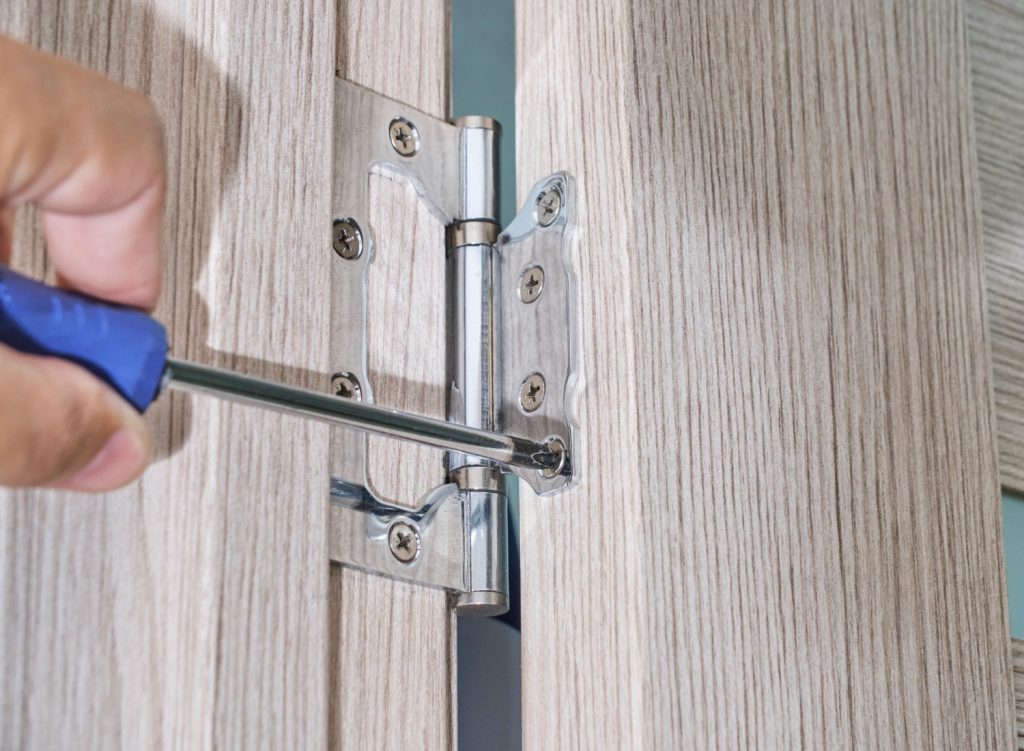
Start by opening the door fully. Use a screwdriver to remove the screws from the hinge. Take out all screws carefully to avoid damaging the wood. Check the screws for any signs of wear or damage.
Replace With Longer Screws
Longer screws provide better grip and support for the hinge. Choose screws that are about one inch longer than the old ones. Make sure the new screws fit the hinge holes perfectly. Longer screws reach deeper into the door frame for stronger hold.
Secure Screws Firmly
Place the hinge back in position. Insert the longer screws into the holes. Tighten each screw firmly using a screwdriver. Avoid over-tightening to prevent stripping the screw holes. Check the door movement to ensure it no longer sags.
Fix Stripped Screw Holes
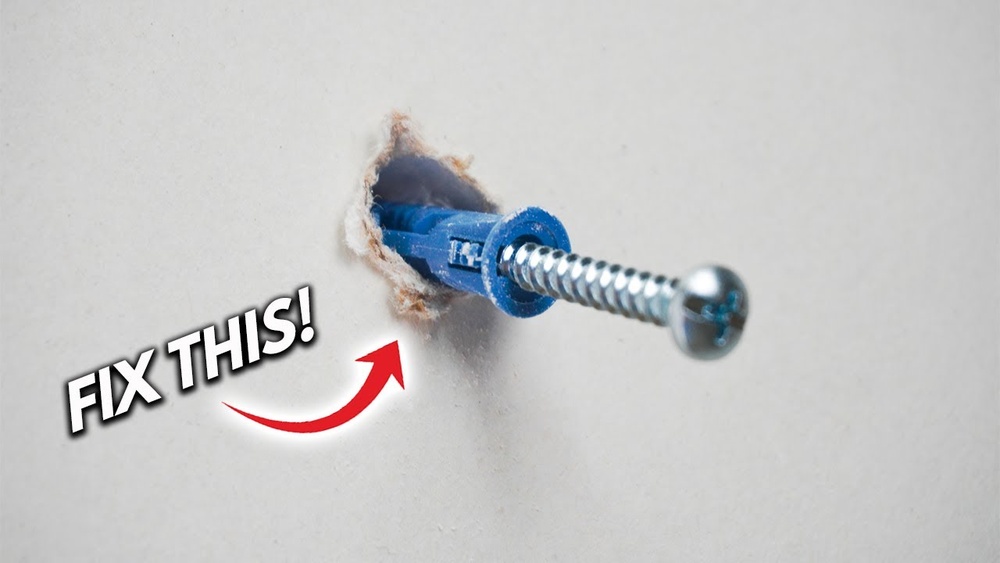
Fixing stripped screw holes is key to stopping a door from sagging. Loose screws can’t hold the hinge tight. This makes the door droop or misalign. Repairing the holes gives the screws a strong grip again. The process is simple and needs just a few tools.
Fill Holes With Wood Filler
Start by cleaning the stripped holes. Remove old glue or debris inside. Use a wood filler to fill the holes fully. Push it in with a small tool or stick. Make sure the filler reaches deep inside the hole. This creates a solid base for the screws.
Use Toothpicks For Extra Grip
For extra strength, add toothpicks into the hole before filling. Break them into small pieces that fit inside. The toothpicks fill empty space and support the filler. They help the screws bite better into the hole. This method works well for very loose holes.
Let Filler Dry Completely
Allow the wood filler to dry fully before screwing. Drying time depends on the product used. Usually, it takes a few hours. Check the instructions on the filler package. A fully dried filler holds screws firmly in place. This step is important for a lasting fix.
Adjust The Door Position
Adjusting the door position can fix a door that sags slightly. Small changes make a big difference. This step helps the door sit correctly in the frame. It stops the door from rubbing or sticking.
Follow these simple actions to adjust the door and make it work smoothly again.
Loosen Hinges Slightly
Start by loosening the hinge screws just a little. Use a screwdriver to turn each screw counterclockwise. Do not remove them fully. Loosen enough so the door can move. This lets you adjust the door position easily.
Align Door Properly
Move the door up or down to align it with the frame. Check the gap between the door and frame. It should be even on all sides. Adjust the door until it fits well and swings without dragging. Ask someone to hold the door while you adjust.
Retighten Hinges
Once the door is aligned, tighten the hinge screws again. Turn each screw clockwise until firm. Make sure the door does not move out of place. Test the door by opening and closing it slowly. The door should no longer sag or stick.
Replace Damaged Hinges
Replacing damaged door hinges is a key step to fix a sagging door. Worn or broken hinges cause the door to hang unevenly. New hinges restore proper alignment and smooth operation.
This task does not need special tools or skills. Basic tools and some patience help you fix the door quickly. Follow clear steps to remove old hinges and install new ones.
Remove Old Hinges
Start by opening the door fully. Use a screwdriver to remove the screws from the hinge plate on the door frame. Support the door to stop it from falling. Then, unscrew the hinge from the door edge. Take out both hinge parts carefully.
Choose Suitable Replacement
Match the new hinges to the old ones in size and type. Check the hinge pin style and finish. The replacement should hold the door weight properly. Buy sturdy hinges made of quality metal for longer life.
Install New Hinges Correctly
Place the new hinge on the door edge first. Align the screw holes and fasten screws firmly. Attach the other part of the hinge to the door frame. Test the door swing to ensure smooth movement. Tighten any loose screws to secure the hinges well.
Prevent Future Sagging
Preventing door sagging after fixing a loose hinge helps keep doors working well. Small actions can stop problems from coming back. Regular care and smart choices keep doors strong and aligned.
Regular Maintenance Tips
Check hinges every few months. Tighten any loose screws you find. Clean hinges to stop dirt buildup. Use a little oil to keep hinges moving smoothly. These steps prevent wear and tear.
Use Reinforced Screws
Replace short screws with longer, stronger ones. Longer screws hold the door frame better. Choose screws made for heavy loads. This reduces stress on the hinge and door frame.
Check Door Alignment Periodically
Look at the door’s fit in the frame. Make sure it opens and closes without rubbing. Adjust hinges if the door starts to sag again. Early fixes save time and money later.
Credit: www.woodsmith.com
Frequently Asked Questions
How Do I Know If A Door Hinge Is Loose?
A loose door hinge causes the door to sag or misalign. Check for visible gaps or movement when you wiggle the door near the hinge. Listen for creaking sounds when opening or closing. These signs confirm the hinge is loose and needs fixing.
What Tools Are Needed To Fix A Loose Door Hinge?
You need a screwdriver, wood filler or matchsticks, wood glue, and possibly longer screws. A drill can help if screw holes are stripped. These tools allow you to tighten or reinforce the hinge securely and restore door alignment.
Can I Fix A Sagging Door Without Replacing The Hinge?
Yes, you can fix a sagging door by tightening screws or filling stripped holes. Reinforcing the hinge with longer screws or wood filler often solves the issue. Full hinge replacement is only necessary if the hinge is bent or damaged.
How Long Does It Take To Fix A Loose Door Hinge?
Fixing a loose door hinge usually takes 15 to 30 minutes. Time varies based on damage severity and tools available. Most repairs involve tightening screws or filling holes, which are quick and easy for DIY enthusiasts.
Conclusion
Fixing a loose door hinge is easier than it seems. Tighten screws or replace old ones to stop sagging. Check the hinge pins and clean them if needed. A steady door improves safety and saves energy. Regular care prevents future problems and keeps doors working well.
Small repairs today avoid big costs tomorrow. Take a little time to fix your door right. Your home feels better with doors that fit perfectly.