Why is My Fridge Leaking Water Inside Bottom Shelf

Is your fridge leaking water inside the bottom shelf? It’s frustrating, messy, and can even spoil your food.
You might be wondering why this is happening and how to fix it quickly before things get worse. Understanding the cause behind that annoying water drip can save you time, money, and stress. Keep reading to discover the most common reasons for this problem and simple steps you can take to stop the leak for good.
Don’t let a small leak turn into a big headache—your fridge deserves the care it needs.

Credit: diy.stackexchange.com
Common Causes Of Water Leakage
Water leaking inside the bottom shelf of your fridge is a common problem. It can cause a mess and even damage your food. Understanding the common causes helps you fix the issue quickly. Most leaks come from simple, fixable problems inside the fridge.
Clogged Defrost Drain
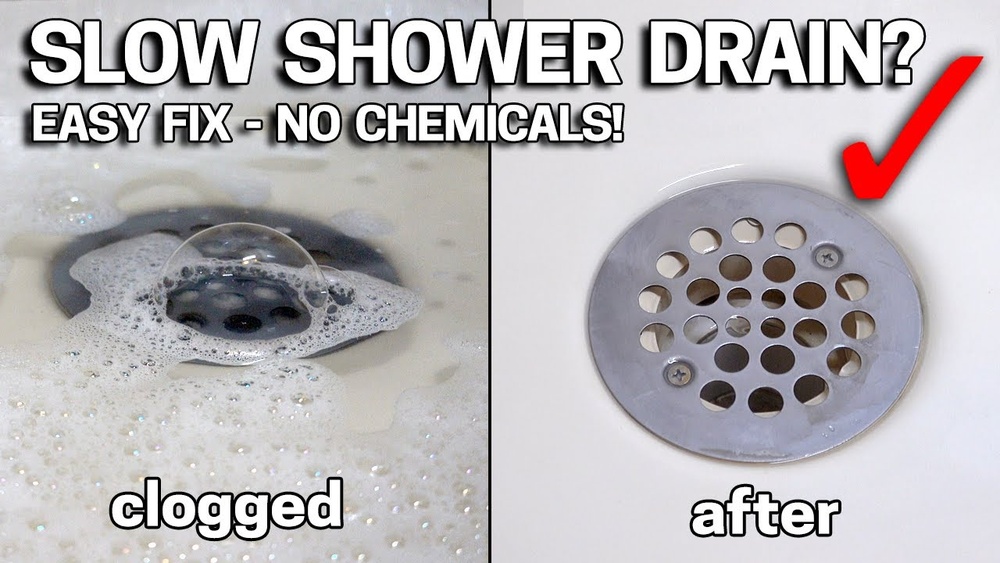
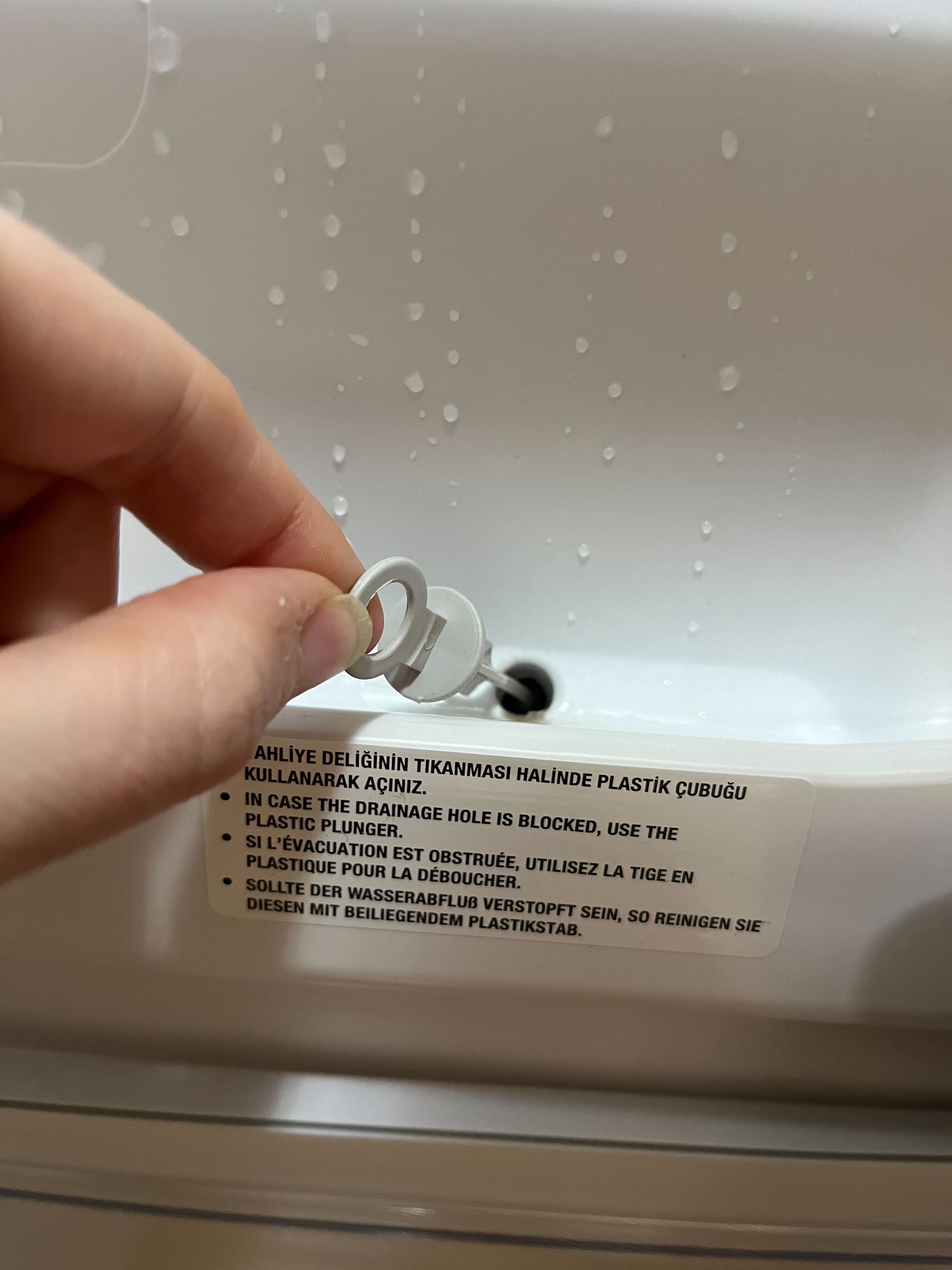
The defrost drain removes water made during the fridge’s defrost cycle. If it clogs, water pools inside the fridge. Dirt, food, and ice block the drain. This causes water to drip onto the bottom shelf. Cleaning the drain can stop the leak.
Damaged Door Seal
The door seal keeps cold air inside and moisture out. A broken or worn seal lets warm air in. This causes condensation and water buildup inside. Check the seal for cracks or gaps. Replacing a bad seal can prevent water leaks.
Blocked Drain Pan
Water from the defrost drain collects in the drain pan underneath the fridge. If the pan is full or dirty, water can spill inside. Clean the drain pan regularly to avoid overflow. Make sure it is properly positioned to catch water.
Improper Fridge Leveling
A fridge must sit level to drain water correctly. If it tilts forward or backward, water pools inside. Use a level tool to check your fridge. Adjust the feet or base to keep it even. Proper leveling helps water flow to the drain.
Credit: www.reddit.com
How The Defrost System Affects Water Buildup
The defrost system in your fridge plays a key role in managing water inside. It prevents ice build-up on the freezer coils. During defrost cycles, the ice melts and water flows down a drain. This water should exit through a drain hole at the fridge’s back. When this system works well, water stays controlled and your fridge stays dry.
Problems in the defrost system can cause water to pool inside the fridge. Water may collect on the bottom shelf or drip down inside the fridge. Understanding how the defrost system affects water buildup helps find the cause fast. Two main parts to check are the defrost drain and its signs of trouble.
Role Of Defrost Drain
The defrost drain carries melted water away from freezer coils. It leads the water to a pan beneath the fridge. This pan evaporates the water safely. If the drain clogs with food or ice, water can’t flow out. It backs up and leaks inside the fridge. A clear drain keeps water flowing and stops leaks.
Signs Of Defrost Drain Issues
Water pooling inside or under the fridge suggests a drain issue. Ice build-up in the freezer may block the drain. A foul smell can come from trapped water and debris. Slow draining water inside the fridge also shows drain problems. Check the drain for blockages to fix leaks and odors.
Impact Of Door Seal Problems
Door seal problems often cause water to leak inside the fridge’s bottom shelf. The seal keeps cold air inside and warm air outside. If the seal is damaged or dirty, warm air enters the fridge. This warm air meets cold surfaces and causes condensation. Condensation turns into water droplets that drip and pool on the bottom shelf. Understanding door seal issues helps prevent leaks and keep your fridge dry.
Air Leakage And Condensation
Damaged door seals allow warm air to leak inside the fridge. This warm air cools down quickly and creates moisture. The moisture forms water droplets on shelves and walls. The bottom shelf is often the first place water collects. Air leakage also forces the fridge to work harder. This increases energy use and can shorten the fridge’s lifespan.
Checking And Replacing Seals
Check the door seal for cracks, tears, or dirt. Clean seals with warm, soapy water and a soft cloth. Make sure the seal fits tightly when the door closes. Test by closing the door on a piece of paper. If the paper slips out easily, the seal may need replacing. Replace old or damaged seals with new ones made for your fridge model. Proper seals stop air leaks and prevent water leaks inside.
Drain Pan Maintenance Tips
The drain pan is a small but important part of your fridge. It collects water that melts from the freezer or fridge. If the drain pan gets dirty or clogged, water can leak inside the fridge, often on the bottom shelf. Regular maintenance of the drain pan helps keep your fridge dry and working well.
Locating The Drain Pan
Find the drain pan by looking under the fridge. Most fridges have a small tray at the bottom. You may need to pull the fridge away from the wall. The drain pan usually sits near the compressor or motor. It catches water that drips down from inside the fridge.
Cleaning Procedures
Start by unplugging your fridge for safety. Remove the drain pan carefully to avoid spills. Empty any water inside the pan into a sink. Clean the pan with warm, soapy water. Use a soft cloth or sponge to remove dirt and mold. Rinse the pan well and dry it completely. Put the drain pan back in place. Plug your fridge back in and check for leaks.
Importance Of Proper Fridge Positioning
Proper fridge positioning plays a big role in keeping your appliance working well. A fridge that is not placed right can cause water to leak inside. This happens because the water drainage system depends on the fridge being level. Water collects and drips where it should not if the fridge tilts or leans.
Keeping the fridge steady helps the defrost water flow to the drain pan outside. This stops water from pooling on the bottom shelf. Proper placement also helps the fridge cool evenly and use less energy.
How Leveling Affects Drainage
A fridge must be level for water to drain correctly. If it tilts forward or backward, water pools inside. This water can leak onto the bottom shelf. The drain hole may get blocked or water may flow the wrong way. Leveling the fridge helps water go down the drain pipe as it should.
Adjusting Your Fridge
Check the fridge with a level tool on top. Adjust the feet or wheels to make it flat. Turn the knobs under the fridge to raise or lower each corner. Make small changes and check again until it is even. This simple fix can stop leaks and keep your fridge dry inside.
Credit: www.homesandgardens.com
When To Call A Professional
Knowing when to call a professional can save you time and money. Some fridge issues need expert care to avoid bigger problems. Small leaks might seem easy to fix but persistent or complex problems should get a technician’s attention. Acting early keeps your fridge working well and prevents food spoilage.
Persistent Leaks
If water keeps leaking at the bottom shelf after cleaning, call a professional. Persistent leaks could mean a blocked drain or damaged seal. These issues need special tools and skills to fix right. Ignoring constant leaks can lead to mold or electrical damage inside your fridge.
Complex Repairs
Complex repairs involve parts like the defrost system or water lines. These tasks require knowledge of fridge mechanics and safety precautions. A professional can diagnose hidden problems and replace faulty components safely. Trying to fix complex issues alone can cause more damage or void your warranty.
Preventive Measures To Avoid Future Leaks
Preventive measures help stop water leaks inside the fridge’s bottom shelf. Small habits keep the fridge dry and working well. These steps save time and money on repairs. Simple care prevents most common causes of leaks. Follow easy routines to protect your fridge daily.
Regular Cleaning
Clean the fridge regularly to stop blockages and spills. Wipe shelves and drains with a soft cloth. Remove food crumbs and spills quickly. Clean the drip pan under the fridge often. A clean fridge prevents water build-up and mold. Use mild soap and warm water for cleaning.
Routine Inspections
Check the fridge parts often for damage or dirt. Look at the door seals to ensure they close tightly. Inspect the drain hole and tube for clogs. Watch for frost build-up on the freezer side. Fix small problems early before leaks start. Regular checks keep the fridge running smoothly.
Frequently Asked Questions
Why Is Water Leaking Inside My Fridge Bottom Shelf?
Water leaks inside the bottom shelf due to clogged defrost drain tubes. This blocks melting ice water, causing it to pool. Regularly cleaning the drain hole prevents water buildup and leakage inside the fridge bottom shelf.
Can A Blocked Drain Cause Fridge Water Leakage?
Yes, a blocked drain prevents water from flowing out. This causes water to accumulate inside the fridge, especially at the bottom shelf. Clearing the drain hole with warm water or a pipe cleaner solves this issue.
How To Fix Fridge Leaking Water On Bottom Shelf?
First, unplug the fridge and locate the defrost drain. Clear any debris or ice blocking it. Use warm water to flush the drain tube. Regular maintenance prevents recurring leaks on the bottom shelf.
Does Fridge Door Seal Affect Water Leakage?
A damaged door seal can cause temperature fluctuations, leading to excess condensation. This moisture may drip to the bottom shelf causing water leakage. Inspect and replace faulty door seals to maintain proper fridge performance and avoid leaks.
Conclusion
A leaking fridge can cause many problems in your kitchen. Water on the bottom shelf usually means a blocked drain or a broken seal. Cleaning the drain or checking the door seal can often fix the issue. Regular fridge care helps avoid leaks and keeps food fresh.
Watch for water buildup and act quickly. Small problems turn into big ones if ignored. Taking simple steps saves time and money. Keep your fridge dry and working well for longer.