Why is My Light Bulb Burning Out Quickly in Same Socket

Have you ever replaced a light bulb only to find it burns out again in no time, even though you’re using the same socket? It’s frustrating and confusing, right?
You might wonder if you’re doing something wrong or if the bulb is just faulty. The truth is, there are common reasons why your light bulb keeps burning out quickly—and understanding them can save you time, money, and hassle. Keep reading to discover what’s really going on with your socket and how you can fix the problem for good.
Common Causes Of Rapid Bulb Burnout
Light bulbs burning out quickly in the same socket can be frustrating. Several common issues cause this problem. Understanding these causes helps you fix the issue and save money. Below are the main reasons why bulbs fail fast.
Frequent On And Off Switching
Turning lights on and off often shortens bulb life. Each switch causes a surge in electricity inside the bulb. This stress weakens the filament or electronics. Lights that switch quickly, like in hallways, burn out faster.
High Voltage Fluctuations
Voltage changes above normal levels damage bulbs. High voltage makes the bulb glow too hot. This extra heat breaks the bulb’s parts quickly. Homes with unstable power supply face this problem more often.
Poor Socket Connection
Loose or dirty sockets cause bulbs to burn out fast. Bad connections create sparks and heat. This damages the bulb’s base and filament. Check sockets for corrosion or looseness to prevent quick failure.
Incompatible Bulb Type
Using bulbs not made for the fixture shortens their life. Some sockets need specific bulb types or wattages. Wrong bulbs may get too hot or not fit well. Always match the bulb type to the socket’s requirements.

Credit: www.youtube.com
Effects Of Electrical Issues
Electrical problems can cause light bulbs to burn out fast in the same socket. These issues stress the bulb and shorten its life. Understanding these problems helps protect your bulbs and home.
Voltage Surges And Spikes
Voltage surges happen when electricity flows too fast and too strong. This extra power can damage the bulb’s filament quickly. Surges often come from storms or power grid changes. A bulb exposed to surges will fail sooner than expected.
Wiring Problems
Old or loose wiring can create bad connections. This causes flickering or inconsistent power to the bulb. Poor wiring leads to uneven electrical flow, which harms the bulb. Fixing wiring issues stops bulbs from burning out fast.
Overloaded Circuits
Too many devices on one circuit cause overload. This overload raises heat and electrical stress inside sockets. Bulbs in overloaded circuits face more strain and wear out quickly. Reducing the load helps bulbs last longer and stay safe.
Role Of Socket And Fixture Conditions
The condition of the socket and fixture plays a big role in how long a light bulb lasts. Problems in these areas can cause bulbs to burn out fast. The socket holds the bulb and sends electricity to it. If it is damaged or poor quality, the bulb may not work well. The fixture also affects heat and power flow. Both parts must be in good shape for the bulb to perform well and last longer.
Corroded Or Loose Sockets
Corrosion in sockets can stop electricity from flowing smoothly. Rust or dirt builds up and blocks the connection. Loose sockets cause flickering and unstable power. This makes the bulb work harder and burn out quickly. Check sockets for corrosion or looseness often. Clean or replace them to protect your bulbs and keep light steady.
Heat Build-up In Fixtures
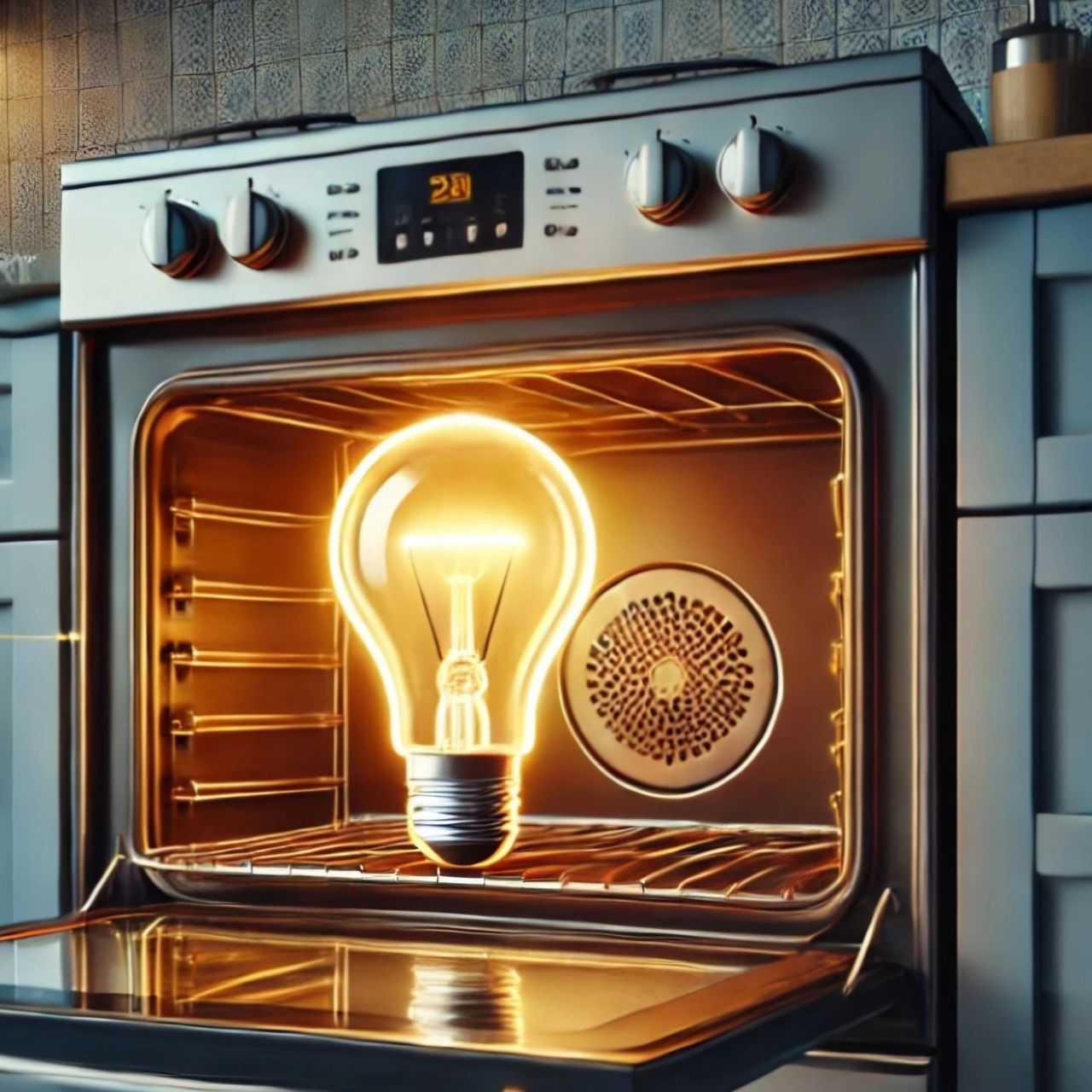
Heat is a major enemy of light bulbs. Fixtures that trap heat raise the bulb’s temperature. High heat shortens bulb life by damaging internal parts. Fixtures with poor ventilation or tight spaces cause heat build-up. Use fixtures designed to allow air flow. This keeps bulbs cooler and extends their lifespan.
Socket Material Quality
Sockets made from low-quality materials wear out fast. Cheap metals may corrode or lose grip on the bulb. Poor material can cause bad electrical contact and heat problems. High-quality sockets use durable metals and good design. These sockets hold bulbs firmly and provide stable power. Invest in good sockets to avoid frequent bulb failures.
Credit: ovendetailing.com
Choosing The Right Bulb
Choosing the right bulb plays a big role in how long your light lasts. Using the wrong bulb can cause it to burn out fast. Understanding which bulb fits your fixture and needs helps avoid frequent replacements. Simple choices can save money and time.
Matching Wattage To Fixture
Every fixture has a maximum wattage limit. Using a bulb with higher wattage than allowed causes heat build-up. Heat weakens the bulb and shortens its life. Always check the fixture’s label for wattage limits. Choose a bulb that matches or is below this number.
Using Led Vs Incandescent Bulbs
LED bulbs use less energy and last longer than incandescent bulbs. They produce less heat, which protects the socket and fixture. Incandescent bulbs burn hotter and often wear out faster. Switching to LED bulbs can reduce quick burnouts and save energy costs.
Bulb Quality And Brand
Not all bulbs are made the same. Cheap or low-quality bulbs tend to fail sooner. Trusted brands invest in better materials and testing. Buying bulbs from reputable brands increases the chance of longer life. Check reviews and choose bulbs known for reliability.
Preventive Measures To Extend Bulb Life
Light bulbs burning out quickly in the same socket can be frustrating. Taking steps to protect your bulbs helps save money and reduces waste. Simple actions can extend the life of your bulbs and keep your lights shining longer.
Stabilizing Electrical Supply
Fluctuations in electricity can harm bulbs. Voltage that is too high or unstable shortens bulb life. Use a voltage regulator to keep power steady. This protects bulbs from sudden surges. Stable electricity means bulbs burn brighter and last longer.
Regular Socket Maintenance
Dirty or loose sockets cause poor connections. Dust and corrosion increase resistance and heat. Clean sockets carefully with a dry cloth. Make sure bulbs fit snugly without forcing. Tight connections stop flickering and prevent early burnout.
Using Surge Protectors
Power surges damage bulbs fast. Surge protectors absorb excess electricity spikes. Plug sensitive lights into surge protectors. This prevents sudden bursts from killing bulbs. Surge protectors offer an extra layer of safety for your lighting.
When To Consult An Electrician
Knowing when to call an electrician can save you from bigger problems. Electrical issues often show clear signs. Acting early protects your home and family.
Persistent Bulb Failures
Bulbs burning out fast in the same socket may signal a deeper issue. Replacing bulbs often does not fix the root cause. An electrician can check wiring and connections. They find problems that cause bulbs to fail repeatedly.
Signs Of Electrical Faults
Look for flickering lights or sparks around the socket. A burning smell or warm socket is dangerous. Buzzing sounds near the fixture need attention. These signs indicate electrical faults needing professional help.
Safety Precautions
Do not ignore unusual behavior in your lighting. Avoid changing bulbs too quickly without checking the socket. Turn off power before inspecting the fixture yourself. Call an electrician to ensure safe repairs and prevent hazards.

Credit: www.ebay.com
Frequently Asked Questions
Why Do Light Bulbs Burn Out Fast In The Same Socket?
Light bulbs may burn out quickly due to voltage fluctuations or a faulty socket. Poor electrical connections increase heat, reducing bulb life. Using incompatible bulbs or excessive wattage also causes early failure.
Can Socket Problems Cause Bulbs To Fail Quickly?
Yes, loose or corroded sockets create poor electrical contact. This causes flickering and overheating, leading to faster bulb burnout. Regular socket inspection and cleaning can extend bulb life.
Does Using The Wrong Wattage Bulb Affect Longevity?
Using bulbs with wattage higher than the socket rating generates excess heat. This damages the bulb filament, causing it to burn out sooner. Always match bulb wattage to socket specifications for safety and durability.
How Do Voltage Fluctuations Impact Bulb Lifespan?
Voltage spikes or drops stress the bulb filament, causing it to weaken and break faster. Consistent voltage supply is key for bulb longevity. Installing voltage stabilizers can help maintain steady power.
Conclusion
Burning out bulbs often signal an electrical or fixture problem. Check the socket for loose connections or corrosion. Overvoltage or using the wrong bulb type can cause quick failures. Heat buildup inside the fixture also shortens bulb life. Fixing these issues helps bulbs last longer and saves money.
Take time to inspect and maintain your lighting. Small steps make a big difference in bulb performance. Keep your home bright without frequent replacements.