How to Fix Bad Smell Coming from Kitchen Sink Drain

Is a bad smell coming from your kitchen sink drain driving you crazy? You’re not alone.
That unpleasant odor can ruin your whole kitchen’s vibe and make cooking or cleaning feel like a chore. The good news is, you don’t need expensive tools or a plumber to fix it. You’ll discover simple, effective ways to eliminate the stink and keep your kitchen smelling fresh.
Keep reading, and say goodbye to that nasty drain smell for good.

Credit: www.youtube.com
Common Causes Of Sink Drain Odors
Bad smells from your kitchen sink drain are common and annoying. Understanding the causes helps fix the problem fast. Several factors can create unpleasant odors. These come from leftover food, clogged pipes, or moisture issues. Knowing these causes can keep your kitchen fresh and clean.
Food Residue Buildup
Food particles often get stuck in the drain. Over time, these bits rot and create bad smells. Grease and oils also stick to the pipes. They trap food and cause odors. Regular cleaning can stop this buildup.
Clogged Drain Pipes
Drain pipes can clog with grease, soap, and food scraps. Water drains slowly and smells start to rise. Blocked pipes hold waste that produces foul odors. Clearing clogs helps air flow and removes smells.
Dry P-trap
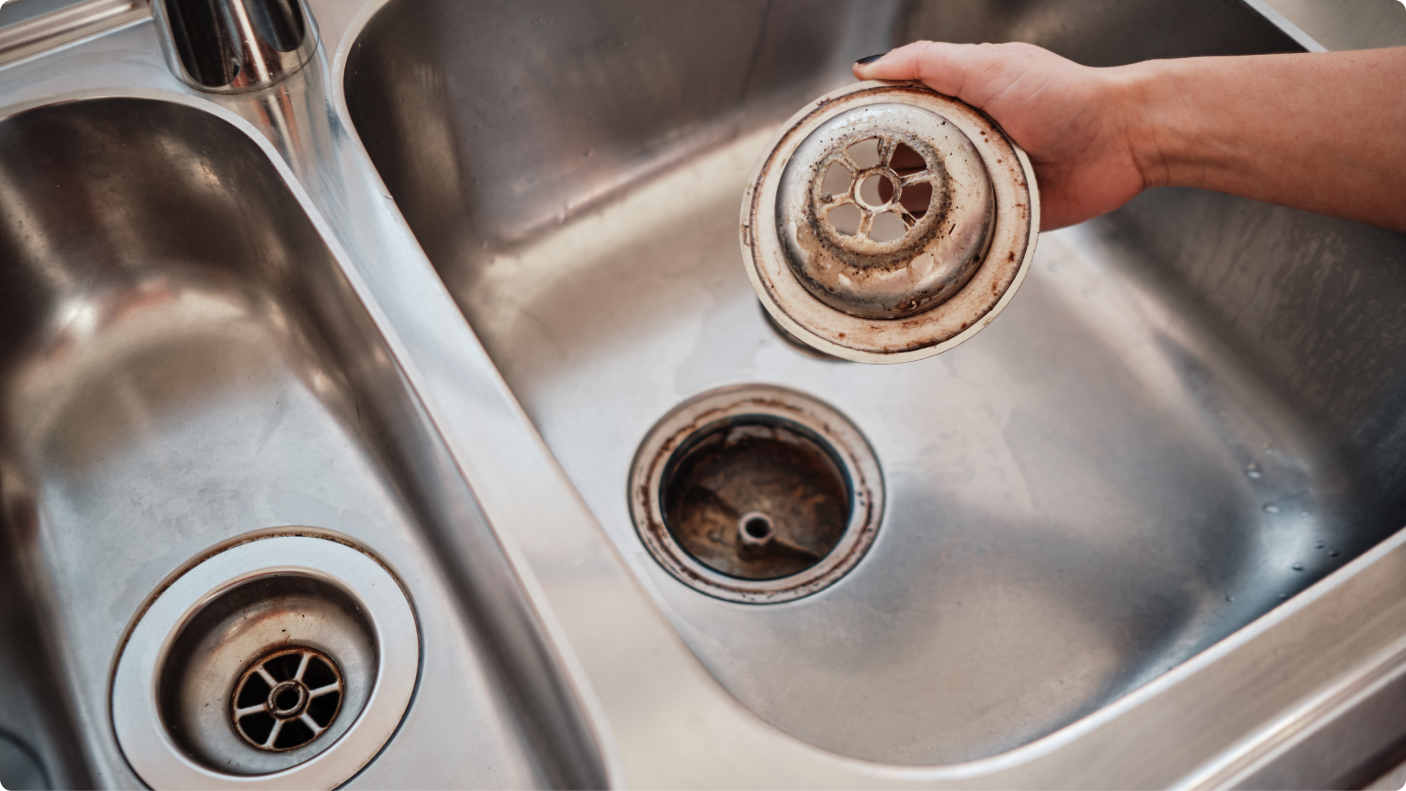
The P-trap holds water to block sewer gases. If it dries out, gases escape into the kitchen. This causes a strong, unpleasant smell. Running water regularly keeps the P-trap full and fresh.
Mold And Mildew Growth
Moist areas near drains invite mold and mildew. These fungi produce musty odors. They grow on wet surfaces and inside pipes. Cleaning and drying the area prevent mold growth.
Bacterial Accumulation
Bacteria thrive on food waste and damp places. They break down material and release bad smells. Bacteria buildup worsens the odor over time. Sanitizing drains kills bacteria and stops smells.
Basic Cleaning Techniques
Bad smells from the kitchen sink drain often come from buildup inside the pipes. Basic cleaning techniques can help remove this buildup. These methods use simple household items and can refresh your drain quickly. Regular cleaning keeps your kitchen smelling fresh and clean.
Boiling Water Flush
Boiling water helps break down grease and food particles. Pour a kettle of boiling water slowly into the drain. Wait a few minutes, then pour another round. This flush loosens grime and clears minor blockages. Do this once a week to stop bad smells.
Baking Soda And Vinegar Treatment
Pour half a cup of baking soda into the drain. Follow with half a cup of white vinegar. The mixture will fizz and bubble, cleaning the pipes. Let it sit for 15-20 minutes to work well. Flush with hot water to wash away residue. This treatment kills odor-causing bacteria.
Using Dish Soap And Hot Water
Dish soap cuts through grease and food scraps. Squirt a generous amount into the drain. Pour a pot of hot water right after. The soap and heat dissolve oils stuck in the pipes. Repeat this process once or twice a week. It keeps your drain clean and odor-free.
Deep Cleaning Methods
Deep cleaning the kitchen sink drain removes tough odors that simple cleaning misses. This process targets hidden buildup and trapped debris inside the drain system. It requires some basic tools and safe cleaning agents. Doing this regularly keeps your kitchen fresh and hygienic.
Removing And Cleaning The P-trap
The P-trap is a curved pipe under your sink. It holds water to block sewer gases. Over time, food and grease collect here, causing bad smells. Turn off the water supply first. Place a bucket under the P-trap to catch any water.
Use a wrench to loosen the slip nuts on both ends. Carefully remove the P-trap. Empty its contents into the bucket. Scrub the inside with a brush and warm, soapy water. Rinse well and reinstall the pipe tightly. Run water to check for leaks.
Scrubbing The Drainpipe
Cleaning the drainpipe removes buildup stuck on the walls. Use a long, flexible brush made for drains. Insert it into the drain opening and scrub thoroughly. Move the brush up and down several times to dislodge grime.
Flush the drain with hot water to wash away loosened debris. Repeat the scrubbing if odors persist. This method clears blockages that cause slow drainage and stinky smells.
Using Enzyme Cleaners
Enzyme cleaners break down organic waste naturally. They are safe for pipes and the environment. Pour the recommended amount into the drain. Let it sit for several hours or overnight.
The enzymes digest grease, food particles, and slime inside the pipes. Flush with hot water after treatment. Regular use prevents odor and keeps drains clean without harsh chemicals.
Credit: www.liquidplumr.com
Preventive Measures
Preventing bad smells from your kitchen sink drain is easier than fixing them later. Small habits keep your drain fresh and clean. Follow simple steps to stop odors before they start. These measures save time and avoid messy problems.
Regular Drain Maintenance
Clean your drain weekly with hot water and mild soap. Use a drain brush to remove stuck debris. Avoid harsh chemicals that can damage pipes. A clean drain stops buildup that causes bad smells.
Proper Disposal Of Food Waste
Never pour grease or food scraps down the drain. Use a compost bin or trash for waste. Grease hardens and clogs pipes, causing odors. Proper disposal keeps your drain clear and fresh.
Keeping The P-trap Filled
The P-trap holds water to block sewer gases. Check it often to make sure it has water. If dry, pour water slowly to refill it. A filled P-trap stops smells from rising up.
Ventilation Tips
Good airflow reduces moisture and odor build-up. Open windows or use exhaust fans near the sink. Keep the area dry and well-ventilated. Proper ventilation helps keep your kitchen smell-free.
When To Call A Professional
Some kitchen sink smells do not go away with regular cleaning. These stubborn odors may signal deeper problems. Knowing when to call a professional helps avoid bigger issues. Professionals have tools and skills to fix tough drain problems safely.
Persistent Odors After Cleaning
Bad smells that stay after cleaning need expert help. You may have hidden buildup or blockages. Professionals can check pipes and traps thoroughly. They use special tools to remove tough clogs and clean areas you cannot reach.
Signs Of Drain Damage
Cracks or leaks in drain pipes cause odor problems. Water damage, mold, or puddles under the sink show drain issues. If you see these signs, call a plumber quickly. Fixing damaged pipes prevents bad smells and bigger repairs later.
Complex Plumbing Issues
Some smells come from complex plumbing problems. These include venting issues or sewer line problems. A professional plumber can diagnose these correctly. They have knowledge to fix these safely and stop odors from returning.

Credit: www.liquidplumr.com
Frequently Asked Questions
What Causes Bad Smell From Kitchen Sink Drain?
Bad smells often come from trapped food debris, grease buildup, or bacterial growth in the drain. Standing water in the P-trap can also cause odors. Regular cleaning and proper disposal of waste prevent these issues and keep your kitchen smelling fresh.
How To Clean Kitchen Sink Drain To Remove Odor?
Use a mixture of baking soda and vinegar to clean the drain. Pour half a cup of baking soda, then half a cup of vinegar. Let it fizz for 15 minutes, then flush with hot water. This method breaks down buildup and eliminates bad smells.
Can Lemon Or Vinegar Help Deodorize Sink Drains?
Yes, lemon and vinegar are natural deodorizing agents. Lemon adds a fresh scent, while vinegar neutralizes odors. Use lemon juice or vinegar after cleaning for a pleasant smell. These natural solutions are safe and effective for regular kitchen drain maintenance.
How Often Should I Clean My Kitchen Sink Drain?
Clean your kitchen sink drain at least once a week. Frequent cleaning prevents grease and food buildup, reducing odors. Regular maintenance ensures smooth drainage and a fresh-smelling kitchen environment.
Conclusion
Bad smells from the kitchen sink drain can be fixed with simple steps. Clean the drain regularly to stop odors. Use natural ingredients like baking soda and vinegar. Keep the drain dry when not in use. Avoid pouring grease or food scraps down the sink.
These habits prevent bad smells and keep your kitchen fresh. A clean drain makes your home more pleasant. Stay consistent, and the smell will not return. Taking care of your sink is easy and worth it.