How to Fix Dishwasher Not Cleaning Top Rack Properly

Is your dishwasher leaving the top rack dishes dirty and spotty? It’s frustrating when you expect clean plates and glasses, but they come out with food residue or streaks.
You’re not alone—many people face this common problem. The good news is, you don’t need to call a repairman or buy a new dishwasher right away. There are simple fixes you can try yourself to get your top rack sparkling clean again.
Keep reading, and you’ll discover easy, effective solutions that can save you time, money, and stress.
Credit: viaappliance.com
Common Causes Of Top Rack Cleaning Issues
Dishwashers sometimes fail to clean the top rack well. Several common issues cause this problem. Understanding these causes helps fix the dishwasher faster. Here are the main reasons why the top rack may not get clean.
Clogged Spray Arms
Spray arms push water to clean dishes. Small holes in the spray arms can get blocked by food or hard water. When spray arms clog, water cannot reach the top rack properly. Cleaning the spray arms often restores good water flow and improves cleaning.
Improper Loading Techniques
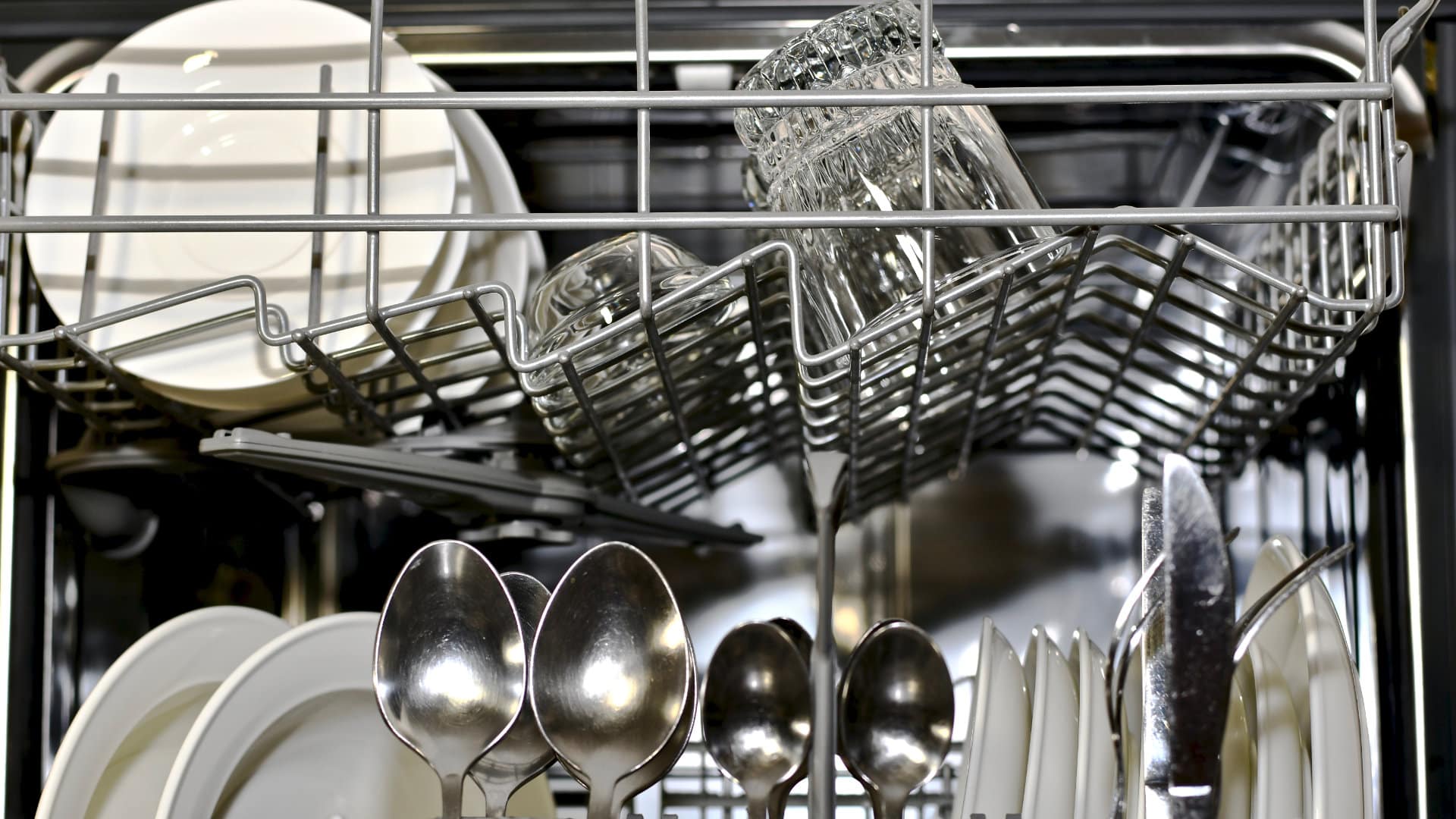
Loading dishes incorrectly blocks water spray. Large items on the top rack can stop water from reaching other dishes. Do not overcrowd the top rack. Place dishes so water sprays freely on every surface.
Blocked Water Inlets
Water enters the dishwasher through inlets. Dirt or debris can block these openings. If water pressure is low, the top rack may not get enough water for cleaning. Check and clean water inlets to ensure good water flow.
Faulty Detergent Dispenser
The detergent dispenser releases soap during the wash cycle. If it does not open or release detergent, dishes stay dirty. A broken or jammed dispenser affects cleaning on all racks, especially the top one. Inspect the dispenser and replace it if needed.
Water Temperature Problems
Water must be hot enough to dissolve detergent and clean dishes. Cold water reduces cleaning power. Check the water heater or dishwasher settings. Use water at least 120°F (49°C) for best results on the top rack.

Credit: www.tampaapplianceparts.com
Inspecting And Cleaning Spray Arms
Spray arms play a key role in cleaning dishes in your dishwasher. They spray water to remove food and dirt. If the top rack is not cleaning well, spray arms might be dirty or blocked. Regular inspection and cleaning of spray arms help improve washing performance.
Checking the spray arms is simple. Start by removing them carefully. Then, clear any blockages inside the holes. After cleaning, put the spray arms back correctly. This process ensures water flows freely and reaches all dishes.
Removing The Top Spray Arm
Locate the spray arm at the top rack of your dishwasher. Most top spray arms either snap off or unscrew. Gently twist or pull the spray arm to remove it. Be careful not to force it. Keep the spray arm on a clean surface for cleaning.
Clearing Blockages
Look inside the spray arm holes for debris or mineral buildup. Use a toothpick or small brush to clear each hole. Rinse the spray arm under running water to wash away loosened dirt. Check that water flows freely through all holes. Repeat cleaning if needed until all blockages are gone.
Reinstalling The Spray Arm
Align the spray arm with its mounting point on the dishwasher. Push or twist it back into place securely. Make sure it spins freely without obstruction. Test the spray arm by spinning it by hand. Proper installation ensures the spray arm works well during cycles.
Optimizing Dishwasher Loading
Optimizing dishwasher loading is key to fixing the top rack not cleaning properly. Proper loading helps water reach every dish. It also prevents food particles from sticking. Organizing the dishwasher well saves time and effort.
Simple changes in how you place dishes can improve cleaning results. Focus on spacing, avoiding blockages, and positioning items correctly.
Spacing Dishes Correctly
Space dishes evenly on the top rack. Avoid crowding plates and cups. Leave gaps for water to flow freely. Tight spaces block spray arms and reduce cleaning power. Proper spacing ensures every dish gets cleaned well.
Avoiding Obstructions
Check for items blocking the spray arms. Large utensils or tall glasses can stop water from reaching dishes. Remove or rearrange items that block water paths. Clear spray arms spin better and clean more efficiently.
Placing Items Facing Downward
Place cups and bowls facing downward. This helps water reach inside and rinse away food. Facing upward traps water and leaves spots. Angling items correctly improves drying and cleaning quality.
Checking Water Supply And Temperature
Checking the water supply and temperature is important for a dishwasher’s top rack cleaning. Water helps wash away food and grease from dishes. If water pressure is low or temperature is not right, cleaning will be poor.
Water must reach the top rack with enough force. The temperature should be hot enough to dissolve detergent and kill germs. Starting the dishwasher with hot water can improve cleaning power. Below are key steps to check and fix these issues.
Ensuring Adequate Water Pressure
Water pressure moves water through the spray arms. Low pressure causes weak sprays and dirty dishes. Check the home’s water supply valve. It should be fully open. Look for kinks or blockages in the water hose.
Clear the dishwasher’s spray arms. Food and mineral buildup can block holes. Use a toothpick or small brush. If pressure stays low, call a plumber. A steady strong flow is needed to clean the top rack well.
Setting The Right Water Temperature
Dishwashers work best with water between 120°F and 140°F. Water below this range won’t clean well. Hot water melts detergent and removes grease better. Check your water heater’s thermostat. Adjust it if the temperature is too low.
Run the dishwasher on a hot cycle. Some models have a “sanitize” or “high temperature” option. Use this setting for better results. Avoid too hot water; it can damage dishes and the machine.
Running Hot Water Before Starting
Running hot water in the sink before starting the dishwasher helps. It ensures hot water fills the dishwasher from the start. Let the faucet run until water feels hot. This prevents cold water from entering first.
Cold water slows down cleaning and detergent action. Starting with hot water improves cleaning on the top rack. This simple step can make a big difference. Try it every time before you run the dishwasher.
Maintaining The Detergent Dispenser
The detergent dispenser plays a big role in cleaning your dishwasher’s top rack. It releases soap at the right time during the wash cycle. A dirty or blocked dispenser stops detergent from reaching dishes properly. This causes poor cleaning results. Regular care of the detergent dispenser helps keep your dishwasher working well. It also ensures your dishes come out clean and spotless.
Cleaning The Dispenser
Open the detergent dispenser door and remove any leftover soap. Use a soft brush or cloth to clean inside the dispenser. Clear any soap buildup or debris that may block the door. Run warm water over the dispenser to wash away residue. Clean the dispenser regularly to prevent clogs and keep it working smoothly.
Using Suitable Detergent
Choose detergent designed for your dishwasher type. Avoid using regular dish soap or powders not made for dishwashers. Use detergent tablets, pods, or liquids that dissolve easily. The right detergent helps the dispenser release soap evenly. It improves cleaning and prevents soap residue on dishes.
Avoiding Overfilling
Fill the detergent dispenser with the correct amount of soap. Too much detergent can cause buildup and block the dispenser door. Too little detergent will not clean dishes well. Follow the detergent packaging or dishwasher manual for the right dose. Proper filling helps the dispenser work as it should.
Credit: www.wecasa.co.uk
Routine Dishwasher Maintenance Tips
Routine dishwasher maintenance helps keep your machine working well. It stops dirt and grime from building up. This keeps the top rack cleaner and your dishes sparkling. Small steps done regularly can prevent many common problems.
Regular Filter Cleaning
The filter catches food bits and debris during washing. Over time, it can clog and block water flow. Remove the filter and rinse it under running water. Use a soft brush to clear stubborn particles. Clean the filter once a week for best results.
Running Cleaning Cycles
Run an empty cleaning cycle to clear soap scum and grease. Use a dishwasher cleaner or vinegar in the detergent cup. This cleans the spray arms and pipes. Do this at least once a month to maintain strong water pressure.
Inspecting Seals And Gaskets
Seals and gaskets keep water inside the dishwasher. Check them for cracks or wear. Damaged seals let water leak and reduce cleaning power. Wipe them with a damp cloth to remove dirt. Replace any broken parts to ensure a tight seal.
When To Call A Professional
Knowing when to call a professional can save time and prevent damage. Some dishwasher problems need expert help to fix safely. Recognizing these signs helps you avoid bigger issues later.
Persistent Cleaning Problems
Sometimes, cleaning problems keep coming back despite your efforts. If the top rack remains dirty after several tries, a professional can check the machine deeply. They find hidden blockages or faults that are hard to spot.
Electrical Or Mechanical Faults
Faulty wiring or broken parts cause dishwashers to fail. These issues can be dangerous to handle alone. A trained technician knows how to repair or replace damaged components safely and correctly.
Warranty And Service Options
Check your dishwasher’s warranty before attempting repairs. Professionals often offer service under warranty terms, saving money. Using authorized service also keeps your warranty valid and protects your appliance.
Frequently Asked Questions
Why Is My Dishwasher Not Cleaning The Top Rack Properly?
The top rack may be blocked by large items or the spray arm might be clogged. Check for obstructions and clean the spray arm regularly to ensure proper water flow.
How Can I Improve Top Rack Cleaning Performance?
Load dishes correctly, avoid overcrowding, and use a quality detergent. Run the dishwasher on a high-temperature or heavy-duty cycle for better cleaning results.
Can A Clogged Spray Arm Affect Top Rack Cleaning?
Yes, clogged spray arms reduce water pressure and coverage. Remove and clean the spray arm holes with a toothpick or brush to restore proper function.
Does Water Temperature Impact Dishwasher Cleaning Efficiency?
Yes, water temperature should be at least 120°F (49°C) for effective cleaning. Hot water helps dissolve detergent and removes food particles more efficiently.
Conclusion
Fixing your dishwasher’s top rack cleaning issue is doable. Check spray arms for clogs or damage. Make sure the rack is loaded correctly. Clean filters and run a cleaning cycle regularly. Use the right detergent and water temperature. These steps help keep dishes spotless every time.
Keep an eye on your dishwasher’s condition to avoid problems. Clean dishes make kitchen tasks easier and faster. Small fixes can save you time and money. Try these tips and enjoy better dishwashing results soon.