How to Fix Low Water Pressure in One Faucet Only

Is your bathroom or kitchen faucet suddenly trickling instead of flowing? Low water pressure in just one faucet can be frustrating and confusing.
You might wonder why only that faucet is affected while the rest of your home has strong water flow. The good news is, this problem often has simple fixes you can try yourself. Keep reading, and you’ll learn easy steps to restore your faucet’s water pressure quickly—no plumber needed.
Don’t let a weak stream slow you down; let’s get your faucet working like new again!
Credit: www.mudanzasbarcelonahbc.com
Common Causes Of Low Faucet Pressure
Low water pressure in one faucet can be frustrating. It affects washing, cooking, and cleaning. Understanding common causes helps fix the problem fast. Most issues are simple and easy to fix.
Clogged Aerator
The aerator is a small screen at the faucet tip. It mixes air with water to reduce splashing. Dirt and mineral deposits can clog it. This blockage lowers water flow and pressure. Cleaning or replacing the aerator often restores pressure quickly.
Faulty Cartridge
The cartridge controls water flow inside the faucet. Over time, it can wear out or get damaged. A faulty cartridge restricts water flow and lowers pressure. Replacing the cartridge usually solves this issue. It is a common cause in single-handle faucets.
Supply Valve Issues
Supply valves control water flow to the faucet. Partially closed or faulty valves reduce pressure. Check if the valve is fully open. Sometimes, valves get stuck or corroded. Fixing or replacing the valve can restore normal flow.
Pipe Blockages
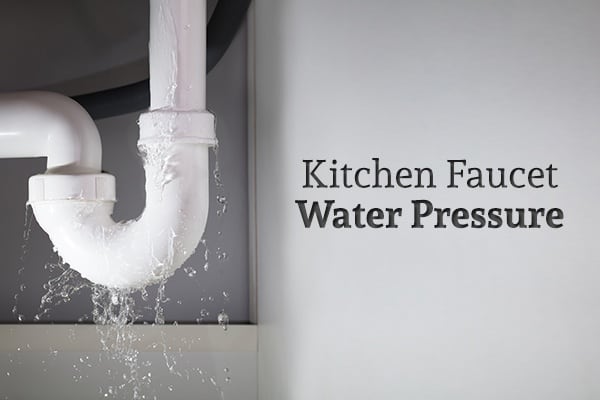
Blockages inside pipes can limit water reaching the faucet. Mineral buildup, rust, or debris cause these blockages. Pipes near the faucet or inside walls can clog. Clearing or replacing blocked pipes often improves water pressure. This issue needs more effort but is common.
Credit: hebplumbing.net
Tools And Materials Needed
Fixing low water pressure in one faucet needs the right tools and materials. Having these ready makes the job faster and easier. You can avoid extra trips to the store and reduce frustration. Here is a list of what you need to gather before starting the repair.
Basic Plumbing Tools
- Adjustable wrench for loosening nuts and bolts
- Screwdrivers, both flathead and Phillips, to remove screws
- Pliers to grip and turn small parts securely
- Pipe wrench for gripping and turning pipes tightly
- Flashlight to see inside dark areas
- Bucket to catch any water spills
Replacement Parts
- New faucet aerator if the old one is clogged or damaged
- Washer or O-ring replacements to fix leaks and improve flow
- Cartridge or valve parts specific to your faucet model
- Pipe tape for sealing threaded connections
Cleaning Supplies
- White vinegar to dissolve mineral buildup inside parts
- Soft brush or old toothbrush to scrub away debris
- Cloth or rag for wiping and drying components
- Bowl or container to soak small parts in cleaning solution
Step-by-step Fix For Low Pressure
Low water pressure in one faucet can be frustrating. It limits water flow and makes daily tasks harder. Fixing this problem often takes only a few steps. Follow this simple guide to restore strong water pressure fast.
Turn Off Water Supply
Start by turning off the water supply to the faucet. Look under the sink for the shut-off valves. Turn them clockwise to close. This stops water flow and keeps you dry during repairs.
Remove And Clean Aerator
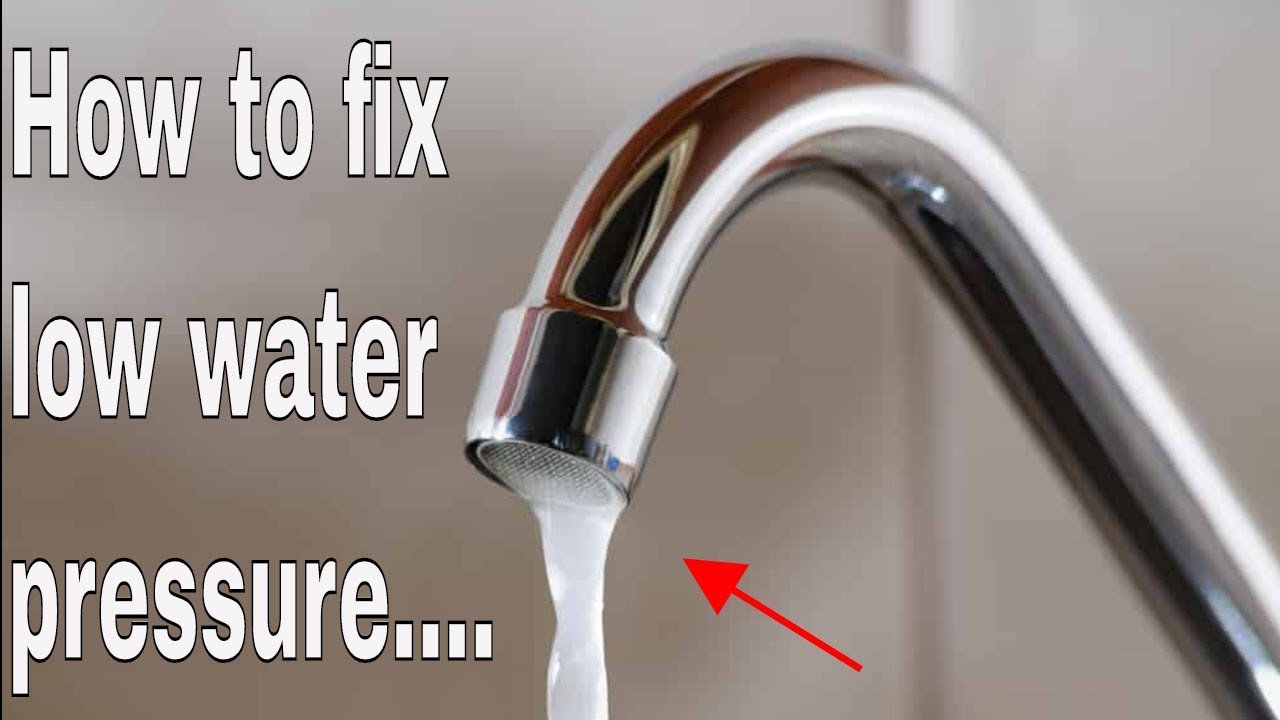
Unscrew the faucet aerator at the tip of the spout. Check for dirt, debris, or mineral buildup. Rinse it under running water and scrub gently with a brush. Replace it back tightly to test the water flow.
Inspect And Replace Cartridge
Take off the faucet handle using a screwdriver. Locate the cartridge inside and check for damage or clogs. Clean it carefully or replace it if broken. This part controls water flow and pressure inside the faucet.
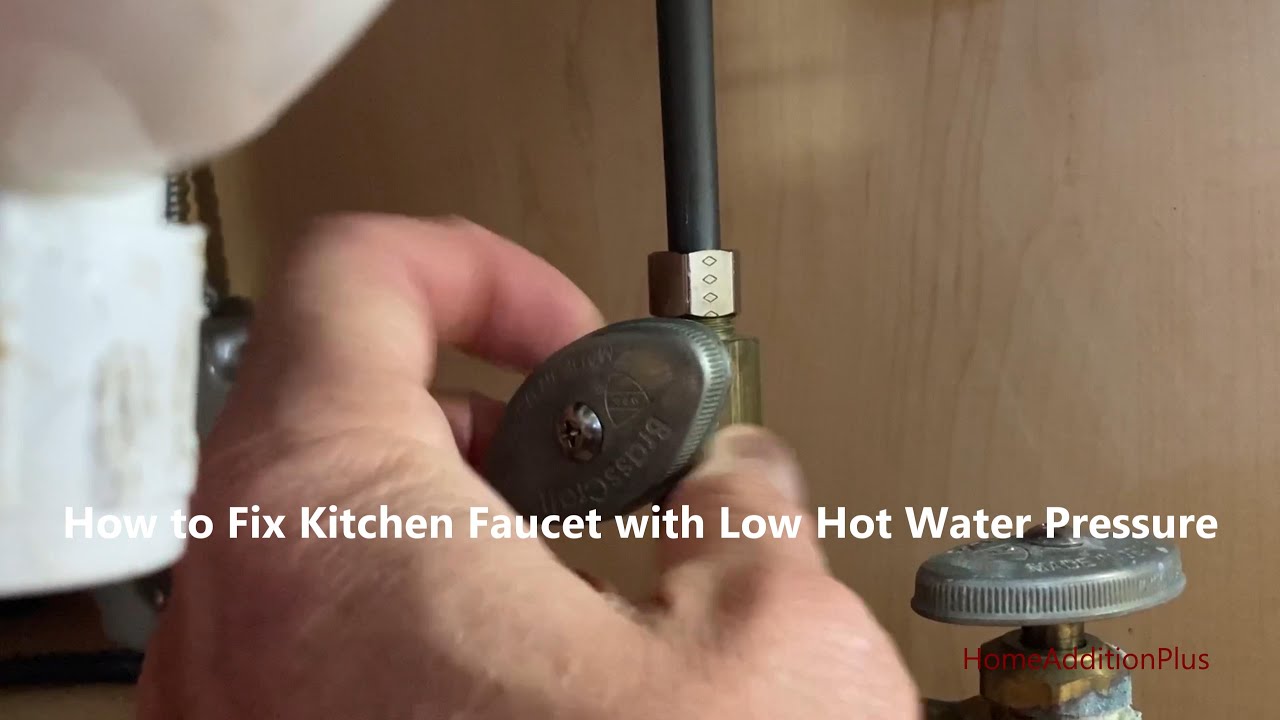
Check And Adjust Supply Valves
Inspect the supply valves under the sink. Make sure they are fully open for maximum water flow. Turn them counterclockwise if partially closed. This step helps improve water pressure quickly.
Flush The Pipes
Remove the aerator again. Turn the water supply back on briefly. Let water flow out to flush dirt from the pipes. Turn water off again and reattach the aerator. This clears blockages causing low pressure.
Credit: www.youtube.com
When To Call A Professional
Fixing low water pressure in one faucet can be simple. Sometimes, the problem needs a professional’s help. Knowing when to call a plumber saves time and avoids damage. Here are signs that show it’s time to get expert help.
Persistent Low Pressure
Low water pressure that lasts after cleaning the faucet is a warning. If simple fixes like cleaning aerators or checking valves fail, call a pro. A plumber can find hidden problems that cause ongoing low pressure.
Complex Plumbing Issues
Problems inside the pipes or valves often need special tools and skills. A plumber can check for pipe clogs, leaks, or corrosion that are hard to see. Complex issues need proper repair to prevent bigger damage.
Safety Concerns
Water and plumbing repairs can be risky without the right knowledge. Handling pipes, valves, or water heaters incorrectly might cause leaks or water damage. Professionals know how to work safely and follow building codes.
Preventive Tips To Maintain Pressure
Maintaining good water pressure in one faucet is easier with regular care. Small steps help avoid pressure problems before they start. These simple habits keep water flow steady and strong.
Regular Aerator Cleaning
The aerator can get clogged with dirt and minerals. Clean it every few months to keep water flowing well. Unscrew the aerator and soak it in vinegar for 30 minutes. Rinse and scrub gently to remove buildup. This simple task helps prevent low pressure in one faucet.
Routine Plumbing Checks
Inspect pipes and connections regularly. Look for leaks, corrosion, or loose fittings. Tighten or replace parts if needed. Small leaks reduce water pressure quickly. Routine checks find problems early and keep water flowing freely.
Water Softening Solutions
Hard water causes mineral buildup inside pipes and fixtures. Use a water softener to reduce minerals like calcium and magnesium. Softer water flows better and protects pipes from clogging. This step helps maintain steady pressure in your faucet.
Frequently Asked Questions
Why Is Water Pressure Low In Only One Faucet?
Low pressure in one faucet often results from clogged aerators, blocked pipes, or faulty valves. It’s usually a localized plumbing issue rather than a whole-house problem.
How Can I Clean A Clogged Faucet Aerator?
Remove the aerator, soak it in vinegar for 30 minutes, then scrub with a brush. This clears mineral buildup and restores water flow.
Can Pipe Blockages Cause Low Faucet Pressure?
Yes, mineral deposits or debris can block pipes, reducing water flow. Flushing or replacing affected pipes often fixes the pressure issue.
Does Faucet Valve Malfunction Affect Water Pressure?
A faulty or partially closed valve restricts water flow to the faucet. Checking and repairing the valve can restore normal pressure quickly.
Conclusion
Fixing low water pressure in one faucet only can be simple. Check the faucet parts for clogs or damage first. Clean or replace aerators and washers if needed. Inspect the supply valve and pipes for blockages. Sometimes, mineral build-up causes low pressure.
Regular maintenance helps keep water flow steady. Small problems often have easy fixes. Don’t ignore signs of low pressure; act quickly. A working faucet saves water and improves daily tasks. Follow these steps to restore good water pressure today.