How to Fix Screen Freezing Randomly

Is your screen freezing at the worst possible moments? It’s frustrating, and you’re not alone.
When your device suddenly stops responding, it can disrupt your work, entertainment, or important tasks. But don’t worry—you can fix this. You’ll discover simple and effective ways to stop your screen from freezing randomly. Keep reading, and you’ll get your device running smoothly again in no time.
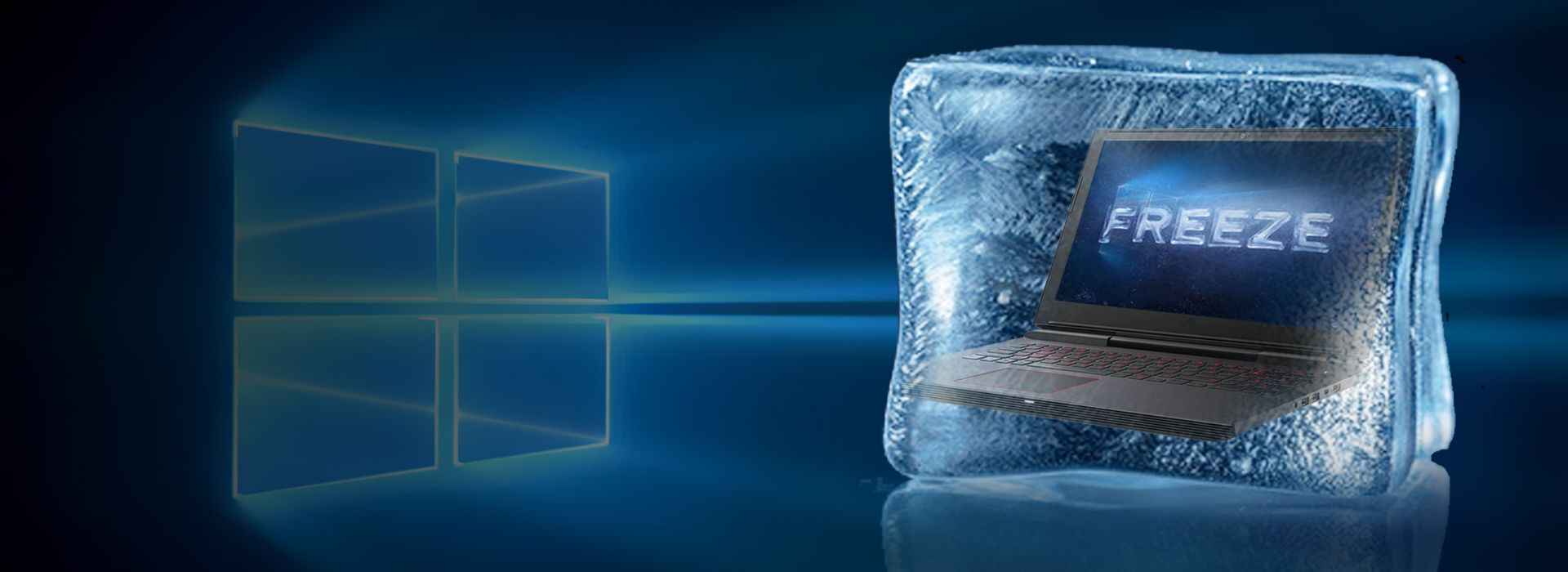
Credit: www.drivereasy.com
Common Causes
Screen freezing can disrupt your work and cause frustration. Understanding common causes helps fix the issue faster. Many times, the problem lies in software or hardware faults. Other factors like overheating and low memory also play a big role. Knowing these causes allows better troubleshooting and quick solutions.
Software Glitches
Software glitches often cause random screen freezing. Bugs in apps or system files slow down the device. Corrupted files or outdated software can stop the screen from responding. Running too many programs at once may overload the system. Regular updates and scans help reduce these glitches.
Hardware Issues
Hardware problems can also freeze your screen suddenly. Faulty graphics cards or damaged RAM cause display errors. Loose cables or worn-out components interrupt normal operation. Physical damage from drops or spills affects device performance. Testing hardware parts often reveals hidden faults.
Overheating
Overheating is a common cause of screen freezing. Devices get hot after long use or blocked vents. High temperatures force the system to slow down or stop. Dust buildup inside can trap heat and worsen the problem. Keeping the device cool prevents freezing and improves speed.
Insufficient Memory
Low memory space can cause the screen to freeze randomly. Running out of RAM stops apps from working smoothly. Too many background processes use up memory quickly. Devices need free memory to handle tasks without lag. Closing unused programs and clearing cache frees up memory.
Basic Troubleshooting
Basic troubleshooting steps fix many screen freezing problems. These steps are easy to try and often work fast. Start simple and check the common causes before trying complex solutions.
Restart Your Device
Restarting your device clears temporary bugs and frees up memory. It stops all running processes and starts fresh. Turn off your device, wait a few seconds, then turn it back on. This step often solves freezing without extra effort.
Close Background Apps
Many apps running in the background can slow down your device. Close apps you do not use. This frees up memory and processing power. Check your app manager or task switcher to close these apps quickly.
Update Software
Software updates fix bugs and improve system stability. Check for updates on your device and install them. These updates can solve freezing caused by old or faulty software. Keep your device current for best performance.
Check For Malware
Malware can cause your screen to freeze randomly. Run a full scan using trusted antivirus software. Remove any detected threats. Keeping your device clean from malware helps it run smoothly and avoids freezing issues.
Advanced Fixes
Advanced fixes can solve screen freezing problems that basic steps miss. These methods target deeper system issues. They help improve your computer’s stability and speed.
Try these techniques to fix random screen freezes for good. They require some patience but work well.
Update Drivers
Outdated drivers cause many screen freezing issues. Drivers control hardware parts like graphics cards and sound devices. Visit your device manufacturer’s website. Download and install the latest drivers. Restart your computer to apply changes.
Run System Diagnostics
System diagnostics check for hardware problems. Use built-in tools like Windows Memory Diagnostic or Apple Diagnostics. These tools scan memory and other components. Follow on-screen instructions to find errors. Fix any issues reported to prevent freezing.
Check Hard Drive Health
A failing hard drive slows down your system. It may also cause freezes. Use tools like CHKDSK on Windows or Disk Utility on Mac. These check disk health and repair errors. Back up important files before running these scans.
Adjust Virtual Memory
Virtual memory acts as extra RAM for your system. Low virtual memory can lead to freezing. Increase virtual memory size through system settings. Set the value higher than the current allocation. This helps your computer manage more tasks smoothly.

Credit: www.youtube.com
Preventive Measures
Preventing screen freezing is easier than fixing it after the fact. Taking some simple steps can keep your computer running smoothly. These actions help avoid slowdowns and crashes before they start.
Regular Maintenance
Clean your computer regularly. Remove dust from vents and fans. Delete unused files and programs. Run disk cleanup and defragment your hard drive. Keep your operating system updated. Updates fix bugs and improve performance.
Manage Startup Programs
Too many programs starting at boot slow down your system. Open the task manager or system settings. Disable unnecessary startup programs. This speeds up boot time and reduces freezing chances. Only keep essential programs enabled.
Keep System Cool
Overheating causes freezing and crashes. Ensure proper airflow around your computer. Use cooling pads for laptops. Avoid placing your device on soft surfaces. Check that internal fans work well. Maintain a cool environment for your computer.
Use Reliable Security Software
Viruses and malware cause system issues. Install trusted antivirus software. Run regular scans to detect threats early. Keep the software updated. Secure your computer from harmful attacks. This prevents slowdowns and freezes.
When To Seek Professional Help
Screen freezing can be frustrating and disrupt your work. Sometimes, simple fixes solve the problem. Other times, professional help is necessary. Knowing when to ask for help saves time and stress.
Persistent Freezing
If your screen freezes often, even after restarting, it signals a deeper issue. Persistent freezing may point to software or hardware problems. Professionals can run detailed tests to find the cause. They have tools to fix issues that are hard to handle alone.
Hardware Replacement
Old or damaged parts can cause freezing. Faulty RAM, hard drives, or graphics cards need replacement. Experts know how to replace hardware safely. Trying it yourself risks more damage. A professional ensures your device works smoothly again.
Data Backup Solutions
Before any repair, backing up your data is vital. Professionals offer reliable backup methods. They protect your files from loss during repairs. This step secures important documents, photos, and apps. Don’t risk losing data by skipping this process.

Credit: www.youtube.com
Frequently Asked Questions
Why Does My Screen Freeze Randomly On Windows?
Random screen freezing often happens due to outdated drivers, insufficient RAM, or software conflicts. Updating drivers and closing background apps usually helps. Running a virus scan and checking for system updates can also resolve freezing issues.
How Can I Prevent My Screen From Freezing Unexpectedly?
To prevent freezing, keep your system updated and avoid running too many programs simultaneously. Regularly scan for malware and clear cache files. Ensuring your hardware meets software requirements also reduces random freezing risks.
What Role Does Overheating Play In Screen Freezing?
Overheating causes hardware to malfunction, leading to screen freezes. Clean your device’s vents and use cooling pads. Monitoring temperatures with software tools helps prevent overheating-related freezes.
Can Outdated Software Cause Screen Freezing Issues?
Yes, outdated software may have bugs that cause freezing. Always install the latest updates and patches. Updated software improves stability and fixes known freezing problems.
Conclusion
Screen freezing can disrupt your work and cause frustration. Try simple fixes like restarting your device or updating software. Check for malware and clear unnecessary files to improve performance. Keep your system drivers updated for smoother operation. Regular maintenance helps prevent random freezes.
Stay patient while troubleshooting step by step. Fixing screen freezing is possible with careful effort. Small actions often lead to big improvements. Keep your device running smoothly every day.