How to Fix Small Fence Leaning Without Replacing Posts

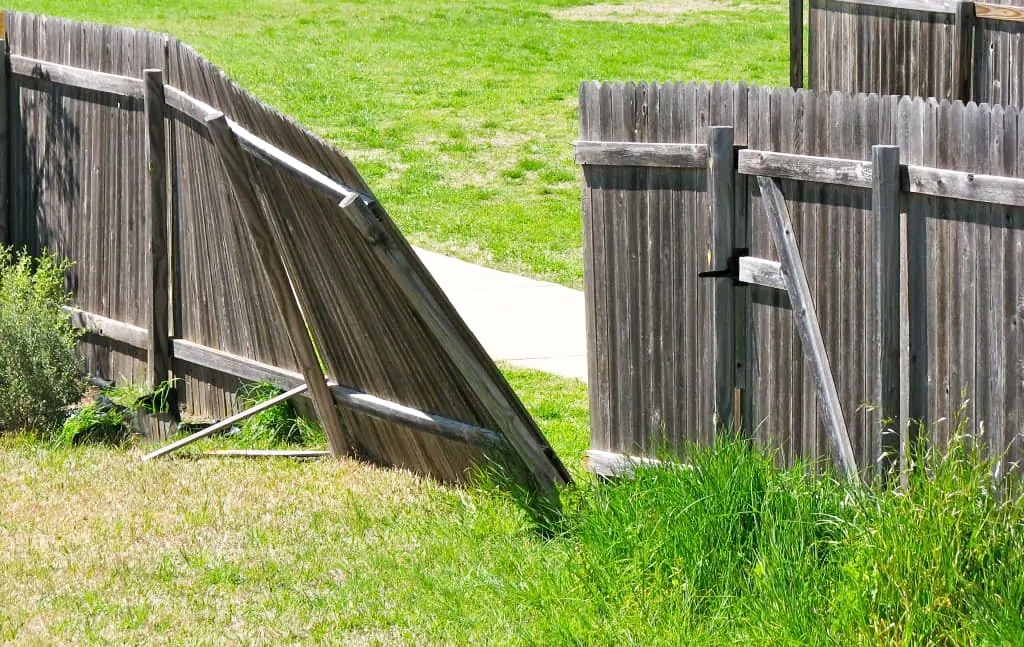
Is your fence starting to lean, but you don’t want the hassle of replacing the posts? You’re not alone, and the good news is that fixing a small fence lean can be simpler than you think.
Imagine saving time, money, and effort by restoring your fence’s strength without a full rebuild. You’ll discover easy, practical steps to straighten your fence and keep it standing strong. Keep reading, and you’ll learn how to bring back your fence’s stability quickly and effectively.

Credit: www.amazon.com
Identify The Leaning Cause
Before fixing a small fence that leans, find out why it leans. Understanding the cause helps to choose the right fix. Many times, the problem is simple and does not need replacing posts. Careful checks save time and money. Let’s explore key steps to identify the leaning cause.
Check Soil Conditions
Soil plays a big role in fence stability. Soft or loose soil cannot hold posts well. Look for wet or sandy soil near the fence. Heavy rain or poor drainage can make soil weak. Hard, compact soil usually supports posts better. Check if the soil has shifted or sunk under the posts.
Inspect Post Stability
Test each post for strength and firmness. Try to move the post by hand. A stable post will not wiggle or move easily. Posts that rock back and forth need attention. Look at how deep the posts are set. Shallow posts often cause leaning. Firm posts usually do not lean unless damaged.
Look For Damage Or Rot
Damage or rot weakens the posts and causes leaning. Check the base of each post for soft spots or cracks. Wood may rot from moisture near the ground. Metal posts can rust or bend. Damaged posts lose their strength and support. Replace or repair posts only if damage is severe.
Prepare The Area
Preparing the area is the first step to fix a small fence that is leaning. It makes the repair easier and safer. Taking time to prepare helps avoid mistakes and speeds up the work.
Clear space around the fence. Gather tools ahead. Follow safety rules. These actions set a strong base for fixing the fence without replacing posts.
Clear Surrounding Debris
Remove leaves, sticks, and dirt near the leaning fence. Clear space helps see the problem clearly. It also prevents tripping or injury. Clean ground makes adjusting the fence easier. Use a rake or broom for fast cleaning. Keep the area tidy for smooth work.
Gather Necessary Tools
Collect tools before starting. Common tools include a shovel, level, hammer, and stakes. You may need a pry bar or post driver. Having tools ready saves time. It avoids stopping work to find them. Check tools for damage. Use only good-quality tools for safety and success.
Safety Precautions
Wear gloves to protect hands from splinters and nails. Use safety glasses to shield eyes from dust or wood chips. Dress in long sleeves and pants to avoid scratches. Keep children and pets away from the work area. Work slowly and carefully to avoid accidents. Safety keeps the repair smooth and injury-free.
Straighten The Fence
Straightening a small leaning fence can restore its look without the need to replace posts. The key is to carefully adjust the existing posts back into place. This process requires patience and simple tools. It also helps keep costs low and avoids major repairs.
Loosen Soil Around Posts
Start by loosening the soil near the leaning posts. Use a shovel or a garden fork to gently break up the dirt. This makes it easier to move the posts without damaging them. Avoid digging too deep to keep the posts stable.
Manually Adjust Post Position
Push or pull the leaning posts slowly to stand them straight. Use your hands or a small lever for more force. Move the posts just enough to align them with the rest of the fence. Take care not to tilt the posts in the opposite direction.
Use Temporary Supports
Once the posts are straight, hold them in place with temporary supports. Use wooden stakes or braces tied to the posts. Leave the supports until the soil settles and hardens around the posts. This keeps the fence stable and upright.
Reinforce The Posts
Reinforcing the posts is a smart way to fix a small fence lean. It strengthens the existing posts without the need to replace them. This method saves time and money. It also makes the fence more stable and long-lasting.
Add Concrete Around Base
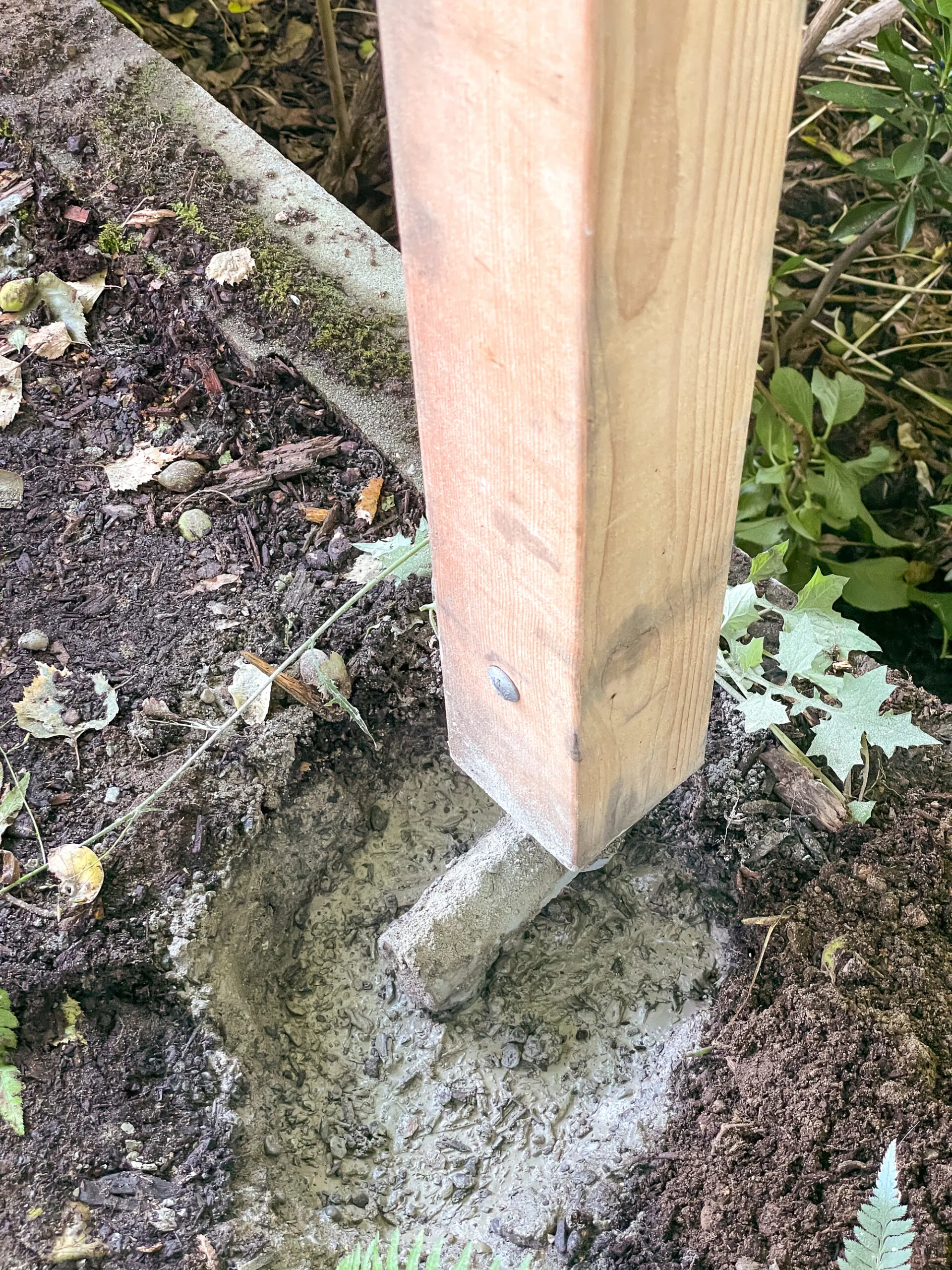
Pour concrete around the base of the leaning post. This will hold the post firmly in place. First, dig a small hole around the post. Make sure the hole is deep enough to cover the base well. Mix the concrete and pour it into the hole. Let it dry completely before checking the fence. Concrete stops the post from moving or leaning again.
Use Gravel For Drainage
Place gravel at the bottom of the hole before adding concrete. Gravel helps water drain away from the post. This prevents water from sitting around the post base. Water can cause wood to rot or metal to rust. Good drainage keeps the post dry and strong. It extends the life of your fence.
Install Bracing Or Stakes
Attach wooden braces or metal stakes to the leaning post. Bracing adds extra support and stops the post from moving. Drive stakes into the ground next to the post. Secure the post to the stakes using screws or nails. Check that the post stands straight after bracing. This method stabilizes the fence quickly and effectively.
Maintain Fence Stability
Maintaining fence stability is key to stopping a small fence from leaning. A steady fence lasts longer and looks better. Simple care steps can keep your fence strong. Focus on the fence posts, soil, and wood treatment. These keep the fence upright without replacing posts.
Small problems grow if ignored. Regular checks and basic fixes prevent big repairs. Keep your fence safe with regular attention.
Regularly Check Post Alignment
Check your fence posts often. Look for any tilt or shift. Use a level tool to see if posts stand straight. Fix slight tilts by pushing posts back carefully. Tighten any loose screws or nails. This stops the fence from leaning more.
Manage Soil Erosion
Soil erosion makes posts loose and fences lean. Watch for soil washing away near posts. Add soil or gravel to fill gaps around posts. Plant grass or ground cover to hold soil. Avoid water pooling near fence lines. Good soil support keeps posts firm and stable.
Treat Posts Against Rot
Rot weakens fence posts and causes leaning. Use wood preservative to protect posts. Apply it yearly or as needed. Check for soft or crumbly wood. Replace only rotten parts if possible. Dry, treated wood stays strong and holds the fence upright.
Credit: www.maunindustries.com
Credit: www.thehandymansdaughter.com
Frequently Asked Questions
How Can I Fix A Leaning Fence Without Replacing Posts?
You can straighten a leaning fence by reinforcing posts with braces or concrete. Tighten loose screws and add support stakes to stabilize the structure.
What Tools Are Needed To Fix A Small Leaning Fence?
Common tools include a shovel, level, hammer, screws, braces, and concrete mix. These help realign posts and secure the fence properly without replacement.
How Long Does It Take To Fix A Leaning Fence Post?
Fixing a leaning fence post typically takes 1 to 3 hours. Time varies depending on the damage and method used for stabilization.
Can Soil Erosion Cause Fence Posts To Lean?
Yes, soil erosion weakens the ground around posts, causing them to lean. Adding gravel or concrete can improve stability and prevent future leaning.
Conclusion
Fixing a small fence lean does not always need new posts. Simple steps like tightening screws or adding support help a lot. Checking the ground and making small repairs keeps the fence steady. These easy fixes save time and money.
Keep your fence safe and neat with regular care. Small efforts make a big difference in fence life. Try these tips to keep your fence standing straight.