How to Fix Small Water Leak under Kitchen Sink Pipe Joint

Is your kitchen sink leaking water under the pipe joint? Even a small drip can cause big problems if left unchecked.
You might think fixing it is complicated, but it’s often easier than you expect. In this guide, you’ll discover simple, step-by-step ways to stop that leak quickly. Imagine saving water, avoiding costly repairs, and keeping your kitchen dry—all without calling a plumber.
Keep reading, and you’ll learn exactly how to take control of the situation and fix the leak yourself.
Identify The Leak Source
Finding the exact spot of a leak under the kitchen sink is the first step to fix it. A small drip can cause big problems over time. Identifying the source saves time and prevents water damage. Focus on the pipe joints, drain pipes, and signs of corrosion or damage. This will help you know where to act next.
Check Pipe Joints
Look closely at the pipe joints under the sink. These are common places for leaks. Wipe the area dry and watch for fresh water drops. Tighten any loose fittings carefully. Do not overtighten as this can cause cracks. Use a flashlight to see in dark corners.
Inspect Drain Pipes
Drain pipes carry used water away. Check them for any cracks or holes. Run water and observe if any moisture appears. Sometimes leaks show only after water flows. Make sure pipe connections are secure. Replace damaged pipes to stop leaks.
Look For Corrosion Or Damage
Corrosion weakens metal pipes and joints. Rust or greenish stains often mean a leak. Touch the area to feel for wetness or softness. Damaged pipes can cause slow leaks over time. Replace corroded parts to keep your sink dry and safe.

Credit: www.buildandplumb.co.uk
Gather Necessary Tools
Gathering the right tools is the first step to fix a small water leak under the kitchen sink pipe joint. Having these tools ready saves time and makes the repair smoother. Each tool plays a key role in stopping the leak quickly and safely.
Wrenches And Pliers
Wrenches and pliers help loosen and tighten pipe joints. An adjustable wrench fits many sizes of nuts and bolts. Slip-joint pliers give a strong grip on pipes and fittings. These tools prevent damage to pipes during repairs.
Replacement Washers And Seals
Leaking often happens because washers or seals are worn out. Replacement washers fit inside pipe joints to stop water from escaping. Seals create a tight barrier between pipe parts. Carry extra washers and seals for a quick fix.
Pipe Tape And Sealant
Pipe tape, also called Teflon tape, wraps around pipe threads to block leaks. It seals small gaps between joints. Pipe sealant is a paste that adds extra protection against leaks. Using tape and sealant together ensures a strong, water-tight joint.
Turn Off Water Supply
Before fixing a small water leak under the kitchen sink pipe joint, turn off the water supply. This step stops water flow and prevents more damage. Working with water off makes the repair easier and cleaner. Follow simple steps to shut off the water safely.
Locate Shutoff Valves
Find the shutoff valves under the kitchen sink. These valves control water flow to the faucet and pipes. Usually, two valves exist—one for hot water and one for cold. Turn both valves clockwise to close them. This stops water from reaching the leak area.
Drain Remaining Water
After closing the valves, open the faucet. Let the water drain out completely. This empties water left in the pipes. Draining prevents spills when you disconnect the pipe joint. Use a small container to catch any drops during this step.
Disassemble The Joint
Disassembling the joint under your kitchen sink is the first step to fix a small water leak. This process lets you check the parts inside for damage or wear. Removing old washers and seals helps stop leaks by allowing you to replace them with new ones. Handle each part with care to avoid breaking anything.
Loosen Nuts Carefully
Start by loosening the nuts that connect the pipes. Use a wrench or pliers but do not force them. Turning the nuts slowly prevents stripping or cracking. If the nuts are tight, apply some lubricant and wait a few minutes. Loosen the nuts just enough to separate the pipes without damaging them.
Remove Old Washers And Seals
Once the nuts are loose, pull apart the joint parts. Look inside for washers and seals. These small parts stop water from leaking. Remove the old washers and seals carefully. They may be worn out or cracked. Clean the area before adding new washers to ensure a tight seal.
Clean And Prepare Surfaces
Cleaning and preparing the surfaces around the kitchen sink pipe joint is the first step to fix a small water leak. A clean surface helps sealants or tape stick better. It also prevents dirt from causing more leaks later. Taking time to clean and check the area ensures a stronger repair.
Remove Debris And Build-up
Start by wiping the pipe joint with a dry cloth. Remove any loose dirt or dust. Use a small brush or old toothbrush to clean hard-to-reach spots. If there is grease or sticky residue, use a little dish soap and warm water. Dry the area completely before moving on.
Check For Surface Damage
Look closely for cracks or corrosion on the pipe and fittings. Small cracks can cause leaks to return quickly. Rust or worn-out areas need special attention. If you find damage, consider replacing the parts. Fixing a clean, solid surface is easier and lasts longer.
Replace Washers And Seals
Replacing washers and seals is a key step to fix a small water leak under your kitchen sink. These parts stop water from escaping at pipe joints. Over time, washers and seals wear out or crack. This causes water to drip or leak. Changing them can stop leaks quickly and save you money on repairs.
Washers and seals are easy to replace. You only need a few tools and some patience. Doing this yourself avoids calling a plumber for small leaks. This section explains how to pick the right washers and seals and install them correctly for a leak-free kitchen sink.
Choose Correct Size
Choosing the right size washers and seals is crucial. Wrong sizes will not fit well and may cause leaks. Take off the old washer and measure its diameter. Use a ruler or tape measure for accuracy.
Bring the old washer to the hardware store. Compare it with new washers to find the exact match. The new washer should fit snugly without stretching or slipping.
Check the thickness of the washer too. Thicker washers seal better in some pipe joints. Ask store staff for help if unsure. Using the correct size ensures a tight seal and stops leaks effectively.
Install New Components Properly
Installing new washers and seals properly is important. First, turn off the water supply. Remove the pipe joint carefully. Clean the joint area to remove dirt or old seal residue.
Place the new washer in the correct position. Make sure it sits flat and covers the joint fully. Insert the new seal if your pipe joint uses one. Tighten the joint by hand, then use a wrench to secure it.
Do not overtighten. Too much force can damage the washer or pipe. Turn on the water slowly and check for leaks. If water still drips, tighten slightly or reposition the washer. Proper installation prevents leaks and extends pipe life.
Apply Pipe Tape Or Sealant
Applying pipe tape or sealant is a simple and effective way to fix small leaks under your kitchen sink. These materials help create a tight seal around pipe joints. This stops water from dripping out and causing damage. Using the right technique ensures a long-lasting repair.
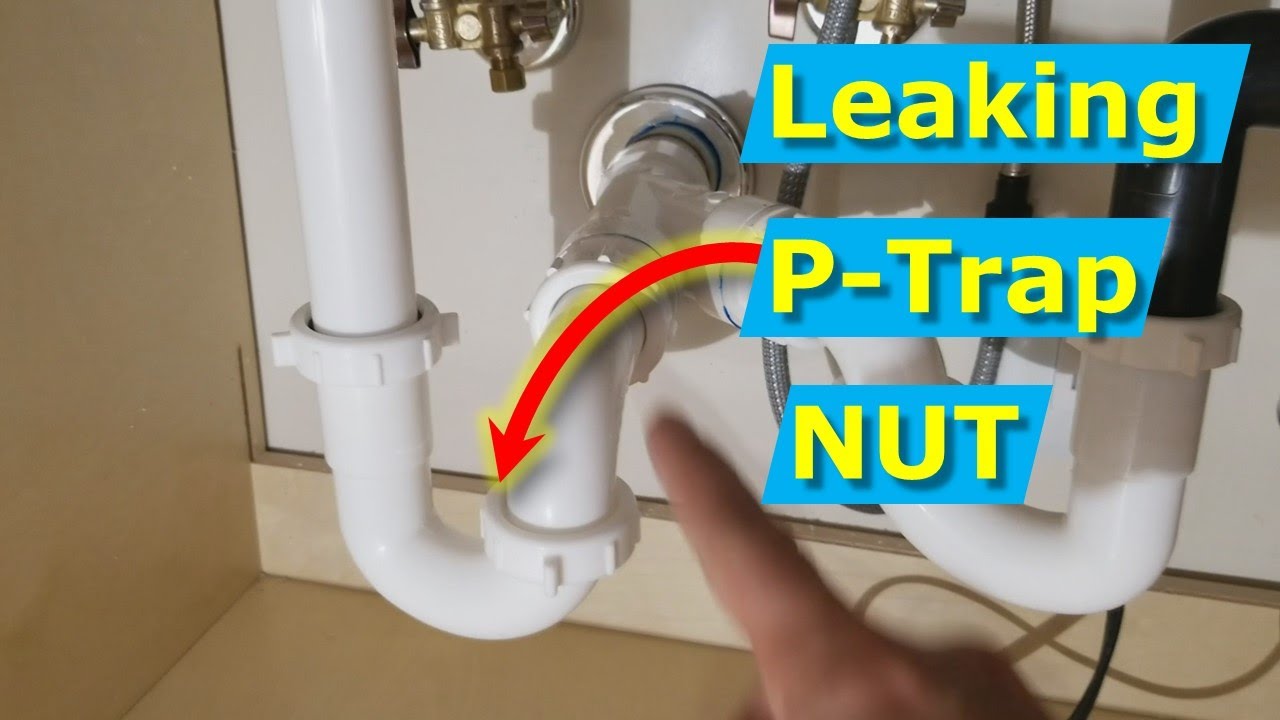
Wrap Threads Correctly
Start by cleaning the pipe threads. Remove any dirt or old tape. Wrap the tape around the threads in one direction. This is usually clockwise. Cover the threads completely but do not overlap too much. Three to five layers of tape work best. Press the tape down firmly to avoid gaps. This helps the tape stick well and seal properly.
Use Appropriate Sealant Type
Choose a sealant made for plumbing use. Silicone or plumber’s putty often works well. Avoid general-purpose glues or tapes. Apply the sealant evenly on the threads or pipe surface. Use enough to cover the area but not too much. Too much sealant can make assembly hard. Allow the sealant to dry as per instructions before using the sink.
Credit: www.youtube.com
Reassemble And Tighten Joint
After cleaning and preparing the pipe joint, the next step is to reassemble and tighten it. This step stops the water leak by creating a secure seal. Proper tightening ensures the pipes stay connected and water flows without dripping.
Start with gentle tightening to avoid damaging the parts. Then, use tools carefully for a firm hold. This process prevents leaks and keeps your kitchen dry.
Hand Tighten First
Begin by screwing the pipe joint by hand. Turn it until it feels snug but not too tight. Hand tightening helps align the threads properly. Avoid forcing the joint, which can cause cracks or cross-threading. This step prepares the joint for stronger tightening later.
Use Tools For Final Tightening
Use a wrench or pliers to finish tightening the joint. Hold the pipe steady while tightening the nut. Turn the wrench slowly to avoid overtightening. Stop once the joint feels firm and secure. Over-tightening can damage the pipe or cause leaks. Check the joint by running water to confirm no leaks remain.
Test For Leaks
Testing for leaks is a critical step after fixing a small water leak under the kitchen sink pipe joint. It confirms whether the repair holds and prevents future water damage. This step requires patience and careful observation.
Start by turning the water supply back on slowly. This cautious approach reduces pressure on the pipes and joints. It helps avoid sudden bursts or new leaks that might occur with a fast water flow.
Turn Water Back On Slowly
Open the main valve or faucet gently. Watch the pipe joint closely as water starts to flow. Slow water return allows you to spot any weak points or drips immediately. If you see water escaping, turn off the valve and tighten the joint again.
Observe For Drips
Look carefully at the pipe joint for several minutes. Use a dry cloth or paper towel to detect moisture. Check not only the joint but also the surrounding areas. Small drips may be hard to see but cause big problems over time. Continue observing until you are sure the leak is fixed.

Credit: www.wikihow.com
When To Call A Professional
Knowing when to call a professional plumber saves time and prevents damage. Small leaks under the kitchen sink can sometimes be fixed by homeowners. Yet, some situations require expert help for safety and lasting repair. Watch for signs that show a job is beyond simple DIY fixes.
Persistent Leaks
Leaks that return after repair signal a bigger problem. Tightening joints or replacing washers might not stop the drip. Persistent leaks can cause water damage and mold growth. Professionals have tools to find hidden leaks and fix them properly. Don’t let a small leak become a costly issue.
Damaged Pipes Or Fittings
Cracked or corroded pipes need expert attention. Damaged fittings can lead to sudden water bursts. Attempting repairs without proper skills may worsen the problem. A professional can replace old or broken parts safely. This ensures your plumbing stays strong and leak-free for years.
Frequently Asked Questions
How Do I Identify A Small Leak Under Kitchen Sink Pipe Joint?
Look for water droplets, dampness, or water stains under the sink. Check the pipe joint carefully for any visible cracks or loose fittings. Early detection helps prevent water damage and costly repairs.
What Tools Are Needed To Fix A Small Leak Under Sink Joint?
You typically need a wrench, plumber’s tape, a bucket, and a replacement washer or seal. These tools help tighten or reseal the joint efficiently, stopping leaks without professional help.
Can I Fix A Leaking Pipe Joint Without Turning Off Water?
No, always turn off the water supply before repair. This prevents water flow, allowing you to work safely and avoid water damage or worsening the leak.
How Long Does It Take To Fix A Small Leak Under Sink Joint?
Fixing a small leak usually takes 15 to 30 minutes. It depends on the leak severity and your familiarity with plumbing repairs.
Conclusion
Fixing a small leak under the kitchen sink is easier than you think. Tighten the pipe joint or replace the washer carefully. Watch for drips after the repair to ensure success. Taking quick action stops water damage and saves money.
Regular checks keep your plumbing in good shape. Simple steps can prevent bigger problems later. A little care goes a long way in home maintenance.