How to Fix Squeaky Wooden Floor in One Specific Spot

Is there a single spot on your wooden floor that squeaks every time you step on it? That annoying noise can disrupt the peace of your home and make you avoid walking in that area.
The good news is, you don’t need to replace the entire floor or call expensive professionals to fix it. You’ll discover simple, effective steps to silence that squeaky spot quickly. By the end, your floor will feel solid and quiet again—letting you walk freely without that frustrating creak.
Keep reading, because fixing this common problem is easier than you think.
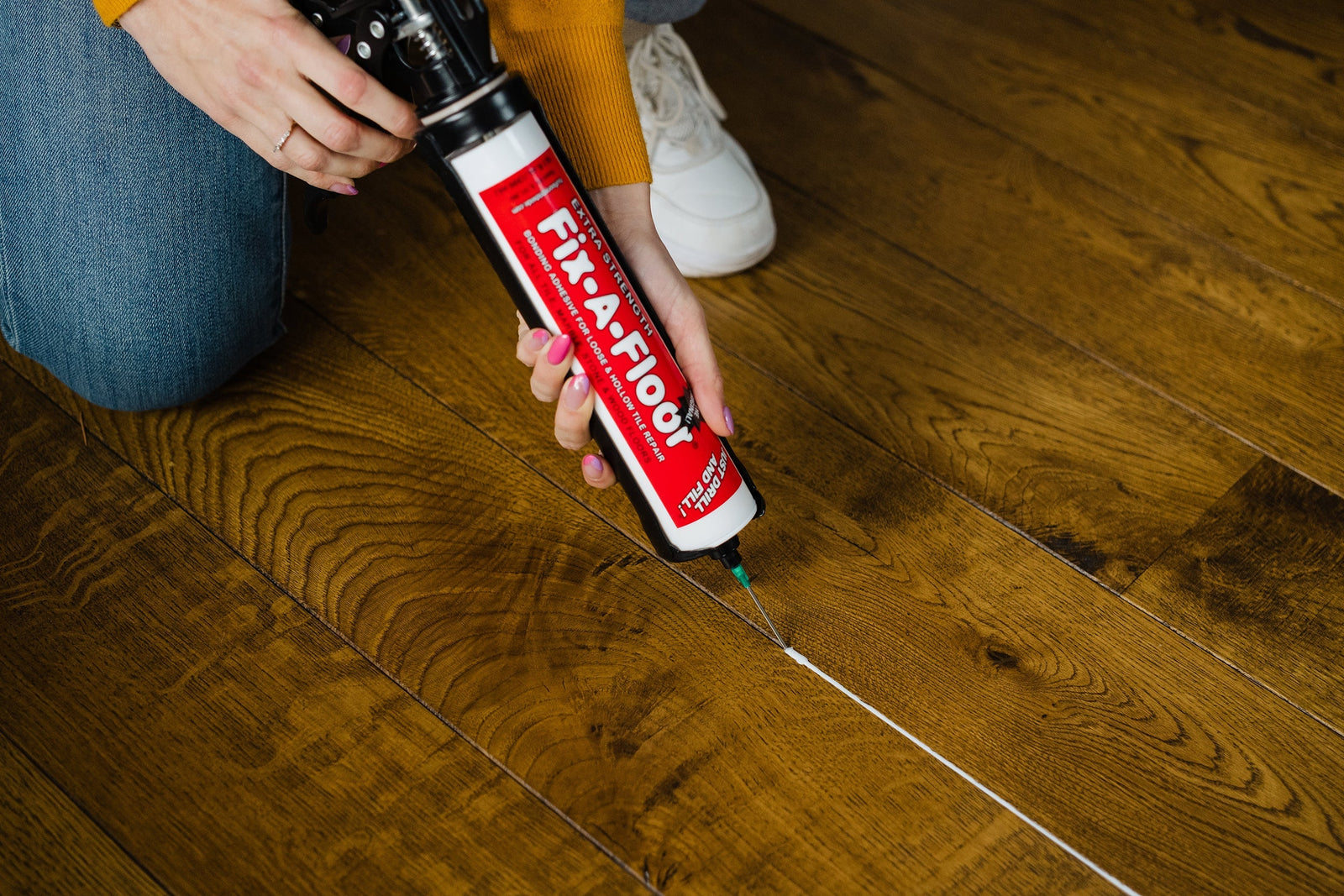
Credit: fixafloor.co.uk
Identify The Squeak Source
Finding the exact spot of a squeaky wooden floor is the first step to fixing it. Identifying the source helps you target the repair and saves time. It also prevents unnecessary damage to other parts of the floor.
Locate The Exact Spot
Walk slowly over the floor to find the squeak. Press down gently with your foot near the noise. Move around to check if the sound changes. Use your hand to feel for any movement in the boards. Mark the spot with a small piece of tape or chalk.
Check For Visible Damage
Look closely at the marked area for cracks or gaps. Check if any nails or screws are loose or missing. Notice if the floorboards appear uneven or warped. Look under the floor, if possible, to see the joists. Visible damage often shows where the floor moves and squeaks.

Credit: www.reddit.com
Prepare The Area
Preparing the area is the first step to fix a squeaky wooden floor in one spot. This step ensures a smooth and safe repair process. It helps you work without distractions or obstacles.
Start by making the floor ready. Clear space and gather tools. These small actions save time and effort later.
Clear The Floor
Remove all furniture near the squeaky spot. Move rugs and mats away from the area. Clean the floor to remove dust and dirt. A clean surface helps you see the problem clearly. It also keeps tools and materials from slipping.
Gather Necessary Tools
Get the right tools before you start. You may need screws, a screwdriver, wood glue, and a hammer. A flashlight can help you see tight spaces. Keep a towel or cloth nearby to clean spills. Having tools ready makes fixing faster and easier.
Use Powder To Reduce Friction
Squeaky wooden floors often creak due to friction between the boards. Using powder is an easy way to reduce this friction. The powder acts as a dry lubricant between the wood pieces. It stops the rubbing that causes the noise. This method works well for squeaks in one specific spot. It is simple, clean, and requires no tools.
Apply Talcum Or Graphite Powder
Choose talcum powder or graphite powder for this task. Both powders slide between wood boards easily. Talcum powder is soft and safe for wood floors. Graphite powder is a bit darker and can leave marks. Sprinkle a small amount directly onto the squeaky spot. Avoid using too much powder. A light dusting is enough to reduce noise.
Work The Powder Into Gaps
After applying the powder, spread it into the gaps. Use a soft brush or a cloth to push powder into cracks. This helps the powder reach the friction points. Move the floorboards slightly to let the powder settle. Tap lightly with a soft tool if needed. The powder will fill the gaps and stop the creaking sound.
Secure Loose Floorboards
Loose floorboards cause annoying squeaks and can damage your wooden floor. Securing them stops movement and noise. It also helps protect the floor’s structure. This process is simple and requires just a few tools. Focus on the specific spot where the squeak comes from. Tightening the boards there will fix the problem quickly.
Drive Finishing Nails Or Screws
Find the loose floorboard’s edges and tap finishing nails or screws in. Nails work well for thin boards. Screws hold better in thicker wood. Use a drill for screws to avoid splitting the wood. Countersink the nails or screws slightly below the surface. Fill the holes with wood putty for a smooth finish. This method keeps the board tight and stops movement.
Use Adhesive For Stability
Apply wood glue or construction adhesive under the loose board. Lift the board slightly with a pry bar or putty knife. Spread the adhesive evenly on the subfloor. Press the board back down firmly. Use weights or clamps to hold it in place. Let the adhesive dry fully before walking on it. This method adds strong support and reduces floor noise.
Fill Gaps And Cracks
Filling gaps and cracks is a key step to stop a squeaky wooden floor in one spot. Small spaces between floorboards let wood rub and creak. Filling these gaps keeps boards tight and quiet. This process also improves floor stability and appearance. Use the right materials and tools for best results.
Select Suitable Wood Filler
Choose a wood filler that matches your floor color. There are many types, such as latex, epoxy, or wood putty. Latex filler is easy to apply and clean. Epoxy is strong and good for large cracks. Wood putty stays flexible and works well for minor gaps. Check the product label for indoor use and wood compatibility.
Apply And Smooth The Filler
Clean the crack before applying filler. Remove dirt and dust with a brush or vacuum. Use a putty knife to press filler into the gap. Fill the crack fully, avoiding air pockets. Smooth the surface by scraping off extra filler. Let it dry completely as per instructions. Sand lightly for a flat finish if needed.
Test And Repeat If Needed
After applying your chosen fix to the squeaky wooden floor spot, it is important to check your work. Testing the spot helps you know if the squeak is fully gone. Sometimes, one fix is not enough. You may need to repeat the process to stop the noise completely.
Walk On The Spot
Step on the fixed area several times. Listen carefully for any creaks or squeaks. Try different pressures and angles while stepping. This shows if the repair holds under normal walking. If noise still appears, the fix needs more work.
Perform Additional Fixes
Apply more of the chosen solution if the squeak remains. Tighten screws or add wood glue again. Sometimes adding shims or powdered graphite helps. Repeat the testing after each attempt. Keep working until the floor sounds solid and quiet.
Prevent Future Squeaks
Preventing future squeaks in wooden floors helps keep your home quiet and comfortable. Regular care and simple habits protect your floor from damage. Small changes can make a big difference in stopping squeaky spots from returning.
Maintain Humidity Levels
Wood expands and shrinks with moisture changes. Keep your home’s humidity between 30% and 50%. Use a humidifier in dry months and a dehumidifier in humid months. Stable moisture prevents wood from moving too much. This stops gaps that cause squeaks.
Regular Floor Inspections
Check your wooden floors often for signs of wear or loose boards. Look for cracks, gaps, or uneven spots. Tighten any loose nails or screws quickly. Early fixes stop small problems from growing. Regular inspections keep floors smooth and quiet.

Credit: www.youtube.com
Frequently Asked Questions
How Can I Identify The Exact Squeaky Spot On Wood Floors?
Walk slowly across the floor and listen carefully for creaks. Use a helper to mark the noisy area. This helps target the repair precisely.
What Tools Fix A Squeaky Wooden Floor In One Spot?
Common tools include a screwdriver, wooden shims, and construction adhesive. These help secure loose boards and eliminate noise effectively.
Can Household Items Stop A Floor From Squeaking Temporarily?
Sprinkling talcum powder or graphite between floorboards reduces friction. This offers a quick, temporary fix before a permanent repair.
Is It Necessary To Remove Floorboards To Fix A Squeak?
Not always. Some squeaks can be fixed by securing boards from below or injecting adhesive without removal.
Conclusion
Fixing a squeaky wooden floor in one spot is simple and quick. Use the right tools and follow the steps carefully. A little effort can stop annoying noises fast. Quiet floors make your home more comfortable. Try this easy fix before calling a professional.
You’ll save time and money with this handy tip. Keep your floor smooth and noise-free today. No more creaks under your feet!