How to Fix Thermostat Not Reaching Set Temperature

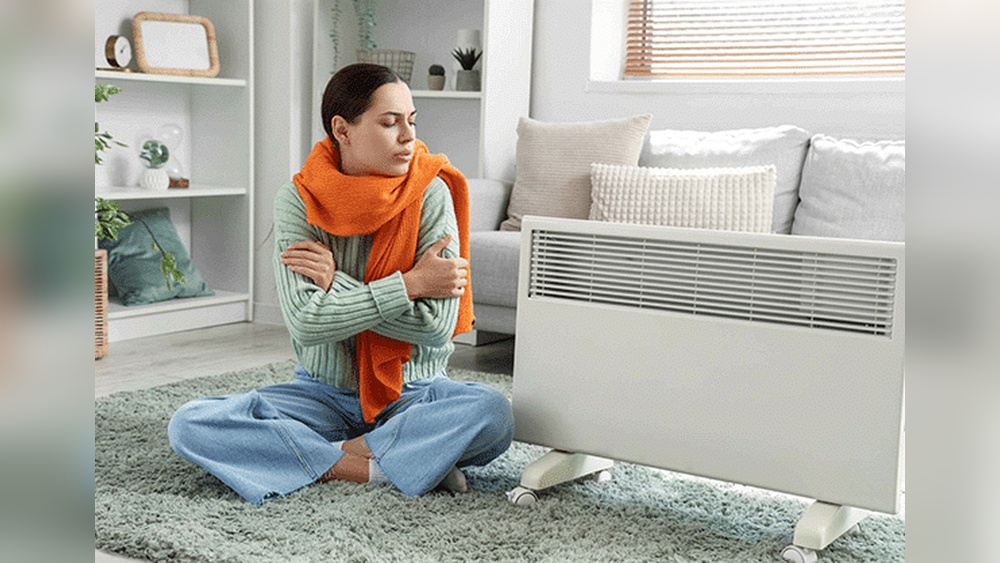
Is your thermostat refusing to reach the temperature you set? That frustration of waiting for your home to warm up or cool down, only to find it stuck at the wrong temperature, can be really annoying.
You deserve a comfortable space that responds to your needs. You’ll discover simple and effective ways to fix your thermostat so it works just the way you want. Keep reading—you’ll be surprised how easy it can be to get your thermostat back on track and enjoy perfect comfort again.

Credit: nationalairwarehouse.com
Common Causes Of Thermostat Issues
Thermostat problems often stop your heater or air conditioner from reaching the set temperature. Understanding common causes helps fix the issue faster. Most problems come from simple mistakes or small faults. These are easy to check and repair.
Dirty Or Faulty Sensors
Sensors inside the thermostat detect room temperature. Dirt or dust can block their readings. Faulty sensors send wrong signals, causing wrong heating or cooling. Cleaning sensors gently often solves this problem. Replacing faulty sensors may be necessary if cleaning fails.
Incorrect Thermostat Placement
Thermostats need the right spot to work well. Placing them near windows or heat sources gives wrong temperature readings. Avoid direct sunlight or drafts. A thermostat in a poor location misleads your heating or cooling system. Move the thermostat to a better place for accurate control.
Power Supply Problems
Thermostats need steady power to function. Loose batteries or wiring issues can cut power supply. Low power causes the thermostat to act erratically or stop working. Check batteries and replace if weak. Inspect power connections for damage or looseness.
Wiring And Connection Errors
Thermostat wires connect it to your heating and cooling system. Wrong or loose wiring causes communication errors. This prevents the system from reaching the set temperature. Check all wires for proper connection. Fix any loose or damaged wires promptly.
Diagnosing The Problem
Understanding why your thermostat does not reach the set temperature starts with a clear diagnosis. Pinpointing the exact issue saves time and money. It also helps avoid unnecessary repairs or replacements. This section guides you through key steps to identify the problem.
Checking Thermostat Settings
Start by examining the thermostat settings. Ensure the temperature is set correctly. Confirm the system mode is on heating or cooling as needed. Look for any schedule conflicts that may override your settings. Reset the thermostat to default if settings appear confusing.
Testing Temperature Sensors
Temperature sensors tell the thermostat the room’s current temperature. Faulty sensors can cause wrong readings. Use a thermometer to compare the room temperature with the thermostat’s display. Replace sensors if the difference is large. Accurate sensors help the system reach the target temperature.
Inspecting Wiring And Battery
Loose or damaged wires can disrupt thermostat functions. Turn off the power before inspecting wires. Check for visible damage or disconnections. Replace old batteries to ensure the thermostat runs smoothly. Clean battery contacts for better connection.
Evaluating Hvac System Performance
The HVAC system itself might cause the issue. Check air filters for dirt buildup and change if needed. Listen for unusual noises from the unit. Confirm vents are open and unblocked. Call a professional if the system shows signs of poor performance.
Simple Fixes You Can Try
Simple fixes can often solve thermostat problems quickly. These easy steps do not need special tools or skills. Try these tips before calling a professional. You might save time and money.
Resetting The Thermostat
Resetting the thermostat can clear minor errors. Find the reset button or turn off the power for a few minutes. Turn it back on and set your desired temperature. This can help your thermostat start fresh and work better.
Replacing Batteries
Weak batteries can cause thermostat issues. Check the battery compartment and replace old batteries with new ones. Use batteries recommended by the manufacturer. Fresh batteries ensure your thermostat receives enough power to function well.
Cleaning Thermostat Components
Dust and dirt can block thermostat sensors. Gently remove the cover and clean the inside parts with a soft brush or cloth. Avoid using water or sprays. Clean components help the thermostat read temperatures correctly and respond faster.
Adjusting Thermostat Location
Placement affects thermostat accuracy. Keep it away from direct sunlight, heaters, or drafts. Avoid placing it near windows or doors. A good location helps the thermostat sense the true room temperature and keeps your home comfortable.
Credit: www.hutchbiz.com
When To Call A Professional
Knowing when to call a professional can save time and prevent damage. Some thermostat problems need expert care. Trying to fix complex issues alone might cause more harm. Skilled technicians have tools and knowledge to handle tough problems. Recognizing signs that require help is important for home comfort.
Complex Wiring Issues
Thermostat wiring can be confusing. Wrong connections may stop your system from working. If wires look burnt or loose, do not touch them. Professionals can safely check and repair wiring. They ensure the thermostat connects properly to your HVAC system.
Hvac System Malfunctions
Sometimes the problem lies beyond the thermostat. The heating or cooling system may have faults. Strange noises or no response from the system needs expert review. Certified technicians can diagnose and fix HVAC malfunctions. This keeps your home temperature steady and safe.
Repeated Temperature Inconsistencies
Thermostat not reaching set temperature repeatedly signals deeper issues. Frequent temperature swings cause discomfort and higher energy bills. Professionals can test the thermostat and system fully. They identify hidden problems and restore proper temperature control.
Preventive Measures For Thermostat Efficiency
Maintaining thermostat efficiency helps keep your home comfortable. It also saves energy and reduces repair costs. Preventive steps help the thermostat reach the set temperature correctly. Simple actions can improve its performance and lifespan.
Regular Maintenance Tips
Clean the thermostat regularly to remove dust and dirt. Replace batteries every year or as needed. Check the wiring for loose or damaged connections. Keep vents and air filters clean to improve airflow. Schedule a professional inspection annually for best results.
Upgrading To Smart Thermostats
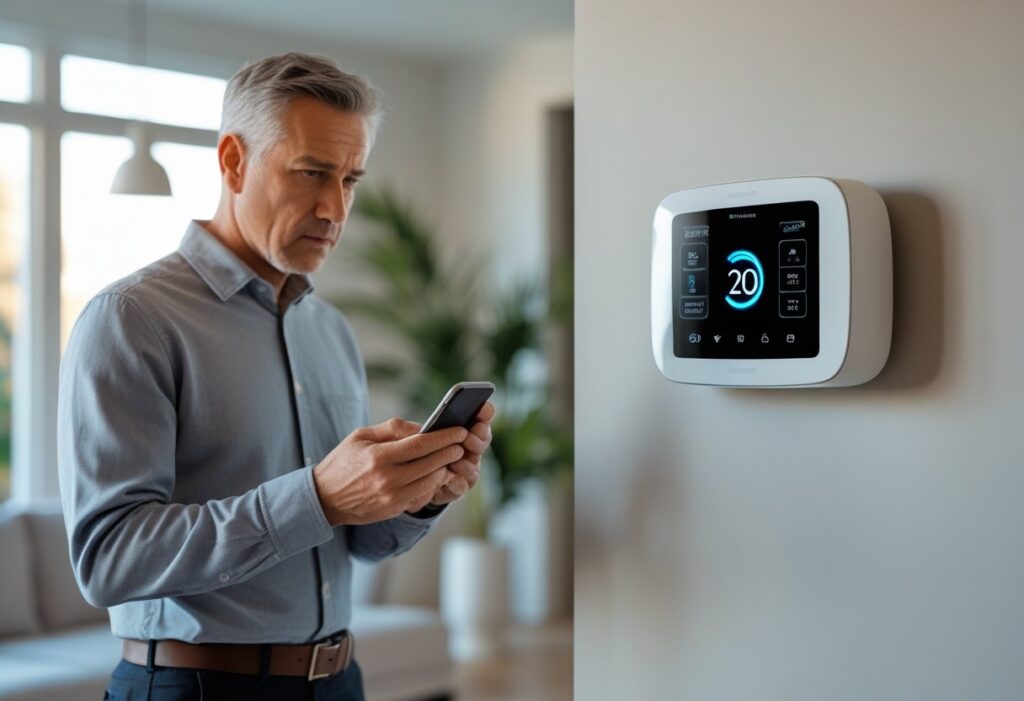
Smart thermostats adjust temperature based on your habits. They learn your schedule and optimize heating and cooling. These devices offer remote control via smartphone apps. They can help lower energy bills by avoiding waste. Choose models compatible with your HVAC system.
Proper Installation Guidelines
Place the thermostat away from direct sunlight and drafts. Avoid locations near heat sources like ovens or lamps. Mount it on an interior wall at eye level. Ensure it is level and securely attached. Follow manufacturer instructions carefully during installation.
Credit: www.sunheating.com
Frequently Asked Questions
Why Is My Thermostat Not Reaching The Set Temperature?
Your thermostat may not reach the set temperature due to sensor issues, dirty filters, or incorrect calibration. Check batteries, clean filters, and ensure proper thermostat placement. If problems persist, consult a professional technician for a detailed inspection and repair.
How Can I Troubleshoot A Thermostat That Won’t Heat?
First, check the thermostat settings and batteries. Clean or replace dirty air filters. Inspect the furnace and vents for blockages. Reset the thermostat or power cycle your HVAC system. If issues continue, call a certified HVAC technician.
What Causes A Thermostat To Misread Room Temperature?
Thermostats can misread temperature due to poor placement near heat sources or drafts. Dust and dirt on sensors also affect accuracy. Ensure the thermostat is mounted on an interior wall away from sunlight and vents for reliable readings.
When Should I Replace My Thermostat?
Replace your thermostat if it frequently malfunctions, fails to maintain temperature, or is outdated. Smart thermostats offer better efficiency and control. If repairs cost more than replacement, upgrading is a practical choice for improved comfort and savings.
Conclusion
Fixing a thermostat that won’t reach the set temperature is often simple. Check the batteries and settings first. Clean the thermostat and make sure sensors work well. Inspect your heating or cooling system for any problems. Small issues can cause big temperature gaps.
Regular maintenance helps avoid future troubles. Taking these steps saves energy and keeps your home comfortable. Stay patient and follow each tip carefully. Your thermostat will work better and keep your space just right.