How to Fix Washing Machine Not Draining Water Completely

Is your washing machine leaving water behind after a cycle? It’s frustrating when your clothes don’t come out as clean as they should.
You might be wondering why your washer isn’t draining water completely and how to fix it without calling a repair person. The good news is, you can solve this problem yourself with simple steps. Keep reading to discover easy, effective solutions that will get your washing machine draining properly again—and save you time and money.
Common Causes Of Drainage Problems
When your washing machine refuses to drain water completely, it’s more than just an inconvenience—it can halt your laundry routine. Understanding the common causes behind drainage problems helps you troubleshoot effectively and avoid costly repairs. Let’s look at the usual suspects that stop your washer from draining properly.
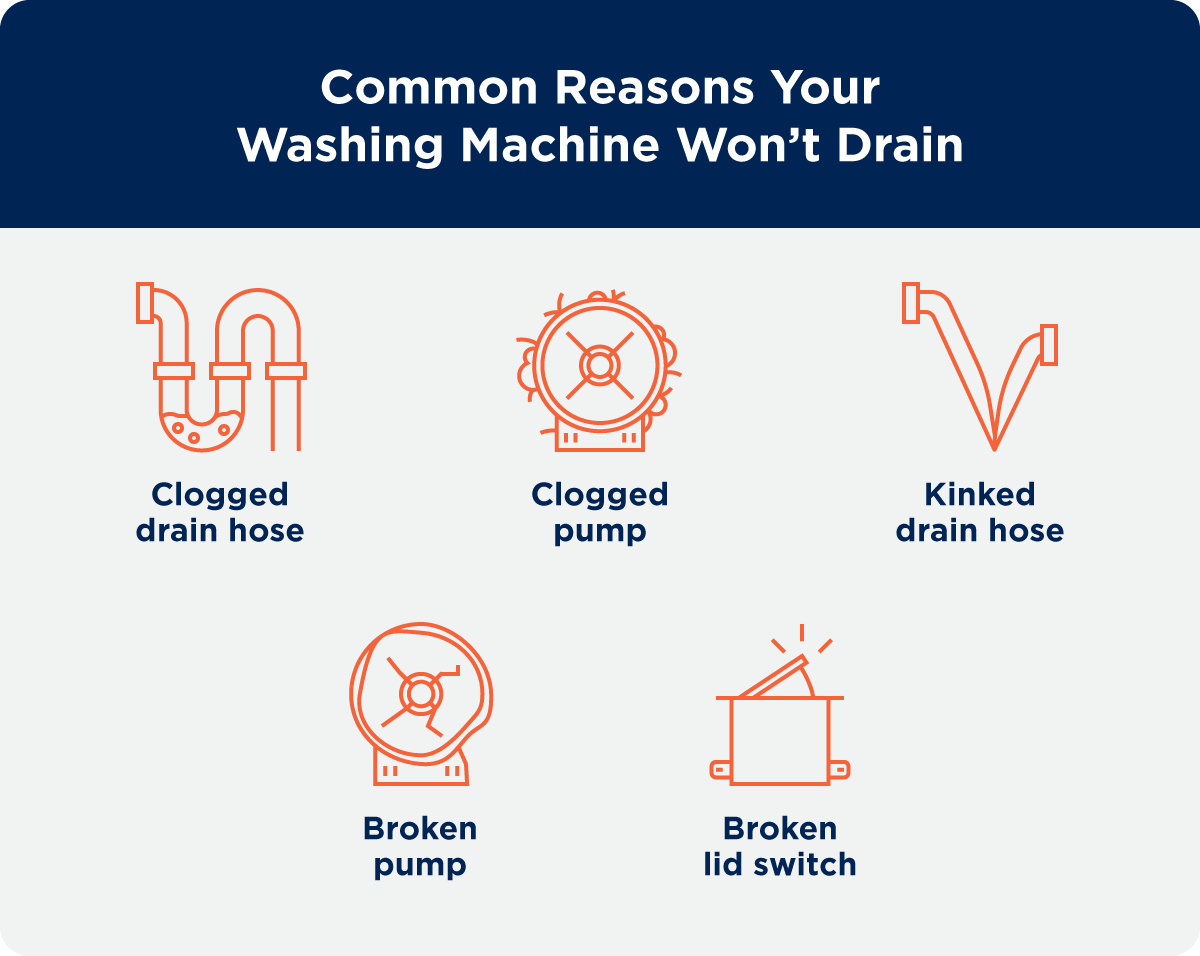
Clogged Drain Hose
The drain hose carries water out of your washing machine. Over time, lint, small clothing fibers, or debris can block this hose. You might notice water pooling inside the drum or slow draining.
Try disconnecting the hose and checking for blockages. Clearing the hose often fixes the problem immediately. Have you ever found unexpected items blocking this hose during a quick inspection?
Blocked Pump Filter
Many washing machines have a pump filter to catch dirt and small objects. If this filter gets clogged, water can’t flow through properly. You may hear strange noises or see water left in the drum after the cycle ends.
Cleaning the pump filter regularly prevents drainage issues. It’s a quick task that saves you from bigger headaches. When was the last time you checked your machine’s filter?
Faulty Drain Pump
Your washing machine’s drain pump pushes water out through the drain hose. If the pump motor fails or the impeller breaks, water won’t drain. This often results in error codes or unusual sounds during the drain cycle.
Replacing the pump can restore your machine’s function. Testing the pump with a multimeter helps confirm if it’s the problem. Do you have the tools or a technician ready to check this part?
Issues With Drain Pipe
The drain pipe connected to your home’s plumbing can also cause problems. If the pipe is kinked, clogged, or too high, water won’t flow out smoothly. This can cause water to back up into the washer.
Make sure the drain pipe is installed correctly and free of obstructions. Simple fixes here can save you from complicated plumbing calls. How accessible is your drain pipe for inspection?
Problems With Lid Switch
The lid switch signals the washing machine to start draining only when the lid is closed. If this switch is faulty, the machine may not drain at all. This is a safety feature, but a broken switch can cause drainage failure.
Checking the lid switch for continuity with a tester can reveal if it’s defective. Repairing or replacing this switch often solves the drainage problem. Have you noticed your washer not spinning or draining when the lid is firmly closed?
:max_bytes(150000):strip_icc()/washing-machine-wont-drain-2718776-hero-2441a4ba9ea04f9daa3b8662ae75c624.jpg)
Credit: www.thespruce.com
Tools Needed For Repairs
Fixing a washing machine that does not drain water needs the right tools. Using proper tools makes the repair easier and safer. You can save time and avoid damage with the right equipment. Below are the basic and specialized tools you may need for this repair.
Basic Household Tools
Basic tools are common in most homes. A screwdriver set helps remove panels and screws. Pliers are useful for gripping and twisting hoses or clamps. A wrench can loosen nuts and bolts on the machine. A bucket catches any water that might spill out. A flashlight helps you see inside dark areas of the machine.
Specialized Washing Machine Tools
Some repairs need special tools made for washing machines. A multimeter checks electrical parts for power and continuity. A hose clamp tool makes it easier to remove or install hose clamps. A pump removal tool helps take out the drain pump safely. These tools help fix problems faster and reduce the risk of damage.
Step-by-step Drainage Fixes
Fixing a washing machine that does not drain water completely often involves checking several key parts. Each step helps find and fix the cause of the problem. Follow these simple steps to get your washer draining properly again.
Unclogging The Drain Hose
First, unplug the washing machine. Locate the drain hose at the back. Detach it carefully from the wall or machine. Check for blockages by running water through the hose. Use a long flexible brush or a wire to clear any clogs. Reattach the hose securely before testing the machine.
Cleaning The Pump Filter
Locate the pump filter usually near the bottom front of the machine. Place a towel and a shallow container below it to catch water. Open the filter cover and remove the filter. Clean out lint, coins, or debris inside. Rinse the filter and put it back in place. Close the cover tightly to avoid leaks.
Replacing The Drain Pump
Turn off and unplug the washer. Remove the back or front panel to access the drain pump. Disconnect the wires and hoses connected to the pump. Take out the old pump carefully. Install a new drain pump by connecting the wires and hoses. Replace the panel and test the machine for proper drainage.
Checking And Clearing The Drain Pipe
Inspect the drain pipe where the washing machine drains. Look for bends or kinks that block water flow. Use a plumber’s snake or a long brush to clear inside the pipe. Flush the pipe with water to remove any leftover debris. Ensure the pipe is straight and free for smooth drainage.
Testing And Fixing The Lid Switch
The lid switch stops the washer from spinning when open. Test it by pressing the switch with the lid open. Listen for a clicking sound. If no click, the switch may be faulty. Replace the lid switch by disconnecting the old one. Attach the new switch and check if the washer drains and spins correctly.

Credit: www.domesticandgeneral.com
Preventing Future Drainage Issues
Preventing future drainage issues keeps your washing machine working well. Small steps stop big problems. This saves time, money, and stress. Clean machines last longer and wash better. Follow simple habits for smooth operation.
Regular Maintenance Tips
Clean the lint filter every month. Check the drain hose for blockages or kinks. Remove any debris from the pump filter. Run a cleaning cycle with washing machine cleaner. Keep the area around the machine dry and clean.
Proper Use Of Detergents
Use the right detergent type for your machine. Avoid using too much detergent. Excess soap causes buildup and clogs. Follow the detergent instructions carefully. Choose high-efficiency detergents for HE machines.
Avoiding Overloading
Do not fill the washer beyond capacity. Overloading strains the motor and pump. Clothes need room to move freely. Overloaded machines may not drain properly. Wash heavy items separately to balance loads.
When To Call A Professional
Sometimes, fixing a washing machine that won’t drain water is not simple. Certain problems need special tools and skills. Calling a professional can save time and avoid damage. Knowing when to seek expert help is important. It helps to protect your machine and keep your home safe.
Complex Electrical Problems
Electrical issues are tricky to fix alone. Problems with wiring or control boards need an expert. These parts control water drainage and spinning. A professional can test and replace faulty parts safely. Trying to fix electrical faults without skill risks injury or more damage.
Persistent Drainage Failures
Sometimes, the machine drains poorly even after cleaning and checks. Blockages deep inside pipes or pump failures cause this. These problems need special tools and knowledge to fix. Professionals can find hidden causes and fix them properly. Persistent drainage issues should not be ignored or fixed hastily.
Credit: www.mrappliance.com
Frequently Asked Questions
Why Is My Washing Machine Not Draining Water Fully?
A clogged drain hose or pump filter often blocks water drainage. Check and clean these parts to restore proper flow and full drainage.
How Can I Fix A Washing Machine Drain Pump?
Inspect the drain pump for blockages or damage. Remove debris carefully or replace the pump if malfunctioning to fix drainage issues.
Can A Blocked Washing Machine Filter Cause Drainage Problems?
Yes, a clogged filter restricts water flow. Regularly clean the filter to ensure efficient draining and prevent water buildup inside the machine.
What Does A Faulty Washing Machine Lid Switch Cause?
A broken lid switch stops the machine from draining. Test the switch and replace it if it prevents proper water drainage.
Conclusion
Fixing a washing machine that won’t drain fully is doable. Start with simple checks like the drain hose and filter. Clean any blockages to help water flow freely. Sometimes, the pump needs attention or replacement. Regular maintenance can prevent future drainage issues.
Taking these steps saves time and money. Your laundry will finish properly, leaving clothes fresh and clean. Keep your machine in good shape to avoid water problems. Small fixes make a big difference in washing machine performance.