How to Fix Water Pooling on Bathroom Floor After Shower

Is your bathroom floor turning into a mini swimming pool every time you finish your shower? Water pooling can be frustrating and even damaging if left unchecked.
But don’t worry—you don’t have to live with this problem. You’ll discover simple, effective ways to stop water from collecting on your bathroom floor. By the end, you’ll have clear steps to fix the issue and keep your bathroom dry and safe.
Keep reading to find out how you can protect your space and enjoy a worry-free shower every time.
Identify The Source
Water pooling on the bathroom floor after a shower can cause damage and create slippery conditions. Finding the source of the leak is the first step to fixing the problem. Careful inspection helps prevent future water damage. Check common trouble spots around your shower to identify where the water escapes.
Check Shower Door And Curtain
Look closely at the shower door or curtain. Gaps or cracks can let water escape. Make sure the door seals tightly when closed. Curtains should hang inside the tub or shower base. Replace old or damaged door seals and curtains. Small changes stop water from leaking onto the floor.
Inspect Shower Drain
Water may pool if the shower drain clogs or leaks. Remove the drain cover and check for hair and debris. Clean the drain regularly to keep water flowing smoothly. Look under the drain for signs of leakage or damage. Fixing drain issues prevents water from backing up onto the floor.
Examine Grout And Caulking
Grout and caulking seal the tiles and joints in your shower. Cracks or gaps allow water to seep through. Inspect all grout lines and caulk around the shower base and walls. Reapply grout or caulk where it is missing or cracked. Proper sealing keeps water inside the shower area.

Credit: www.reddit.com
Clear And Clean Drain
Water pooling on the bathroom floor after a shower often points to a clogged drain. A blocked drain slows down water flow, causing it to back up and spill out. Clearing and cleaning the drain is a key step to fix this issue. Keeping the drain free of hair and debris helps water drain quickly and prevents future problems.
Cleaning the drain regularly keeps your bathroom dry and safe. It also stops bad smells and mold growth. The process is simple and does not need special tools. Follow these steps to clear your drain effectively.
Remove Hair And Debris
Start by removing visible hair and debris from the drain cover. Use a pair of gloves to pull out clumps of hair by hand. A drain snake or a bent wire hanger helps reach deeper blockages. Clear as much material as you can to open the drain fully. Dispose of the waste in the trash, not down the drain.
Use Drain Cleaner Safely
Choose a drain cleaner suitable for bathroom drains. Follow the instructions on the label carefully. Use the recommended amount and wait the required time before rinsing. Avoid mixing chemical cleaners with other products. Wear gloves and keep the area ventilated for safety. Repeat the process if water still drains slowly.
Prevent Future Clogs
Use a drain cover to catch hair and small debris. Clean the cover regularly to stop buildup. Avoid pouring grease or thick substances down the drain. Flush the drain with hot water weekly to keep it clear. Regular maintenance saves time and prevents water pooling.
Seal Gaps And Cracks
Sealing gaps and cracks in your bathroom stops water from pooling on the floor. Water sneaks through small spaces around tiles and fixtures. Fixing these gaps keeps your bathroom dry and safe. It also prevents mold and damage over time.
Apply New Caulk
Old caulk can crack and peel, letting water escape. Remove the old caulk with a scraper. Clean the area well and let it dry. Apply new, waterproof caulk evenly along edges and joints. Smooth it with a finger or tool. Let it dry fully before using the shower.
Repair Damaged Tiles
Cracked or loose tiles let water seep through. Remove damaged tiles carefully. Clean the space underneath. Apply tile adhesive and press new tiles in place. Allow the adhesive to set. Seal the edges with fresh caulk to stop water leaks.
Fill Grout Lines
Grout can wear away or crack over time. Scrape out damaged grout using a grout removal tool. Mix new grout according to instructions. Press it firmly into the gaps with a grout float. Wipe off extra grout with a damp sponge. Let it dry completely to seal the joints well.

Credit: www.reddit.com
Improve Shower Door And Curtain Setup
Water pooling on the bathroom floor after a shower can cause slips and damage. One main cause is an improper shower door and curtain setup. Fixing this setup can stop water from leaking outside the shower area. Small changes to the door and curtain can make a big difference.
Adjust Door Alignment
Check if the shower door closes tightly. Misaligned doors let water escape. Adjust the hinges or screws to align the door properly. The door should sit flush with the shower frame. This blocks water from dripping outside. Tighten any loose parts to keep the door secure.
Use Water-repellent Strips
Apply water-repellent strips along the edges of the door. These strips create a seal that stops water from leaking. They are easy to install and cheap. Replace old or worn strips for better protection. This simple step can reduce water pooling significantly.
Choose The Right Shower Curtain
Select a shower curtain that fits the shower space well. Curtains that are too short or narrow let water escape. Pick a curtain made from water-resistant material. Make sure it hangs inside the shower base or tub. This keeps water inside and off the floor.
Check Bathroom Floor Slope
Checking the bathroom floor slope is a key step to fix water pooling after a shower. The floor must slope slightly toward the drain. This slope helps water flow easily into the drain and not stay on the floor. Without the right slope, water collects and causes puddles. That can lead to slippery floors and water damage.
Many bathrooms have floors that are flat or slope the wrong way. This problem needs to be identified and corrected. The process starts with testing how water drains from the shower area. Then, adjustments can be made to level the floor correctly. Sometimes, professional help is best to ensure the slope is perfect.
Test Water Drainage
Pour a small amount of water on the shower floor. Watch how the water moves toward the drain. If the water pools or moves away from the drain, the slope is wrong. Test in different spots to find low areas. These low spots trap water and cause pooling. Mark these areas for fixing.
Level The Floor If Needed
Fixing a floor slope often means adding or removing material. Use a floor leveling compound to raise low spots. For floors that slope away from the drain, grinding or removing material may help. Make sure the slope is about 1/4 inch per foot toward the drain. This slope guides water to the drain quickly and safely.
Consult Professionals
Floor slope issues can be complex and need skill. Professionals know how to measure and fix slopes accurately. They have tools to adjust the floor without causing damage. Hiring a plumber or flooring expert can save time and money. They ensure the floor slope works well for years.
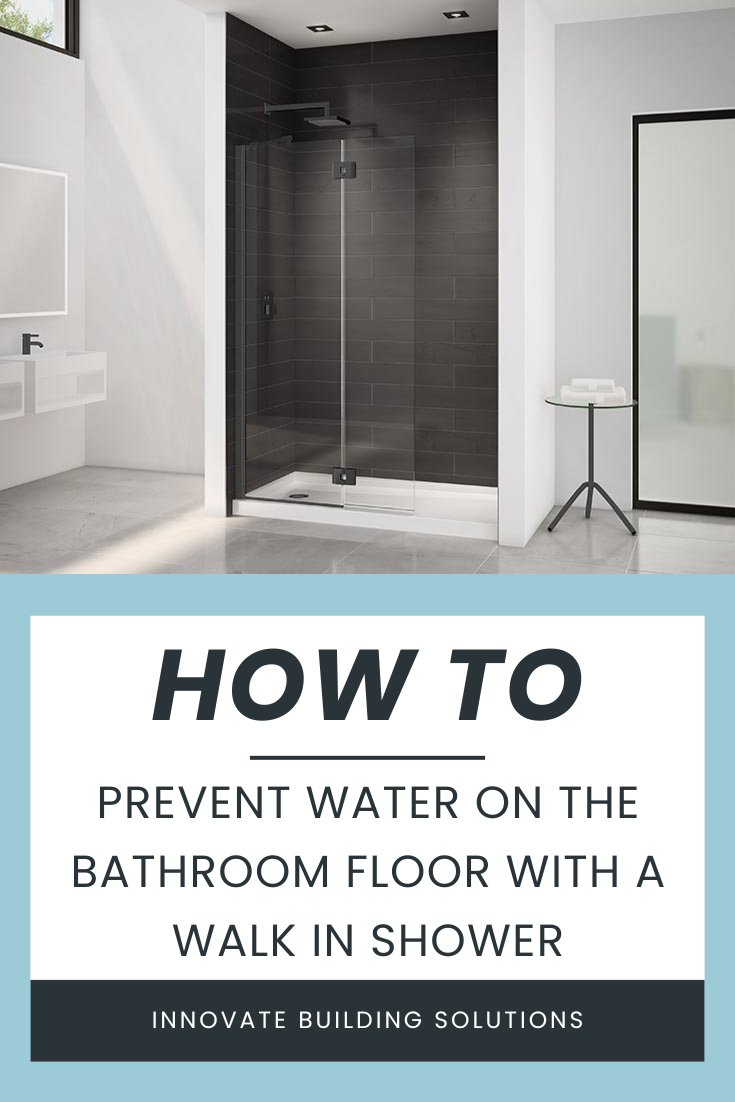
Credit: blog.innovatebuildingsolutions.com
Use Absorbent Mats And Barriers
Using absorbent mats and barriers helps keep your bathroom floor dry after a shower. These tools catch water that escapes the shower area. They stop water from spreading and causing slippery floors or damage. Choosing the right mats and placing barriers correctly makes a big difference.
Select Quick-drying Mats
Pick mats made from quick-drying materials like microfiber or bamboo. They soak up water fast and dry out quickly. This reduces mold and mildew growth. Choose mats with non-slip backing for safety. Wash them often to keep them fresh and clean.
Place Barriers To Contain Water
Install barriers like shower curtains or water dams at the shower base. These stop water from flowing onto the floor. Use rubber strips or thresholds along the edges. Make sure barriers fit well and cover gaps. Regular checks prevent leaks and keep floors dry.
Maintain Regular Bathroom Cleaning
Maintaining regular bathroom cleaning helps stop water pooling after showers. Dirt and grime block water flow and cause puddles on the floor. Clean bathrooms dry faster and stay safer. A clean bathroom also prevents damage to walls and floors from water buildup.
Prevent Mold And Mildew
Water pooling creates a perfect spot for mold and mildew. These can harm your health and damage surfaces. Clean the bathroom often to remove moisture and dirt. Use a mild cleaner and scrub shower walls and floors. Dry the area with a towel or fan after cleaning. This stops mold from growing and spreading.
Keep Drains Clear
Clogged drains cause water to back up and pool on the floor. Hair, soap, and dirt can block drains easily. Remove debris from drain covers regularly. Use a drain cleaner or a simple homemade mix to clear slow drains. Clear drains help water flow out quickly, keeping your floor dry.
Frequently Asked Questions
Why Is Water Pooling On My Bathroom Floor?
Water pools due to poor drainage, shower leaks, or improper shower door seals. It can also result from a flat or uneven floor slope. Identifying the source is key to fixing the issue promptly and preventing water damage.
How Can I Stop Water From Leaking Outside The Shower?
Check and replace worn-out shower seals or door gaskets. Ensure the shower curtain or door closes tightly. Installing a shower threshold or water dam can also help keep water inside the shower area.
What Causes Slow Drainage Leading To Floor Water Pooling?
Slow drainage is often caused by hair clogs, soap buildup, or debris in the drainpipe. Regular cleaning and using drain strainers can prevent blockages and improve water flow, reducing pooling on the bathroom floor.
Can Bathroom Floor Slope Affect Water Pooling?
Yes, an improperly sloped floor can cause water to pool instead of draining. Floors should slope gently toward the drain to ensure water flows away correctly. Regrading or professional floor adjustment may be necessary.
Conclusion
Water pooling on your bathroom floor can cause damage and mess. Fixing it stops these problems fast. Check your drain and shower seal first. Clean and clear any blockages. Adjust the shower door or curtain to keep water inside. Use simple tools to make repairs at home.
Regular care helps prevent water build-up. A dry floor means a safer, cleaner bathroom. Keep these tips handy for a quick fix. Your bathroom will stay fresh and dry every day.