Why is My Bathroom Mirror Getting Black Spots on Edges

Have you noticed those annoying black spots creeping along the edges of your bathroom mirror? It’s frustrating, right?
You clean your mirror regularly, yet those ugly spots keep appearing, making your mirror look old and damaged. But why does this happen? And more importantly, can you stop it before it spreads? You’ll discover the surprising reasons behind these black spots and simple steps you can take to protect your mirror.
Keep reading to save your bathroom mirror and keep it looking clear and bright.
Credit: abeautifulmess.com
Causes Of Black Spots
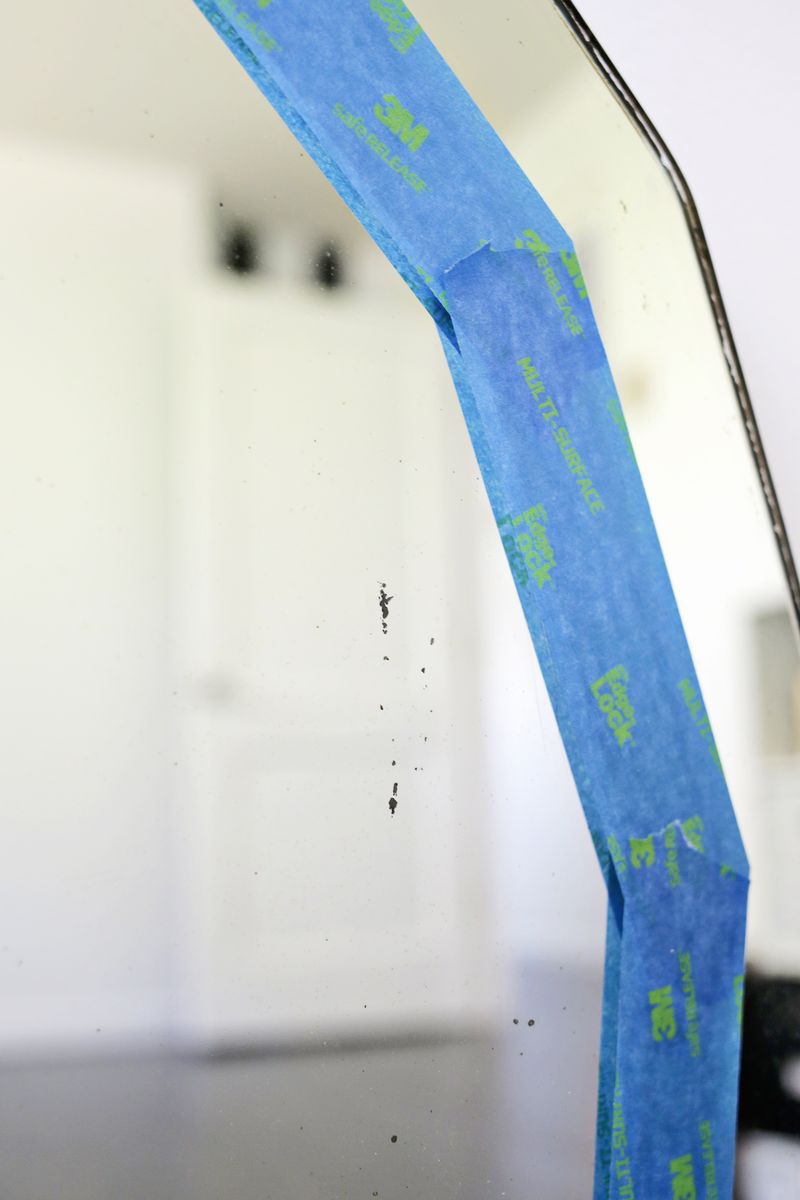
Black spots on the edges of bathroom mirrors are a common problem. These spots often appear as tiny dark marks or patches. Understanding why these spots form helps in preventing and fixing them. Several factors cause the mirror to develop these black spots over time.
Moisture And Humidity Effects
Bathrooms have high moisture levels from showers and baths. This moisture can seep into the mirror edges. Water damages the reflective backing behind the glass. Humid air also speeds up this damage. Over time, the backing wears out, causing black spots.
Mirror Backing Deterioration
The mirror’s backing protects its reflection. It usually consists of paint and a thin layer of metal. If this backing breaks down, the glass loses its shine. Damage or rust on the backing causes dark spots to appear. This process is natural as the mirror ages.
Cleaning Product Damage
Harsh cleaning products can harm the mirror’s backing. Products with ammonia or bleach eat away the protective layer. Using rough cloths or scrubbing too hard makes it worse. This damage shows as black spots around the edges. Gentle cleaners and soft cloths help avoid this problem.
Age And Wear Factors
Old mirrors are more likely to have black spots. Over years, the backing weakens and peels off. Tiny cracks in the glass allow moisture to enter. Daily wear and tear also contribute to the damage. Regular checks can catch spots before they spread.
Preventing Black Spots
Black spots on bathroom mirror edges often come from moisture and poor care. Preventing these spots keeps mirrors clear and lasting longer. Small changes in daily routine help avoid damage and ugly stains.
Proper Ventilation Techniques
Keep your bathroom air fresh and dry. Use exhaust fans during and after showers. Open windows to let steam escape. This stops moisture buildup on mirror edges. Less moisture means fewer chances for black spots to form.
Safe Cleaning Practices
Clean mirrors gently with soft cloths. Avoid harsh chemicals that can harm the mirror’s backing. Use mild soap and water or a vinegar solution. Wipe the edges carefully to prevent water from seeping in. Dry the mirror fully after cleaning.
Using Protective Sealants
Apply sealants designed for mirrors to protect edges. These create a barrier against moisture and air. Use sealants made for glass or bathroom use. Reapply sealant every few months for best protection. This simple step helps keep black spots away.
Repairing Damaged Mirrors
Bathroom mirrors often get black spots on their edges due to moisture and age. These spots can make the mirror look old and damaged. Repairing damaged mirrors can help restore their look and extend their life. There are simple methods to remove small spots, but some cases need more attention. Understanding your options helps you decide the best way to fix the mirror.
Diy Spot Removal Methods
Small black spots often come from the mirror’s silver backing wearing off. You can try cleaning the edges with a soft cloth and gentle cleaner. Another method uses clear nail polish or silver paint to cover tiny spots. Apply carefully and let it dry well. These fixes work best for minor damage. Use gloves and work in a dry space for better results.
When To Replace The Mirror
Large black spots or many damaged areas may mean the mirror needs replacing. If the damage spreads across the edges, repairs may not last long. Cracks or peeling backing also show it is time for a new mirror. Choosing a new mirror can improve your bathroom’s look and brightness. Measure your space to find the right size before buying.
Professional Restoration Options
Experts can restore mirrors with heavy damage using special tools. They remove the backing and add new silver layers. This process can take time and cost more than DIY fixes. Professionals also repair cracks and chips to make mirrors look new. This option suits valuable or antique mirrors worth saving. Contact a restoration service for an estimate before deciding.

Credit: clairedouglasstyling.co.uk
Choosing Durable Bathroom Mirrors
Choosing durable bathroom mirrors helps prevent black spots on edges. Moisture and steam cause damage over time. Selecting the right mirror reduces these issues. Durable mirrors last longer and stay clear.
Consider materials, design, and ease of maintenance. Each factor plays a role in mirror durability. This guide helps pick mirrors that resist damage and keep their shine.
Materials Resistant To Moisture
Glass with a protective coating blocks moisture from reaching edges. Aluminum or stainless steel backing resists rust better than standard backing. Acrylic mirrors avoid rust but scratch easier. Choose materials that do not absorb water. This stops black spots and corrosion.
Designs That Minimize Damage
Mirrors with sealed edges keep water away from the backing. Frameless mirrors with edge sealants prevent moisture entry. Framed mirrors with water-resistant frames protect edges well. Rounded corners reduce stress points that cause damage. Designs that block water help mirrors stay clear.
Maintenance-friendly Options
Mirrors that clean easily reduce grime buildup. Smooth surfaces without grooves stop dirt accumulation. Anti-fog coatings keep mirrors clear longer. Easy-to-clean mirrors lower damage risk from harsh scrubbing. Choose options that save time and protect your mirror.

Credit: www.valiantglass.com.au
Frequently Asked Questions
Why Are Black Spots Appearing On My Bathroom Mirror Edges?
Black spots form due to moisture damaging the mirror’s silver backing. Over time, humidity causes the reflective coating to deteriorate, leading to these spots. Poor ventilation and constant water exposure increase this damage.
Can Bathroom Mirror Black Spots Be Cleaned Or Removed?
Unfortunately, black spots on mirror edges can’t be cleaned off. They result from backing deterioration, not surface dirt. Replacing the mirror or using a decorative frame to cover spots are common solutions.
How Can I Prevent Black Spots On Bathroom Mirrors?
Prevent black spots by reducing bathroom humidity. Use exhaust fans and keep windows open after showers. Wiping the mirror dry regularly also helps protect its backing from moisture damage.
Does Mirror Quality Affect Black Spot Formation?
Yes, higher-quality mirrors have better backing protection against moisture. Cheaper mirrors often use inferior materials that degrade faster. Investing in quality mirrors can reduce the risk of black spot development.
Conclusion
Black spots on bathroom mirror edges come from moisture and wear. These spots appear when the mirror’s backing breaks down. Keeping the bathroom dry helps slow this damage. Use a fan or open a window after showers. Clean the mirror gently with a soft cloth.
Avoid harsh cleaners that can harm the surface. Regular care extends your mirror’s life and keeps it clear. Remember, small steps prevent black spots from growing. Your mirror can stay bright and spotless longer this way.