Why is My Tap Water Pressure Low in Kitchen Only

Have you noticed that the water pressure from your kitchen tap is much lower than usual? It’s frustrating when other taps in your home work fine, but your kitchen faucet dribbles instead of flows.
You might wonder why this is happening and worry about costly repairs. The good news is, you’re not alone—and the solution might be simpler than you think. Keep reading to discover the common reasons behind low kitchen tap water pressure and how you can fix it quickly.
Your next meal or cleanup will thank you!
Common Causes Of Low Kitchen Tap Pressure
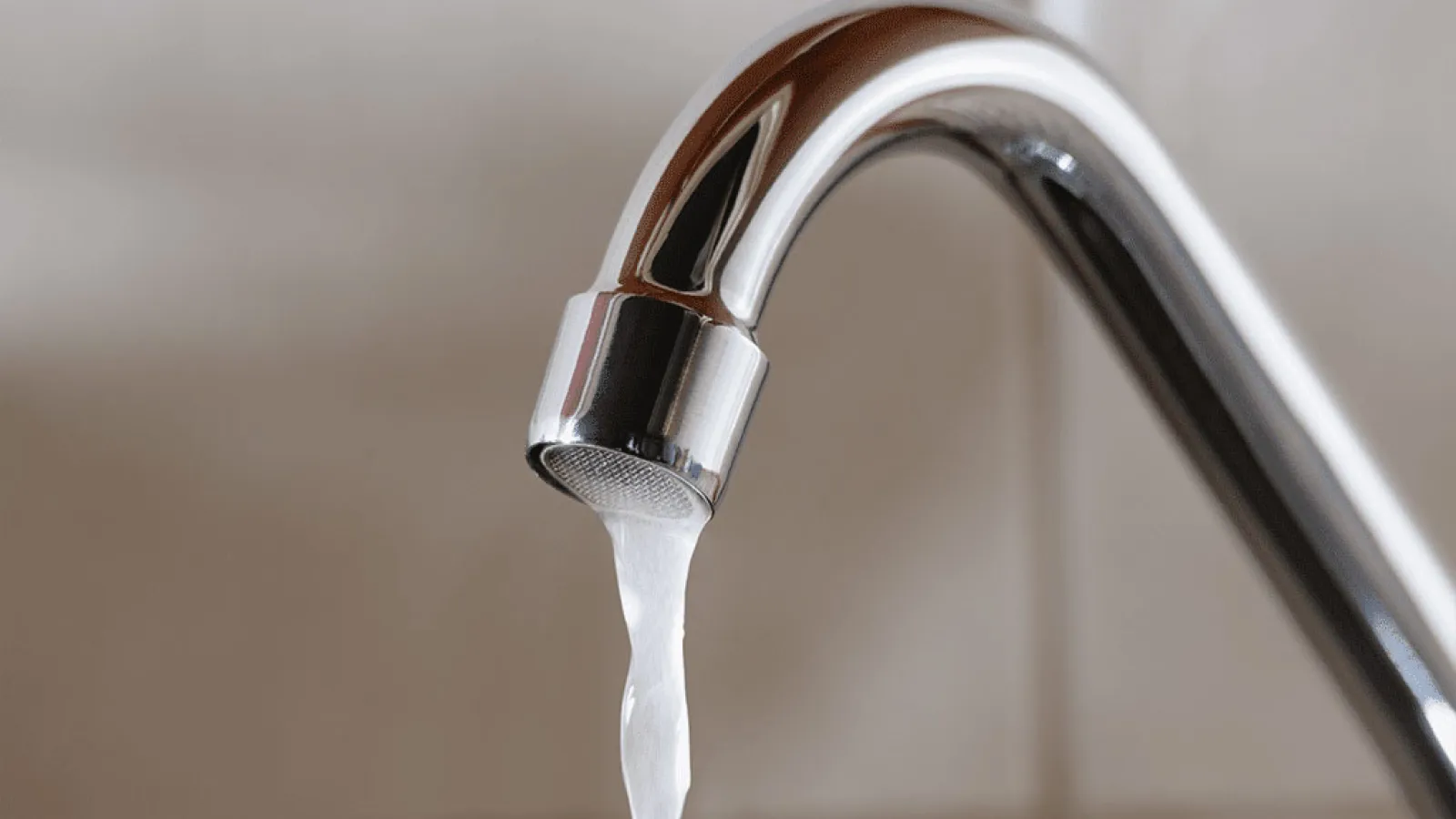
Low water pressure in the kitchen tap can be frustrating. It affects daily tasks like washing dishes or filling pots. Understanding common causes helps to fix the problem quickly. Several factors can reduce water flow in the kitchen only. Identifying these issues is the first step to restoring proper pressure.
Clogged Aerator Or Faucet
Small particles can block the aerator screen on your faucet. This reduces water flow and pressure. Removing and cleaning the aerator often restores normal pressure. Mineral buildup or debris inside the faucet can also cause blockages. Regular cleaning helps avoid this problem.
Pipe Blockages
Old or corroded pipes can narrow and restrict water flow. Rust and mineral deposits build up inside pipes over time. This limits the amount of water reaching the kitchen tap. Professional inspection and pipe replacement may be needed. Blocked pipes are a common cause of low kitchen pressure.
Faulty Valve Settings
Valves control water flow to different parts of the house. A partially closed valve can reduce water pressure in the kitchen. Sometimes valves are accidentally adjusted during repairs or maintenance. Checking and fully opening these valves can fix the issue. Valve problems are simple to solve.
Leaks In Plumbing
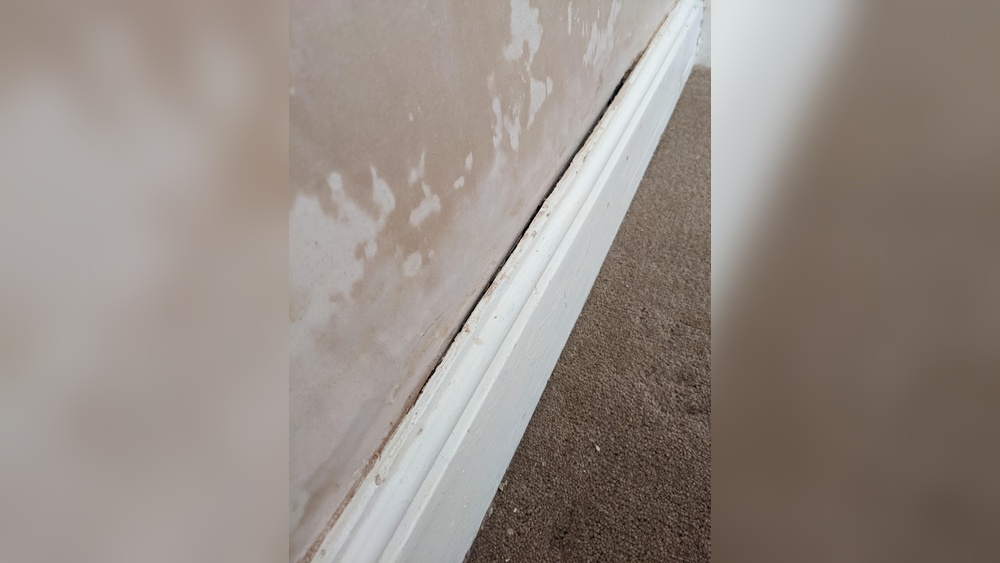
Leaks reduce water pressure by letting water escape before it reaches the tap. Look for wet spots or damp walls near kitchen pipes. Small leaks can cause big pressure drops over time. Repairing leaks helps restore strong water flow. Ignoring leaks can lead to bigger problems later.
Pressure Regulator Issues
The pressure regulator controls water pressure for the whole house. If it malfunctions, kitchen water pressure can drop. Regulators wear out or fail with age. A plumber can test and replace a faulty pressure regulator. Proper pressure balance is important for all taps.
Credit: www.estesair.com
Identifying Kitchen-specific Water Pressure Problems
Low water pressure in the kitchen tap can be frustrating. It often points to problems specific to that area. Identifying the exact cause helps fix the issue faster. Focus on the kitchen area to find what blocks the water flow.
Comparing Pressure In Other Taps
Check water pressure in other taps around your home. This helps find if the problem is only in the kitchen. Turn on taps in the bathroom and laundry room. Note if their water flow feels strong or weak.
Strong pressure elsewhere means the issue is local to the kitchen. Weak pressure everywhere suggests a bigger plumbing problem. This simple test narrows down where to look next.
Checking For Localized Pipe Damage
Look for damage or leaks near kitchen pipes. Pipes under the sink or behind the wall can get clogged or broken. Signs include wet spots, rust, or unusual noises.
Damaged pipes reduce water flow and cause pressure drops. Call a plumber if you find leaks or corrosion. Fixing pipes often restores normal water pressure.
Inspecting Kitchen Faucet Components
Remove the aerator from your kitchen faucet. Clean out any debris or mineral buildup inside. Blocked aerators often cause low water pressure.
Check the faucet cartridge and valves for wear or blockage. Replacing worn parts improves water flow. Simple maintenance can fix many faucet-related pressure problems.
Diy Fixes For Low Kitchen Water Pressure
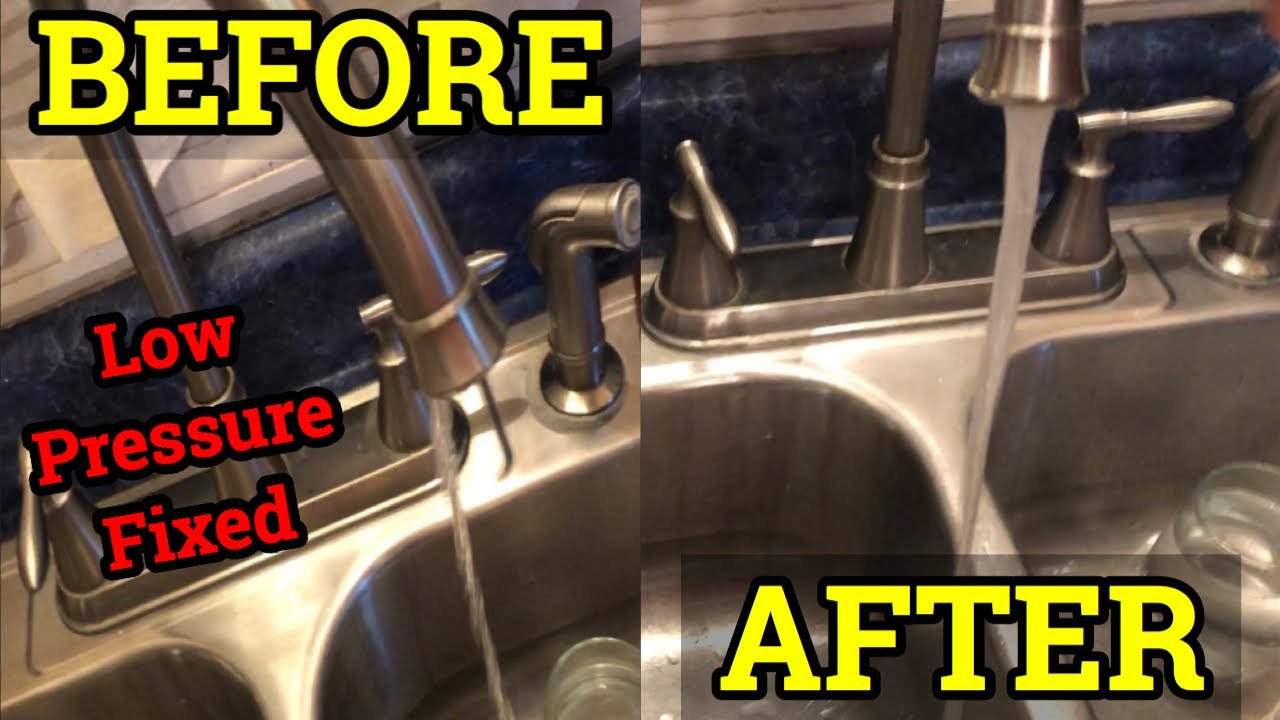
Low water pressure in the kitchen can slow down daily chores. Fixing it yourself saves time and money. Some simple steps can restore water flow quickly. These DIY fixes require only basic tools and little experience. Follow easy methods to improve your kitchen water pressure today.
Cleaning Or Replacing The Aerator
The aerator is the small screen at the faucet tip. It can get clogged with dirt and mineral buildup. Unscrew the aerator carefully and check inside. Rinse it under running water or soak in vinegar for 30 minutes. Use a soft brush to remove stubborn debris. Replace the aerator if it looks damaged or worn out. Reattach it and test the water flow.
Flushing The Faucet And Pipes
Sediment and mineral deposits may block pipes inside the faucet. Turn off the water supply first. Open the faucet fully and let water run for a few minutes. This flushes out any trapped particles. For deeper cleaning, remove the faucet handle and cartridge. Soak parts in vinegar to dissolve buildup. Reassemble the faucet and check for better pressure.
Adjusting Valves
Valves control water flow to your kitchen faucet. Locate the shut-off valves under the sink. Make sure they are fully open by turning them counterclockwise. Partially closed valves reduce water pressure. Adjust valves slowly to avoid leaks or damage. Confirm that water flows stronger after adjustment.
Detecting And Fixing Leaks
Leaks reduce water pressure by wasting water. Look under the sink and around pipes for wet spots. Use a dry cloth to check for hidden drips. Tighten loose pipe connections with a wrench. Replace damaged washers or seals if needed. Small leaks fixed promptly improve water flow and prevent damage.
Credit: www.youtube.com
When To Call A Plumber
Knowing when to call a plumber saves time and prevents bigger problems. Some water pressure issues need professional tools and skills. A plumber can spot hidden problems quickly.
Persistent Pressure Issues
If your kitchen tap water pressure stays low after cleaning aerators or checking valves, call a plumber. Persistent problems may mean a deeper issue inside the pipes. Professionals can test water flow and find blockages or leaks.
Complex Pipe Blockages
Simple clogs you can fix yourself. But complex blockages inside pipes need special equipment. A plumber uses cameras and tools to clear tough blockages safely. This stops damage and keeps water flowing well.
Pressure Regulator Replacement
Low pressure might come from a broken pressure regulator. This device controls water flow into your home. A plumber can check the regulator and replace it if needed. This restores steady water pressure in your kitchen.
Preventing Future Low Water Pressure
Preventing low water pressure in your kitchen saves time and stress. Small issues can turn into big problems fast. Regular care helps keep water flowing strong and steady. Follow simple steps to avoid future drops in pressure.
Regular Faucet Maintenance
Clean faucet aerators every few months. Sediment and mineral buildup block water flow. Replace worn washers and seals to stop leaks. Tighten loose parts to keep pressure steady. Check for damage and fix it early.
Water Quality And Sediment Control
Test your water for hardness and sediment. Hard water leaves mineral deposits inside pipes and faucets. Use filters to catch dirt and particles. Flush pipes periodically to remove sediment buildup. Good water quality protects your plumbing system.
Routine Plumbing Inspections
Schedule inspections with a professional plumber yearly. They detect hidden leaks and pipe issues. Early fixes prevent pressure drops and costly repairs. Inspect valves and connections for wear. Keep your plumbing system in top shape.

Credit: www.reddit.com
Frequently Asked Questions
Why Is My Kitchen Tap Water Pressure Low Only?
Low kitchen tap water pressure often results from clogged aerators or pipes. Mineral buildup and debris block water flow. Additionally, localized plumbing issues or faulty valves can reduce pressure. Checking and cleaning the aerator or inspecting pipes usually fixes the problem effectively.
How Can I Fix Low Water Pressure In Kitchen Tap?
To fix low kitchen tap water pressure, start by cleaning the aerator. Remove mineral deposits or debris. Inspect supply valves and pipes for leaks or blockages. Replacing damaged parts often improves pressure. If issues persist, consulting a plumber is recommended for accurate diagnosis.
Can Clogged Pipes Cause Low Kitchen Water Pressure?
Yes, clogged pipes can cause low kitchen water pressure. Sediment and mineral buildup reduce water flow. Over time, narrow or blocked pipes restrict pressure specifically in the kitchen. Regular maintenance and pipe cleaning help maintain optimal water pressure and prevent clogging.
Does Faucet Type Affect Kitchen Water Pressure?
Yes, faucet type can affect kitchen water pressure. Some faucets have built-in restrictors or aerators that limit flow. Older or faulty faucets may cause pressure drops. Choosing high-quality faucets designed for strong flow can improve water pressure in the kitchen.
Conclusion
Low water pressure in your kitchen tap can come from many causes. Clogged pipes, faulty valves, or a blocked aerator often reduce flow. Checking these parts can help you find the issue fast. Fixing small problems yourself saves time and money.
If problems persist, calling a plumber is the best choice. Good water pressure makes cooking and cleaning easier. Don’t let low pressure slow you down. Take simple steps to restore your kitchen tap’s flow today.