Why is My Wall Damp in One Spot near Floor Only

Have you noticed a damp patch on your wall, right near the floor? It might seem small, but that damp spot can cause big problems if you ignore it.
You’re probably wondering why it’s happening in just one spot and what it means for your home. Understanding the cause is key to fixing it quickly and protecting your walls from further damage. Keep reading to discover the common reasons behind that stubborn damp area and what you can do to stop it for good.
Common Causes Of Damp Spots Near The Floor
Damp spots near the floor on walls are common in many homes. These spots often signal moisture problems that need attention. Understanding the causes helps to fix the issue and stop damage. Several factors cause dampness in just one area close to the floor. Each cause needs a different approach to solve it.
Rising Damp
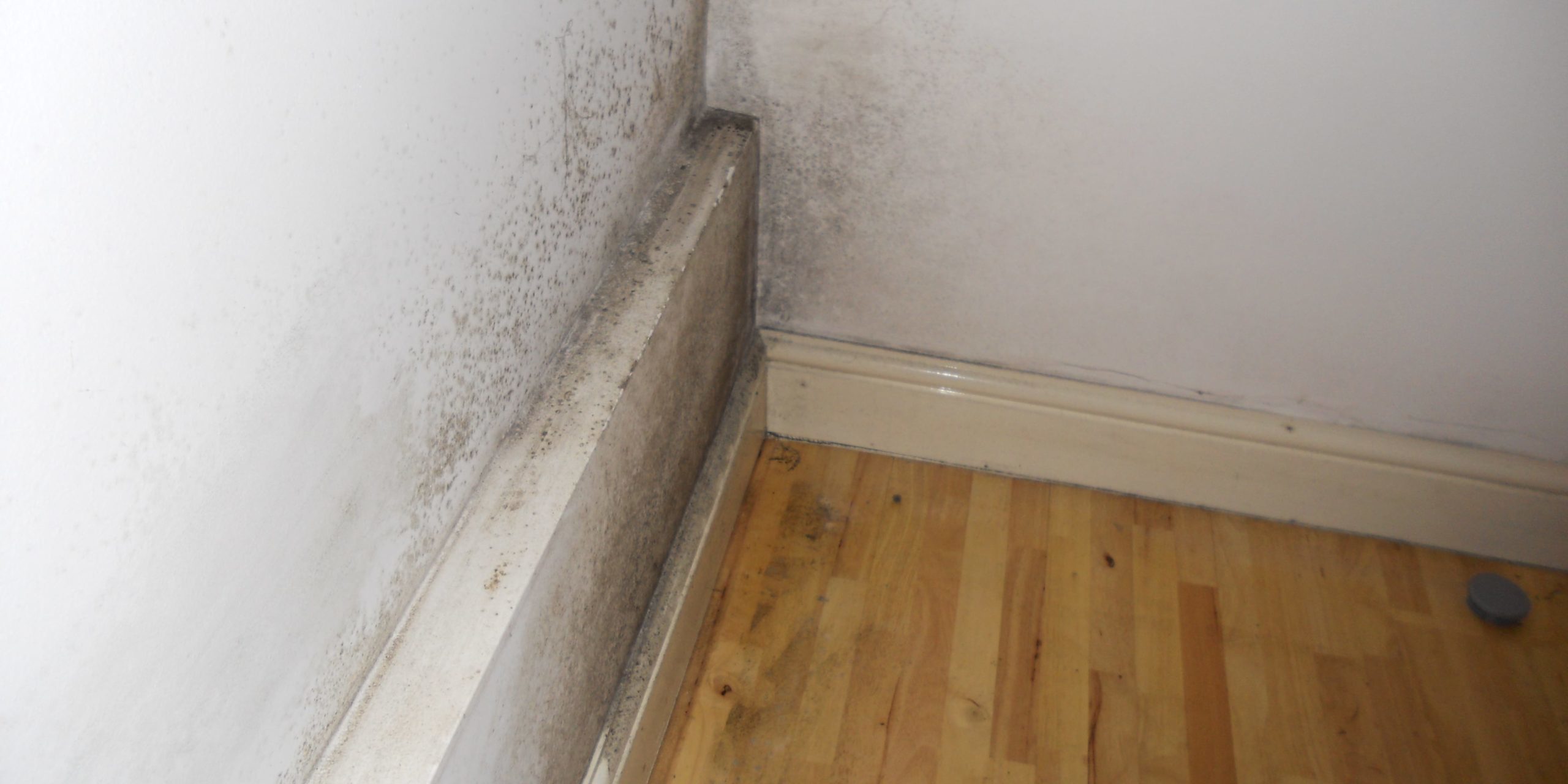
Rising damp happens when moisture from the ground moves up through the wall. It travels through tiny holes and cracks in bricks or mortar. This moisture appears as damp patches near the floor. Walls look stained and may feel cold or wet to touch.
Leaking Pipes
Water pipes inside or under walls can leak slowly. These leaks cause damp spots on nearby wall areas. The water collects near the floor and soaks the wall. Leaks may come from old pipes or loose joints.
Condensation Issues
Condensation forms when warm air meets a cold wall surface. Moisture collects and drips down, making damp patches near the floor. Poor heating or high indoor humidity can increase condensation. This often happens in bathrooms or kitchens.
Poor Ventilation
Rooms with little fresh air suffer from dampness. Lack of airflow traps moisture inside. This moisture settles on walls near the floor, causing damp spots. Ventilation helps dry out walls and reduce moisture build-up.
Faulty Damp Proof Course
The damp proof course (DPC) stops moisture from rising up walls. A damaged or missing DPC lets water rise freely. This causes dampness near the floor level. Fixing the DPC prevents moisture from damaging walls.
Credit: www.ebay.com
How To Identify The Source
Finding damp on your wall near the floor can be puzzling. The key is to find where the moisture comes from. Identifying the source helps fix the problem quickly. It also stops damage from spreading.
Checking For Water Leaks
Look closely at pipes near the damp spot. Check under sinks and behind appliances. Small leaks cause damp patches on walls. Watch for wet spots on the floor or ceiling. Run water and see if the damp grows.
Inspecting External Walls
Examine outside walls near the damp area. Look for cracks or broken bricks. Missing or damaged seals let water in. Check gutters and downspouts for blockages. Water pooling near the wall can cause damp inside.
Assessing Indoor Humidity Levels
High indoor humidity causes damp walls. Use a simple moisture meter or hygrometer. Bathrooms and kitchens often have more moisture. Ventilate these rooms well. Dry air reduces condensation on walls.
Examining Floor And Wall Junctions
Check the joint where wall meets floor. Cracks or gaps allow water entry. Look for damaged skirting boards or floor tiles. Water may come from under the floor. Seal any gaps to stop moisture rising.
Effects Of Damp Spots On Your Home
Damp spots on walls can harm your home in many ways. These wet areas near the floor can cause serious problems if not fixed. Understanding the effects helps you act fast and protect your house.
Even a small damp patch can lead to bigger issues. It affects the building’s strength, your family’s health, and the look of your walls. Acting early saves money and stress later.
Structural Damage Risks
Dampness weakens walls over time. Water seeps into bricks and mortar. This causes cracks and crumbling. Wooden parts may rot and lose strength. The building becomes unsafe and needs costly repairs.
Health Concerns
Damp spots create a moist environment. This helps bacteria and dust mites grow. People can get allergies and breathing problems. Children and elderly are more at risk. Healthy air is important to avoid sickness.
Mold And Mildew Growth
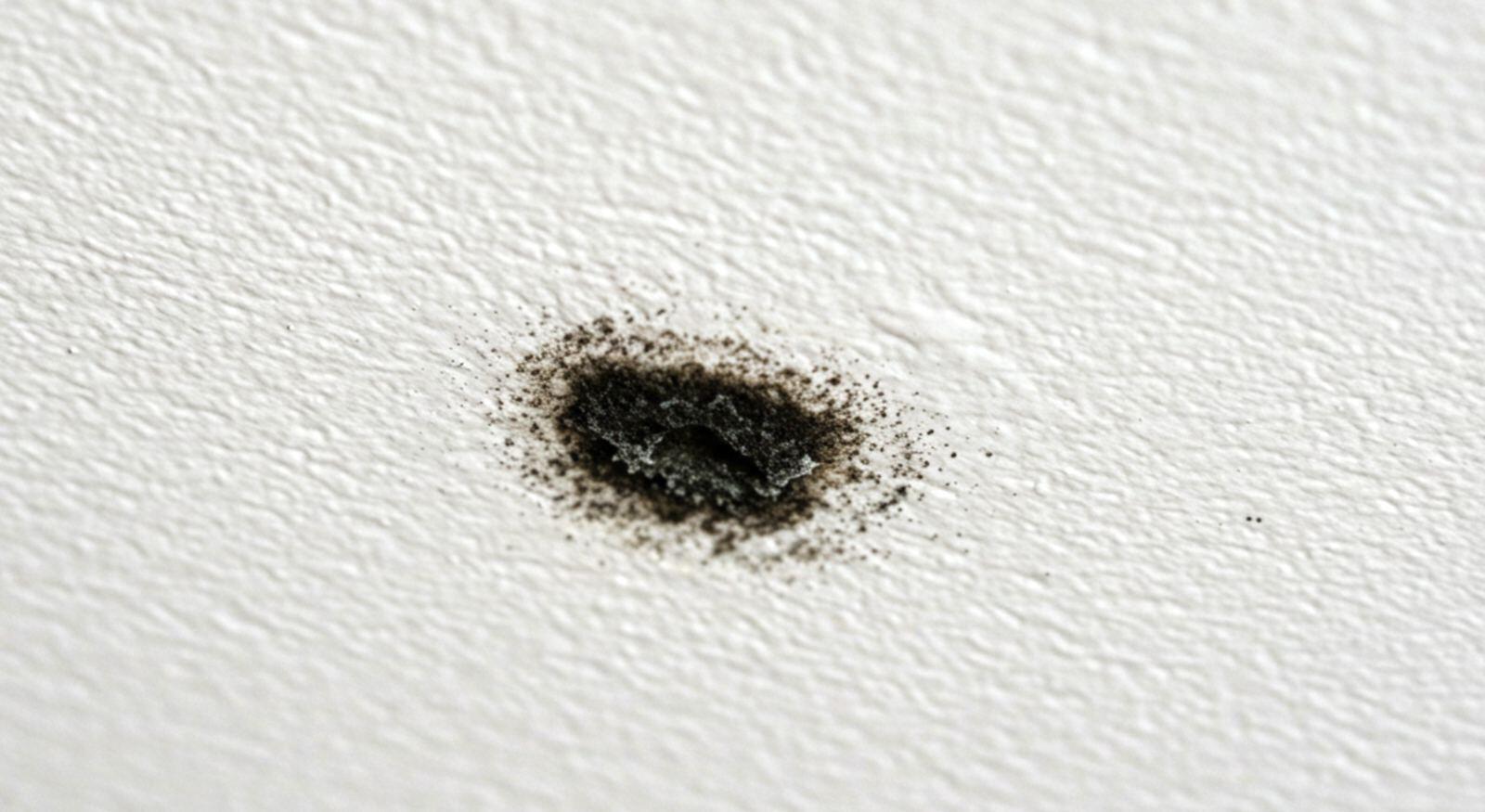
Mold thrives in damp places. It spreads quickly on walls and floors. Mold spores cause bad smells and stains. They can trigger coughing, sneezing, and skin irritation. Removing mold is hard and takes time.
Damage To Paint And Wallpaper
Dampness ruins wall coverings. Paint bubbles and peels off. Wallpaper loosens and tears easily. This makes rooms look old and untidy. Repairing walls costs money and effort.
Preventive Measures
Preventive measures help stop wall dampness before it worsens. Taking early steps protects your home’s structure and keeps it dry. These actions reduce moisture buildup near the floor and avoid costly repairs.
Improving Ventilation
Good airflow lowers moisture inside rooms. Open windows regularly to let fresh air in. Use exhaust fans in kitchens and bathrooms to remove humidity. Ventilation stops damp spots from forming near floors.
Regular Maintenance Checks
Inspect walls and floors often for signs of dampness. Look for peeling paint, mold, or stains. Fix leaks in pipes and roofs quickly. Regular checks catch problems early and keep walls dry.
Installing Damp Proof Membranes
Damp proof membranes act as barriers against moisture. Place them inside walls or under floors. They stop water from seeping up from the ground. This keeps the lower wall areas dry and safe.
Proper Insulation Techniques
Use insulation materials that resist moisture. Insulate walls and floors to maintain temperature and reduce condensation. Proper insulation prevents damp patches near the floor. It also improves energy efficiency in the home.
Repair And Treatment Options
Dealing with a damp spot near the floor can be tricky. Fixing it fast stops more damage. Knowing the right repair and treatment options helps protect your home. Each method targets the cause and keeps walls dry and strong.
Fixing Leaks And Plumbing Issues
Leaks often cause damp spots near the floor. Check pipes and taps for drips or cracks. Fixing leaks stops water from soaking the wall. Call a plumber if you cannot find the leak. Quick repairs stop damp from spreading further.
Treating Rising Damp
Rising damp happens when water moves up the wall from the ground. Use a damp-proof course or membrane to block moisture. Special treatments can dry out the wall and stop salt deposits. Treating rising damp early avoids serious damage to plaster and paint.
Replastering And Repainting
After fixing damp, walls may need replastering. Use damp-resistant plaster to protect the wall surface. Repainting with mold-resistant paint adds extra protection. These steps improve the wall’s look and stop damp from returning.
Professional Damp Surveys
Experts use tools to find hidden damp causes. A professional survey shows exact problem areas and moisture levels. They give advice on the best repair method. Surveys save time and money by targeting repairs correctly.
Credit: www.robinson-elliott.co.uk
Credit: www.restoreit.cleaning
Frequently Asked Questions
Why Is My Wall Damp Near The Floor Only?
Damp near the floor often indicates rising damp or poor drainage. Moisture from the ground rises through porous materials, causing localized dampness close to the floor level.
Can Leaking Pipes Cause Damp Spots Near The Floor?
Yes, leaking pipes inside walls or floors can cause damp patches. Water leakage saturates materials, resulting in dampness confined to a specific low area.
How Does Poor Ventilation Cause Floor-level Dampness?
Poor ventilation traps moisture, especially near floors where air circulation is weakest. This causes condensation and damp spots in that specific area.
Is Condensation Responsible For Damp Spots Near The Floor?
Condensation usually affects higher wall areas but can cause damp near floors if cold surfaces meet warm, moist air. This creates localized damp patches.
Conclusion
A damp spot near the floor can cause many problems. It may come from leaks, poor ventilation, or rising damp. Fixing it early saves your walls and home from damage. Check for water sources and improve airflow. Use a dehumidifier if needed.
Small actions prevent bigger issues later. Keep your home dry and comfortable. Don’t wait until the problem grows. Act now to protect your space and peace of mind.