How to Fix Peeling Laminate on Cabinets at Home

Are you tired of looking at your cabinets with peeling laminate? It can make your whole kitchen or bathroom feel old and worn out.
The good news is, you don’t have to replace your cabinets to fix this problem. You can repair peeling laminate yourself, right at home, and save money while giving your space a fresh new look. You’ll discover simple and effective steps to stop the peeling and restore your cabinets quickly.
Keep reading, because your cabinets deserve a second chance!

Credit: www.reddit.com
Identify The Damage
Before fixing peeling laminate on cabinets, it is important to identify the damage clearly. This step helps you understand how bad the problem is and what may have caused it. Proper identification saves time and ensures the right repair method.
Check The Extent Of Peeling
Look closely at the peeling areas on your cabinets. See how much laminate has lifted or come off. Small flakes can be fixed easily, but large sections may need more work. Also, check if the peeling spreads to the edges or corners. This shows if the damage is growing. Use your fingers gently to feel loose parts without causing more damage.
Assess Underlying Causes
Think about what made the laminate peel. Moisture is a common reason. Check for water spots or dampness near sinks or dishwashers. Heat from ovens or dishwashers can also weaken laminate glue. Sometimes, poor installation or low-quality laminate causes peeling. Identifying the cause helps prevent peeling again after repairs.
Credit: cuckoo4design.com
Gather Necessary Tools
Fixing peeling laminate on cabinets starts with having the right tools. Preparing these tools saves time and helps the repair go smoothly. Gather everything before you begin for the best results.
Adhesives And Fillers
Choose a strong wood glue or laminate adhesive. These products help stick the peeling laminate back in place. For gaps or cracks, use wood filler or putty. They fill spaces and make surfaces smooth again.
Cleaning Supplies
Clean surfaces before fixing them. Use mild soap and water or rubbing alcohol. These remove dirt and grease that stop glue from sticking. Have clean cloths or paper towels ready to wipe the area.
Application Tools
Use small brushes or spatulas to spread glue evenly. A putty knife helps smooth out fillers. Clamps or heavy objects hold laminate down while glue dries. These tools make the repair neat and strong.
Prepare The Surface
Preparing the surface is the first step to fix peeling laminate on cabinets. It creates a clean and smooth base. This step helps the repair materials stick better. Taking time here makes the repair last longer.
Clean The Area
Start by wiping the cabinet surface with a damp cloth. Remove dust, grease, and dirt. Use a mild soap solution for tough stains. Dry the area completely with a clean towel. A clean surface improves the glue’s hold.
Remove Loose Laminate
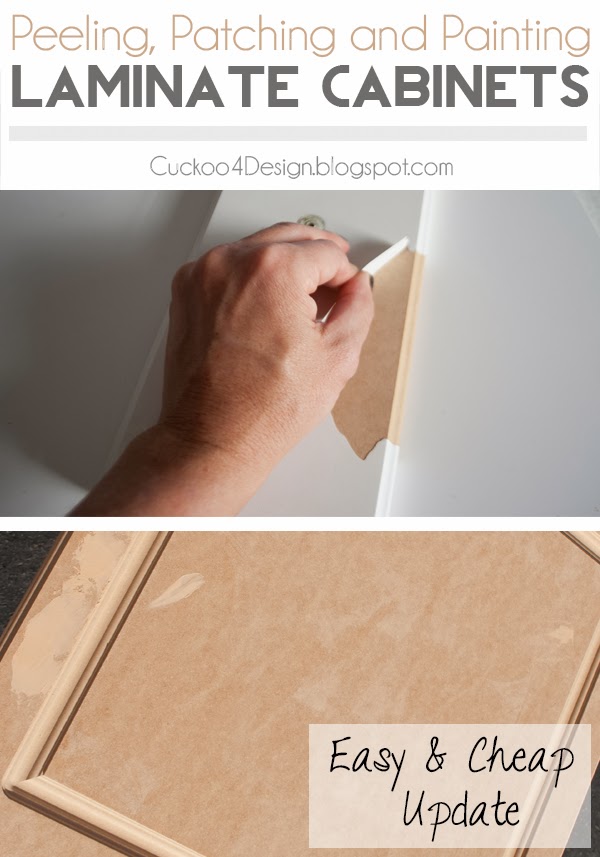
Look for any laminate pieces that are loose or lifting. Gently peel them away from the cabinet. Use a putty knife to lift stubborn edges. Avoid damaging the cabinet wood underneath. Removing loose parts prevents bumps and bubbles.

Credit: www.reddit.com
Apply Adhesive
Applying adhesive correctly is key to fixing peeling laminate on cabinets. It makes the laminate stick back firmly. The right glue and method prevent future peeling. Follow clear steps to ensure a smooth repair and long-lasting results.
Choose The Right Glue
Pick glue designed for laminate and wood surfaces. Contact cement works well for strong, quick bonds. White wood glue suits small areas and less stress. Avoid all-purpose glue; it may not hold laminate firmly. Check glue labels for compatibility with your cabinet material. Use glue that dries clear to keep the finish neat.
Techniques For Applying Adhesive
Start with a clean, dry surface. Remove dust and old glue bits first. Apply a thin, even layer of glue on the back of the laminate. Use a small brush or a spreader for smooth coverage. Press the laminate gently but firmly onto the cabinet surface. Use clamps or heavy books to hold it in place. Let the glue dry fully before removing pressure. Follow the glue’s instructions for best drying time.
Clamp And Secure
Clamping is a key step to fix peeling laminate on cabinets. It keeps the laminate flat and firmly pressed while glue dries. Without clamping, the laminate may peel again. This step ensures a strong bond and smooth surface.
Types Of Clamps To Use
Choose clamps that fit your cabinet size. Bar clamps are good for wide cabinet doors. They spread pressure evenly across the surface. C-clamps work well for smaller spots and tight spaces. Spring clamps are handy for quick jobs but may not hold strong enough. Use padded clamps to avoid damaging the laminate or wood. Select clamps with adjustable pressure for better control.
Proper Clamping Duration
Clamp the laminate for the time the glue needs to dry. Usually, this takes at least one hour. For best results, keep clamps on for 24 hours. This gives the glue full time to set. Avoid removing clamps too early to prevent peeling. Check the glue instructions for exact drying times. Keep the cabinet undisturbed while clamping to ensure a firm bond.
Fill Gaps And Imperfections
Filling gaps and imperfections is a key step in fixing peeling laminate on cabinets. This process makes the surface smooth and ready for further repair. It helps the laminate stick better and improves the cabinet’s look. Taking time to fill every crack or hole ensures a neat finish.
Selecting The Right Filler
Choose a filler that matches your cabinet color. Wood filler or putty works well for most cabinets. Pick a product that dries fast and sands easily. Avoid fillers that shrink or crack after drying. Check the filler’s label to ensure it sticks to laminate surfaces.
Sanding For Smooth Finish
After the filler dries, sand the area gently. Use fine-grit sandpaper to avoid scratching the laminate. Sand in small, circular motions for even smoothness. Remove dust with a clean cloth before painting or applying new laminate. A smooth surface helps the repair last longer and look better.
Touch Up And Seal
Touching up and sealing peeling laminate on cabinets helps protect and improve their look. This step repairs small damaged spots and stops peeling from spreading. It also blends the repair with the rest of the cabinet.
Careful color matching and a strong protective coat keep your cabinets looking good for years. These steps are simple and can be done at home with basic tools and materials.
Matching Paint Or Stain
Choose paint or stain that matches your cabinet color closely. Test on a small hidden area first. Use a small brush to apply thin layers. Let each layer dry before adding more. This avoids uneven color and thick spots. Matching color well makes repair less noticeable.
Applying A Protective Coat
After color dries, apply a clear protective coat. Use polyurethane or laminate sealer for best results. Apply with a clean brush or cloth in smooth strokes. Let it dry fully before using cabinets. The protective coat stops moisture and wear. It also helps keep the color fresh and strong.
Prevent Future Peeling
Preventing future peeling of laminate on cabinets helps keep them looking new. Small habits and care make a big difference. Protect your cabinets from damage and wear. Follow simple steps to avoid peeling and extend their life.
Maintain Cabinet Surfaces
Clean cabinets regularly with a soft cloth and mild soap. Avoid harsh chemicals that can damage laminate. Wipe spills immediately to stop stains and swelling. Use gentle cleaning tools to protect the surface. Check for scratches or cracks and fix them quickly. Avoid placing heavy objects on cabinet doors.
Control Moisture And Humidity
Keep your kitchen dry to protect cabinets from moisture. Use exhaust fans during cooking to reduce steam. Fix leaks under sinks or pipes as soon as possible. Avoid leaving wet cloths on cabinet surfaces. Use a dehumidifier if your kitchen is very humid. Proper ventilation helps prevent swelling and peeling.
Frequently Asked Questions
What Causes Laminate To Peel On Cabinets?
Peeling laminate on cabinets is caused by moisture, heat, or poor adhesive application. Over time, these factors weaken the bond, leading to lifting or bubbling.
How Can I Fix Peeling Laminate Without Replacement?
Clean the area, apply wood glue under the peel, and press firmly. Use clamps or heavy weights until the glue dries completely for a strong bond.
Is It Safe To Fix Laminate Peeling Myself?
Yes, fixing peeling laminate is safe with proper tools and patience. Follow instructions carefully to avoid damage and ensure a lasting repair.
How Long Does A Laminate Cabinet Repair Last?
A well-done laminate repair can last several years. Proper preparation and using quality adhesive are key for durability and resistance to moisture.
Conclusion
Fixing peeling laminate on cabinets is simple and saves money. Start with cleaning the surface well and remove loose pieces. Use glue designed for laminate and press firmly. Let it dry completely before using the cabinet again. Small repairs keep cabinets looking fresh and last longer.
Taking time to fix peeling now prevents bigger problems later. You can improve your kitchen’s look with just a few steps. Keep your cabinets strong and beautiful with regular care. Try these tips and enjoy your refreshed cabinets at home.