Why is My Toilet Making Noise After Flushing for Long Time

Is your toilet making strange noises long after you’ve flushed? You’re not alone—and it can be really frustrating.
That persistent sound might seem small, but it can signal a bigger problem lurking inside your bathroom. Understanding why this happens can save you time, money, and stress. Keep reading to discover the common causes behind that annoying noise and how you can fix it before it gets worse.
Your peace of mind—and your ears—will thank you.

Credit: fluidmaster.com
Common Toilet Noises
Toilets often make noises after flushing. Some sounds are normal, while others signal a problem. Understanding these noises helps you know when to fix your toilet.
This section explains common toilet noises and what they mean.
Types Of Flushing Sounds
A strong rushing sound is usual during a flush. It shows water moving quickly to clear the bowl.
A gentle trickle or dripping noise can happen as the tank refills. This usually stops within a minute.
Hissing or whistling sounds occur when water flows through narrow pipes or valves.
Occasionally, a gurgling noise appears. It may come from the drain or vent pipes.
When Noise Indicates A Problem
Constant running or loud hissing means water leaks inside the tank. This wastes water and raises bills.
Bubbling or gurgling sounds after flushing suggest a clog in the drain or vent pipe.
A banging or knocking noise often means water pressure is too high or pipes are loose.
Long-lasting trickling sounds show the fill valve does not close properly.
Credit: georgebrazilplumbingelectrical.com
Causes Of Prolonged Noise
Prolonged noise after flushing can be annoying and signals a problem in your toilet. Many parts inside the tank can cause this issue. Identifying the cause helps fix the noise fast.
Below are common reasons why your toilet keeps making noise for a long time after flushing.
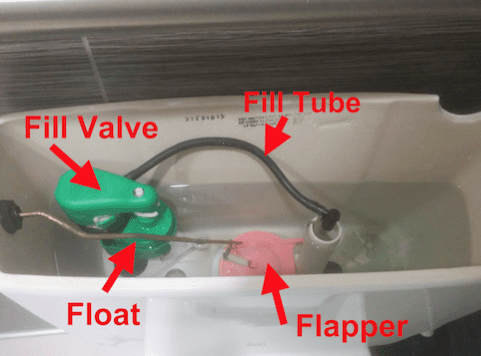
Faulty Fill Valve
The fill valve controls the water flow into the tank. A faulty valve may not close properly. This causes water to keep running and creates a constant noise. Dirt or wear can damage the valve parts. Replacing or cleaning it stops the noise.
Flapper Issues
The flapper seals the flush valve at the tank bottom. If it is warped or dirty, water leaks into the bowl. This leak makes the fill valve run longer to refill the tank. The result is a long noise after flushing. Checking and replacing the flapper often fixes the problem.
Water Pressure Problems
High water pressure can cause noisy filling sounds. It also stresses the fill valve and other parts. Low pressure may make the tank refill slowly, creating dripping noises. Adjusting the water pressure helps reduce the noise and protect the toilet parts.
Fill Tube Malfunctions
The fill tube directs water into the overflow tube. If the tube is loose or cracked, water flows unevenly. This causes gurgling or hissing sounds after flushing. Securing or replacing the fill tube usually ends the noise.
Impact On Water Usage
The noise from a toilet after flushing often signals a problem that affects water use. This issue does more than just annoy you. It also causes water to waste without a break. Understanding this impact helps you save water and money.
Continuous Running And Waste
A toilet that keeps running makes water flow constantly. Water leaks from the tank to the bowl. This waste adds up fast over days and weeks. Even small drips can lead to gallons lost each day. Fixing the noise stops this constant water loss.
Higher Utility Bills
More water use means higher water bills. The cost rises because water flows when it should not. Over time, this extra cost can become very large. Quieting the toilet saves money on monthly bills. It also helps conserve water for your home.
Credit: www.youtube.com
Diy Fixes For Noisy Toilets
Noisy toilets can be annoying. The good news is you can fix many common problems yourself. These DIY fixes save money and help you understand your toilet better.
Some noises come from simple parts that need adjusting or replacing. Others come from water flow issues. Let’s explore easy ways to stop your toilet from making noise after flushing.
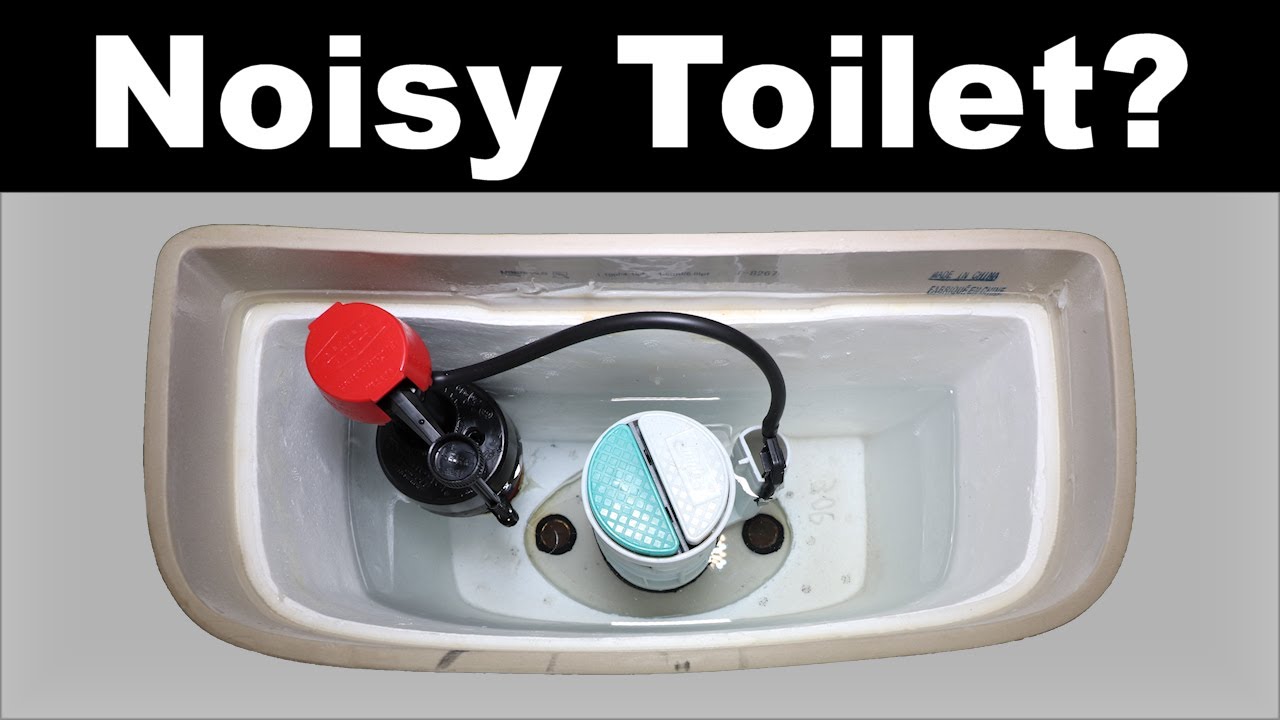
Adjusting The Fill Valve
The fill valve controls water coming into the tank. If it’s set too high, water keeps flowing and makes noise. Lower the float to reduce water level. This stops the valve from running too long. Turn the adjustment screw or slide the float down gently. Check if the noise stops after adjustment.
Replacing The Flapper
The flapper seals water in the tank. A worn flapper causes water to leak and noise to continue. Turn off the water supply and drain the tank. Remove the old flapper and install a new one. Make sure it fits well and seals tightly. This fix stops water from leaking and noise from lasting too long.
Checking The Water Pressure
High water pressure can cause noisy pipes and toilets. Test your home’s water pressure with a gauge. The ideal range is 40-60 psi. If pressure is too high, install a pressure reducer valve. This reduces noise and protects your plumbing. Low pressure may cause weak flushing, so adjust accordingly.
Cleaning Or Replacing The Fill Tube
The fill tube directs water into the overflow tube. Dirt or damage can cause splashing and noise. Remove the fill tube and clean it with vinegar or replace it if cracked. Make sure it is securely attached. A clean, intact fill tube helps quiet the refill process after flushing.
When To Call A Plumber
Knowing when to call a plumber saves time and prevents bigger problems. Some toilet noises after flushing are normal. Others signal issues needing expert help. Ignoring persistent sounds may cause damage or waste water. A plumber can diagnose and fix hidden problems quickly.
Persistent Noise Issues
Toilets that keep making noise after flushing need attention. Constant hissing, gurgling, or banging sounds mean a problem inside the tank or pipes. These noises do not stop on their own. They can waste water and increase bills. Calling a plumber helps find the exact cause. Professionals fix worn-out parts or leaks to stop the noise.
Complex Plumbing Problems
Some noises come from complex plumbing issues beyond simple fixes. Problems like pipe blockages, pressure imbalances, or faulty valves need special tools. Trying to fix these can cause more damage. A plumber has the skills and equipment to handle tough repairs. They ensure your toilet works quietly and efficiently again.
Frequently Asked Questions
Why Does My Toilet Make Noise After Flushing?
Your toilet makes noise due to water refilling the tank. The fill valve or flapper may be faulty, causing continuous water flow. Air trapped in pipes or mineral buildup can also create noise after flushing.
How Can I Fix A Noisy Toilet After Flushing?
Check and replace the fill valve or flapper if they are damaged. Clean mineral deposits from the valve and pipes. Adjust the water level in the tank to reduce noise and prevent continuous water flow.
Is A Noisy Toilet After Flushing A Sign Of Leak?
Yes, a noisy toilet often indicates a slow leak. Water continuously flows into the bowl or tank, causing noise and wasting water. Inspect the flapper and fill valve for leaks to fix the issue.
Can Mineral Buildup Cause Toilet Noise After Flushing?
Mineral buildup can restrict water flow and cause noise. Hard water deposits affect the fill valve and pipes, leading to hissing or whistling sounds. Regular cleaning helps prevent buildup and reduces noise.
Conclusion
Noisy toilets after flushing can be annoying and confusing. Often, the sounds come from worn parts or water pressure issues. Fixing these problems early saves water and money. Simple checks and small repairs usually stop the noise quickly. Don’t ignore the sounds; they can signal bigger issues.
Taking action keeps your bathroom quiet and working well. A peaceful flush means a happy home.