How to Fix Extension Cord Overheating When in Use

Have you ever noticed your extension cord getting hot while you’re using it? That heat isn’t just uncomfortable—it can be dangerous.
If your extension cord is overheating, it’s a sign that something isn’t right. Ignoring this problem could lead to serious hazards like electrical fires or damage to your devices. But don’t worry—this guide will show you simple, effective ways to fix extension cord overheating and keep your home safe.
Keep reading to learn how you can protect your equipment and avoid costly repairs.
Credit: www.cravingsomecreativity.com
Causes Of Extension Cord Overheating
Extension cord overheating is a common problem that can cause fires or damage. Knowing the causes helps prevent risks and ensures safe use. Several factors lead to overheating, often related to how cords are used or their condition.
Excessive Current Load
Extension cords have limits on how much electricity they can carry. Plugging in too many devices or heavy appliances causes too much current. This extra load makes the cord heat up quickly. Overloading can damage the cord and create fire hazards.
Poor Quality Cords
Cheap or low-quality cords often use thin wires and weak materials. These cords cannot handle high current safely. They heat up more than good quality cords. Using well-made cords reduces the chance of overheating and damage.
Damaged Or Worn Cords
Cords with cuts, cracks, or exposed wires are dangerous. Damage increases resistance inside the cord. This resistance causes heat to build up. Old or frayed cords should be replaced immediately to avoid fire risks.
Improper Cord Length And Gauge
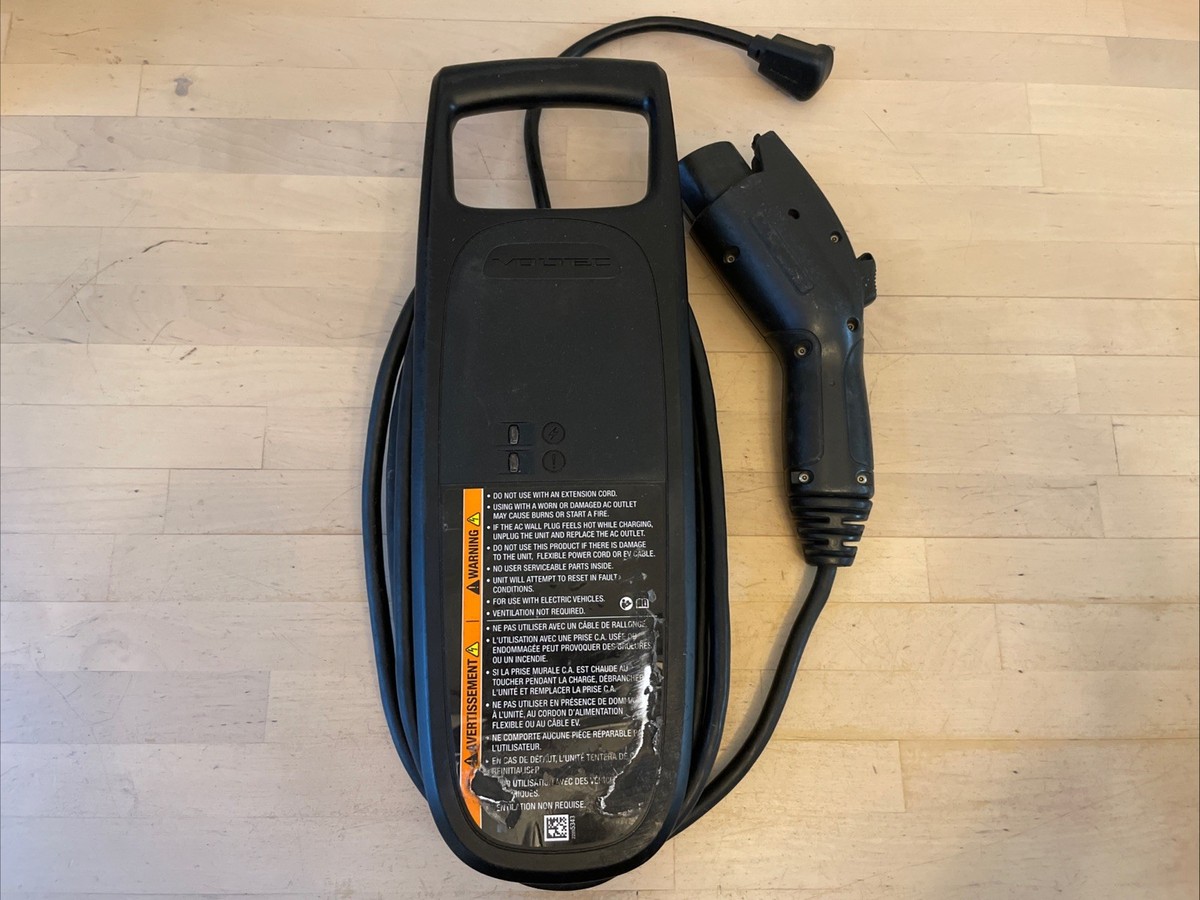
Long cords or cords with the wrong wire thickness cause problems. Thin wires (small gauge) cannot carry much current over long distances. This causes the cord to overheat. Using the right length and gauge keeps the cord cool and safe.
Credit: www.ebay.com
Signs Of Overheating Extension Cords
Extension cords are useful tools but can become dangerous if they overheat. Recognizing the signs of overheating helps prevent fires and damage. Watch out for clear warnings that your cord is too hot or stressed.
Visible Melting Or Discoloration
Check the cord’s surface for melted spots or color changes. Plastic or rubber may look shiny or cracked. These changes mean the cord is too hot and unsafe to use.
Warm To The Touch
Feel the extension cord while it is in use. A cord that is slightly warm is normal. But if it feels hot or uncomfortable, it is overheating and needs attention.
Unusual Odors
Notice any strange smells near the cord. A burning or chemical odor signals overheating. Turn off the power and inspect the cord immediately.
Frequent Tripping Of Circuit Breakers
Breaker trips can mean the cord draws too much power. If your circuit breaker often shuts off, the cord may be overloaded. This is a warning to reduce the load or replace the cord.
Choosing The Right Extension Cord
Choosing the right extension cord is key to preventing overheating. A poor choice can cause heat build-up, damage, or even fire. Understanding the basics helps you pick a cord that matches your needs safely.
Matching Cord Gauge To Appliance Needs
The thickness of the wire inside the cord is called the gauge. Lower gauge numbers mean thicker wires. Thicker wires carry more electricity without overheating. Check your appliance’s power needs. Use a cord with a gauge that can handle that power safely.
Selecting The Correct Length
Longer cords lose power over distance. This can cause the cord to heat up. Choose the shortest cord that reaches your appliance. Avoid extra length that is not needed. This keeps the cord cooler and safer during use.
Checking Cord Ratings And Certifications
Look for cords with clear power ratings on the label. These ratings show the maximum power the cord can handle. Also, check for safety certifications like UL or ETL. Certified cords meet safety standards and reduce risks of overheating.
Safe Usage Tips To Prevent Overheating
Extension cords can get hot during use. This happens when too much electricity flows through them. Overheating can cause fires or damage to your devices. Follow these safe tips to keep cords cool and working well.
Avoid Daisy-chaining Cords
Do not connect multiple extension cords together. This is called daisy-chaining. It causes more heat and can overload the cords. Use a longer single cord instead. This reduces the risk of overheating and electrical problems.
Use Grounded Cords For Heavy Appliances
Heavy appliances need grounded extension cords. These cords have three prongs for safety. Grounding helps prevent electrical shocks and overheating. Always check the cord’s rating matches the appliance’s power needs.
Keep Cords Uncoiled During Use
Never use extension cords while they are coiled or wrapped. Coiled cords trap heat and cause overheating. Lay the cord flat on the floor or ground. This helps heat escape and keeps the cord cool.
Limit Use Of Extension Cords For Permanent Wiring
Extension cords are for temporary use only. Do not use them as permanent wiring. Permanent wiring should be installed by a professional electrician. Using cords long-term increases fire risk and can cause overheating.
Repair And Replacement Guidelines
Extension cords can overheat due to damage or wear. Fixing them safely is important. Follow clear repair and replacement guidelines to avoid hazards. These steps help you decide what to do with your cord.
Inspecting For Damage
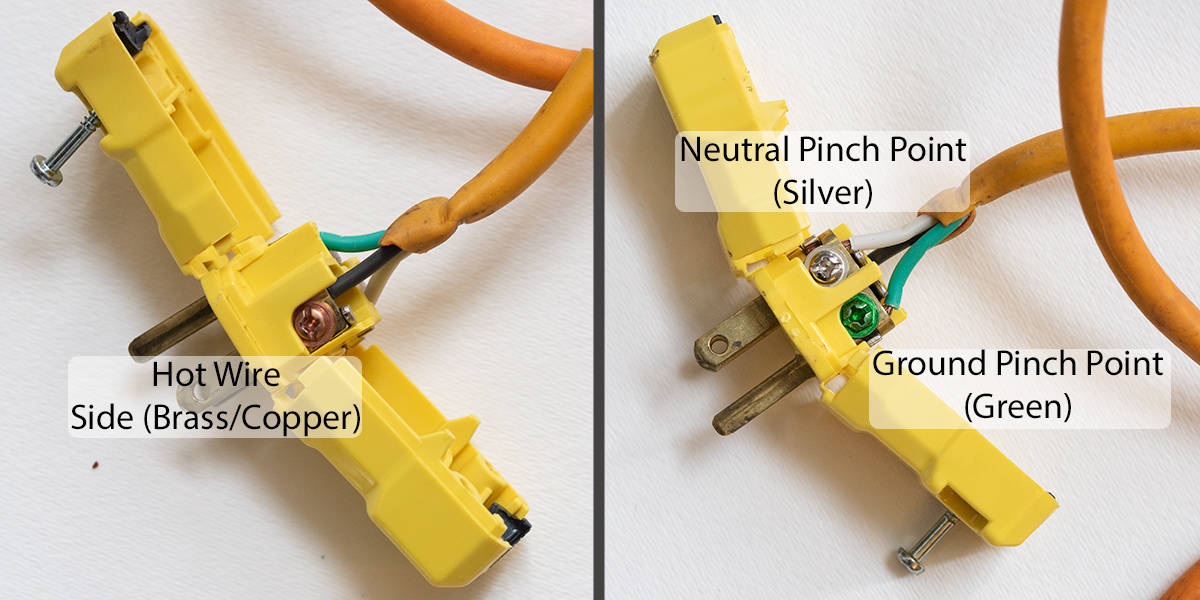
Look closely at the cord’s entire length. Check for cuts, cracks, or exposed wires. Feel for soft or brittle spots. Pay attention to plugs and connections. Any damage can cause overheating or electric shock.
When To Repair Vs Replace
Small, superficial damage might be repairable. Deep cuts or exposed wires need replacement. If the cord smells burnt or feels hot, do not repair. Replace the cord immediately. Old cords with worn insulation should be replaced too.
Proper Repair Techniques
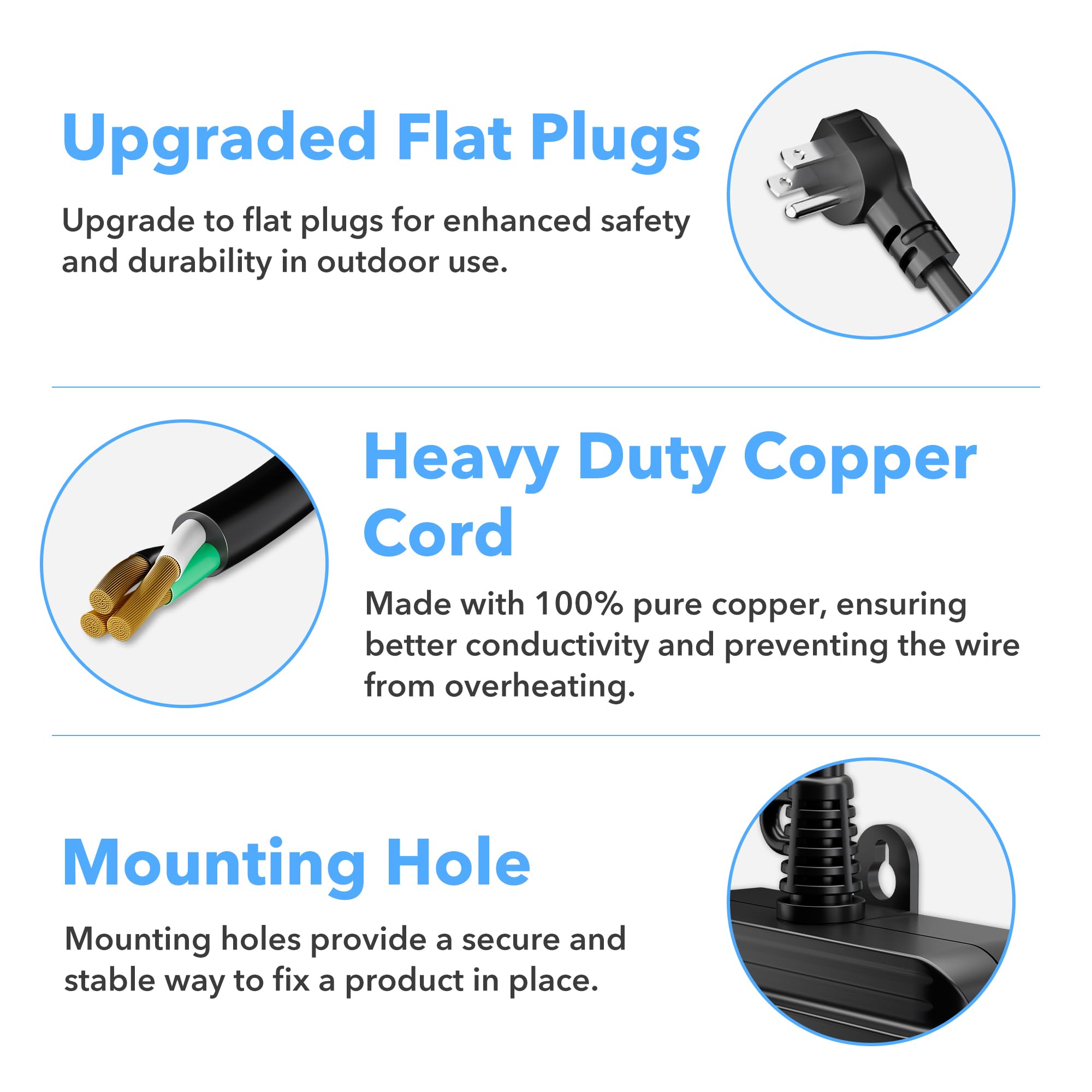
Use electrical tape only for minor surface damage. For wire damage, cut out the bad section. Use wire connectors and heat shrink tubing to join wires. Make sure all connections are tight and insulated. Never use regular tape or glue on wires.
Disposing Of Faulty Cords Safely
Do not throw damaged cords in regular trash. Take them to electronic recycling centers. Some stores offer cord recycling programs. Proper disposal prevents fire risks and environmental harm. Always follow local guidelines for electronic waste.
Credit: www.amazon.com
Additional Safety Precautions
Taking extra safety steps helps prevent extension cord overheating. These simple actions keep you and your home safe. They reduce risks and improve cord performance.
Using Circuit Breakers And Gfcis
Circuit breakers stop power if the cord draws too much electricity. They protect wires from damage and fires. GFCIs cut power fast during electrical faults. Use these devices for any outdoor or wet-area cords. They add a vital layer of safety.
Avoiding Water Exposure
Water causes short circuits and overheating in cords. Keep extension cords dry at all times. Never place cords near puddles or wet surfaces. Use covers or raised platforms to protect cords outside. This prevents electric shocks and damage.
Regular Maintenance Checks
Inspect cords often for cuts, cracks, or worn parts. Replace damaged cords immediately to avoid hazards. Clean plugs and sockets to keep good contact. Regular checks catch problems before they cause overheating. A little care extends cord life and safety.
Frequently Asked Questions
Why Is My Extension Cord Overheating?
Extension cords overheat due to excessive current flow or poor connections. Using cords with incorrect gauge or damaged insulation also causes heat buildup. Ensure your cord matches the power requirements and is in good condition.
How Can I Prevent Extension Cord Overheating?
Avoid overloading the cord by checking its amp rating. Use cords with appropriate thickness and length. Inspect regularly for damage or frayed wires. Unplug when not in use to reduce heat risk.
What Gauge Extension Cord Is Safest For Heavy Use?
A lower gauge number means a thicker wire and safer heavy use. For high power devices, use 12 or 14 gauge cords. Thicker wires reduce resistance and prevent overheating.
Can Extension Cords Cause Electrical Fires?
Yes, overheated or damaged cords can spark fires. Always use cords within their capacity and avoid running them under carpets or through doorways. Regular inspection helps detect hazards early.
Conclusion
Extension cord overheating can cause serious safety risks. Check the cord’s rating before use. Avoid plugging in too many devices at once. Use cords that are in good condition and not damaged. Keep cords untangled and away from heat sources.
Regularly inspect cords for signs of wear or damage. Taking these simple steps helps keep your home safe. Stay alert and use extension cords wisely. Safety always comes first.