Why is My Wall Cracking above Door Frame Slightly

Have you noticed a small crack forming right above your door frame? It might seem harmless at first, but that tiny line could be telling you more than you realize.
You might wonder, “Why is my wall cracking above the door frame slightly? ” Understanding the reasons behind this common issue can save you time, money, and stress. Keep reading to discover what causes these cracks, how serious they are, and what you can do to fix them before they become a bigger problem.
Your home deserves the best care, and knowing the truth about these cracks is the first step.
Credit: www.nar.realtor
Common Causes Of Wall Cracks
Wall cracks above door frames are common in many homes. Understanding why these cracks appear helps you decide what to do next. Several factors cause these cracks, mostly linked to changes in the building materials or structure. Knowing these causes makes it easier to prevent bigger problems later.
Structural Movement
Buildings shift slightly over time. This movement can be due to settling foundations or changes in the soil. Even small shifts put pressure on walls. The stress often shows first above door frames, where the wall is weaker.
Material Shrinkage
New walls may crack as materials dry and shrink. Plaster and drywall lose moisture after installation. This shrinkage creates small gaps and cracks, especially near corners and edges like door frames.
Temperature Fluctuations
Walls expand and contract with temperature changes. Heat makes materials grow, cold causes them to shrink. These constant changes stress the wall surface. Cracks can form where stress is greatest, often above doors.
Moisture Impact
Water damage weakens walls and causes cracks. Leaks or high humidity let moisture seep into materials. Wet walls expand and then shrink as they dry. This cycle causes cracks, particularly in vulnerable areas like door frames.

Credit: www.reddit.com
Why Cracks Appear Above Door Frames
Cracks above door frames are common in many homes. These cracks often start small but can grow over time. Understanding why they appear helps in fixing them properly. Walls and door frames face different pressures that cause these cracks.
Many factors cause these cracks. Some relate to how the building was made. Others come from the natural movement of the house. Here are the main reasons cracks appear above door frames.
Stress Concentration Points
Door frames create weak spots in walls. The edges of the frame hold more stress than other wall parts. Stress builds up around the frame during house movement or settling. This pressure causes tiny cracks to form.
These spots are more likely to crack because the wall cannot spread the force evenly. Over time, small cracks grow as stress continues.
Load Distribution Issues
Walls carry the weight of the house above them. Door frames interrupt this load path. If the weight is not properly supported, cracks may appear above the frame. The wall may bend or shift slightly.
Uneven load distribution causes pressure on the wall near the frame. This pressure can crack the plaster or drywall in that area.
Improper Installation
Poor door frame installation causes cracks. If the frame is not fixed tightly, it moves with the wall. This movement creates gaps and cracks above the frame. Using wrong materials or wrong sizes also leads to problems.
Proper installation prevents cracks by securing the frame well. This reduces stress and movement in the wall.
Types Of Cracks To Watch For
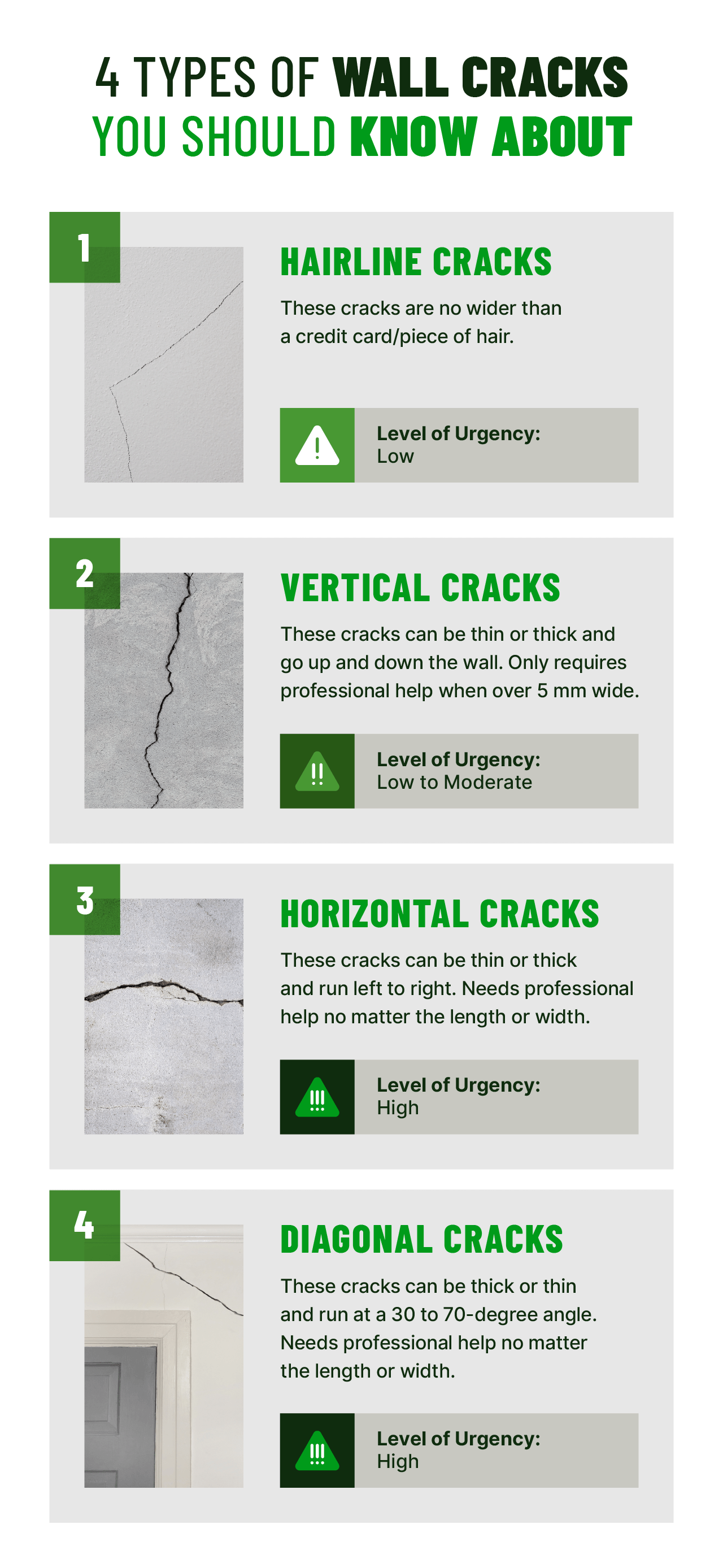
Cracks above door frames can tell you a lot about your wall’s condition. Some cracks are harmless, while others need attention. Knowing the types helps you decide what to do next. Different cracks mean different problems. Here are the main types to watch for.
Hairline Cracks
Hairline cracks are very thin and shallow. They often appear due to drying or shrinking of plaster. These cracks are common in new buildings. Usually, they do not affect the wall’s strength. You can fill them with simple paint or filler.
Horizontal Cracks
Horizontal cracks run straight across the wall. They may appear above the door frame due to pressure or movement. These cracks can signal structural issues. It is best to check them with a professional. Ignoring them might cause bigger problems later.
Vertical Cracks
Vertical cracks go straight up and down. Small vertical cracks are normal in some houses. They usually happen due to settling of the foundation. Large vertical cracks can weaken the wall. Watch their size and if they grow over time.
Stair-step Cracks
Stair-step cracks look like steps along brickwork or blocks. They often show foundation movement or soil problems. These cracks can let water inside the wall. Fixing them early stops damage from getting worse. Consult a builder for a proper solution.
Assessing The Severity Of Cracks
Assessing the severity of cracks above a door frame is important. It helps you decide if repairs are urgent or minor. Not all cracks are the same. Some need quick action, others do not. Understanding the crack’s size and behavior guides your next steps.
Measuring Crack Width
Start by measuring how wide the crack is. Use a ruler or tape measure for accuracy. Cracks less than 1/8 inch are usually minor. Wider cracks might show bigger problems. Keep a record of the width for future checks.
Monitoring Crack Progression
Check the crack regularly over weeks or months. Use a pencil to mark the crack’s ends. Note any changes in length or width. If the crack grows, it signals a worsening issue. Stable cracks are often less serious.
Signs Of Structural Damage
Look for other signs around the crack. Doors or windows sticking can mean shifting walls. Uneven floors or bulging walls are warning signs too. These indicate possible structural damage. Consult a professional if you spot these signs.
Repair Methods For Wall Cracks
Repairing wall cracks above door frames is important to keep your home safe and looking good. Small cracks can grow bigger if not fixed early. Different methods help fix cracks depending on their size and cause. Some fixes you can do yourself. Others need a professional.
Here are three common repair methods for wall cracks. Each method suits different crack problems. Choose the right one to protect your walls and avoid more damage.
Filling And Patching
Filling and patching is the easiest way to fix small cracks. Use a putty knife to apply filler into the crack. Smooth the surface and let it dry. Sand the area lightly for a smooth finish. Paint over the patch to match the wall color. This method works well for hairline cracks and minor damage.
Reinforcing With Mesh
For larger cracks, reinforcing with mesh gives extra support. Apply a special mesh tape over the crack. Then, cover it with joint compound or plaster. The mesh stops the crack from growing back. Sand the surface after drying and paint it. This method strengthens the wall around the crack.
Professional Structural Repair
Some cracks need a professional structural repair. Deep or wide cracks might mean a bigger problem. Experts check the wall’s foundation and structure. They use tools and materials to fix the root cause. This repair prevents future cracks and ensures safety. Trust professionals for serious wall damage.
Preventing Future Cracks
Preventing future cracks above door frames helps keep walls strong and safe. Small cracks can grow and cause bigger problems. Careful steps can stop new cracks from forming. Focus on key areas like installation, moisture, and temperature.
Ensuring Proper Frame Installation
A well-installed door frame supports the wall. Use correct tools and materials during installation. Check that the frame fits tightly in the wall opening. Avoid gaps between frame and wall. Poor installation leads to stress and cracks.
Controlling Moisture Levels
Moisture weakens wall materials and causes cracking. Keep rooms dry by fixing leaks fast. Use ventilation fans in kitchens and bathrooms. Avoid water buildup near walls and foundations. Stable moisture stops walls from swelling or shrinking.
Maintaining Stable Temperatures
Temperature changes make walls expand and contract. Keep indoor temperature steady with insulation and heating. Avoid sudden heat or cold near door frames. Stable temperatures reduce pressure on walls. This helps prevent cracks from forming.

Credit: www.reddit.com
Frequently Asked Questions
Why Is My Wall Cracking Above The Door Frame?
Wall cracks above door frames often occur due to structural movement or settling. This area experiences stress as the frame supports weight, causing small cracks. Temperature changes and moisture can also contribute, weakening the wall material over time.
Are Small Cracks Above Door Frames Serious?
Small cracks above door frames are usually not serious but should be monitored. They often indicate minor settling or stress. If cracks widen or spread, it may signal structural issues needing professional inspection.
How Can I Fix Cracks Above Door Frames?
To fix cracks above door frames, clean the crack and apply a flexible filler or joint compound. Sand and repaint the area for a smooth finish. For larger cracks, consult a professional to assess structural concerns.
Can Humidity Cause Wall Cracks Above Doors?
Yes, high humidity can cause wall materials to expand and contract. This movement may lead to cracks above door frames, especially if the wall contains drywall or plaster. Controlling indoor humidity helps prevent such damage.
Conclusion
Wall cracks above door frames can signal small or big issues. Watch for changes and act quickly to avoid damage. Fixing cracks early saves money and keeps your home safe. Use proper materials and follow the right steps to repair.
If unsure, ask a professional for help. Regular checks help catch problems before they grow. A small crack today might mean bigger repairs tomorrow. Stay alert and maintain your walls well for lasting strength.