How to Fix Tripped Circuit Breaker That Won’T Reset

Have you ever flipped your circuit breaker back on, only to find it won’t reset? It’s frustrating, confusing, and sometimes even a little scary.
But don’t worry—you’re not alone, and you don’t have to call an electrician right away. You’ll discover simple, clear steps to fix a tripped circuit breaker that won’t reset. By the end, you’ll feel confident handling this common problem safely and effectively.
Keep reading, and take control of your home’s electrical system today.
Causes Of Circuit Breaker Trips
Circuit breakers trip to protect your home from electrical hazards. Understanding why breakers trip helps fix the problem quickly. Several common causes lead to circuit breaker trips. These include too much load, wiring problems, and faulty devices. Knowing each cause makes troubleshooting easier and safer.
Overloaded Circuits
Overloaded circuits happen when too many devices draw power at once. Each circuit has a limit on how much electricity it can handle. Exceeding this limit causes the breaker to trip. This prevents wires from overheating and causing fires. Reduce the number of devices on one circuit to avoid overloads.
Short Circuits
Short circuits occur when a hot wire touches a neutral wire. This creates a large flow of electricity that the breaker detects. The breaker trips to stop damage and electrical fires. Short circuits often cause a burning smell or sparks. Check wiring and outlets for signs of shorts.
Ground Faults
Ground faults happen when electricity escapes the circuit and flows to the ground. This can be dangerous and cause shocks. Breakers with ground fault protection trip quickly to prevent injury. Ground faults often result from damaged wiring or wet conditions. Inspect electrical devices near water sources carefully.
Faulty Appliances
Faulty appliances can cause breakers to trip repeatedly. Internal damage or wiring issues inside the appliance create electrical faults. Testing appliances by unplugging them one by one helps find the problem. Repair or replace defective devices to keep your circuit safe.
Credit: www.selecthomewarranty.com
Safety Precautions Before Resetting
Before resetting a tripped circuit breaker that won’t reset, safety is the top priority. Electrical issues can be dangerous. Taking proper precautions helps avoid shocks and injuries. Follow these key steps to stay safe.
Turn Off Appliances
Unplug all devices connected to the tripped breaker. This reduces the electrical load. It also prevents damage to your appliances. Turning off appliances lowers the risk of sparks or short circuits.
Wear Protective Gear
Wear rubber-soled shoes and insulated gloves. These protect you from electric shocks. Avoid standing on wet floors or damp surfaces. Protective gear adds a layer of safety while working with electricity.
Use Insulated Tools
Use tools with insulated handles only. Metal tools without insulation can conduct electricity. Insulated tools reduce the chance of electric shock. Always keep tools dry and in good condition.
Step-by-step Reset Process
Resetting a tripped circuit breaker that won’t reset can be frustrating. Follow this simple step-by-step process. It helps you handle the issue safely and clearly. Each step is easy to understand and apply. Stay calm and take your time.
Locate The Tripped Breaker
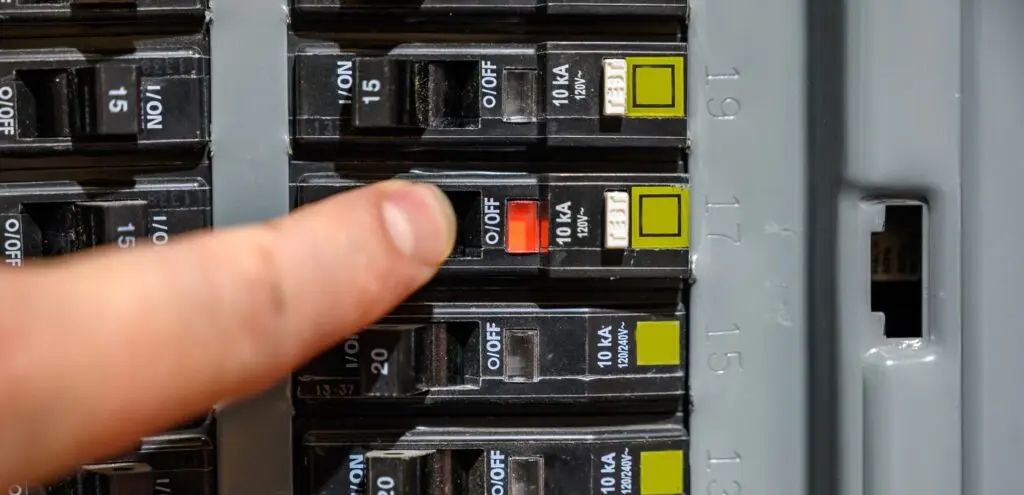
First, find your home’s circuit breaker panel. Usually, it is in the basement, garage, or utility room. Look for a switch that is in the middle position or off. This switch is the tripped breaker. It may also show a red or orange color.
Switch Off The Breaker Fully
Push the tripped breaker to the OFF position. This step is important before turning it back on. Make sure it clicks in place. Do not try to reset it without switching off fully.
Wait Before Resetting
Wait for about 30 seconds to 1 minute. This pause lets the breaker cool down and reset internally. Patience here improves the chance of a successful reset.
Switch Breaker Back On
Push the breaker switch back to the ON position. You should feel or hear a click. If it stays on, the issue may be fixed. If it trips again quickly, do not keep trying. Call an electrician for safety.

Credit: www.cncele.com
Troubleshooting When Breaker Won’t Reset
When a circuit breaker trips and won’t reset, it signals an electrical issue. Troubleshooting helps find the root cause quickly. This section guides through simple checks to fix the problem safely.
Check For Overloads
Start by looking for overloaded circuits. Too many devices on one breaker cause it to trip. Unplug some appliances and try resetting the breaker. If it resets, the overload was the issue. Avoid plugging too many items into one outlet.
Inspect For Short Circuits
Short circuits cause breakers to trip and not reset. Look for damaged wires or outlets with burn marks. Turn off power before checking wires. If you see frayed or melted wires, call an electrician. Short circuits can be dangerous and need quick attention.
Examine The Breaker Itself
The breaker might be faulty. A breaker that won’t reset could be old or broken. Check for signs of damage or burning smell near the breaker box. Replace the breaker if it looks worn out. Always switch off the main power before handling breakers.
Test Connected Appliances
Some appliances cause breakers to trip. Unplug all devices on the circuit. Reset the breaker. Plug in one appliance at a time. If the breaker trips again, the last device may be faulty. Repair or replace the problem appliance to prevent future trips.
When To Call A Professional
Knowing when to call a professional electrician is crucial for safety and proper repair. Some circuit breaker problems need expert help. Trying to fix certain issues alone can cause more damage or risk injury. Understanding the signs can save time and keep your home safe.
Repeated Trips
A breaker that keeps tripping often signals a serious problem. It may mean the circuit is overloaded or there is a short circuit. If resetting the breaker does not fix the issue, a professional should inspect the system. They can find the root cause and prevent future trips.
Damaged Breaker
Breakers that show signs of damage need expert attention. Look for burn marks, cracks, or a hot breaker switch. These signs mean the breaker is unsafe and may fail completely. An electrician can replace the damaged breaker safely and ensure the system works well.
Complex Electrical Issues
Some electrical problems are hard to diagnose without special tools. Issues like faulty wiring, ground faults, or panel problems require professional skills. Attempting to fix complex issues alone can be dangerous. Calling an electrician ensures a correct and safe repair.
Credit: www.reddit.com
Preventing Future Breaker Trips
Preventing future breaker trips is important to keep your home safe and avoid power outages. Understanding simple steps can help reduce the chance of a breaker tripping again. These tips also protect your electrical system from damage.
Avoid Overloading Circuits
Do not plug too many devices into one outlet. Each circuit has a limit on how much power it can carry. Overloading causes the breaker to trip to stop damage or fire. Spread out appliances across different outlets and rooms.
Use power strips with built-in circuit breakers. They help control power flow and prevent overloads. Check the wattage of devices to keep total power usage below the circuit limit.
Regular Electrical Maintenance
Schedule routine checks for your electrical system. A licensed electrician can spot problems early. Loose wires or worn parts may cause breakers to trip often.
Clean your breaker panel to remove dust and debris. Dust can cause poor connections and heat buildup. Regular maintenance ensures your system stays safe and works well.
Upgrade Old Breakers
Older breakers may not handle modern electrical loads safely. Replace outdated breakers with new, reliable ones. New breakers respond better to power surges and prevent false trips.
Consult an electrician to upgrade your panel if needed. Upgrades improve safety and reduce the chance of breaker problems. This investment protects your home and electrical devices.
Frequently Asked Questions
Why Won’t My Circuit Breaker Reset After Tripping?
A breaker won’t reset if a fault persists or it’s damaged. Check for overloads or short circuits. If the issue continues, the breaker may need replacement.
How Do I Safely Reset A Tripped Circuit Breaker?
Turn off all connected devices first. Then flip the breaker fully to OFF. Finally, switch it back ON slowly. Always use caution to avoid electric shock.
What Causes A Circuit Breaker To Trip Repeatedly?
Frequent trips often indicate overloaded circuits, faulty appliances, or wiring issues. Identify and fix the root cause to prevent damage or hazards.
Can A Faulty Breaker Prevent Resetting?
Yes, a damaged breaker can fail to reset. If you’ve ruled out electrical issues, consider testing or replacing the breaker.
Conclusion
Fixing a tripped circuit breaker that won’t reset can be simple. Start by turning off all devices on that circuit. Check for any signs of damage or overheating. Make sure the breaker switch is fully in the OFF position before resetting.
If it still won’t reset, the breaker may be faulty or there could be a wiring problem. Safety first—consider calling a licensed electrician if unsure. Regular checks help prevent future trips. Taking these steps helps keep your home safe and powered.
Stay calm and handle the issue step by step.