
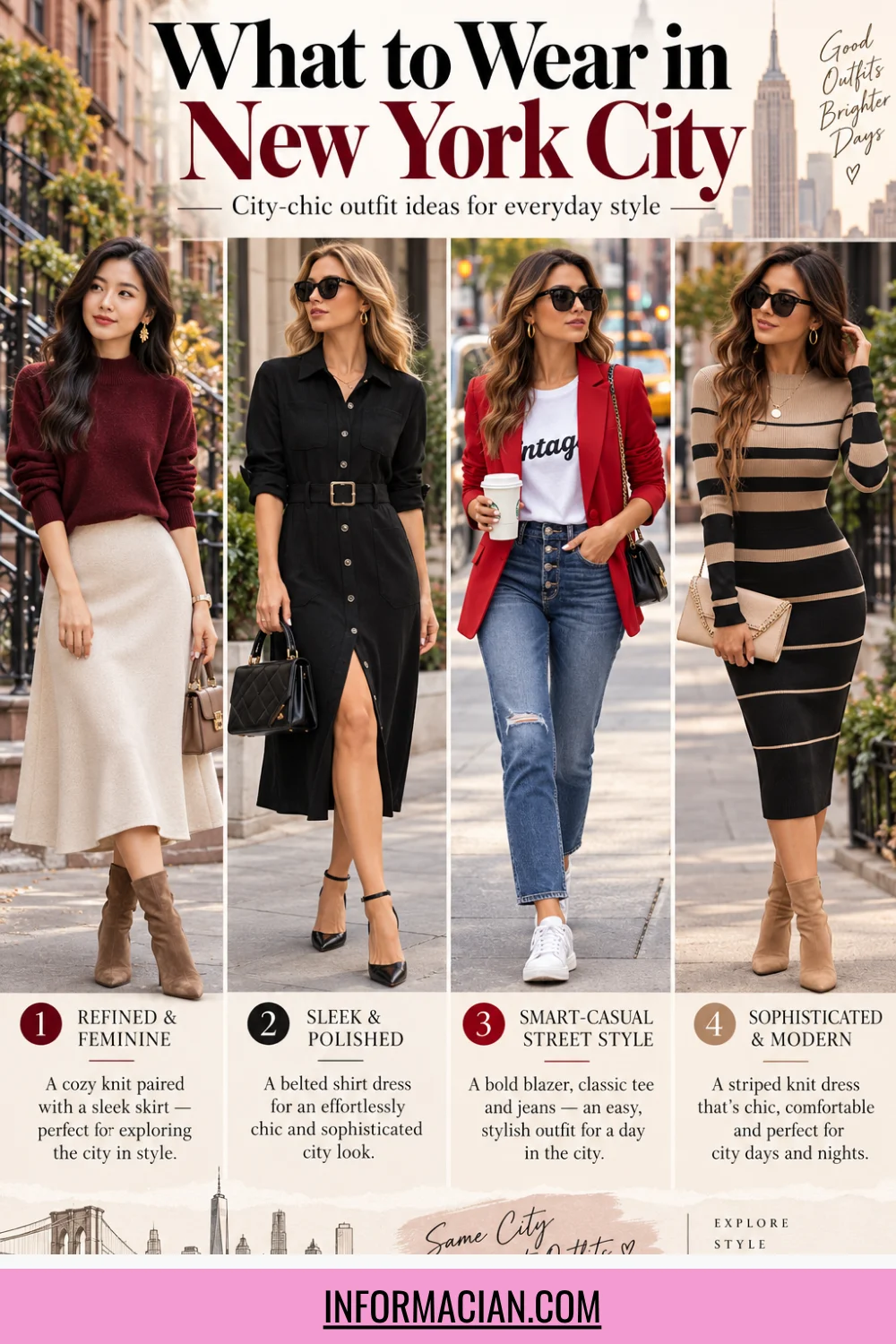
New York in October is the city showing off a little — the light goes gold in the afternoons, the trees in Central Park start turning, and everyone suddenly looks like they stepped out of a catalogue in their good coats. It’s genuinely one of the best months to visit. It’s also one of the most deceptive, weather-wise.
I got caught out on my first fall trip here wearing a light jacket because the forecast said “mild” — and then stood on an open subway platform at 8pm with wind cutting straight through it, wondering why nobody warned me that “mild” in New York still means the wind will find you. New York doesn’t really do gentle transitions. It does warm afternoons and genuinely cold evenings, sometimes in the same day.
So this isn’t a list of cute outfit ideas pulled from someone’s Pinterest board. It’s what actually holds up across a full day of walking avenues, standing on subway platforms, ducking into overheated shops, and still having something left in the tank for dinner.
Before We Dive In
Weather: October in New York starts mild — highs around 65-70°F (18-21°C) in early October — and drops steadily, with highs closer to 55°F (13°C) and colder nights by Halloween. Rain tends to come in as a full day of steady drizzle rather than the quick bursts you get in other cities, so plan for it properly rather than hoping it passes.
Walking conditions: New York is a walking-and-subway city in equal measure, and both matter for what you wear. You’ll cover long avenue blocks on foot, then drop into a subway station that’s oddly warm, then come back up into wind funneling between buildings. Your outfit needs to survive all three temperature zones within the same ten minutes.
Style culture: New Yorkers dress with intention but not flashiness — good coats, good boots, dark neutrals, nothing that screams for attention but everything clearly considered. It’s less about trends and more about looking like you know exactly where you’re going, even when you don’t.
The Bag You Actually Want for a New York Trip
Before the clothes — think about what’s carrying them. A soft structured carry-on or a duffle with a separate shoe pocket works better here than a giant hard-shell suitcase, mostly because you’ll likely be dragging it up at least one set of subway stairs or squeezing it into a walk-up apartment elevator that was clearly not designed with luggage in mind.
If your hotel or Airbnb is a few blocks from the nearest subway stop (extremely common in this city), a duffle with backpack straps is a genuine lifesaver over a rolling case on uneven sidewalks. October outfits also run bulkier than summer ones, so leave more give in your packing than you think you need — that sweater collection adds up fast.

Local tip: Pack a foldable tote in your carry-on. Between farmers markets, bookstores, and inevitable impulse buys on a SoHo walk, you’ll want it by day two.
Lightweight Layers (Why They Matter More Than You Think)
This is the category that makes or breaks a New York October trip. The temperature difference between a sunny midday walk through the High Line and an evening wait for the subway can be fifteen degrees, and no single sweater or jacket covers both comfortably.
The system that works: a breathable base layer close to your skin, a mid-layer you can tie around your bag or stuff in your tote when it warms up, and an outer layer that goes on top of both. This means a long-sleeve tee or lightweight merino top, then a cardigan or flannel shirt, then your coat.
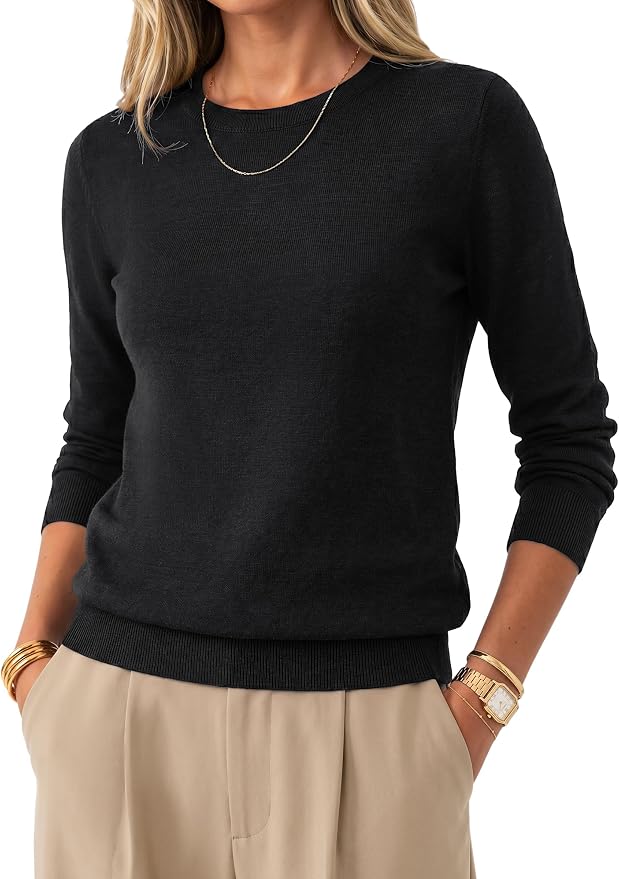
The whole point is being able to remove exactly one piece when you step into an overheated bodega or a packed subway car, instead of sweating through your only sweater for the rest of the day.
I’d rather pack three thin pieces than one thick one every time — it’s lighter in the suitcase and gives you more outfit combinations for the same amount of space.
Local tip: A merino or merino-blend base layer earns its keep on a multi-day trip since it doesn’t develop that stale, slept-in smell the way cotton does after a full day of walking.
The One Coat That Does All the Work
You don’t need five jackets for this trip. You need one genuinely good coat that handles wind, a light rain, and a real temperature drop without needing a puffer stuffed underneath it.
A wool-blend trench or a longer car coat is the sweet spot for most of October — warm enough for a chilly evening, breathable enough that you’re not sweating through a sunny afternoon in Washington Square Park.

If you’re visiting closer to Halloween, when the evenings turn genuinely cold, a lightly insulated parka or a quilted coat is the smarter call, especially near the water on a Staten Island Ferry ride or a walk along the Hudson.

Skip anything that’s purely decorative and does nothing against wind — a thin denim jacket looks great for five minutes of photos and does nothing once you’re standing on an open platform waiting for the 6 train.
Local tip: A coat with actual pockets deep enough for your phone and MetroCard (or phone with Apple Pay tapped to your case) saves you from digging through a bag at every turnstile.
Sweaters and Knits That Pull Double Duty
A good chunky knit basically replaces a coat on the milder days and is one of the most-worn pieces on any New York fall trip. A crewneck or turtleneck in a mid-weight wool blend works over a base layer during the day and looks intentional enough to wear straight into a dinner reservation without changing.

Pack two or three max, in colors that all talk to each other — a cream, a deep green or burgundy, and a neutral like charcoal covers the whole trip without an obvious repeat. Turtlenecks specifically pull extra weight here because they double as neck coverage on the days the wind picks up along the avenues.
Local tip: A slightly oversized knit with straight-leg jeans and boots is the easiest “put together without trying” look for a full day at the Met — comfortable enough for hours of walking, polished enough for the gift shop.
Dresses That Still Make Sense for New York in Fall
Dresses absolutely work here in October — you just need the right fabric weight and the right layering underneath. A few that genuinely hold up:
A midi sweater dress in a ribbed knit is probably the single most useful dress for this trip — warm on its own for a mild afternoon, easy to layer a coat over once it cools down.

A long-sleeve shirt dress in a heavier cotton or corduroy works well for daytime exploring, especially with tall boots and opaque tights underneath.

A wrap dress in a jersey or ponte knit is forgiving after a heavy pastrami sandwich or a late dinner, and photographs beautifully against New York’s architecture.

A corduroy or denim shift dress brings texture without much thought and layers easily under a coat on colder days.
A slip dress over a fitted turtleneck is an underrated combination for an evening out — it reads as intentional styling instead of “I forgot it would be cold.”

And a fit-and-flare dress with tights and a tailored blazer is the move for a nicer dinner without checking a coat at a restaurant all night.

Local tip: Don’t skip the tights. 40-denier is the floor, 80-denier is more realistic once the wind picks up along the avenues after sunset.
Jeans, Trousers, or a Proper Skirt
Denim is the default for good reason — it holds up to a full day of walking, hides a repeat wear, and layers cleanly under a coat. A mid-wash straight or slightly wide-leg jean works with both sneakers and boots, which matters when your feet decide halfway through the day that they’ve had enough of one or the other.

If jeans aren’t your thing, a wool-blend trouser in a straight or tapered fit reads a little more polished for dinner and doesn’t wrinkle the way cotton chinos do after being balled up in a bag all day.

A pleated midi skirt with tights is a solid third option — just make sure the fabric has real weight to it, since a thin cotton skirt does nothing against wind coming down an open avenue.

Local tip: Retire the shorts after the first week of October, even on a warm-looking day — the gap between noon sun and evening wind will catch you every time.
Walking Shoes That Actually Survive New York
This is not the trip to break in new shoes. Between avenue blocks, subway stairs, and standing on platforms, your feet need shoes that are already broken in and genuinely comfortable, not just cute in a mirror.
A pair of leather or suede ankle boots with a low block heel or flat sole is the strongest all-around choice — dressy enough for dinner, sturdy enough for a full sightseeing day, and they handle a light rain shower without falling apart.

A clean leather sneaker in a neutral tone is a solid alternative if boots aren’t your thing, and it reads more intentional than a bright athletic shoe.

Skip anything with a completely flat, unsupportive sole — ballet flats look nice for the first hour and painful by hour five.
Local tip: Waterproof spray on suede or leather boots before you leave home takes two minutes and saves your only good pair during an unexpected downpour on your walk to brunch.
What NOT to Wear (Mistakes I’ve Actually Watched People Make)
Shorts and a t-shirt past the first week of October is mistake number one — fine at noon, miserable by early evening. Flip-flops or slides are mistake number two, not for style reasons but because your feet will genuinely hurt after a day on concrete with zero support.
Wearing one heavy coat with nothing layered underneath is another — you’ll overheat instantly in a warm subway car or a packed restaurant, then have nothing left to add once you’re back outside in the wind.
And bringing a flimsy travel umbrella instead of a proper rain jacket is less a mistake and more an inevitability you can just plan around instead.
Local tip: If you take one thing from this entire article, let it be this — a hooded, water-resistant jacket beats an umbrella here nine times out of ten.
Evening Outfits: Dinner, Rooftop Bars, and a Night Out
New York’s evening dress code sits a notch above totally casual without tipping into formal — think “put together,” not black tie, unless you’re headed somewhere specific that calls for it.

For dinner or a rooftop bar, the sweater dress or slip-over-turtleneck combo from earlier works well with your ankle boots and a statement earring to finish it.

For a proper night out — a nicer restaurant, a show — trousers with a silky top and a tailored blazer or coat over it reads polished without being overdone. Rooftop bars specifically cool down fast once the sun goes, even after a mild afternoon, so bring the coat even if you’re convinced you won’t need the walk there.

Local tip: Coat check is standard at most nicer restaurants and theatres, so don’t hesitate to bring a dressier coat for the evening rather than lugging your daytime parka into a booth.
What to Wear for Churches, Museums, and Indoor Stops
New York’s major cultural stops don’t enforce strict dress codes, but a little modesty matters if you’re stepping into St. Patrick’s Cathedral or any of the smaller historic churches scattered through the boroughs, several of which are genuinely worth the detour off a typical tourist route.
Covered shoulders and knees are the safe default, and most of your October layering — sweaters, midi dresses, tights — already covers this without extra thought. Museums are more about comfort than modesty, which is exactly where those already-broken-in boots earn their keep across a multi-hour visit.

Local tip: Museums like the Met and MoMA run noticeably warm indoors compared to the street outside, which is exactly why peelable layers save you from carrying a hot coat around for two hours.
Bags: Crossbody vs. Backpack
For a city built around walking and the subway, a crossbody bag is the more practical daytime choice — hands free, sits close to your body on a crowded train, and doesn’t scream “tourist” the way an oversized backpack sometimes does.
A mid-sized crossbody with a zip closure fits a wallet, phone, folded scarf, and a small umbrella without bulking up your outfit.

A backpack still earns its place on heavier museum days when you’re carrying a water bottle and the layers you’ve peeled off — just choose a slim, structured one over a bulky hiking-style pack, which looks out of place with anything but the most casual outfits.

Local tip: Whichever bag you pick, make sure your phone is reachable without fully unzipping it — you’ll want quick access crossing Fifth Avenue for that skyline shot.
Accessories That Do More Than Decorate
Your accessories in New York in October are doing real work, not just finishing an outfit. A substantial scarf — not a thin decorative one — is the single most useful thing you can pack, since it covers your neck against the wind and can double as extra warmth if the evening drops faster than expected.

A structured hat, wool beanie or soft brim rather than a baseball cap, adds warmth and a bit of polish at once.

Gloves are worth packing by mid-to-late October, especially for anything near the water like the Staten Island Ferry or a Brooklyn Bridge walk.

And one statement piece — a bold earring, a good watch, a leather belt — keeps your layered outfits from reading as “just trying to stay warm” and more as “dressed on purpose.”
Local tip: A scarf and crossbody bag strap in coordinating tones is a five-second trick to make a thrown-together layered outfit look deliberate.
Rain Prep (More Important Than You’d Guess)
New York rain in October tends to settle in for a full afternoon rather than passing quickly, which makes the usual advice — “just bring an umbrella” — only half the solution.
A cheap umbrella won’t hold up against the wind tunnels between buildings, and juggling one while also holding a coffee and finding your subway entrance gets old fast.
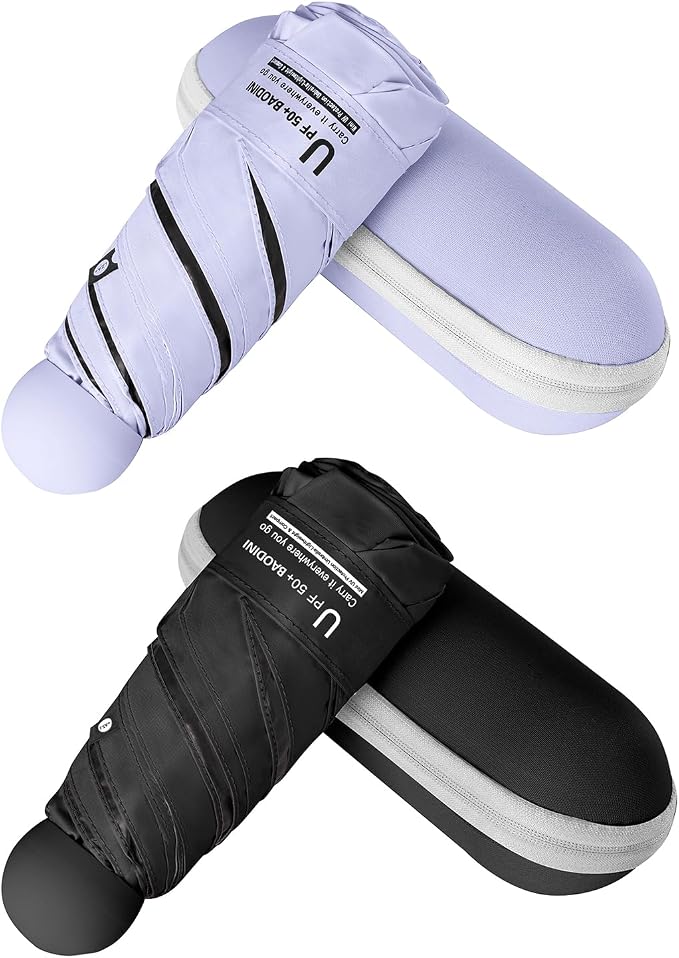
A hooded, water-resistant jacket solves this far more reliably than an umbrella alone. If you want a backup, get a genuinely sturdy compact travel umbrella rather than a flimsy one — but treat it as backup, not your primary plan.

Local tip: Water-resistant boots are worth it if you’re visiting later in October — puddles collect fast at curb corners after a steady rain, and dry socks make or break an afternoon.
Fabrics to Choose (and Avoid)
Wool, wool-blends, corduroy, and heavier cottons are your friends this month — warm without excess bulk, and forgiving of a light drizzle. Merino wool is worth prioritizing for base layers since it handles the day’s temperature swings better than plain cotton.
Skip pure linen (too breezy, wrinkles on contact), thin rayon or viscose that clings and offers no warmth, and anything dry-clean-only you’ll be nervous about getting rained on — this isn’t the trip for delicate fabrics you’re babysitting all day.
Local tip: Ponte knit is the unsung hero fabric here — holds its shape, doesn’t wrinkle in a suitcase, and works for both dresses and trousers.
Building a Capsule Wardrobe for 4–5 Days
You don’t need a new outfit for every single day. A tight capsule built around one coat, two bottoms (one jean, one trouser or skirt), three tops or sweaters, one dress, and one pair of boots gives you more mileage than you’d expect — easily 6–8 distinct outfits from around 8 pieces total.
Pick a color story before you pack — neutrals plus one or two accent colors — so everything mixes without extra thought each morning. This is also where the accessories section pays off: swapping a scarf or a piece of jewelry changes an outfit’s whole feel without adding any suitcase weight.
Local tip: Lay everything out on the bed before you pack and count actual outfit combinations, not individual items — if you can’t build at least six full outfits from what’s laid out, you’re either overpacking or missing a piece.
The Practical Packing Section
For a 4–5 day trip, aim for roughly: one coat, two sweaters or knits, two base layers, one dress, two bottoms, one pair of boots plus a backup shoe, a scarf, a hat, and enough underlayers to rotate without needing laundry mid-trip. Listed out it sounds like a lot, but layered smartly it’s genuinely one carry-on’s worth of clothing.
The biggest overpacking mistake is bringing multiple “just in case” jackets instead of trusting the layering system to handle temperature swings on its own. The second biggest is packing shoes you haven’t actually walked in for a few hours before the trip — blisters on day one color the whole rest of the visit, and that’s not a fair trade for a cute pair of shoes.
Plan your outfits loosely by day before you pack, accounting for one dressier evening and the rest casual-but-put-together, and you’ll travel lighter and dress better than if you just throw things in a bag and hope for the best.
Before You Go
New York in October rewards people who dress like they’ve done this before — layered, a little intentional, ready for the wind without disappearing under it.
You don’t need a suitcase full of options. You need a handful of pieces that actually work together, a coat that earns its space, and boots that have already been broken in before you land.
Pack smart, layer smarter, and you’ll spend the trip actually looking up at the skyline instead of thinking about how cold your ankles are. This city is worth showing up for properly — go have the trip.

