Why is My Kitchen Cabinet Peeling Laminate at Edges

Have you noticed your kitchen cabinet peeling laminate at the edges? It’s frustrating to see your cabinets losing their smooth finish and looking worn out.
You might wonder why this is happening and what you can do to fix it. Understanding the common causes behind laminate peeling can save you time, money, and stress. Keep reading to discover the main reasons your kitchen cabinets are peeling and how you can restore their fresh, clean look.
Don’t let this small problem turn into a big headache!
Common Causes Of Peeling Laminate
Peeling laminate on kitchen cabinet edges is a common problem. Understanding the causes helps prevent damage and saves money. Several factors lead to laminate peeling. Knowing these can guide proper care and repairs.
Moisture Exposure
Moisture is a major cause of laminate peeling. Water seeps into cabinet edges, weakening glue. Steam from cooking or spills also damages the laminate. Cabinets near sinks or dishwashers face higher moisture risks.
Poor Adhesive Quality
The adhesive holds laminate to the cabinet surface. Low-quality glue fails to bond well. Over time, it loses strength and peels away. Using strong, durable glue prevents early peeling.
Improper Installation
Incorrect installation causes laminate to lift at edges. If the surface is dirty or uneven, glue won’t stick properly. Rushing the job or skipping steps leads to poor results. Proper installation ensures lasting adhesion.
Wear And Tear Over Time
Daily use causes gradual wear on cabinet edges. Constant touching, opening, and cleaning wears down the laminate. Over years, this natural wear can cause peeling. Regular care extends the laminate’s life.

Credit: littleterracedhouse.com
Identifying Problem Areas
Identifying the problem areas in your kitchen cabinet’s peeling laminate helps fix the issue quickly. Spotting damage early prevents bigger repairs. Focus on the edges where peeling often starts.
Careful inspection reveals the cause of the peeling. Look closely at the laminate edges and surrounding surfaces. Small signs can point to larger problems.
Signs Of Edge Damage
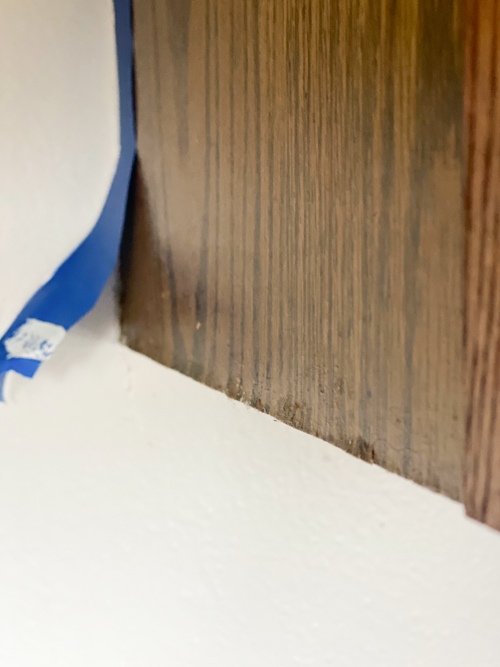
Peeling or curling laminate at edges shows damage. Rough, chipped, or cracked edges are warning signs. Loose laminate that lifts easily needs attention. Check edges for discoloration or stains too.
Checking For Water Damage
Water weakens laminate glue and wood underneath. Damp or swollen areas near edges show water damage. Look for soft spots or mold growth. Check under sinks or near dishwashers where leaks happen.
Inspecting Adhesive Failure
Glue failure causes laminate to peel at edges. Look for gaps between laminate and cabinet surface. Bubbling or wrinkling laminate suggests poor adhesion. Old or cheap glue often loses strength over time.
Preventing Laminate Peeling
Preventing laminate peeling on kitchen cabinet edges requires attention and care. Small steps can stop damage before it starts. Understanding common causes helps keep cabinets looking new longer.
Proper care and correct installation protect the laminate from lifting or peeling. Moisture and poor materials often cause edges to peel. Following simple guidelines keeps your kitchen cabinets strong and smooth.
Controlling Kitchen Humidity
Moisture weakens laminate glue and causes peeling. Keep kitchen humidity low to protect cabinet edges. Use exhaust fans during cooking to reduce steam and moisture. Open windows to let fresh air in. Avoid placing wet items near cabinet edges.
Using Quality Materials
Choose laminate with strong glue and durable surface. Cheap materials peel faster and lose their look. High-quality laminate resists water and heat better. Select cabinets with well-sealed edges. Good materials save money by lasting longer.
Proper Installation Techniques
Correct installation keeps laminate firmly attached. Edges must be sealed with waterproof glue or tape. Avoid gaps where water can enter. Use smooth, even pressure when applying laminate. Skilled installers prevent early peeling and damage.
Repairing Peeling Laminate
Repairing peeling laminate on kitchen cabinets is important for keeping your kitchen looking good. Peeling often happens at the edges where moisture or heat can damage the laminate. Fixing the issue early can stop further damage and save money on bigger repairs later.
There are simple ways to repair small peeling areas by yourself. For larger or complex damage, a professional can ensure the repair lasts longer. Knowing the right method helps you keep your cabinets neat and strong.
Diy Fixes
Start by cleaning the peeling area with a soft cloth. Remove any dust or grease to help glue stick better. Use a strong adhesive made for laminate to glue the edges back down.
Press the laminate firmly for a few minutes. Use clamps or heavy books to hold it in place while drying. For small cracks, apply wood filler or putty to smooth the surface before gluing.
Sand the area gently after drying to remove bumps. Finish by painting or using laminate repair markers to match the cabinet color. This simple fix can extend your cabinet’s life.
When To Call A Professional
Call a professional if the peeling covers a large area. Also, if the laminate is bubbling or the cabinet wood is soft, expert help is needed. Professionals can replace damaged laminate or repair underlying wood problems.
Experts use special tools and materials to ensure a smooth, lasting repair. They can also advise on preventing future peeling. This service saves time and avoids mistakes that could worsen damage.
Choosing Durable Cabinet Materials
Choosing durable cabinet materials is key to a long-lasting kitchen. Cabinets face heat, moisture, and daily use. Weak materials peel, chip, or wear out fast. Picking strong materials helps avoid these problems. It saves money and keeps your kitchen looking fresh.
Materials vary in strength and appearance. Some resist water and scratches better. Others are easier to clean and maintain. Understanding your options helps you choose the best fit. This prevents peeling laminate at cabinet edges.
Laminate Alternatives
Solid wood is a classic choice. It is strong and repairs well. Wood can handle wear but may swell with water. MDF with a paint finish offers smooth surfaces. It does not peel like laminate but needs good sealing. Thermofoil is another option. It covers MDF with a plastic layer. It resists moisture better than laminate but can peel if damaged. Metal cabinets are durable and easy to clean. They do not peel but can dent. Each alternative has pros and cons for durability and cost.
High-quality Laminate Options
Not all laminates are the same. High-quality laminates use better adhesives and thicker layers. They stick firmly to the cabinet surface. Edges get extra protection to prevent peeling. These laminates resist heat and moisture well. Textured finishes hide scratches and wear. Choosing premium laminate reduces peeling risks. Always check product ratings for durability before buying.
Credit: www.mycreativedays.com

Credit: www.amazon.com
Frequently Asked Questions
Why Is My Kitchen Cabinet Laminate Peeling?
Laminate peels due to moisture, heat, or poor adhesion. Water exposure weakens glue, causing edges to lift. High humidity and spills accelerate damage. Low-quality laminate or improper installation also leads to peeling. Regular maintenance and sealing edges can prevent this issue.
How Can I Fix Peeling Laminate Edges?
Clean the peeling area thoroughly and dry it. Apply wood glue or contact adhesive under the lifted laminate. Press firmly and clamp until dry. For large damage, replace the laminate sheet. Use edge banding tape for a quick fix and better durability.
Can Humidity Cause Laminate To Peel Off Cabinets?
Yes, high humidity causes laminate to absorb moisture. This weakens the adhesive bond, leading to peeling, especially at edges. Proper ventilation and humidity control in the kitchen reduce this risk. Using water-resistant laminate also helps prevent moisture-related damage.
Is Poor Installation Responsible For Laminate Peeling?
Poor installation can cause laminate peeling. If adhesive is uneven or insufficient, edges won’t bond well. Incorrect surface preparation or applying laminate on a dirty surface also causes lifting. Always hire professionals or follow precise instructions for lasting results.
Conclusion
Peeling laminate on kitchen cabinet edges is a common issue. Moisture, heat, and poor installation often cause it. Fixing the problem early saves your cabinets from more damage. Use the right glue or consider replacing the laminate. Keep cabinets dry and clean to prevent peeling.
Small repairs keep your kitchen looking fresh and neat. Taking care of your cabinets extends their life and beauty. Remember, simple steps make a big difference. Your kitchen will look better and last longer with proper care.