Why is My Radiator Cold at Bottom But Hot at Top

Have you ever touched your radiator and noticed it’s hot at the top but cold at the bottom? It’s frustrating when your room doesn’t heat evenly, and you’re left wondering why your radiator isn’t working properly.
Understanding this common problem can help you fix it quickly and get the warmth you deserve. You’ll discover the simple reasons behind this issue and easy steps you can take to make your radiator heat up perfectly from top to bottom.
Keep reading to learn how to bring comfort back into your home.

Credit: www.reddit.com
Common Causes Of Cold Bottom Radiators
Radiators that are hot at the top but cold at the bottom can cause discomfort and reduce heating efficiency. Several common issues cause this problem. Understanding these can help you find the right solution quickly. Below are the main reasons why your radiator might be cold at the bottom.
Air Trapped Inside The Radiator
Air pockets often form inside radiators after long use. This trapped air blocks hot water from flowing to the bottom. The top stays warm because hot water rises naturally. Bleeding the radiator removes the air and restores heat evenly.
Sludge And Debris Buildup
Over time, dirt, rust, and sludge settle at the radiator’s base. This buildup stops hot water from reaching the lower parts. It makes the bottom cold while the top remains hot. Flushing the radiator clears the sludge and improves heating.
Faulty Thermostatic Valve
The thermostatic valve controls water flow into the radiator. A faulty valve may limit water reaching the bottom. This causes uneven heating with a cold base. Checking and replacing the valve can solve the issue.
Balancing Issues In The Heating System
Heating systems need balance for equal heat distribution. Poorly balanced radiators send more hot water to some units than others. This imbalance leads to cold bottoms in certain radiators. Adjusting the system balance helps heat spread evenly.
How Air Affects Radiator Performance
Air inside a radiator harms its ability to heat your room properly. Radiators work by circulating hot water or steam. Air blocks this flow and causes cold spots.
Trapped air gathers at the top, making the top hot but the bottom cold. It stops heat from spreading evenly. Understanding how air affects performance helps you fix the issue fast.
Why Air Gets Trapped
Air enters radiators during installation or system refills. Small leaks or worn seals also let air in. Over time, this air rises and stays at the highest point in the radiator. It creates pockets that stop water from flowing freely.
Signs Of Air In Radiators
Listen for gurgling or banging sounds inside the radiator. Cold spots, especially at the bottom, suggest trapped air. The radiator may take longer to warm up or feel unevenly hot. These signs point to air blocking the heat.
Bleeding The Radiator To Remove Air
Bleeding releases trapped air and restores heat flow. Use a radiator key or flat screwdriver to open the valve at the top. Open it slowly until air hisses out. Close the valve when water starts to drip. This simple step improves heating quickly.
Impact Of Sludge On Heat Distribution
Sludge buildup inside a radiator can cause uneven heating. It blocks the flow of hot water. This makes the top of the radiator hot but leaves the bottom cold. The sludge acts like a barrier that stops heat from spreading evenly.
This problem reduces the efficiency of your heating system. It also increases energy bills. Understanding sludge and its effects helps you keep your radiator working well.
What Causes Sludge Formation
Sludge forms from rust, dirt, and debris inside the heating system. Water in radiators can carry these particles. Over time, they settle at the bottom and mix with oil or other residues. This thick, sticky sludge grows and clogs the radiator pipes.
Effects On Heat Flow
Sludge blocks water from moving freely through the radiator. Hot water stays at the top, while the bottom stays cold. This uneven heat distribution causes cold spots. Your room may feel colder than it should, even with the radiator on.
Flushing The Radiator System
Flushing removes sludge and debris from your radiator. A strong flow of water clears out the buildup. This process restores the proper heat flow and warms the entire radiator. Regular flushing keeps your heating system efficient and reliable.
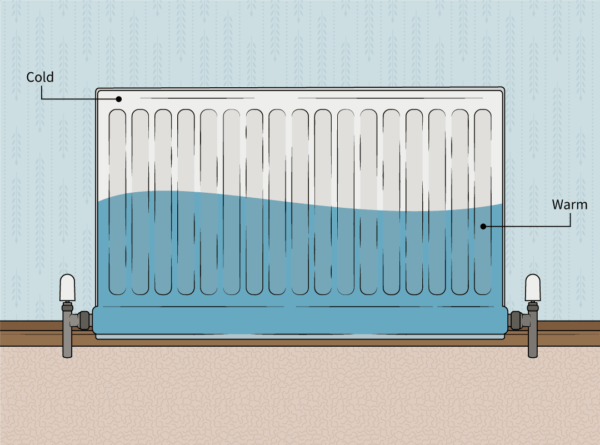
Credit: www.bestheating.com
Thermostatic Valve Problems
Thermostatic valve problems can cause your radiator to be cold at the bottom and hot at the top. These valves control the flow of hot water into the radiator. If they do not work properly, the heat does not spread evenly. Understanding how these valves work helps solve the issue quickly.
How Valves Control Heat
Thermostatic valves adjust the water flow based on room temperature. They open to let hot water in when the room is cold. They close when the room reaches the desired warmth. This control keeps your home comfortable and saves energy.
Valve Blockages And Failures
Dirt and debris can block valves, stopping water flow. A blocked valve lets hot water enter only at the top. This causes the radiator’s bottom to stay cold. Valves can also fail due to wear or damage. A faulty valve cannot regulate heat properly.
Replacing Or Repairing Valves
Fixing a valve often involves cleaning or replacing it. A plumber can remove the valve and check for blockages. If cleaning does not work, installing a new valve is the best choice. Regular valve maintenance prevents uneven radiator heating in the future.
Balancing Your Heating System
Balancing your heating system is important for even warmth in your home. Radiators need the right flow of hot water. This keeps every room cozy and stops cold spots. When radiators get cold at the bottom but stay hot at the top, the system may be unbalanced. Fixing this helps save energy and improves comfort.
What Is Radiator Balancing
Radiator balancing means adjusting the flow of hot water to each radiator. It ensures all radiators get the right amount of heat. Without balance, some radiators get too much heat while others get too little. Balancing fixes this by controlling valves and flow rates.
Signs Of An Unbalanced System
Rooms feel unevenly warm or cold. Some radiators stay hot while others are cold at the bottom. You might hear strange noises from the pipes. Heating bills may be higher than normal. These signs show the system needs balancing.
Steps To Balance Radiators
Start by turning off the heating system. Let all radiators cool down. Open all radiator valves fully. Turn the heating back on and wait for radiators to heat up.
Close the lockshield valve on the hottest radiator slightly. Check if colder radiators warm up better. Adjust other radiators’ valves one by one. Repeat until all radiators heat evenly from top to bottom.
Preventive Measures For Even Heating
Preventive measures help keep your radiator warm from top to bottom. Taking simple steps stops cold spots and improves heating efficiency. Regular care extends your radiator’s life and saves energy.
Regular Maintenance Tips
Check your radiator for dust and dirt often. Clean the surface with a soft cloth to help heat spread evenly. Bleed your radiator to remove trapped air. This lets hot water flow freely inside. Keep valves open and free of blockages for smooth water movement.
Checking System Pressure
Low system pressure can cause uneven heating. Use the pressure gauge on your boiler to check levels. Ideal pressure is usually between 1 and 2 bars. Add water to the system if pressure is low. Too high pressure also harms the system, so balance is key.
Professional Servicing Recommendations
Schedule a professional check-up every year. Experts find hidden issues that affect heating. They clean pipes, check valves, and test the boiler. Regular servicing prevents breakdowns and keeps the system efficient. Trust trained technicians for safe and proper care.

Credit: www.reddit.com
Frequently Asked Questions
Why Is My Radiator Cold At The Bottom But Hot At Top?
This happens due to trapped air in the radiator. Air blocks hot water from reaching the bottom, causing uneven heating. Bleeding the radiator releases this air, allowing heat to distribute evenly throughout the radiator.
How Can I Fix A Radiator Cold At The Bottom?
Bleed the radiator using a radiator key to release trapped air. Also, check the valve settings to ensure proper water flow. Regular maintenance helps maintain even heating and prevents cold spots in your radiator.
Does Radiator Sludge Cause Cold Bottom Issues?
Yes, sludge buildup can block water flow inside the radiator. This sludge settles at the bottom, causing it to stay cold while the top heats. Power flushing the system removes sludge and restores proper heating.
Can A Faulty Radiator Valve Cause Uneven Heating?
Absolutely. A stuck or partially closed valve restricts hot water flow. This leads to a cold bottom and a hot top. Inspect and replace faulty valves to ensure balanced radiator warmth.
Conclusion
A cold bottom and hot top on your radiator means trapped air or dirt inside. Bleeding the radiator often solves this problem. Flushing the system can help if dirt blocks water flow. Regular maintenance keeps radiators working well and rooms warm.
Don’t ignore uneven heating; it wastes energy and comfort. Check your radiator soon to enjoy steady warmth all over. Simple steps can fix common heating issues fast. Stay warm and save money by keeping your system clean.