
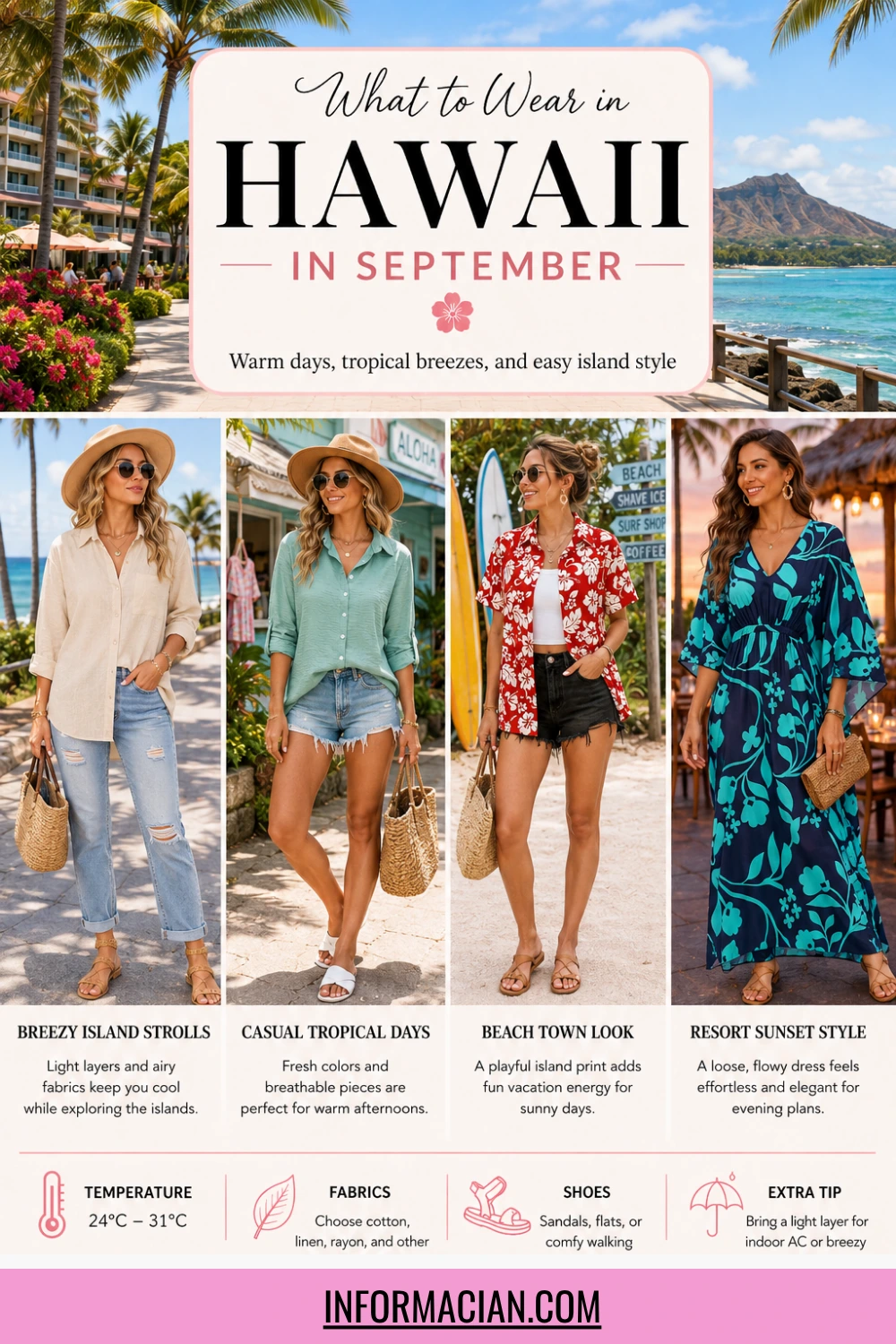
Let me be honest — I over-packed for Hawaii the first time. I brought a cardigan “just in case,” two pairs of jeans, and a blazer for absolutely no reason I can now explain. By day two, all of it was shoved to the bottom of my suitcase and I was living in the same pair of shorts on rotation.
September in Hawaii isn’t quite peak summer chaos, but it isn’t a quiet shoulder season either. The islands are hot, a little humid, occasionally soaked by a passing shower, and completely unbothered by whatever “back to school” energy is happening on the mainland. Locals call it one of the sweeter months — fewer families, warm ocean water, and that specific gold-hour light that makes every sunset look fake.
If you’re used to packing for “vacation” in a generic sense, Hawaii will humble you a little. This isn’t a place where you need a going-out outfit and a resort outfit and a sightseeing outfit. It’s a place where the same five things, worn in different combinations, will carry you from a sunrise hike to a beachfront dinner. Here’s what actually earns a spot in the suitcase.
Before We Dive In
Weather: September in Hawaii sits right at the edge of what locals still consider summer, even though the calendar says otherwise. You’re looking at daytime highs in the mid-to-high 80s°F (around 29-32°C) pretty much across the islands, with warm, sticky humidity that makes anything heavier than cotton or linen feel like a mistake by 10am. It rarely dips below the mid-70s at night, even up in places like Upcountry Maui.
Rain is the wild card. September isn’t the rainy season, but Hawaii has microclimates stacked on top of microclimates — you can drive twenty minutes and go from bone-dry to a proper downpour. Windward sides (the east-facing coasts) get more showers; leeward sides (west, where most resorts sit) stay drier. Trade winds usually keep the humidity from feeling unbearable, but they can drop off in September, which locals sometimes call “Kona wind” season — when the air gets stiller and stickier than usual.
Walking and standing conditions: Walking conditions matter more than people expect. You’re dealing with lava rock trails, uneven sidewalks in older towns like Lahaina or Hilo, wet pool decks, and sand that gets everywhere.
Style culture: And on style — Hawaii genuinely has its own dress code. It’s relaxed, but it’s not sloppy. Aloha wear is a real cultural thing, not just a tourist gimmick, and there’s a difference between wearing it thoughtfully and wearing it like a costume. More on that below.
Lightweight Linen or Cotton Shirts
This surprised me the first time — how much a stiff, synthetic “travel shirt” can betray you in Hawaiian humidity.

Anything polyester-heavy traps heat and clings the second you start sweating, and you will sweat, even just walking from the car to a restaurant.
Linen and cotton breathe, dry fast, and actually look better a little wrinkled — which works in your favor because nothing survives a suitcase unwrinkled anyway. I learned this the hard way after bringing a “wrinkle-resistant” performance shirt that turned into a damp rag by lunchtime.

Pack two or three lightweight button-downs or breezy tees in colors that don’t show sweat or sunscreen stains — sage green, terracotta, off-white, faded blue. A loose linen shirt over a swimsuit doubles as a cover-up; the same shirt buttoned up over shorts works for an evening at a beachfront restaurant.

Local tip: Skip anything with a busy tropical print unless it’s an actual aloha shirt from a Hawaii-based brand — cheap mainland “tropical” prints read very differently on the ground here, and locals notice.
A Real Aloha Shirt (Not a Costume One)
Aloha shirts get treated like a punchline on the mainland, but here they’re closer to a collared shirt back home — appropriate for dinner, appropriate for a nice bar, appropriate for a wedding, even.

The difference between “you look like you belong” and “you look like you’re in a themed costume” comes down to quality and print.
A well-made aloha shirt from a Hawaii or Japan-influenced heritage brand has a more muted, artful print — think botanical line work or subtle wave patterns — rather than neon parrots and cocktail glasses. It’s cut to be worn untucked, slightly loose, in rayon or a cotton blend that moves with the heat.

I bought mine on day one at a proper shop instead of a souvenir stand, and it ended up being the single most useful piece I packed — worn to two dinners, a boat tour, and a low-key work call I somehow had to take from the hotel lobby.
Local tip: If you want one that’s made with real intention, look at brands like Reyn Spooner or Kahala rather than the ones stacked next to the keychains at the airport.
Breathable Shorts (Bring More Than You Think)
Shorts are the actual backbone of a Hawaii wardrobe, and yet people always seem to under-pack them, like the outfit is supposed to be the swimsuit and everything else is an afterthought.

You want at least three or four pairs — one athletic pair for hikes or active mornings, one or two casual pairs in linen or cotton for walking around town, and maybe a slightly nicer pair (tailored, not gym shorts) for dinner.

Athletic shorts with a quick-dry finish are worth it if you’re doing any waterfalls or trails where you’ll get wet and need to keep moving.
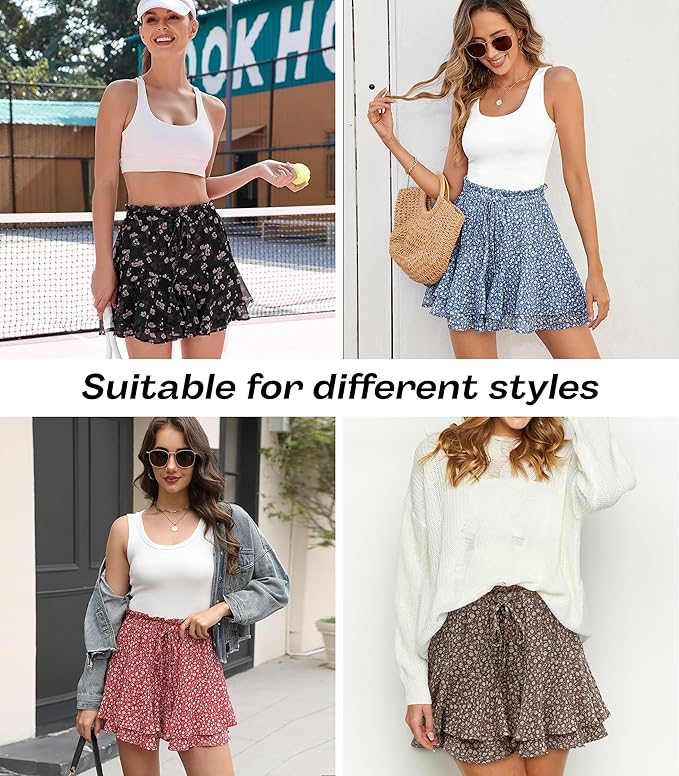
A morning look might be athletic shorts and a tank for a hike to a lookout point; by afternoon, you’ve swapped into linen shorts and a button-down for lunch in town; by evening, tailored shorts with the aloha shirt for dinner somewhere with a view.
Local tip: Pack shorts a size looser than you’d normally choose — humidity swelling and long walking days make snug waistbands genuinely uncomfortable by hour six.
One Genuinely Good Swimsuit (or Two)
This one seems obvious, but the mistake isn’t forgetting a swimsuit — it’s bringing the wrong one.

You’ll likely be in and out of the water multiple times a day between the ocean, hotel pools, and the occasional waterfall pool, so a suit that holds up to saltwater, chlorine, and sun without stretching out matters more than it would on a single beach day back home.

I brought a cheap suit once that lost its shape by day three, and spent the rest of the trip adjusting straps every ten minutes instead of enjoying the water.
If you’re doing any snorkeling — and you probably will — a one-piece or a supportive two-piece with tighter straps beats anything flimsy; you don’t want to be fighting your suit while you’re trying to look at fish. Bring a second suit if you can, purely so you always have a dry one while the other’s on the line.
Local tip: Rinse suits in fresh water after every ocean swim — the reef-safe sunscreen residue plus saltwater breaks down fabric fast, and Hawaii’s sun does the rest.
A Cover-Up That Works as an Actual Outfit
The mistake I see constantly is people treating the swim cover-up as this throwaway item, when really it should function as a full outfit on its own.

A simple linen wrap dress, a loose button-down, or a sarong you can tie a few different ways will take you from wet-swimsuit-on-the-beach to walking into a beachfront café without anyone blinking.

It should be something you’d be fine wearing even if you weren’t swimming that day, because odds are you’ll reach for it constantly — over the pool, over a hike-adjacent beach stop, over nothing in particular because it’s the coolest, easiest thing in your bag.

I lived in a simple black linen wrap dress that whole trip — over a bikini at the beach, alone at dinner, alone again for a sunset walk. One item, endless uses.
Local tip: A sarong is the most versatile single item you can pack — beach blanket, cover-up, scarf on an over-air-conditioned flight, emergency towel.
Sturdy Sandals You’ve Actually Broken In
I learned this the hard way, blistered and limping through Hilo on day two because I decided a brand-new pair of sandals was a good idea to debut on vacation.

Hawaii means a lot more walking than people expect — lava rock trails, uneven sidewalks in old plantation towns, wet boat docks, sandy paths that shift under your feet.

A flimsy flip-flop or a stiff new sandal will wreck your feet fast. You want something with actual arch support that you’ve worn around at home first, ideally something that can get wet and dry out without falling apart, like a proper sport sandal or a broken-in leather pair.

For a beach day, simple slides work fine. For a hike to a waterfall or a lava field walk, you want closed-toe trail sandals or actual sneakers — lava rock is genuinely sharp, not “watch your step” sharp, “don’t wear open shoes here” sharp.
Local tip: Keep an old pair of sneakers you don’t mind ruining for any lava-adjacent hikes — the rock will chew up good shoes fast.
A Light Rain Jacket or Packable Windbreaker
This one surprised me — I didn’t think I’d need it, and then a wall of rain rolled in out of nowhere on the Road to Hana and I was very grateful for the flimsy packable jacket I’d tossed in at the last second.

September showers in Hawaii tend to be short and localized rather than all-day soakers, but when they hit, they hit properly. A packable rain shell that folds down small is worth the suitcase space, especially if you’re doing any windward-side exploring, waterfall hikes, or boat tours where getting caught out is basically guaranteed at some point.
You don’t need anything heavy or insulated — Hawaii rain is warm rain. A thin, quick-dry windbreaker does the job and takes up less room than a rolled-up pair of socks.
Local tip: Check which side of the island you’re headed to before you leave the hotel — windward (east) sides get rain far more often than leeward (west) resort areas, even on the same day.
A Light Layer for AC and Evening Boat Rides
It sounds contradictory to talk about layers in Hawaii, but hear me out — the indoor air conditioning here runs cold, and evening boat tours or sunset catamaran rides get surprisingly breezy once the sun drops.

A thin cotton cardigan or a lightweight flannel over-shirt is enough. You’re not fighting real cold, you’re just taking the edge off restaurant AC set to “meat locker” or wind coming off the water at 6pm. I didn’t bring one my first trip and ended up buying an overpriced hoodie from a gift shop on a sunset sail, which is a very specific kind of regret.

Something you can tie around your waist or stuff in a beach bag without thinking about it is ideal — you want it available, not planned around.
Local tip: If you’re doing a sunset sail or whale-watching tour (both popular in September as humpback pre-season chatter starts), bring the layer even if the afternoon felt roasting hot.
Sun Protection That Isn’t an Afterthought
This deserves its own section because Hawaii sun is a different animal than most people are used to, and it will absolutely ruin a trip if you underestimate it.
You’re closer to the equator than most mainland destinations, and the UV index here regularly sits at levels that burn exposed skin in twenty minutes or less, even on a cloudy-looking day.
A wide-brim hat,

real sunglasses (not the $8 airport kind),

and a lightweight long-sleeve sun shirt for snorkeling or paddleboarding will save you from spending half your trip in aloe-vera recovery mode.

Also — and this matters — Hawaii actually bans certain chemical sunscreens (oxybenzone and octinoxate) to protect the reefs, so you need mineral, reef-safe sunscreen specifically, which you can buy locally if you forget.
Local tip: Reapply more than feels necessary — the trade winds make you feel cooler than you are, which tricks people into skipping reapplication and getting burnt without noticing.
Modest Options for Temples, Ceremonies, and Cultural Sites
This one gets overlooked because Hawaii markets itself so heavily on beach culture, but there are cultural and religious sites — Buddhist temples, heiau (sacred Hawaiian sites), certain cultural centers — where showing up in a bikini top and short-shorts is genuinely disrespectful.

Pack at least one outfit that covers shoulders and knees comfortably — a midi dress, or linen pants with a loose top — for visiting places like the Byodo-In Temple on Oahu or any heiau you come across on a hike. These sites ask for a level of respect that beach-brain vacation mode makes easy to forget.

It doesn’t need to be formal, just modest. A simple cotton midi dress does double duty here and at a nicer dinner later.
Local tip: Many heiau sites have no formal dress code posted, but locals will notice and appreciate it if you dress with some consideration — it’s the kind of thing that quietly shapes how you’re received.
A Dressier Outfit for One Nice Dinner
You don’t need a full “resort wear” wardrobe, but I’d still pack one outfit that’s a notch above everything else — because there’s almost always one dinner that calls for it.
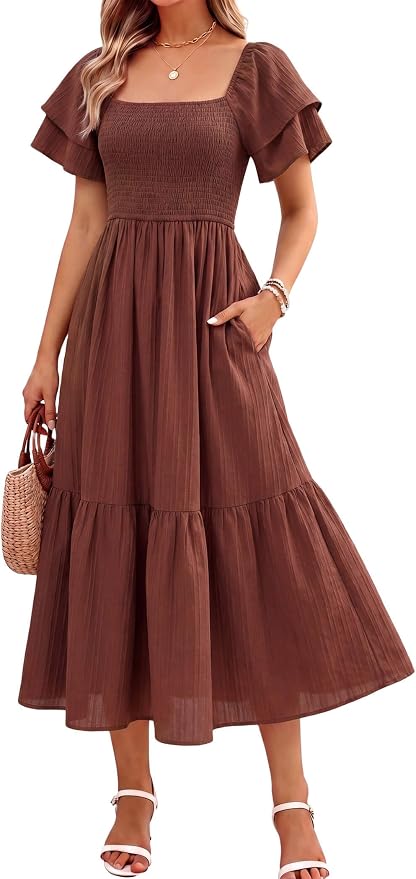
A simple linen dress, or the aloha shirt tucked into tailored trousers, is more than enough for the nicer restaurants on any island — nowhere in Hawaii expects a suit jacket or heels, and showing up overdressed reads as more out-of-place than showing up too casual. The vibe leans “elevated resort,” not “mainland formal.”
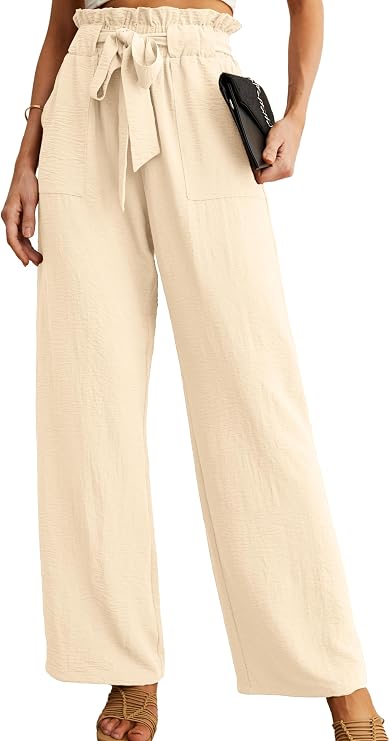
I wore the same linen dress to two different “nice” dinners on one trip and nobody noticed or cared, which tells you everything about how low-key the bar actually is.
Local tip: Sandals are completely fine at even the nicer restaurants — you rarely need closed-toe shoes anywhere on the islands, even for dinner.
A Beach Bag That Can Actually Take a Beating
Not strictly clothing, but it belongs on this list because the wrong bag will ruin your day faster than the wrong outfit will.

You want something that can handle sand, get rinsed off, and survive getting a little wet without falling apart — a simple woven tote or a mesh beach bag beats a nice leather one every time. I brought a canvas tote my first trip and spent the whole week shaking sand out of the lining.

Big enough for a towel, sunscreen, water bottle, and a dry cover-up, small enough that you’re not lugging a suitcase to the beach. That’s the whole brief.
Local tip: A mesh bag lets sand fall straight through instead of collecting at the bottom — a small detail that saves real annoyance by day three.
What to Actually Leave at Home
If you’re comparing notes with what you’d pack for a mainland September trip — somewhere like what to wear in Southern California in September — Hawaii needs even less structure and even less “just in case” gear.
Leave the jeans (too hot, too slow to dry), the blazer, the heels, anything wool or heavily insulated, and honestly, most of your makeup bag too — humidity wins that fight every time. Skip closed dress shoes entirely; you genuinely won’t need them. And go easy on all-black outfits; they’re the most likely to have you sweating through the afternoon by 11am.
I still bring one “useless” item every trip out of habit — this time it was a cardigan I wore exactly once, at 6am on a plane. Some lessons take a few trips to fully stick.
Quick Packing List Recap
- 3–4 pairs of breathable shorts (athletic, casual, one nicer pair)
- 2–3 linen or cotton shirts
- One well-made aloha shirt
- 1–2 swimsuits
- A cover-up that works as a standalone outfit (wrap dress or sarong)
- Broken-in sandals plus old sneakers for lava trails
- Packable rain jacket
- Light cardigan or flannel for AC and evening boat rides
- Reef-safe mineral sunscreen, hat, real sunglasses
- One modest outfit for cultural sites
- One dressier outfit for a nice dinner
- A mesh or woven beach bag
If you’re mapping out a bigger multi-stop trip and want to compare climates, what to wear in Miami in September is a useful comparison point — similar humidity, similar “you’ll live in five outfits” reality, just without the volcanic rock underfoot.
Hawaii really doesn’t ask much of your suitcase. It asks a lot more of your sunscreen habits and your willingness to wear the same linen dress three times in one week without a second thought.


One Response