
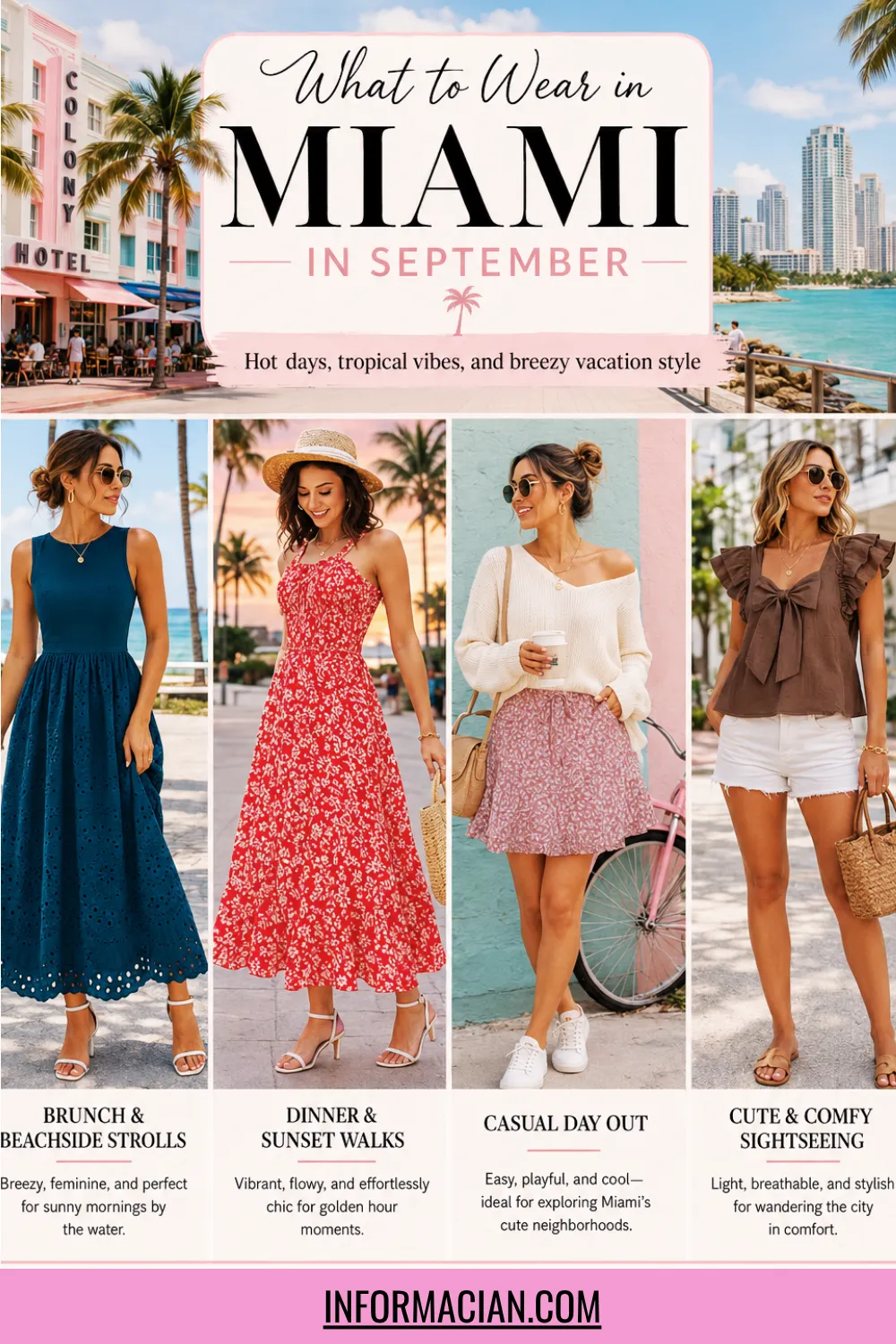
September in Miami is not a gentle transition month. It’s the tail end of summer wearing a raincoat, with humidity that sits on your skin like a second layer of clothing and afternoon storms that roll in with almost comic punctuality. Anyone packing for this trip based on generic “Florida vibes” Pinterest boards is going to end up either overdressed and miserable or underprepared for the sudden downpours that define the season.
This is the shoulder season locals quietly love and tourists often underestimate. Hotel rates dip, crowds thin out compared to the frenzy of spring break or the holidays, and the city moves at a slightly slower, stickier pace. But the wardrobe math is specific: breathable fabrics, quick-dry everything, and a plan for rain that doesn’t involve a bulky umbrella you’ll abandon in a hotel lobby by day two.
The most common misunderstanding is treating Miami like a beach town exclusively. It’s also a city of marble hotel lobbies, air-conditioned museums, and dinner reservations with dress codes, which means the September Miami wardrobe needs range, not just swimsuits and flip-flops.
Before We Dive In
Weather : September temperatures in Miami typically hover between 80 and 90°F (27 to 32°C) during the day, dropping only slightly overnight into the mid-to-high 70s. That’s not the headline, though. The real story is humidity, which regularly sits above 70 percent and makes the air feel thicker than the thermometer suggests. Add near-daily afternoon thunderstorms, often brief but intense, and you get a climate that rewards fast-drying fabrics over anything precious.
Rain in September isn’t a maybe. It’s closer to a scheduling certainty, usually arriving in short, dramatic bursts rather than settling in for the whole day. Mornings tend to be sunny and brutal; afternoons bring clouds, wind, and sometimes flash flooding on low-lying streets, particularly in areas like South Beach and parts of Brickell. Wind can pick up too, especially if a tropical system is anywhere in the vicinity, so pack with the assumption that at least one outfit will get rained on or blown around.
Terrain-wise, Miami is flat, which is merciful, but distances are deceptively long. South Beach, Wynwood, Downtown, Coconut Grove, and Coral Gables are spread out enough that most visitors rely on rideshares, the Metromover, or the Trolley rather than walking the whole city. Still, expect plenty of walking within neighborhoods, on sand, and across hot pavement that can make sneakers feel like a better idea than sandals by midafternoon.
Style: Dress norms lean casual-glamorous rather than casual-sloppy. Miami doesn’t do modesty rules the way some cities do, but it does care about looking put-together, even in minimal clothing. Locals favor fitted, body-conscious silhouettes, bold color, and just enough polish that a bikini top and shorts combo still reads “intentional” rather than “just rolled out of the ocean.” Evening venues, especially hotel restaurants and rooftop bars, often enforce smarter dress codes that rule out flip-flops and overly beachy attire after dark.
Lightweight Dresses That Actually Breathe
A cotton sundress that felt perfectly airy in April can feel like a sauna suit in Miami’s September humidity. Fabric choice matters more here than almost anywhere else on a typical U.S. itinerary.

Look for linen blends, rayon, or technical moisture-wicking materials over heavier cotton or anything with structured lining.

A shift dress in a loose, unlined cut allows air to actually circulate, which matters when you’re walking from an air-conditioned hotel into 88-degree streets. Darker florals or muted tropical prints hide sweat marks better than solid pastels, a small but real consideration nobody mentions until it’s too late.

For a morning stroll through the Wynwood Walls murals, a sleeveless linen shift dress with sandals and a crossbody bag keeps you cool without looking like you’re trying too hard for a casual art walk.
For dinner in the Design District, the same silhouette in a slightly dressier fabric, paired with gold hoop earrings and block-heeled sandals, transitions easily from day to night.

One detail worth knowing: bring at least one dress that can be balled up in a bag without wrinkling badly, since you’ll likely be changing after a beach visit or rain event more than once per day.
Shorts and Skirts That Survive Humidity
Denim shorts are a Miami September mistake more people make than you’d think. Cotton denim traps heat and doesn’t dry quickly if it gets rained on or splashed.

or a flowy mini skirt in a breathable synthetic that moves with the breeze instead of clinging. Both options pair easily with simple tank tops or fitted t-shirts, creating outfits that photograph well without requiring much thought each morning.

A high-waisted linen short with a cropped tank and slide sandals works beautifully for a daytime visit to the Pérez Art Museum, where the interior AC is strong but the walk from parking or transit is not. For an evening at a Wynwood brewery, swap in a flowy skirt with a fitted bodysuit for something that still feels put-together as temperatures barely drop after sunset.

Breathable Tops and Tanks
Miami evenings rarely offer real relief from the heat, which means tops need to work just as hard as bottoms.
Linen and lightweight modal blends outperform cotton here, drying faster and resisting the wrinkle-and-wilt cycle that happens by midafternoon.

Sleeveless and short-sleeve cuts are non-negotiable; anything with long sleeves should be reserved strictly for aggressively air-conditioned indoor spaces like museums or upscale restaurants.

A silky camisole under a light kimono-style cover works well for transitioning from beach to boardwalk,

while a simple ribbed tank paired with wide-leg linen trousers creates an easy, elevated look for dinner reservations in Coconut Grove.

For a market visit at Bazaar or a farmer’s market wander in the Grove, a breathable button-up worn open over a tank offers just enough coverage from direct sun without extra heat.
Swimwear for More Than Just the Beach
Miami swimwear culture assumes multitasking. Pools, beach clubs, and even some brunch spots blur the line between swim and street style.
A supportive one-piece or a well-constructed bikini in a print that reads more “resort” than “waterpark” works across more settings than a purely functional suit.

Miami crowds tend to dress up even in swimwear, favoring cutouts, ruching, and color over plain black basics, though classic black remains a safe, flattering choice if bold prints aren’t your style.

For a morning at South Beach, a one-piece with a sarong wrap and oversized sunglasses moves easily from sand to a beachside café for lunch. For a pool day at a boutique hotel, a bikini paired with a crochet cover-up and slide sandals hits the resort-casual note Miami does so well.
Rain-Ready Layers Without the Bulk
September storms in Miami tend to be short, sharp, and localized, which changes what “rain gear” should actually mean here.
A heavy raincoat is overkill and uncomfortably hot.

Instead, pack a compact, packable windbreaker or a lightweight water-resistant jacket that folds into a bag pocket. Quick-dry fabrics matter more than waterproof ones, since you’re more likely to get damp and dry off within the hour than stay soaked all day.

A packable poncho stuffed in a daypack solves the sudden downpour problem during a walking tour of Little Havana, letting you duck under an awning, wait it out, and keep moving. For evenings, a lightweight cropped jacket over a sundress adds just enough protection against a passing shower without overheating the moment the sun returns.
Shoes That Handle Sand, Rain, and Marble Floors
Footwear in Miami has to survive three very different terrains sometimes within the same afternoon: hot sand, wet pavement, and glossy hotel or restaurant floors.

Comfortable slide sandals or supportive flip-flops work well for beach access and casual daytime wandering, while a pair of stylish, slightly sturdier sandals with some arch support helps during longer days exploring Wynwood or Coral Gables. Sneakers are worth packing too, particularly for early morning activity or exploring areas with uneven sidewalks.
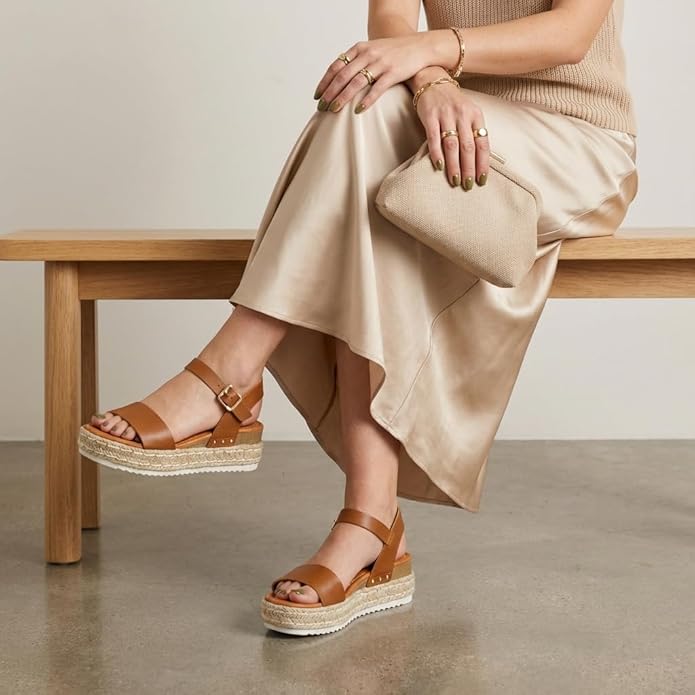
For dinner or nightlife, block-heeled sandals strike the right balance between polish and practicality, since stilettos on Miami’s occasionally flooded or sandy sidewalks are a genuine hazard. A cute, low wedge paired with a sundress works for dinner at a waterfront restaurant in Coconut Grove without risking an ankle twist on uneven pavers.

Evening Outfits for Miami’s Nightlife
Miami after dark doesn’t cool down much, but the dress code sensibility shifts noticeably from beach-casual to polished-and-bold.
A fitted slip dress in a jewel tone or metallic finish works well for rooftop bars, where the vibe leans upscale but not stiff. Breathable fabrics remain essential, since outdoor rooftop venues offer little relief from lingering evening humidity even after sunset.

For a night out in South Beach, a bodycon dress in a lightweight knit paired with strappy sandals and statement earrings fits the scene without overheating.

For a more low-key evening at a Wynwood cocktail lounge, high-waisted trousers with a silky camisole and heeled sandals offer a slightly more relaxed but still elevated option.

Daytime Casual Wear for Sightseeing
Not every day in Miami calls for beachwear or evening glam; plenty of time gets spent simply wandering neighborhoods, browsing shops, or people-watching.
A soft cotton-blend t-shirt paired with linen shorts or a breathable midi skirt creates a comfortable, versatile base for exploring areas like the Design District or Lincoln Road.

Neutral colors mixed with one bold accent, like a colorful tote or statement sunglasses, keep outfits feeling Miami-appropriate without requiring elaborate planning each morning.

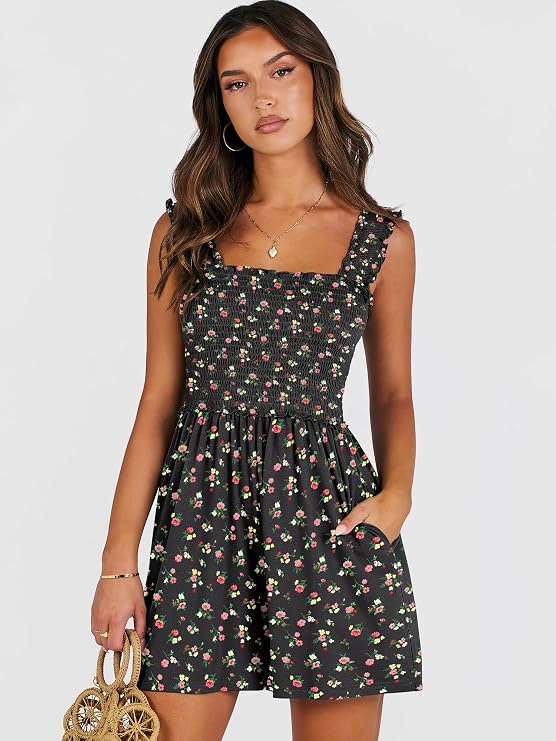
For a relaxed museum day at HistoryMiami or the Frost Science Museum, a breathable romper offers effortless comfort and easy bathroom stops during long gallery visits, an underrated practical detail when you’re touring multiple exhibits in a single afternoon.
Sun Protection That Does Double Duty
September sun in Miami is intense enough that clothing becomes part of your sun protection strategy, not just sunscreen.
A wide-brimmed straw hat protects both face and shoulders while doubling as a stylish accessory for beach days and casual sightseeing alike. Lightweight long-sleeve rash guards or UPF-rated cover-ups help prevent sunburn during extended beach time without the discomfort of heavier fabrics.
For a beach morning, a UPF swim cover-up paired with a wide-brim hat and oversized sunglasses protects skin while still looking pulled together for post-beach lunch. Locals often layer a lightweight linen shirt over swimwear specifically for the walk between beach and restaurant, both for sun coverage and to meet casual dress expectations indoors.
Bags That Handle Beach, Rain, and Nightlife
Miami’s mix of beach days, sudden rain, and evening plans means one bag rarely covers every scenario comfortably.
A lightweight, water-resistant tote works well for beach essentials and daytime wandering,

while a small crossbody bag offers better security and comfort for busy areas like South Beach or Wynwood, where pickpocketing risk increases in crowds.

For evenings, a compact clutch or mini bag keeps things simple for dinner or rooftop plans.

A structured straw tote pairs naturally with daytime beach-to-lunch outfits, while a sleek crossbody in a water-resistant material protects phones and cash during sudden downpours.

If you’re deciding between one versatile bag or several smaller ones, a crossbody with an adjustable strap and a zip closure tends to be the single most practical option for a Miami September trip.
Accessories Worth Packing
Small additions make a surprisingly large difference in Miami’s climate, where comfort often outweighs elaborate styling.
Oversized sunglasses handle both sun glare and the occasional “just got off a plane and haven’t slept” moment gracefully.

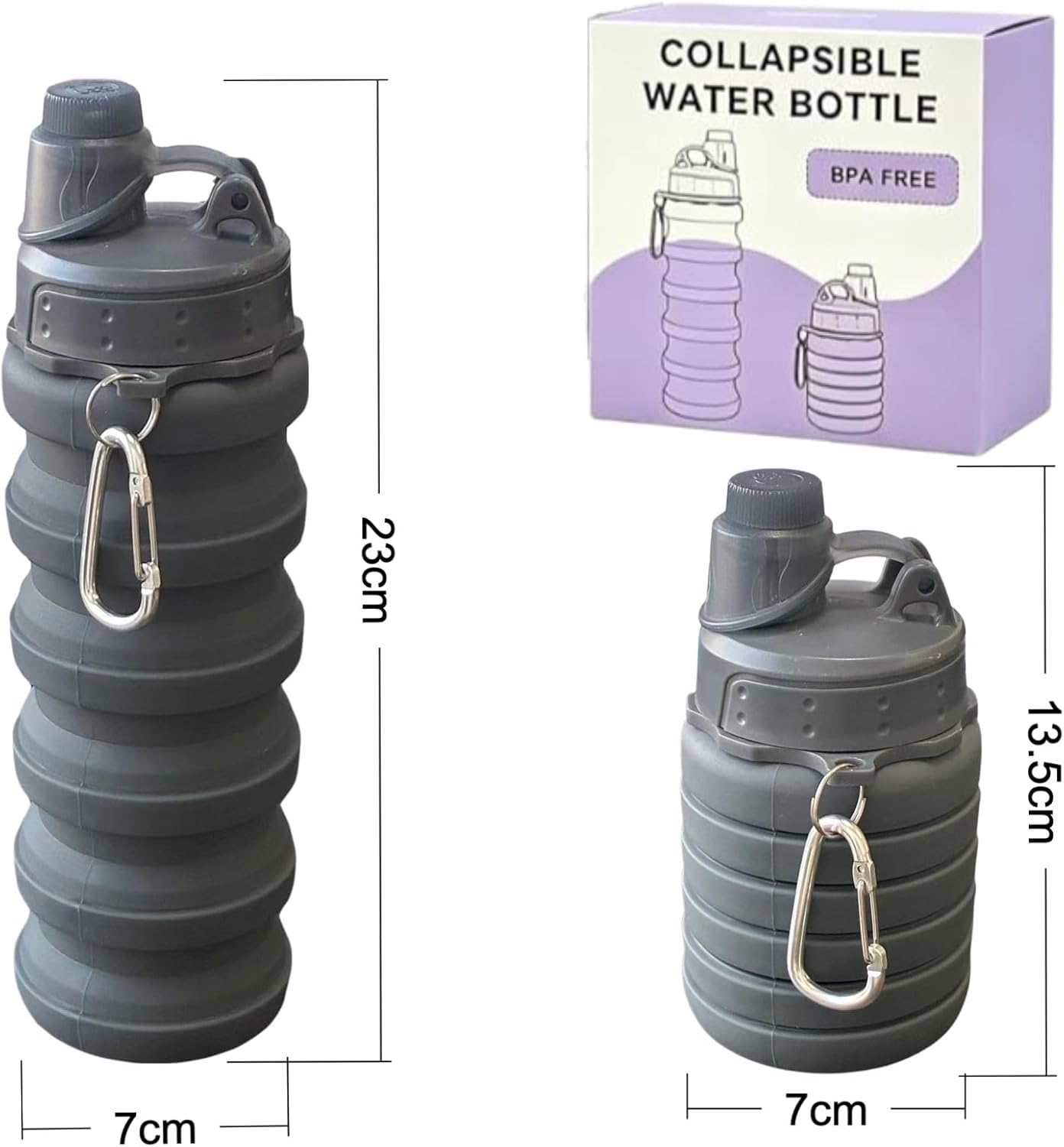
A refillable water bottle, slipped into a tote or backpack, matters more here than in cooler climates, since dehydration risk climbs quickly in high heat and humidity.
Lightweight scarves double as sun protection for shoulders or an easy cover for air-conditioned restaurants,
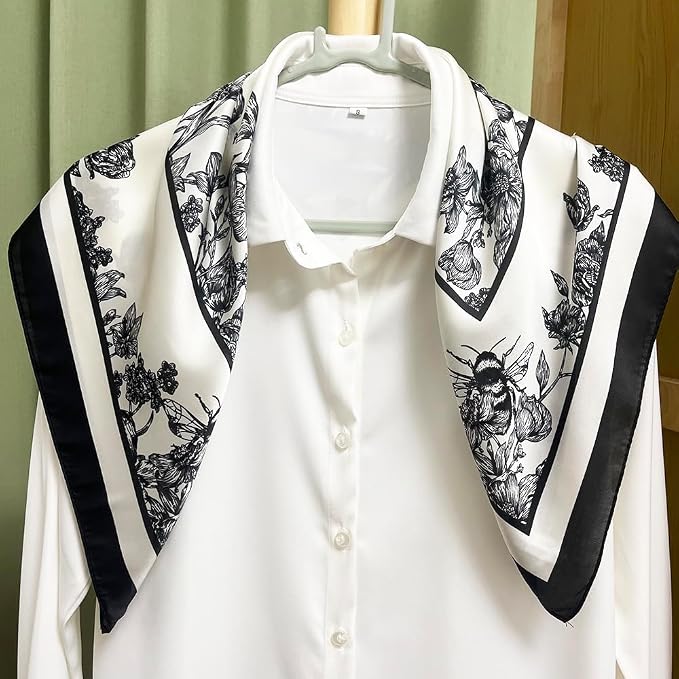
while a portable phone fan, slightly gimmicky but genuinely useful, can make a real difference during long outdoor waits for rideshares or restaurant tables.

Fabrics to Choose and Fabrics to Avoid
Fabric choice arguably matters more for Miami in September than almost any other single packing decision.
What to choose:
Linen, rayon, modal, and technical moisture-wicking blends are the stars here, drying quickly and resisting the clingy, sweaty feeling heavier fabrics create. Cotton is fine in small doses but becomes uncomfortable once soaked with either sweat or rain, taking far too long to dry in humid air.
What to avoid:
Avoid anything with heavy lining, thick denim, or synthetic blends that don’t breathe, since these trap heat and moisture against skin. A quick fabric test before packing: if it feels heavy or stiff in an air-conditioned store, it will feel unbearable outdoors in Miami’s September humidity.
Travelers comparing climates might find it useful to look at What To Wear In New York In September, since the contrast between Northeast autumn layering and Miami’s tropical humidity highlights just how differently the same month can dress two American cities.
Dress-Code-Sensitive Venues to Plan For
Some Miami experiences come with unspoken or explicit dress expectations that catch first-time visitors off guard.
Upscale hotel restaurants, particularly along Ocean Drive and in Brickell, often discourage flip-flops, swimwear, and overly casual beachwear after 6 p.m. Rooftop bars frequently enforce a smart-casual minimum, meaning elevated sandals, dresses, or tailored separates rather than shorts and sneakers.
For dinner at a hotel restaurant in South Beach, a tailored jumpsuit paired with heeled sandals and simple jewelry satisfies most dress codes without overdressing for Miami’s generally relaxed atmosphere. Checking a venue’s dress code online before booking saves the awkward scramble of last-minute outfit changes back at the hotel.
Building a Simple Miami Capsule Wardrobe
A workable September Miami capsule leans heavily on mix-and-match basics rather than one-outfit-per-day planning, which quickly overloads a suitcase in this climate.
A useful starting point includes two lightweight dresses, two pairs of breathable shorts or skirts, three versatile tops, one swimsuit (two if laundry access is limited), one packable rain layer, and one slightly dressier outfit for evenings. This core, roughly eight to ten pieces, can combine into well over a dozen distinct outfits with minimal repetition risk.
For readers exploring more destination-specific capsule ideas, the What To Wear category offers additional seasonal breakdowns worth browsing before finalizing a suitcase.
How Many Outfits to Pack for a Typical Miami Trip
For a sample five-day Miami trip in September, a reasonable target sits around six to eight daytime outfits and two to three evening options, accounting for at least one outfit change per day due to heat, humidity, or sudden rain.
Overpacking tends to happen when travelers assume they’ll need a fully separate “beach outfit,” “sightseeing outfit,” and “dinner outfit” for every single day. In reality, Miami’s climate rewards flexible pieces that shift between these roles with a simple accessory swap rather than an entirely new outfit.
A practical planning method: lay out each day’s likely activities first, then match pieces to that itinerary rather than packing outfit-by-outfit in isolation. Common mistakes include packing too many heavy fabrics, forgetting a rain layer entirely, and assuming one pair of shoes will comfortably handle sand, rain, and evening wear alike. A better approach separates footwear by function early, before the suitcase gets zipped.
Miami in September rewards travelers who pack for flexibility rather than perfection. The city’s blend of tropical humidity, sudden rain, and genuine style expectations means the best wardrobe strategy leans on breathable fabrics, versatile silhouettes, and a couple of thoughtful extras rather than an outfit rigidly assigned to every single hour of the trip.


8 Responses