How to Fix Scratches on Wooden Furniture at Home

Have you noticed scratches on your wooden furniture that spoil its beauty? You don’t need to spend a fortune or call a professional to fix them.
With a few simple tricks and items you probably already have at home, you can restore your furniture’s smooth, polished look quickly. Imagine running your hand over your furniture and seeing no trace of those annoying scratches. You’ll discover easy, effective ways to make your wooden pieces look like new again.
Keep reading, and take the first step to bringing your furniture back to life!
Identify Scratch Types
Identifying the type of scratch on wooden furniture is the first step to fix it properly. Different scratches need different treatments. Knowing the scratch type helps you choose the right repair method. This saves time and prevents further damage. Below are common scratch types on wooden furniture.
Surface Scratches
Surface scratches are shallow and only affect the finish. They do not cut into the wood itself. These scratches usually look like light lines or marks. You can often fix them with simple home remedies. They are the easiest type to repair and blend back with the wood.
Deep Scratches
Deep scratches go beyond the surface and reach the wood underneath. These scratches look like grooves or cuts. They may expose raw wood and feel rough to touch. Deep scratches need more care and repair products to fill or cover them. Fixing these scratches may take a few steps.
White Marks
White marks appear as cloudy spots or rings on the wood surface. They often happen from water or heat exposure. These marks sit on the finish layer but can dull the wood’s shine. Removing white marks requires gentle methods to restore the wood’s original look. They are common but fixable with the right approach.

Credit: www.grainandframe.com
Gather Essential Tools
Fixing scratches on wooden furniture requires the right tools. Gathering essential items before you start saves time. It also helps you achieve better results. Some tools are common in homes. Others are made specifically for wood repair. Know what you need to prepare properly.
Household Items
Many scratches can be fixed using items found at home. A soft cloth helps clean dust and dirt. A pencil or crayon close to the wood color can fill light scratches. Olive oil or vinegar can add shine and reduce marks. A walnut rubbed gently can hide small scratches. These items cost little and are easy to find. Using household items is quick and simple.
Specialized Products
Some scratches need special care. Wood markers and touch-up pens match furniture colors exactly. Wax sticks fill deeper scratches and dents well. Furniture polish restores shine and protects the wood surface. These products improve the look and last longer than home remedies. They are available at hardware stores or online. Use them carefully for the best finish.
Prepare The Furniture
Preparing wooden furniture is the first step to fix scratches effectively. This step ensures the repair lasts longer and looks better. It also helps you see the full extent of the damage. Proper preparation makes the scratch less noticeable after repair.
Clean The Surface
Start by cleaning the furniture surface. Use a soft cloth and mild soap mixed with water. Wipe gently to remove dirt, dust, and oils. Avoid soaking the wood to prevent damage. Let the surface dry completely before moving on.
Sand The Area
Lightly sand the scratched area using fine-grit sandpaper. Sand in the direction of the wood grain. This step smooths out rough edges around the scratch. It also helps the repair materials stick better. Clean off sanding dust with a dry cloth before the next step.
Fix Light Scratches
Light scratches on wooden furniture can make pieces look old and worn. These small marks are easy to fix with simple home methods. No need for expensive products or tools. Just a few natural items from your kitchen or drawer can help restore your furniture’s look quickly. Try these easy steps to hide and repair light scratches effectively.
Use Walnut Or Crayon
Walnuts are natural wood fillers. Rub the meat of a walnut over the scratch. The oils from the nut seep into the wood. This darkens the scratch and blends it with the surrounding area. Use your finger to smooth the area after rubbing.
If you don’t have walnuts, try a crayon. Pick a crayon color close to your furniture. Color over the scratch gently. This fills the scratch and hides it. Lightly buff the area with a soft cloth to blend the color.
Apply Olive Oil And Vinegar
Mix two parts olive oil with one part vinegar in a small bowl. Dip a soft cloth into the mixture. Rub the cloth over the scratched area. The oil nourishes the wood. The vinegar cleans and darkens the scratch.
Let the mixture sit for a few minutes. Wipe off any excess with a clean cloth. This simple mix restores shine and reduces the look of scratches. Repeat the process if needed for better results.
Repair Deep Scratches
Deep scratches on wooden furniture can spoil its beauty. Fixing them at home is possible with the right steps. These scratches go beyond the surface and need more care than light marks. Filling the scratch and then matching the color is key to a smooth finish.
Wood Filler Application
Start by cleaning the scratched area with a soft cloth. Remove any dust or loose wood bits. Choose a wood filler that matches your furniture color. Use a small putty knife to apply the filler into the scratch. Press the filler firmly to fill all gaps. Smooth out the surface with the knife. Let the filler dry completely, as per the package instructions. Once dry, gently sand the area with fine sandpaper. Sand until the surface is even with the rest of the wood.
Staining And Sealing
Pick a wood stain that matches your furniture’s tone. Test the stain on a hidden spot first. Apply the stain with a clean cloth or brush. Use light, even strokes to blend the repair with the surrounding wood. Let the stain dry fully before adding more coats if needed. After staining, apply a clear wood sealer. The sealer protects the wood and the repair. Use a brush to spread the sealer evenly over the fixed area. Allow the sealer to dry well for a lasting finish.

Credit: abutterflyhouse.com
Remove White Water Marks
White water marks on wooden furniture spoil its look. They appear as cloudy, white rings or spots. These marks usually happen from moisture trapped under the finish. Removing them at home can restore your furniture’s beauty. Two easy methods work well for this problem.
Heat Treatment
Heat can lift white water marks from wood surfaces. Use a clean cloth and an iron set to low heat. Place the cloth over the mark. Gently press the iron on top for a few seconds. Lift and check the spot. Repeat if needed. The heat helps evaporate trapped moisture. Avoid high heat to prevent damage.
Toothpaste Method
Toothpaste works as a mild abrasive to remove marks. Choose a plain, white toothpaste, not gel. Apply a small amount on a soft cloth. Rub it gently on the white mark in a circular motion. Wipe off with a damp cloth. Dry the area well. This method smooths the finish and clears the mark.
Polish And Protect
Polishing and protecting wooden furniture helps keep it looking fresh and new. This step restores the shine and hides small scratches. It also adds a barrier against dust and damage. Regular care extends the life of your wood furniture.
Apply Furniture Polish
Choose a polish made for wood surfaces. Use a soft cloth to apply the polish gently. Rub in small circles to cover scratches and dull spots. Let the polish soak into the wood for a few minutes. Wipe off extra polish with a clean cloth. This process brightens the wood and smooths the surface.
Use Protective Coatings
Protective coatings help guard wood from future scratches and spills. Options include wax, varnish, or polyurethane. Apply a thin, even layer with a brush or cloth. Allow the coating to dry fully before using the furniture. These coatings create a tough shield that keeps the wood safe and shiny.
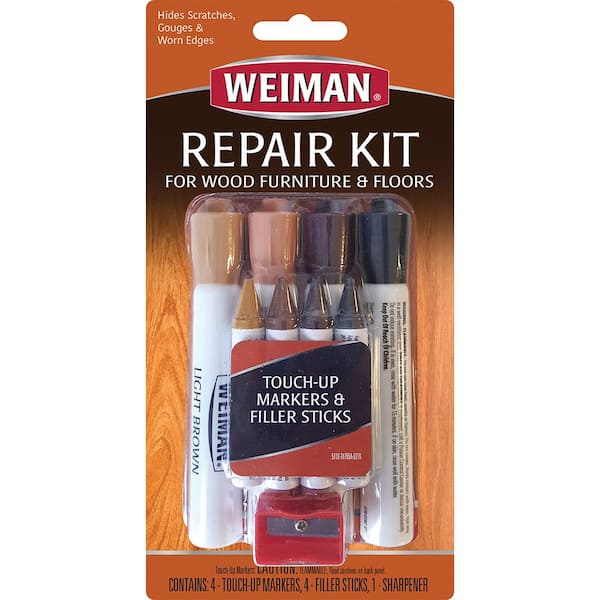
Credit: www.homedepot.com
Prevent Future Damage
Preventing future damage to wooden furniture keeps it looking fresh and strong. Small steps protect your wood from scratches and stains. These habits help your furniture last longer and maintain its beauty.
Use Coasters And Mats
Place coasters under drinks to stop water rings and stains. Use mats under hot dishes to avoid heat marks. These simple tools create a barrier between wood and damage. They help keep your furniture surface smooth and clean.
Regular Maintenance Tips
Clean your furniture gently with a soft cloth. Avoid harsh chemicals that can wear the finish. Polish wood occasionally to keep it nourished and shiny. Tighten screws and check for loose parts to prevent scratches. Regular care saves your furniture from costly repairs.
Frequently Asked Questions
How Can I Remove Light Scratches From Wooden Furniture?
Light scratches can be fixed using a walnut or a wood polish. Rub the walnut gently on the scratch. Alternatively, apply a wood polish or scratch remover to blend the scratch with the wood surface, restoring its natural look.
What Household Items Help Fix Deep Wood Scratches?
For deep scratches, use wood filler or a mixture of vinegar and olive oil. Apply the filler, let it dry, then sand it smooth. The vinegar and olive oil mix can also help reduce scratch visibility by nourishing the wood.
Can I Repair Wooden Furniture Scratches Without Sanding?
Yes, minor scratches can be repaired without sanding. Use a wood stain marker or a wax crayon that matches your furniture color. These products fill in scratches and blend them with the surrounding wood surface quickly and easily.
How Do I Prevent Scratches On Wooden Furniture?
Prevent scratches by using coasters, placemats, and felt pads under objects. Clean furniture gently with a soft cloth. Avoid dragging items across the surface to maintain its smooth finish and avoid future scratches.
Conclusion
Fixing scratches on wooden furniture is easier than it seems. Small scratches can disappear with simple home methods. Use common items like walnut or toothpaste for quick fixes. Regular care helps keep wood looking fresh and new. Try these tips to save money and time.
Your furniture will look better without costly repairs. Keep practicing, and your skills will improve. Enjoy your beautiful wooden furniture every day.