
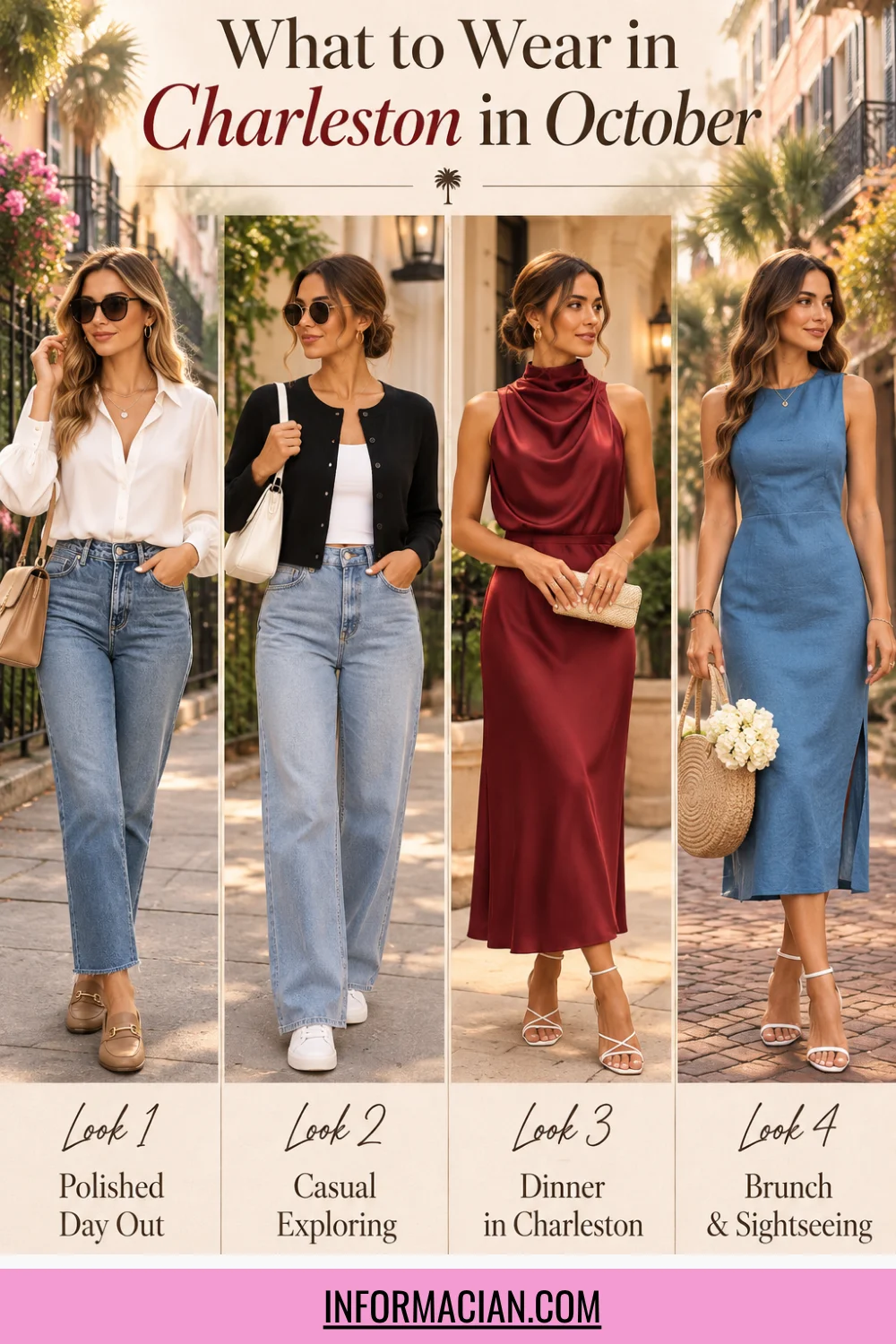
Let me be honest — I almost packed for Charleston in October the way I’d pack for anywhere else doing “early fall,” and it would have been a mistake. This city doesn’t hand over autumn easily. It eases into it, slowly, on its own Southern schedule, while the rest of the country is already deep into sweater weather.
This is one of the loveliest months to be here, genuinely — the worst of summer’s humidity has broken, the light turns soft and golden over the harbor by late afternoon, and the historic district feels like it’s finally exhaling after a hot, sticky summer of tourists sweating through their shirts. But October in Charleston still runs warmer and more humid than most visitors expect, especially early in the month, and the cobblestone side streets and long garden walks ask more of your shoes than a quick glance at the forecast would suggest.
If you’re picturing crisp boots and a wool coat the second you land, you’ll be overdressed and uncomfortable by midday. Charleston in October asks for something more specific and honestly more interesting to plan for — breathable layers with just enough backup for cooler evenings, fabrics that can survive real humidity, and a wardrobe that understands this city takes its Southern polish seriously without ever needing you to overdress.
Before We Dive In: Weather, Walking, and Charleston’s Own Sense of Style
Weather: October in Charleston typically starts warm, with daytime highs in the low-to-mid 80s°F early in the month, easing into the mid-70s by late October as the first real hints of fall finally arrive.
Humidity lingers longer here than in most places calling themselves “fall” destinations, especially in the first two weeks, and mornings can still feel sticky before the day’s heat properly sets in. Evenings cool down noticeably, particularly toward the water, where a breeze off the harbor drops the temperature several degrees compared to a few blocks inland.
Walking conditions: this is a genuinely walkable city, but not always an easy one underfoot. The historic district is full of uneven brick and cobblestone streets, particularly around the French Quarter and along the Battery, and garden paths at plantations like Middleton Place or Magnolia involve real distance on grass, gravel, and dirt.
Add in the humidity, and you’ve got a city that rewards comfortable shoes far more than it rewards a cute but impractical pair.
Style culture: Charleston has its own version of dressing well, closer to relaxed Southern elegance than anything flashy. Think linen, seersucker, well-made basics, and a general sense that people here put a little thought into what they wear even for a casual dinner.
Showing up looking like you just left a beach vacation reads oddly; showing up in something a touch too formal for daytime sightseeing reads just as strangely. The sweet spot is polished-but-relaxed, and once you find it, the whole trip gets easier.
Breathable Linen Pieces (Your Actual Foundation)
This surprised me the first October I spent here — how much the early weeks still demanded genuinely warm-weather fabric, even with the calendar insisting otherwise.
Linen does more work in Charleston than almost any other single fabric choice, handling both the lingering humidity and the historic district’s endless walking without leaving you drenched by midday.
A linen button-down or a loose linen top breathes in a way cotton alone often doesn’t manage in real Southern humidity, and it dries out fast if you do work up a sweat wandering between Rainbow Row and the Battery.

A morning look built entirely around a linen top and light trousers carries you comfortably through a warm walk past the historic homes; by evening, once the temperature drops a touch, you can layer something light on top without needing a full outfit change.
Local tip: Choose linen in a slightly heavier weave if you can — the thinnest, most delicate linen wrinkles almost instantly in this humidity and looks tired within an hour of stepping outside.
Dresses That Actually Match Charleston’s Vibe
Charleston is genuinely one of the best dress cities in the country to pack for, and it’s worth giving this its own real attention rather than a single quick suggestion.
A flowy linen midi dress is the most versatile single piece you can bring — breathable enough for a hot afternoon walking the historic district, elegant enough for dinner with sandals swapped for a nicer flat.

A floral cotton sundress works beautifully for daytime garden visits, especially somewhere like Middleton Place, where the setting practically calls for something soft and romantic. A structured shirt dress in linen or a linen-cotton blend gives you a slightly more polished daytime option for a plantation tour or a walk through the historic churches, without sacrificing breathability.

For evenings, a simple slip dress in a rich, deeper color — a warm rust, a deep green, a muted burgundy — works beautifully for dinner on a rooftop bar overlooking the harbor, especially once the October evening cool sets in.

A wrap dress is worth packing too, since the adjustable fit handles the day’s temperature swing better than anything fitted, and it photographs beautifully against Charleston’s pastel historic homes.

Finally, a lightweight, slightly structured cotton dress in white or cream captures the city’s genteel Southern aesthetic perfectly for a daytime carriage tour or a stroll through White Point Garden.
Each of these dresses earns its place because it does double duty — comfortable enough for real walking, polished enough that you’re not changing outfits three times a day just to keep up with Charleston’s own sense of style.
Local tip: Pack at least one dress with pockets — you’ll be grateful on a walking tour when you don’t want to carry a bag for a quick stop at a market stall.
Lightweight Trousers or Linen Shorts (Depending on Your Comfort Level)
This one felt obvious once I actually spent a full day walking in the lingering October humidity — anything heavy just isn’t built for Charleston’s specific early-fall climate.
Lightweight linen trousers handle the temperature swing well, comfortable enough for a warm afternoon, polished enough for a slightly nicer dinner without needing a second change of pants.

Linen shorts work just as well for daytime exploring if you’re comfortable with a more casual look, particularly for a hot, sticky morning walking the market district before the day’s heat fully sets in.

For a full day combining the historic district, a garden visit, and dinner downtown, linen trousers with sandals and a breathable top is the reliable, no-regrets combination that adjusts easily across the whole day.
Local tip: A slightly wider leg breathes better than anything fitted and tends to photograph more elegantly against Charleston’s cobblestone streets and pastel buildings.
Comfortable Walking Shoes (More Important Than You’d Think)
I learned this the hard way in a cute pair of sandals with almost no support, discovering quickly that Charleston’s brick and cobblestone streets don’t forgive a poor shoe choice.
A supportive sandal with real cushioning handles daytime walking reasonably well if it’s built properly, but for the longer stretches — a full garden tour at Middleton Place, a long walk along the Battery, an extended wander through the historic district — a comfortable, breathable sneaker or a well-made flat works better than anything decorative.

Uneven brick and cobblestone genuinely punish shoes that look great but weren’t designed for real distance.
For a full day of sightseeing, sneakers or supportive sandals are the practical choice; for dinner, a nicer sandal or a low block heel works fine without sacrificing the comfort you’ll want for the walk there and back.
Local tip: Break in any new shoes before you land — the combination of humidity and cobblestone finds blister spots fast, and there’s a lot of ground to cover here.
A Light Jacket or Cardigan for Cooling Evenings
This surprised me on my first proper October trip — how sharply the temperature can drop once the sun sets, especially anywhere near the harbor where the evening breeze picks up.
A lightweight cardigan or a thin linen jacket does the real work here, enough to take the edge off a cooler evening without the bulk of anything meant for genuine cold.

Charleston evenings in October, particularly by the water, run noticeably cooler than the daytime heat would suggest, and you’ll want something on hand for dinner or an evening carriage ride.
A practical combo: linen dress or top underneath, cardigan layered on for the evening walk to dinner, sandals or a low flat below — this covers most of an evening comfortably without overdressing for the daytime heat that preceded it.
Local tip: Pack a cardigan in a neutral tone that works over every dress and top combination you bring, so you’re not overthinking coordination each evening.
Fabrics to Choose (and Fabrics to Avoid)
This took me longer to learn than it should have — I used to pack based on how something photographed at home, not how it would actually hold up in real Charleston humidity and walking conditions.
Linen, breathable cotton, and lightweight cotton-blends handle the lingering warmth and humidity far better than anything heavy or synthetic. Save wool and thick knits for a true late-fall trip elsewhere; in Charleston in October, they’ll mostly sit unused in your suitcase while you reach for the breathable pieces instead.
Avoid anything stiff or non-breathable for daytime wear specifically, since the humidity here punishes fabric choices that would be perfectly fine somewhere drier.
Local tip: A linen-cotton blend holds its shape better than pure linen after a humid day of walking, while still keeping you genuinely cool.
What NOT to Wear (Tourist Mistakes Worth Avoiding)
The biggest mistake I made early on was over-preparing for fall and under-preparing for the actual warmth still lingering here — heavy sweaters and real jackets feel largely unnecessary for most of the month and just take up suitcase space you’ll wish you’d used differently.
Skip anything heavy or non-breathable for daytime wear, and go easy on all-black outfits on the genuinely warm afternoons — they hold heat noticeably more than lighter colors in Charleston’s lingering humidity.
Avoid shoes with no real support entirely; the historic district’s brick and cobblestone streets are far less forgiving than they look in photos.
If you’re comparing this to another warm, Southern-adjacent destination, what to wear in Miami in September covers a lot of the same humidity-and-heat logic, with a similarly relaxed-but-put-together sensibility.
Evening Outfits for Charleston’s Rooftop Bars and Historic Restaurants
Charleston’s evening scene deserves real attention here — rooftop bars overlooking the harbor, candlelit historic restaurants, and a general sense that dinner is meant to be enjoyed slowly, not rushed.
A simple slip dress or a linen jumpsuit paired with a light cardigan handles most evenings beautifully, striking the right note between polished and comfortable that the city’s own dress sensibility calls for.
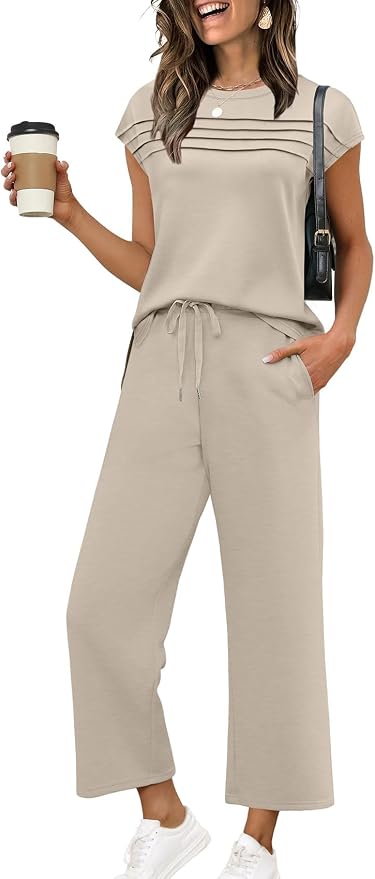
You don’t need anything formal — no heels required, no blazer necessary — just something a notch more considered than your daytime walking outfit, ideally in a fabric that still breathes if the evening turns out warmer than expected.
I wore a rust-colored slip dress with a light linen cardigan and simple sandals to dinner at a historic restaurant downtown, and it worked equally well there and later at a rooftop bar with harbor views.
Local tip: Many of Charleston’s best dinner spots are historic buildings with limited air conditioning in older sections — breathable fabric matters here even in the evening, more than it would at a modern restaurant elsewhere.
What to Wear for Charleston’s Historic Churches
Charleston is famously home to a striking number of historic churches, and visiting a few — even just to admire the architecture — calls for a slightly different approach than your daytime sightseeing outfit.
A modest dress or linen trousers with a covered-shoulder top respects the setting without requiring anything formal. Many of these churches welcome visitors, but showing up in something too casual or too revealing feels genuinely out of step with spaces that locals still use for regular worship.

A simple shawl or light scarf tucked in your bag solves this easily if your daytime outfit runs a little more casual than the churches call for.
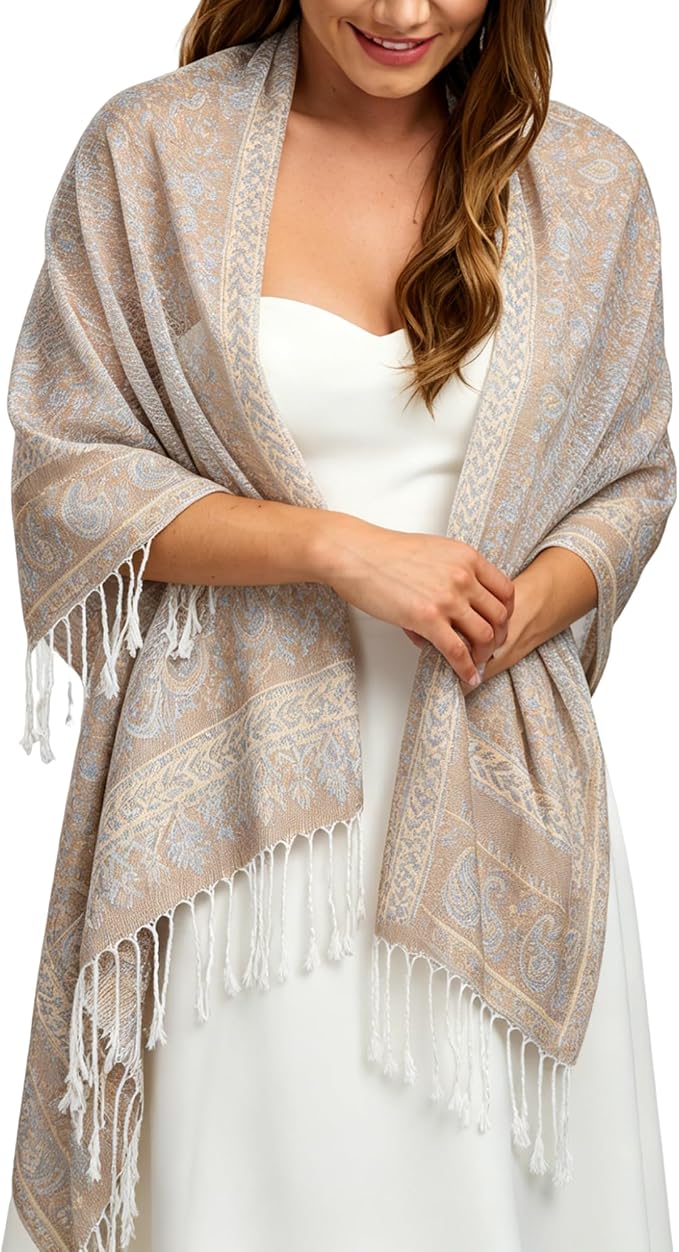
Local tip: Keep a light scarf in your daytime bag specifically for this — it takes seconds to add coverage without needing to plan a whole separate outfit around it.
Bags: Crossbody vs. Backpack for a City Built on Walking
Not clothing exactly, but worth real attention here because the wrong bag makes a full day of historic-district walking and market browsing genuinely more uncomfortable than it needs to be.
A crossbody bag works well for a day mixing sightseeing and shopping, keeping your hands free while you browse the City Market or navigate a garden tour.
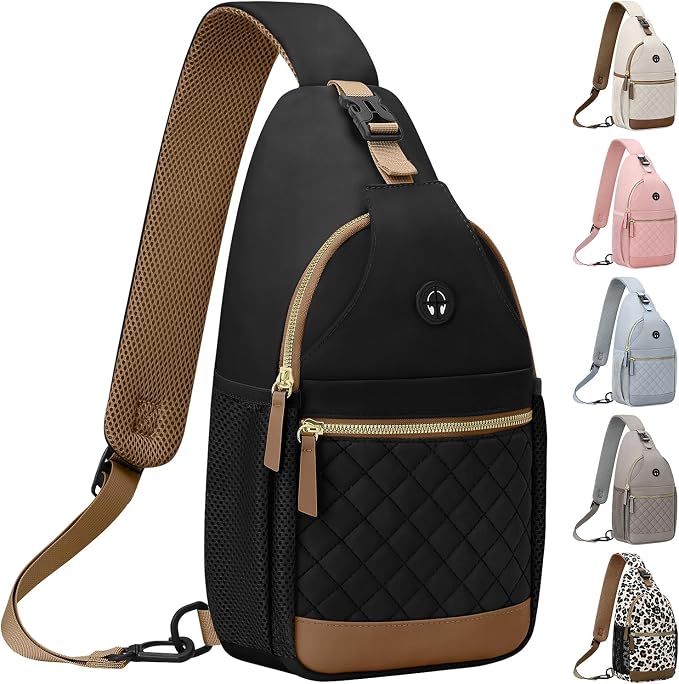
A slim backpack works better if you’re planning a longer day with a camera, a water bottle, and layers you might shed as the temperature shifts. Either beats a bulky tote you’ll be readjusting constantly on uneven cobblestone.

Local tip: A bag with breathable fabric or some ventilation helps avoid that sticky, overheated feeling against your back on Charleston’s genuinely humid afternoons.
Accessories That Elevate Simple Outfits
It’s easy to skip this category while packing, and then feel like your outfits look flatter than you’d like once you’re actually out photographing Rainbow Row.
A wide-brim straw hat does real double duty here, cutting sun glare during a long garden tour while adding exactly the kind of relaxed Southern elegance Charleston’s whole aesthetic leans into. A simple gold or tortoiseshell hair clip works beautifully for humid days when you want your hair off your neck without sacrificing the polished look.

A statement pair of earrings elevates even the simplest linen dress for an evening out, without adding any real weight or bulk to your packing.
Local tip: Choose accessories in natural materials — straw, wood, tortoiseshell — since they photograph beautifully against Charleston’s pastel buildings and ironwork balconies in a way that feels intentional rather than accidental.
Rain Preparation (More Necessary Than the Forecast Suggests)
This caught me off guard — October rain in Charleston tends to be quick and scattered, but the tail end of hurricane season occasionally sends something heavier through with very little warning.
A packable rain jacket or a compact umbrella takes up almost no space and saves an entire day from being derailed by a sudden downpour.

Because these systems can arrive with real wind off the harbor, a hooded jacket often outperforms an umbrella, especially crossing open areas like the Battery or White Point Garden with no real shelter nearby.
Local tip: Check the tropical forecast a few days out if you’re visiting in early-to-mid October specifically — leftover storm systems occasionally brush the coast even when the local daily forecast looks calm and clear.
Carry-On Luggage or a Duffle Bag for This Kind of Trip
Charleston’s mix of humid daytime walking and cooler evening layering means you’ll want luggage that makes packing light-but-flexible genuinely easy, rather than something rigid that forces you to overpack “just in case.”
A soft-sided duffle bag works particularly well here, since it compresses easily and leaves room for the inevitable market finds or a new dress picked up along the way. A structured carry-on with good organization compartments works just as well if you prefer more rigid packing, particularly useful for keeping breathable daytime linens separate from a slightly heavier evening layer.
Local tip: Leave a bit of extra room specifically for Charleston’s genuinely excellent local shops — sweetgrass baskets, local pottery, and small boutique finds have a way of adding up faster than you’d plan for.
Building a Simple Capsule Wardrobe for Charleston
The real trick to packing well for this city is resisting the urge to bring a completely different outfit for every single day, and instead building around a small, genuinely versatile rotation.
Two or three linen dresses, one pair of lightweight trousers, a couple of breathable tops, one cardigan, and one pair of comfortable walking shoes covers nearly every situation you’ll encounter here — daytime sightseeing, garden tours, church visits, and evening dinners alike.
The pieces mix and match easily precisely because they’re all built around the same breathable, humidity-friendly fabric logic, which means you’re never stuck choosing between comfort and looking put-together.
Local tip: Choose a color palette that works together from the start — soft neutrals, warm rust tones, muted greens — so that everything you pack pairs with everything else without extra thought each morning.
How Many Outfits to Pack and Avoiding the Overpacking Trap
For a long weekend, I’d bring three to four daytime outfits built around breathable linen basics, two evening outfits for dinners or a rooftop bar, and one modest option ready for a church visit if it comes up spontaneously.
Charleston rewards packing lighter than you’d expect, since the same cardigan and pair of shoes will realistically carry you through most of the trip with only the base layer changing day to day.
The most common mistake is overpacking for a generic idea of “fall travel” rather than for Charleston specifically — too many heavy layers, not enough breathable basics, no real plan for the lingering humidity that defines this month here more than almost anywhere else calling itself autumn.
If you want a comparable take on another warm, humid early-fall destination facing a similar packing balance, what to wear in Dallas, Texas in September walks through a lot of the same logic for a climate that shifts in a similarly unpredictable way.
Charleston in October has a way of rewarding whoever packed with a little intention — breathable linen instead of heavy layers, one great dress doing double duty from garden tour to dinner, a cardigan ready the moment the harbor breeze picks up.
Once you stop trying to dress for a season that hasn’t fully arrived yet and just pack for the city as it actually is, the whole trip gets easier, and you’ll spend a lot less time adjusting your outfit and a lot more time actually falling for this place the way everyone who’s been here before you clearly has.

