
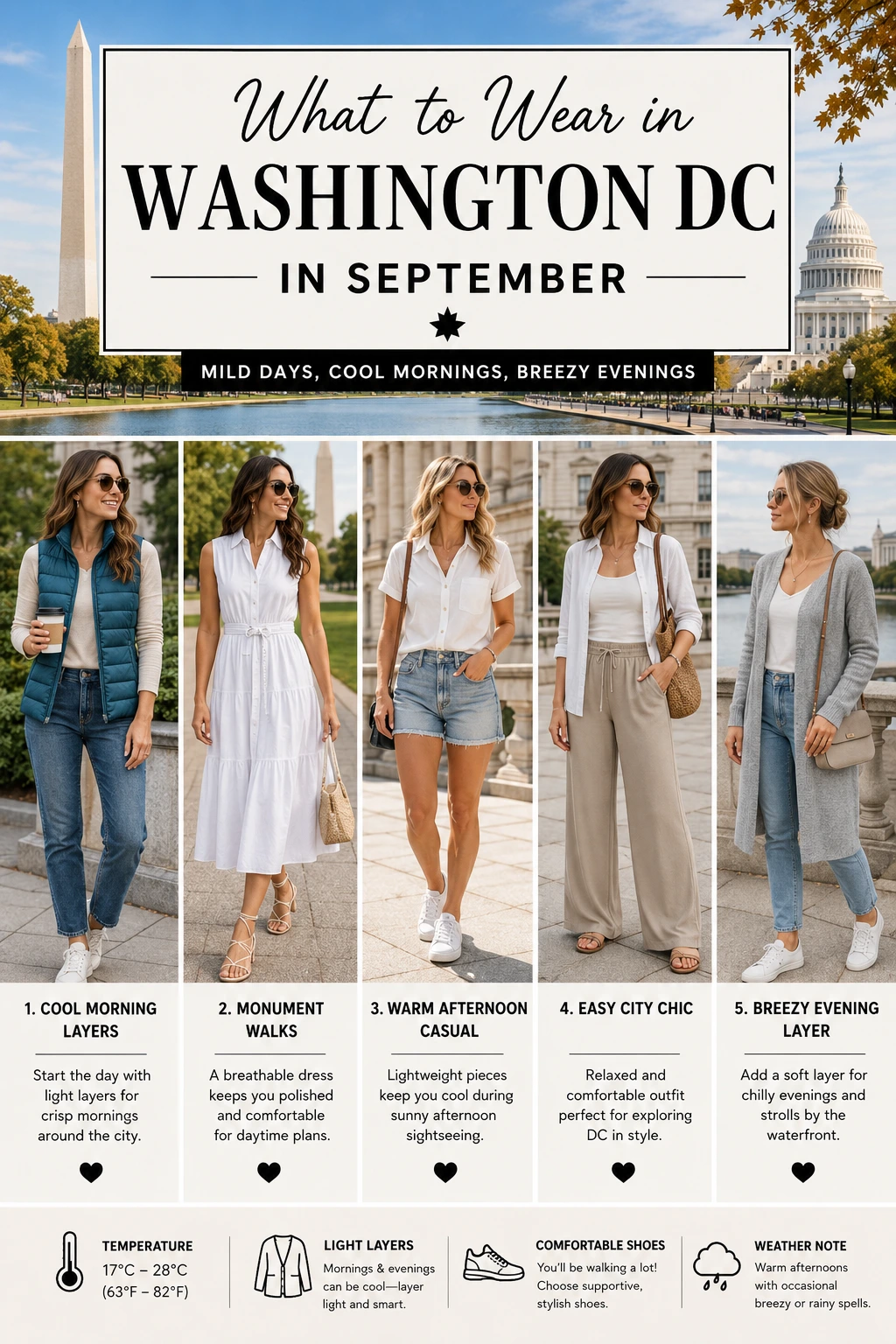
September in Washington DC sits in an odd in-between season, and that’s exactly what makes packing for it trickier than people expect. The calendar says early autumn, but the weather often disagrees, holding onto summer’s humidity for weeks past Labor Day before finally loosening its grip sometime in late September.
Travellers who pack for “fall in the capital” based on pumpkin-season Pinterest boards frequently end up sweating through the National Mall in a cardigan that made sense in a photo but not on a 85-degree afternoon.
The bigger misunderstanding, though, isn’t temperature. It’s range. A September day here can start with a cool, almost crisp walk to the Metro, build into thick, sticky heat by midday, then cool off again once the sun drops behind the monuments in the evening.
Add in the sheer amount of walking this city demands, from the Mall’s long gravel stretches to the marble floors of the Smithsonian, and the real packing question isn’t “summer or fall,” but “how do I dress for both in the same afternoon.”
This guide works through that problem properly, from the practical layering logic to a full capsule wardrobe, so a week in DC doesn’t mean lugging half a closet or freezing in a Smithsonian gallery that’s kept aggressively cold for the art.
What September Weather Actually Feels Like in DC
Weather: Early September in Washington often still carries summer’s humidity, with afternoon highs commonly landing in the low-to-mid 80s Fahrenheit and a mugginess that makes the air feel heavier than the thermometer suggests. By late September, that usually eases, with highs more often settling into the 70s and mornings turning genuinely cool.
Mornings and evenings are where the season shows itself first. Many days start around 60°F, warm quickly once the sun is up, then dip again after dark, so a single outfit rarely covers the whole day comfortably without some adjustment.
Rain shows up in scattered afternoon storms rather than steady all-day downpours, often arriving fast and clearing within an hour. Humidity is the more persistent issue, and it affects fabric choice more than any other single factor.
Walking and standing conditions: Walking distances matter more here than in most American cities. The Mall alone stretches roughly two miles end to end, museum floors are hard marble or stone, and getting between neighborhoods like Georgetown, Capitol Hill, and Dupont Circle usually means a mix of Metro rides and long stretches on foot.
Style culture: Dress in DC leans smart-casual almost everywhere, from restaurants to evening events, with slightly more polish expected near government buildings, embassies, or upscale dinner spots, though nothing in the city requires formalwear outside of specific occasions.
The Layering Problem, Solved
The core challenge in September DC isn’t picking warm or cool clothing, it’s building an outfit that can shift by ten or fifteen degrees without a full change of clothes. That means thinking in layers that can be added or removed on the Metro, not just at the hotel.
A breathable base layer, a light mid-layer, and one packable outer layer covers almost every scenario the month throws at visitors.
The trick is choosing pieces that compress small enough to carry once the afternoon heats up, since nobody wants to hold a bulky jacket for six hours of sightseeing.
A lightweight packable puffer vest works surprisingly well for this season, cutting the morning chill without the bulk of a full jacket, and it folds down small enough to stash in a daypack once the sun climbs. One outfit that handles a full day well: a breathable cotton tee, the vest over it for the morning walk to the Mall, then off by midday, paired with straight-leg trousers and comfortable sneakers.

Daytime Dresses and One-Piece Outfits
A single well-chosen dress solves more packing problems than almost any other item, since it eliminates the need to coordinate a top and bottom while still looking put-together for a museum morning or a Georgetown lunch. September’s lingering humidity makes breathable fabric non-negotiable here.
Midi lengths tend to work better than mini for DC’s mix of formal buildings and long walks, offering enough coverage for museum visits while still feeling appropriately casual for outdoor sightseeing.

A midi shirt dress in lightweight cotton poplin handles both muggy mornings and cooler museum interiors well, since it can be worn with sleeves rolled or buttoned depending on the moment.
One workable combination: the shirt dress alone for a warm midday walk to the Smithsonian, then a thin cardigan added once inside for the building’s stronger air conditioning.
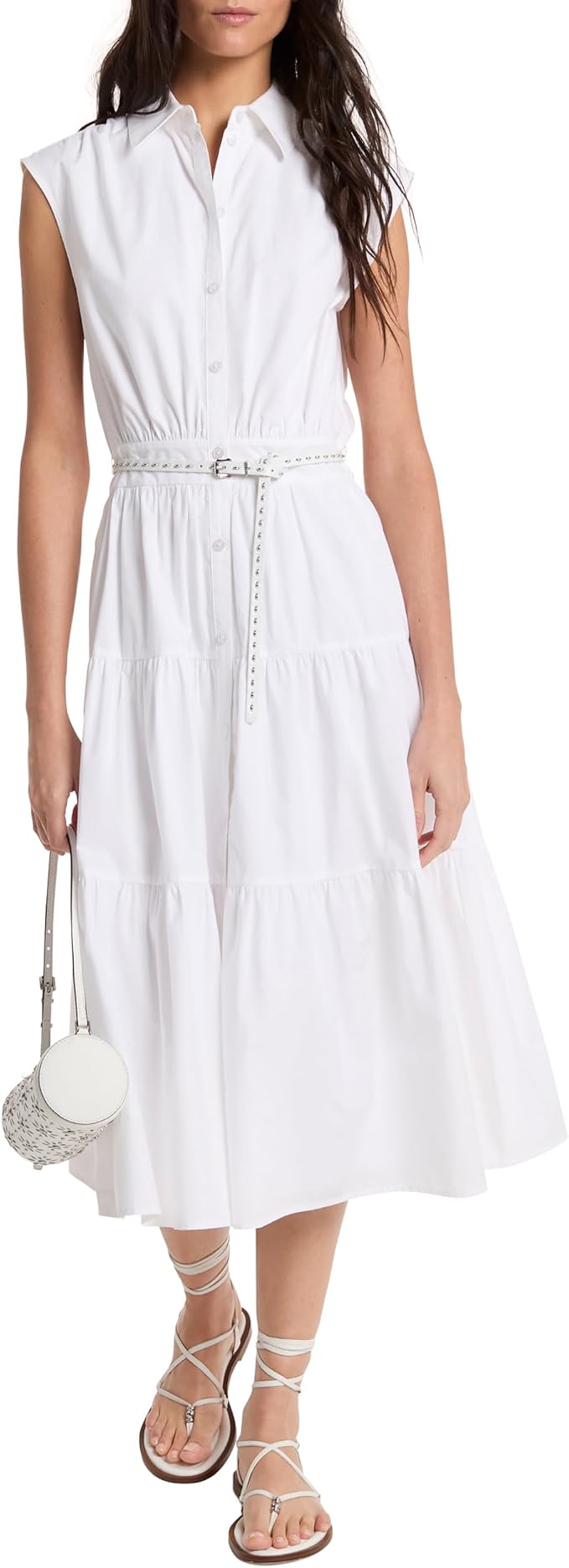
For days with heavier walking, a shift dress in a jersey knit blend moves more easily and resists wrinkling after being balled up in a bag for the afternoon heat.

Breathable Tops and Layering Pieces
Cotton and linen blends handle DC’s humidity far better than synthetic fabrics, which tend to trap heat and cling uncomfortably by midday. Loose-fitting tops that allow airflow make the walk from the Metro to the Mall considerably more bearable.
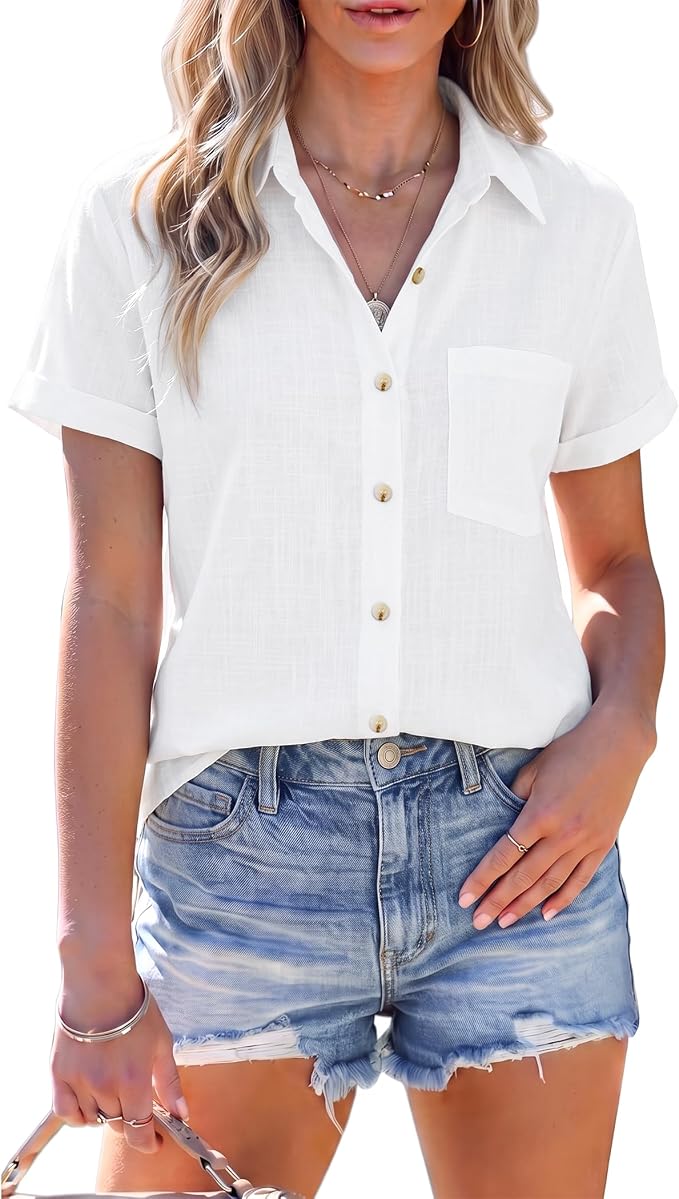
A short-sleeve linen-blend button-down works well layered over a tank for cooler mornings, then worn open or alone once the temperature climbs past 80. It also dresses up easily enough for a dinner reservation without needing a separate evening top.
Sleeveless tops paired with a light cardigan give more flexibility than short sleeves alone, since the cardigan handles the temperature swing between outdoor heat and indoor air conditioning that hits hard in most Smithsonian buildings.

Bottoms That Handle Heat and Humidity
Jeans are workable in September DC but only in a lighter weight; a heavy denim becomes uncomfortable fast once the afternoon humidity sets in. Many travellers find that swapping one pair of jeans for lightweight trousers or a breathable skirt makes the walking days noticeably more comfortable.

Wide-leg linen trousers allow airflow that jeans simply can’t match, and they hold a more polished look for restaurant dinners or evening walks near the monuments. A pair in a neutral tone pairs easily with several different tops, cutting down on how many bottoms need to be packed.

A-line skirts in breathable cotton are another strong option for hot afternoons, offering more movement and coolness than shorts while still reading as put-together for museum visits or embassy-adjacent neighborhoods where dress tends to run slightly more polished.

Cardigans, Overshirts, and Light Layers
The indoor-outdoor temperature gap in September DC is bigger than most visitors expect. Museums, restaurants, and the Metro itself run cold enough that a top alone often isn’t enough, even on a hot day outside.

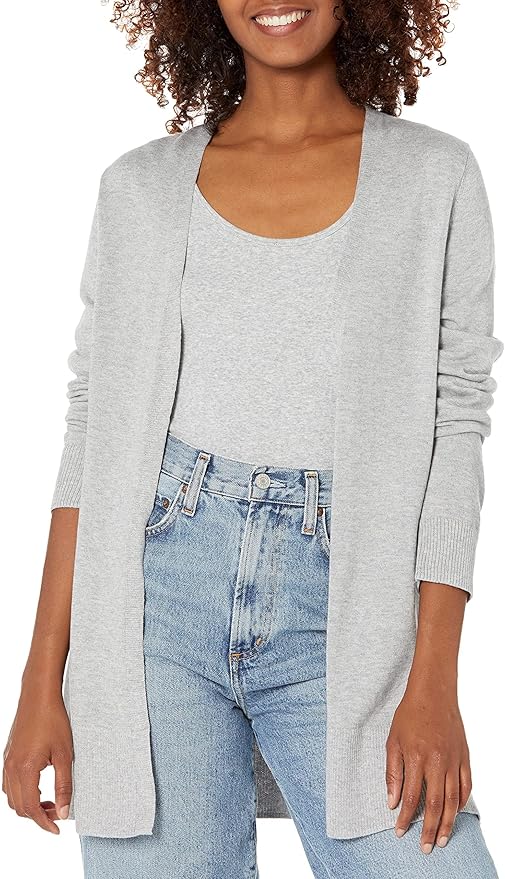
A lightweight cotton cardigan solves this without adding real bulk to a daypack, since it folds flat and layers easily over dresses or tanks the moment air conditioning kicks in. It’s a more practical choice than a heavier sweater, which tends to feel unnecessary once back outside in the humidity.
An overshirt in a light chambray or linen blend offers a slightly more polished alternative for evening wear, working well over a simple tank for dinner in Georgetown or a walk along the waterfront after sunset.

Walking Shoes for Marble Floors and Miles of Mall
Few cities punish the wrong shoe choice as quickly as Washington does. Between the Mall’s gravel paths, the marble floors of the Smithsonian, and the sheer distance between monuments, footwear matters more here than almost any other packing decision.
A pair of cushioned white leather sneakers handles the mileage well while still looking neat enough for a museum morning or a casual dinner afterward. Many visitors underestimate just how far apart the monuments actually sit, and an unsupportive shoe turns an enjoyable afternoon into a painful one by the third mile.

For travellers who prefer something less overtly athletic, a low block-heel loafer offers similar support with a slightly dressier look, suitable for both sightseeing and a nicer dinner without a shoe change. Whatever the choice, breaking shoes in before the trip avoids a genuinely miserable first day.

Rain-Ready Footwear and Outerwear
September storms in DC tend to arrive fast and leave just as quickly, which means full rain gear usually isn’t necessary, but something water-resistant absolutely is. Humidity plus sudden downpours creates a specific packing need that differs from steady, all-day rain climates.
A packable rain jacket with a hood handles these sudden bursts without adding real weight to a bag, and it stows small enough to carry daily just in case. A trench coat, however appealing in photos, tends to feel far too heavy for this month’s humidity.

Footwear-wise, water-resistant sneakers with decent tread handle both a surprise downpour and DC’s occasional slick marble steps better than canvas shoes, which stay damp for hours once wet.

Day-to-Night Outfit Transitions
Most DC itineraries run museum mornings into dinner evenings without a hotel break in between, which makes a single adaptable outfit more useful than a full daytime look plus a separate evening change.
The goal is one base outfit with two or three swappable pieces.
A breathable dress worn with sneakers and a cardigan during the day transitions easily into evening simply by swapping sneakers for the block-heel loafer and losing the cardigan once indoors. Similarly, linen trousers and a simple top can move from a Smithsonian afternoon to a Georgetown dinner with nothing more than a change of shoes and maybe a lip colour touch-up.

For travellers pairing DC with other East Coast stops, the same adaptable approach works well; readers heading north afterward might find the seasonal notes in What To Wear In New York In September useful for comparing how the humidity and layering needs shift between cities.
Museum, Restaurant, and Government-Building Dress Considerations
Washington’s museums are famously free and famously air-conditioned, which means dress-code concerns are less about formality and more about temperature management. Smithsonian buildings in particular run cold enough that many visitors regret leaving a light layer at the hotel.

Restaurants across the city range from casual to fairly polished, and while few enforce strict dress codes, neighborhoods like Georgetown and parts of Capitol Hill tend to skew toward smart-casual rather than beachwear-casual.
Government buildings and certain embassy events may expect more coverage and a tidier overall look, though this applies to specific occasions rather than everyday sightseeing.
A cardigan, closed-toe shoes, and a slightly more put-together outfit cover the handful of situations where extra polish helps, without requiring a separate formal wardrobe for the trip.
Bags and Anti-Theft Practicality
A full sightseeing day in DC often means hours away from a hotel room, carrying water, a phone, sunscreen, and sometimes a light jacket, which makes bag choice a genuinely practical decision rather than a style afterthought.
A crossbody bag with a zip closure keeps hands free for the Metro and museum entry lines while keeping valuables more secure than an open-top tote. Many national monuments and museums also require bag checks, so something that opens easily for security staff saves time in queues.

A slightly larger tote works for days with fewer security checkpoints, useful for carrying a folded cardigan or rain jacket alongside the day’s essentials, though it’s less practical for the busier museum entrances near the Mall.

Accessories Worth Packing
September sun in DC is still strong enough in the first half of the month to warrant real sun protection, even on days that feel more autumnal than summery. A few small accessories make a noticeable difference across a week of walking.
A wide-brim packable sun hat protects against hours of unshaded walking along the Mall, where tree cover is sparser than visitors often expect. It folds flat enough to pack without taking up real bag space.

A lightweight scarf earns its spot for the opposite reason, useful as a light layer against museum air conditioning or a cool evening breeze near the Tidal Basin.

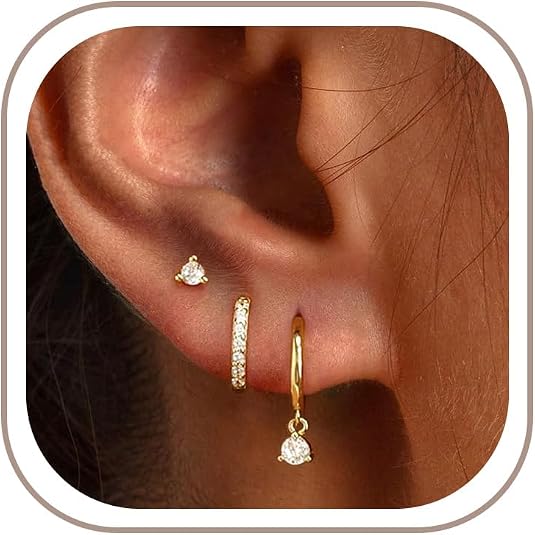
Simple stud earrings and a crossbody-friendly watch round things out without adding bulk or worry about loss.
Sun Protection for Long Outdoor Days
The Mall offers almost no shade across its central stretch, and a morning that starts mild can turn into serious sun exposure by early afternoon, particularly in the first two or three weeks of September.
A high-SPF mineral sunscreen stick makes reapplication easy without disrupting makeup or requiring a stop at a restroom sink, which matters on a day with back-to-back monument visits. It’s a small packing addition that prevents a genuinely common trip regret.

Sunglasses with real UV protection matter just as much here as at any beach destination, given the sheer number of hours spent outdoors between monuments, the Tidal Basin, and the walk between Metro stops.

Fabrics That Actually Work for This Climate
Humidity is the defining factor in what fabric performs well in DC through September, more so than temperature alone. Breathable natural fibers consistently outperform synthetics, which trap heat and often show sweat more visibly.
Cotton, linen, and lightweight jersey blends handle both the muggy first half of the month and the cooler final weeks reasonably well. Synthetic activewear fabrics, while breathable in theory, tend to cling uncomfortably in high humidity and are best left for actual exercise rather than sightseeing.
A linen-cotton blend in particular resists wrinkling better than pure linen, useful for a trip where clothes get packed tightly and worn straight from a suitcase.
Common Clothing Mistakes to Avoid
The most frequent misstep is packing for “fall” based on the calendar rather than the actual forecast, resulting in sweaters and heavier jackets that sit unused in a suitcase for a week. September in DC, especially early in the month, often still behaves like summer.
Another common issue is underestimating walking distances and choosing fashion-forward but unsupportive shoes, which turns a Mall-to-Capitol walk into a genuinely uncomfortable slog. Heavy, non-breathable fabrics create the same problem from a different angle, trapping heat during the humid stretches.
Overpacking evening wear is a subtler mistake; DC’s dress code rarely demands more than one slightly dressier outfit for the entire trip, and a full separate “night out” wardrobe usually goes untouched.
Building a Capsule Wardrobe for the Trip
A workable capsule for a DC September trip centers on a neutral color palette that mixes and matches easily: navy, white, tan, and one accent color. This keeps the total item count low while still allowing a different-looking outfit each day.
Two dresses, three tops, two bottoms, one cardigan, one packable rain jacket, and two pairs of shoes cover most weeklong itineraries without repetition feeling obvious. Accessories like the scarf and sun hat add visual variety without requiring extra clothing items. Readers planning a broader East Coast itinerary might also find useful comparisons in guides like What To Wear In Toronto In September or What To Wear In Dallas Texas In September, since layering logic shifts noticeably by region even within the same month.
A Realistic Packing List for a One-Week Trip
For an example seven-day DC trip, a practical quantity looks like this: two dresses, three breathable tops, two bottoms (one trouser, one skirt or lightweight jean), one cardigan, one packable rain jacket or vest, two pairs of shoes, and a small rotation of accessories. This allows for outfit repetition without it feeling repetitive, since tops and layers can be recombined differently each day.
Most travellers find that five to six days’ worth of clothing genuinely covers seven days, especially with one laundry stop or a quick sink-wash of a top midweek. Overpacking “just in case” outfits tends to be the biggest source of an overweight suitcase, particularly extra evening wear that rarely gets worn.
Travel Day Outfit and Packing-Light Trade-Offs
Travel days call for the bulkiest items worn rather than packed, since airport and train security lines move faster without excess in a carry-on. Wearing the packable puffer vest and sneakers on the flight or drive in, rather than folding them into luggage, saves real suitcase space.
The trade-off between packing light and over-preparing usually comes down to trusting the layering system rather than adding “backup” pieces for every possible temperature. A capsule built around adaptable layers handles far more scenarios than a suitcase stuffed with single-purpose outfits, and it makes the actual walking days easier since luggage stays manageable between hotel and Metro.
Adjusting the List for Warmer or Cooler Stretches
Early September trips lean warmer and muggier, so travellers arriving in the first two weeks might swap one cardigan for a second breathable top and prioritize the sun hat over the vest. Late September trips trend cooler and drier, making the packable vest and cardigan more essential and sun protection slightly less critical, though never unnecessary.
Travellers unsure which half of the month they’ll experience should default to the flexible middle-ground capsule outlined earlier, since it adapts reasonably well to both ends of the range without requiring a full rethink.
Washington in September rewards travellers who pack for movement and temperature swings rather than a fixed idea of the season. A handful of breathable, layerable pieces, one dependable walking shoe, and a lightweight rain layer will carry a full week of monument walks, museum mornings, and Georgetown dinners without a single unnecessary item weighing down the suitcase. The city gives its own kind of clarity once the outfit logic clicks into place, and from there, the packing part of the trip stops being the hard part.


One Response