
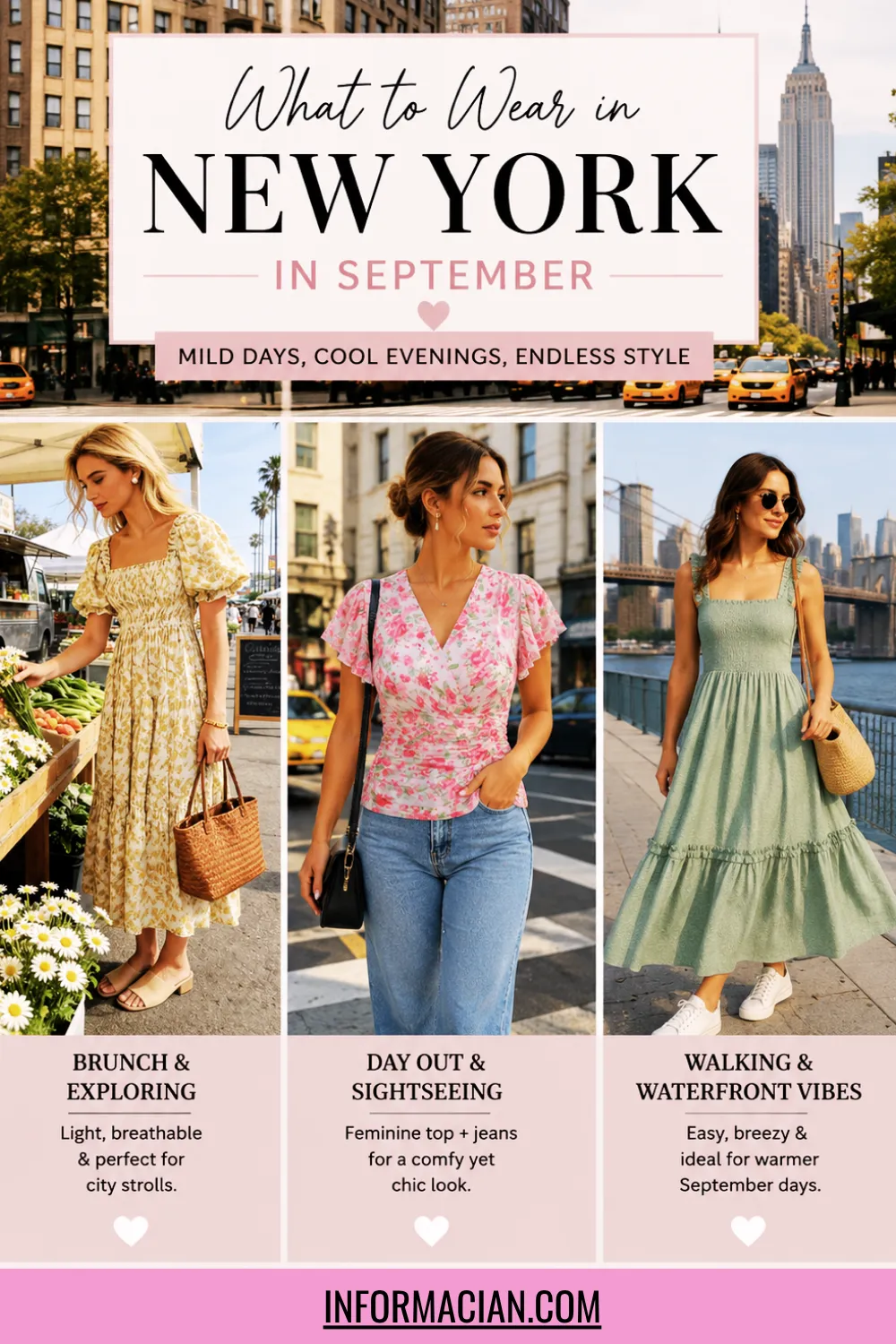
Let me be honest: September in New York is the trickiest month to pack for, and I say that as someone who once showed up in early September wearing a sundress and sandals, only to be standing on a windy corner of 5th Avenue by 7pm wishing I’d brought literally anything with sleeves.
This is the month New York can’t decide what it wants to be. You’ll get an 82°F afternoon that feels like the last gasp of summer, then a 58°F evening that has everyone suddenly pulling blazers out of tote bags. The light gets that gorgeous gold, low-angle quality, the crowds thin out just slightly after the August tourist crush, and the city genuinely starts to feel like itself again.
The mistake almost everyone makes? Packing for one New York — either full summer or full fall — instead of packing for both, because in September you’ll live through both in the same 24 hours.
Before We Dive In
Weather : September in New York splits pretty cleanly into two halves. Early September (think the first two weeks) still runs warm and a little humid, with highs often in the high 70s to low 80s°F and nights hovering around 65°F. By late September, that shifts — highs drop into the high 60s, nights can dip into the low 50s, and you’ll start seeing your breath on the subway platform in the early morning. Rain shows up in short, sudden bursts rather than all-day drizzle, so it’s more “umbrella in your bag” than “raincoat every day.”
Walking and standing conditions: Walking conditions matter more here than almost anywhere else I’ve traveled. You’re not just walking — you’re power-walking, sprinting for trains, standing on subway platforms that get shockingly hot even when it’s cool outside, and covering what usually ends up being six or seven miles a day without really trying. Cobblestones show up in the West Village and Meatpacking District specifically, so factor that in.
Style culture: And then there’s the style thing. New Yorkers dress with intention, but it reads as effortless — a lot of neutral tones, good denim, one statement piece, comfortable-but-not-sloppy shoes. Nobody’s overdressed, but almost nobody looks like they just rolled off a tour bus either. This isn’t about buying a whole new wardrobe; it’s about packing pieces that layer, move, and don’t scream “first time here.”
The Bag You Actually Bring Matters More Than You Think
Here’s something nobody tells you: your suitcase choice changes your whole trip.
New York apartments-turned-Airbnbs often have narrow hallways, walk-up buildings, and zero elevator mercy. A giant hard-shell suitcase becomes a genuine liability the second you’re hauling it up three flights of stairs in Alphabet City. I’ve learned to travel with a mid-size duffle or a soft-structured carry-on that I can sling over one shoulder when needed, paired with a foldable tote for the inevitable overflow (you will buy things — it’s New York).

If you’re staying more than five or six days, a real carry-on with wheels is fine for the subway-free parts of your trip, but keep a packable duffle inside it for day trips or overnight add-ons to somewhere like the Hudson Valley. If you want a full breakdown on getting everything into one bag without overpacking, this carry-on packing guide is worth a look before you start folding anything.
Local tip: skip the giant checked suitcase if you’re staying in a walk-up. Your future self, hauling bags up a fourth-floor Brooklyn brownstone stoop, will thank you.
Lightweight Layers Are Doing More Work Than Any Single Item
This surprised me the first time I traveled here in September: it’s not really about jackets or dresses individually — it’s about how many thin layers you can stack and shed throughout the day.
You’ll start the morning slightly chilly, be sweating on the subway platform by 11am, need a layer back on by sunset, and want something warmer again once you’re out past 9pm.
A single heavy sweater can’t do that. Three thin ones can. Think lightweight merino or cotton knits, a long-sleeve tee that layers under a button-down, and a cardigan that rolls up small enough to live in your tote bag without adding bulk.

This is also where a lot of people overpack — they bring five heavy sweaters “just in case,” when really two thin, versatile layers plus one slightly heavier piece for late-night walks covers the whole trip.

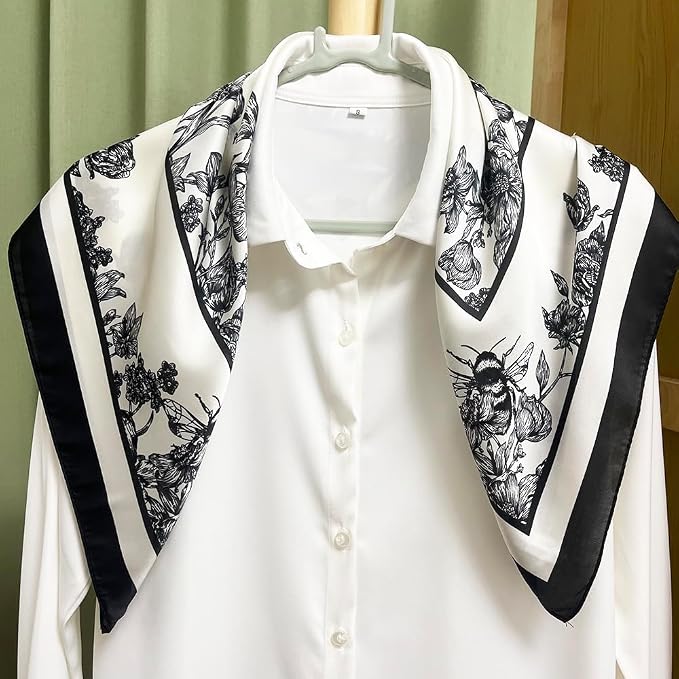
Local tip: a thin, dark-colored scarf works as an emergency layer, a subway air-conditioning shield, and an evening accessory all in one. I never travel here without one in September.
Dresses That Actually Match the City’s Energy
A flowy summer sundress that felt perfect in Santorini can feel a little out of place here — not wrong, just slightly mismatched to the pace of the city.

What works better is a slip dress or a simple midi in a structured fabric, worn with a leather jacket or blazer over it and boots or sneakers underneath.

It reads polished without trying too hard, and it transitions instantly from a daytime museum wander to dinner without a full outfit change. Save the delicate, sheer, breeze-catching fabrics for a beach trip — New York’s wind tunnels between buildings will not be kind to them.

For warmer early-September days, a simple cotton or linen-blend dress in a solid or subtle print works well on its own, then gets an evening upgrade with a jacket and different shoes.

Local tip: one midi dress you can dress up or down does more for your packing list than three separate “occasion” outfits.
Jeans, Trousers, or Shorts — What Actually Earns Its Spot
Shorts have a narrow window here. If you’re visiting in the first week or two of September and it’s genuinely hot, tailored shorts (not athletic ones) paired with a nicer top can work during the day. Past that, you’ll want them in your bag as a backup, not your main bottom.

Linen or cotton, mid-thigh length or just above the knee.

Jeans are the real workhorse. A well-fitting straight or slightly relaxed pair in a mid-to-dark wash goes with everything and doesn’t show subway grime the way lighter washes do.

Trousers — a wide-leg or tailored straight cut — are underrated for New York specifically because they photograph beautifully against the city’s architecture and still let you walk for miles.

Local tip: bring one pair of dark jeans and one pair of trousers rather than two pairs of jeans. The trousers instantly elevate an outfit for dinner without needing a separate “fancy pants.”
Shoes That Can Actually Survive the City
I learned this one the hard way, wearing brand-new white sneakers that were black by day two.
New York demands shoes that are genuinely comfortable, not “comfortable for a photo.” You’re looking at miles of pavement, subway stairs, and uneven curbs, sometimes all before lunch.

Broken-in leather sneakers, a supportive loafer, or a low block-heel boot all work well here. Save brand-new shoes for after the trip — break everything in at home first.

For evenings, a slightly dressier flat or low heel that still lets you walk six blocks to the subway without wincing is the sweet spot.

Anything you can’t comfortably run for a train in isn’t worth packing.

Local tip: pack a second pair of walking shoes if you’re staying more than four days. Rotating shoes means less wear on your feet and lets a wet pair actually dry out.
What NOT to Wear (Tourist Giveaways to Skip)
This one’s a bit blunt, but it’ll save you some odd looks and a few blisters.
Skip the full head-to-toe athleisure — leggings-as-pants with a graphic tee and a fanny pack across the chest reads as “just landed” more than anything else.
Avoid flip-flops entirely; the sidewalks are not kind to bare feet, and neither is the subway.
And leave the giant novelty “I Heart NY” merch for the airport gift shop on your way home rather than your actual outfit.
The bigger point isn’t about looking a certain way to impress anyone — it’s practical. Clothes that are too casual or too fragile just don’t hold up to a real day of New York walking.
Local tip: if you wouldn’t wear it for six hours of standing and walking, it’s probably not the right call here.
Jackets for a Month That Can’t Make Up Its Mind
September’s biggest packing trap is assuming you only need one jacket weight. You actually need two options that work together.

A lightweight denim or utility jacket handles the warmer early-month days and cooler evenings without overheating you.
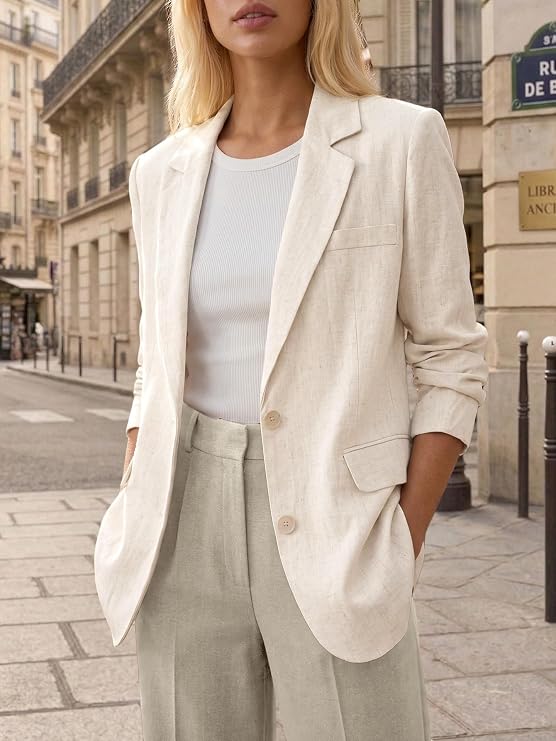
A slightly heavier layer — a trench, a light wool-blend jacket, or a structured bomber — covers late-September mornings and any surprise cold snap. Neither needs to be bulky; the trick is choosing something that layers over a sweater without looking stuffed.

Local tip: a trench coat is doing double duty here — it works as rain protection on a drizzly afternoon and as your dressiest outerwear for an evening out.
Evening Outfits That Fit the Vibe
New York evenings have range — a rooftop bar, a dim wine bar in the East Village, a proper sit-down dinner reservation — and your outfit should be able to flex between them without a full wardrobe change.

A simple formula that’s never let me down: dark trousers or a slip skirt, a fitted top, one statement accessory (a bold earring, a great bag, a bright lip), and shoes that can handle a few blocks of walking to get there.

Add a blazer or leather jacket over it and you’re covered for anywhere from a casual dinner to something a little more polished.

Local tip: most restaurants here are more relaxed about dress codes than people assume — it’s less about formality and more about looking put-together, not overdressed.
Dress Codes for Churches, Cathedrals, and a Few Fancier Spots
If a cathedral or church visit is on your list — St. Patrick’s, for example — modest coverage matters: shoulders covered, and nothing too short. It’s an easy fix if you’re already carrying a light layer or scarf from earlier in the day.

A handful of upscale restaurants and rooftop bars also still lean smart-casual to dressy, meaning sneakers and shorts might get you a polite but firm “not tonight.” If you have one reservation like that planned, it’s worth packing one slightly elevated outfit specifically for it.

Local tip: that scarf you’re already carrying as a layer doubles as instant shoulder coverage — one less thing to plan around.
Bags: Crossbody vs. Backpack, and Why It Actually Matters Here
This is a bigger decision in New York than in most cities, purely because of how much time you spend on crowded subways and sidewalks.
A crossbody bag worn in front, not on your hip, is the most practical option for daily sightseeing — it keeps your hands free and is harder to access on a packed train.

Backpacks work fine too, but they’re easiest to manage during less crowded hours; on a rush-hour 6 train, a backpack behind you is basically out of sight and out of mind, which isn’t ideal.

Whatever you choose, look for one with a secure zip close to your body rather than an open tote-style bag for daily wandering. Save the tote bag for shopping days when pickpocket risk matters less.
Local tip: wear your bag across your body and in front of you on the subway — it’s such a small habit change that makes a real difference.
Accessories That Do the Heavy Lifting
You don’t need many, but the right ones stretch a small packing list a long way.
A structured tote or crossbody in a neutral tone,

a pair of sunglasses that go with everything,

one or two pieces of jewelry that can go from day to night,

and a scarf are really all you need to make five outfits feel like ten.
Baseball caps are genuinely useful here too, both for sun and for the occasional bad-hair, no-time-to-deal-with-it day walking the High Line.

Local tip: one gold or silver jewelry set (not both) keeps your accessories cohesive without you having to think about matching every day.
Rain Prep Nobody Thinks About Until It’s Pouring
September sits at the tail end of hurricane season for the East Coast, which means the city can get sudden, heavy downpours even on an otherwise sunny week. It’s not constant rain — it’s the kind that shows up out of nowhere for twenty minutes and then disappears.
A compact umbrella that actually fits in your daily bag is non-negotiable.

Water-resistant (not necessarily waterproof) shoes help too, since you’re not usually caught in rain long enough to need full rubber boots, just enough to want shoes that dry quickly and don’t stain.

Local tip: street vendors sell cheap umbrellas on practically every corner the second it starts raining — handy, but a packed compact one saves you the scramble.
Fabrics to Choose (and a Few to Leave at Home)
Breathable natural fibers — cotton, linen blends, merino wool for layers — handle New York’s mix of humidity and sudden coolness far better than synthetics that trap heat on the subway and don’t breathe on a warm afternoon.
Fabrics to skip: anything too delicate for a lot of walking and unpredictable weather (think dry-clean-only silk you’ll be nervous about all day), and heavy fabrics that won’t adjust well between a warm afternoon and a cool evening.
Local tip: a mid-weight cotton or a cotton-linen blend is the September sweet spot — breathable enough for midday heat, substantial enough not to feel flimsy once it cools down.
Building a Simple Capsule Wardrobe for the Trip
You genuinely don’t need a different outfit for every day. A tight little capsule built around three or four bottoms (jeans, trousers, one skirt or dress) and five or six tops that all mix and match with your layers covers a week easily, especially once you add in your jacket and shoe rotation.
Stick to a base of two or three neutral tones and let one or two accent colors or accessories do the personality work. It sounds restrictive on paper, but it actually makes getting dressed each morning faster, not harder. For more on building this kind of flexible, mix-and-match wardrobe before you even start folding, this capsule wardrobe guide is a solid starting point.
The Practical Packing Section
For a week-long trip, aim for roughly five tops, three bottoms, one dress, two jackets (one light, one slightly heavier), and two to three pairs of shoes. That combination, mixed and matched, easily stretches into ten-plus outfit variations without you needing to overpack.
The biggest mistake I still see (and occasionally still make) is packing for the “best case” weather only, or bringing three versions of the same item “just in case.” Pick your versatile pieces, commit to the layering system, and trust that you can always buy a cheap emergency umbrella or scarf if the weather genuinely surprises you. If you’re debating rolling versus folding to make it all fit, this packing method breakdown will save you some suitcase Tetris.
Lay everything out before you pack it and ask honestly: does this mix with at least two other things in the pile? If not, it probably doesn’t need to come.
New York in September has this specific, electric energy — cooler air finally cutting through summer’s haze, that low golden light hitting the avenues around 6pm, everyone walking just a little faster because fall is coming. Pack like you’re ready to move through all of it, layer by layer, and you’ll spend a lot less time thinking about your outfit and a lot more time actually being here.


7 Responses