How to Fix Update Stuck on Downloading

Is your update stuck on downloading, leaving you frustrated and unsure of what to do next? You’re not alone.
When updates freeze, it can slow down your device and disrupt your plans. But don’t worry—fixing this issue is easier than you think. You’ll discover simple, effective steps to get your update moving again quickly. Keep reading, and you’ll be back on track before you know it.
Common Causes Of Update Stuck
Update stuck on downloading can frustrate anyone. Understanding why updates freeze helps solve the problem faster. Several common causes often block the update process. Knowing these causes can guide you to fix the issue quickly.
Network Issues
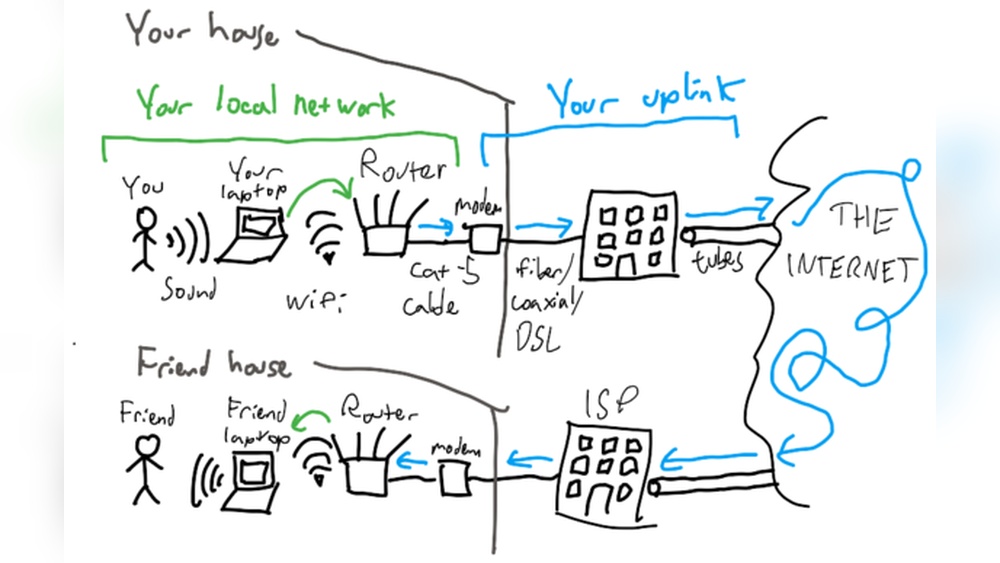
Strong internet connection is essential for updates. Slow or unstable networks cause downloads to pause or stop. Interruptions in Wi-Fi or mobile data can delay updates. Routers with weak signals or crowded networks also create problems.
Insufficient Storage
Updates need enough free space on your device. Low storage prevents new files from downloading. Devices with almost full memory often face update blocks. Cleaning up unused files or apps can help.
Software Conflicts
Other programs or apps may interfere with updates. Security software sometimes blocks update files. Running multiple apps during updates can cause conflicts. Closing unnecessary apps before updating improves success.
Corrupted Update Files
Sometimes update files get damaged during download. Corrupted files stop the update from continuing. Faulty files need removal and re-download. Clearing cache or temporary files can fix this problem.

Credit: www.reddit.com
Basic Troubleshooting Steps
Basic troubleshooting steps help solve many update download issues. They are simple actions anyone can try. These steps often fix the problem quickly without extra tools or skills.
Start with easy checks. They clear minor errors and restart the process. Follow the steps below to get your update moving again.
Restart Your Device
Turn off your device completely. Wait for 30 seconds. Turn it back on. This refreshes the system and closes stuck processes.
Restarting clears temporary glitches that block updates. It gives your device a fresh start to continue downloading.
Check Internet Connection
Ensure your device is connected to a stable network. Use Wi-Fi instead of mobile data if possible. Slow or unstable internet can stop downloads.
Run a speed test to check connection quality. If the internet is weak, move closer to the router or reset it.
Free Up Storage Space
Updates need enough free space to install. Check your device’s storage. Delete unused apps, old files, or videos to create room.
Low storage can halt downloads and cause errors. Free space helps the update download smoothly and install successfully.
Advanced Fixes
Advanced fixes help solve update issues that basic steps can’t. These methods target deeper system problems. They often fix stuck updates by clearing hidden errors or resetting services. Follow each step carefully for best results.
Run Update Troubleshooter
The Update Troubleshooter scans your system for update problems. It finds and fixes errors automatically. To run it, open Settings, then go to Update & Security. Click Troubleshoot and select Windows Update. Press Run the troubleshooter and wait for it to finish. This tool can fix many common update glitches fast.
Clear Update Cache
Update cache stores temporary files for updates. Sometimes these files get corrupted and block downloads. Clearing the cache removes faulty data and forces a fresh download. Open Command Prompt as an administrator. Stop the Windows Update service using net stop wuauserv. Then delete files in C:\Windows\SoftwareDistribution\Download. Finally, restart the service with net start wuauserv. This clears old files and helps updates proceed smoothly.
Reset Update Components
Resetting update components fixes deeper software issues. It stops update services, deletes temporary files, and restarts services. Open Command Prompt as administrator. Run commands to stop services: net stop bits and net stop wuauserv. Rename update folders with ren commands to keep backups. Restart the services using net start. This reset clears glitches blocking updates and restores normal function.
Using Command Line Tools
Using command line tools can help fix updates stuck on downloading. These tools check and repair system files that might cause problems. They work directly with your operating system and can solve deep issues.
Two important tools to use are the SFC scan and the DISM tool. Both can run from the Command Prompt and help make your system stable again.
Run Sfc Scan
The System File Checker (SFC) scan finds and fixes corrupted system files. Open Command Prompt as an administrator. Type sfc /scannow and press Enter. The scan will check your files and fix problems automatically. This process can take some time, so wait patiently. After it finishes, restart your computer and check the update again.
Use Dism Tool
The Deployment Imaging Service and Management Tool (DISM) repairs the system image. Open Command Prompt as an administrator. Type DISM /Online /Cleanup-Image /RestoreHealth and press Enter. This command connects to Microsoft servers to fix broken files. It may take several minutes to complete. After the process ends, restart your PC. Run the SFC scan again to ensure all issues are fixed.
Preventing Future Update Issues
Stopping update problems before they start saves time and frustration. Keeping your system ready helps updates run smoothly. Simple habits can avoid many common issues with downloads and installations.
Keep System Clean
Remove old files and unused programs regularly. These take space and slow your computer. A clean system helps updates finish faster. Use built-in tools to clear temporary files and caches. This frees up storage and prevents errors during updates.
Schedule Updates Properly
Set update times when you do not need the device. Avoid starting updates during heavy work or low battery. Choose periods with a strong and stable internet connection. Scheduling updates this way reduces chances of interruptions. It also helps updates complete without delays.
Regularly Check For Updates
Check for updates often to stay current. Installing smaller updates frequently avoids big, slow downloads. This practice keeps your system safer and faster. Early updates fix bugs before they cause bigger problems. A regular check ensures your device runs well every day.

Credit: www.youtube.com

Credit: www.reddit.com
Frequently Asked Questions
Why Is My Update Stuck On Downloading?
Updates can freeze due to slow internet, server issues, or software conflicts. Check your connection and restart your device. Also, clear cache and disable VPNs to resolve the problem quickly.
How Do I Restart A Stuck Update Download?
To restart, pause the download and close the update window. Then, reboot your device and reopen the update settings. This refresh often clears minor glitches causing the freeze.
Can Low Storage Cause Update Download Issues?
Yes, low storage space can block updates. Free up space by deleting unused apps or files. Ensure you have enough free storage before retrying the update.
Does Disabling Antivirus Help Update Downloads?
Sometimes, antivirus software blocks updates. Temporarily disable it and try the download again. Remember to re-enable antivirus after the update completes.
Conclusion
Fixing an update stuck on downloading can be simple. Check your internet connection first. Restart your device to clear temporary issues. Try pausing and resuming the update. Clear space on your storage if needed. Sometimes, waiting patiently helps too. These steps often solve the problem quickly.
Keep your system and apps updated regularly. This avoids future update troubles. Stay calm and follow these tips carefully. Your device will update smoothly soon.