

Let me be honest — I showed up to Vermont in October wearing what I’d wear for a “crisp fall day” back home, and within an hour I understood how badly I’d misjudged it. It wasn’t cold exactly. It was that specific New England cold that gets into your hands and your ears while the rest of you is still fine, the kind that makes you regret not bringing gloves you swore you wouldn’t need.
This is peak season here for a reason — the foliage is genuinely as good as the postcards, the small towns lean fully into apple-picking, cider-donut, covered-bridge energy, and the whole state smells faintly like woodsmoke by late afternoon. But October in Vermont isn’t one temperature. It’s a 40-degree morning that becomes a mild 60-degree afternoon that drops back into the 30s the second the sun goes down behind the hills.
If you’re used to packing for “fall,” in the generic sense, Vermont will ask for something more specific. This isn’t a light-jacket kind of fall — it’s a real layering system, built for a state that changes its mind about the weather constantly and doesn’t particularly care how you feel about it.
Before We Dive In
October temperatures in Vermont swing hard depending on time of day and elevation — mornings often start in the high 30s to low 40s°F, climbing to a comfortable 55-65°F by mid-afternoon on a good day, then dropping fast again once the sun goes down. Higher up, near ski towns like Stowe or Killington, it runs noticeably colder than down in the valleys, sometimes by 10 degrees or more. Rain shows up often enough that you shouldn’t be caught without a plan for it, and an early frost isn’t unusual by late October.
Walking conditions here mean genuinely uneven ground — dirt paths through orchards, wet leaves covering sidewalks and trailheads, the occasional muddy patch near a covered bridge or farm stand. This isn’t cobblestone-and-bridges walking like a European city; it’s rural New England walking, and your shoes need to handle actual terrain, not just pavement.
Style culture in Vermont leans practical over polished — think flannel, well-worn boots, quality outerwear that’s meant to be used, not just photographed. Nobody’s judging you for looking “too outdoorsy” here; if anything, showing up in delicate city clothes reads more out of place than a good pair of boots and a flannel shirt ever would.
A Proper Insulated Jacket (Not Just a Light Layer)
This surprised me — I brought a mid-weight jacket thinking it would cover me for the whole trip, and it left me genuinely cold on two separate mornings.
Vermont mornings in October run colder than most people expect walking in from a warmer climate, and a real insulated jacket — a puffer, a wool-blend coat, something with actual warmth built in — matters more here than a stylish but thin layer. You want something substantial enough for an early apple-picking outing but not so heavy you’re sweating once the afternoon warms up.

A morning at an orchard calls for the full jacket zipped up; by early afternoon at a covered bridge photo stop, you’re likely down to just a sweater underneath with the jacket tied around your waist or over your arm.

Local tip: If you’re heading up toward Stowe or the Green Mountains specifically, add a warmer layer than you’d pack for the valley towns — elevation changes the temperature more than the mileage suggests.
Flannel Shirts (Genuinely, Not Ironically)
I’ll admit I rolled my eyes a little at how “on theme” a flannel shirt felt before this trip, and then I wore mine on repeat for four straight days and understood the appeal completely.
Flannel works here because it layers well over a base tee, adds real warmth without bulk, and looks entirely appropriate everywhere from a farm stand to a casual dinner in town. It’s breathable enough for a 60°F afternoon and substantial enough to take the edge off a chilly morning, especially unbuttoned over a plain long-sleeve underneath.

A practical combo: a plain tee, flannel shirt layered open, jeans, boots — this alone covers most of a day exploring small towns or driving the back roads for foliage.
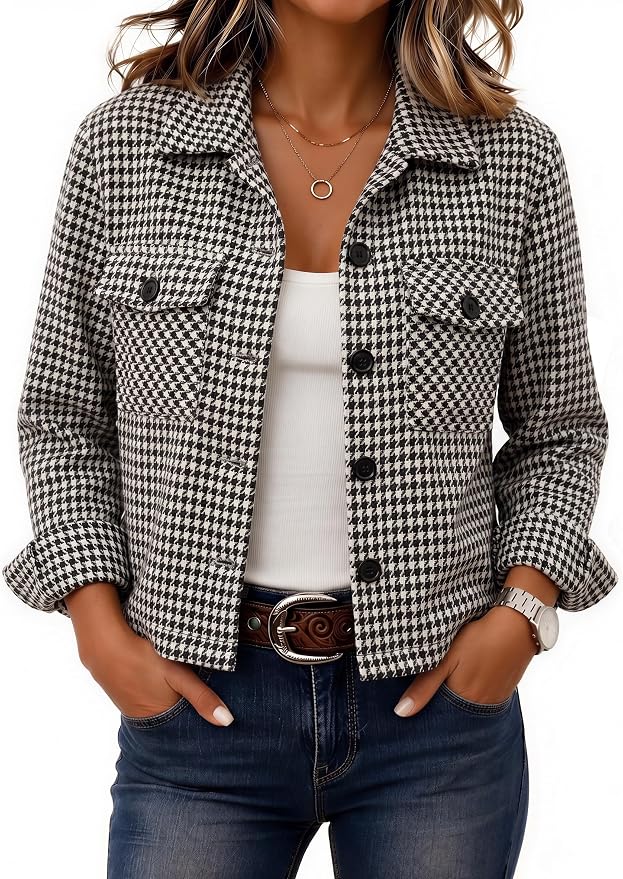
Local tip: A slightly heavier, brushed-cotton flannel holds up better against the wind than a thin one — worth spending a little more here.
Jeans or Sturdy Trousers (Skip Anything Too Light)
This one felt obvious once I saw the terrain — anything thin or breezy just isn’t built for orchard mud and cool farm-town mornings.
Jeans are the reliable choice here, substantial enough to block wind, sturdy enough to handle a slightly muddy trail or a wet bench at a cider stand. Corduroy or a heavier cotton trouser works just as well if you want a bit more texture in your outfit, and both pair easily with boots for a day of walking.

For a full day combining an orchard visit, a covered bridge stop, and dinner in town, jeans with boots and a flannel over a tee is the reliable, no-regrets choice.

Local tip: Pack pants a touch roomier than usual — you’ll likely be layering thermal leggings or long johns underneath on the colder mornings, especially later in the month.
Comfortable, Weatherproof Boots
I learned this the hard way, slipping on a wet, leaf-covered path near a farm stand in sneakers that had zero grip left in them.
Vermont’s terrain calls for actual boots — waterproof, with real tread, broken in before you arrive. Wet leaves are genuinely more slippery than they look, and a lot of the best stops here (orchards, farm trails, covered bridges just off the main road) involve walking on dirt or gravel rather than pavement. A supportive hiking boot or a waterproof leather boot handles all of it far better than city sneakers.

For a day mixing orchard walking and town wandering, boots are the only real choice; save anything delicate for the drive home.

Local tip: Break boots in before you land — Vermont’s terrain finds blister spots fast, and there’s no convenient pharmacy around every corner out in the countryside.
A Warm Hat and Real Gloves
It sounds like overkill packing gloves for October, and then the wind picks up on an open hillside overlook and you’re suddenly very glad you brought them.

A simple beanie and a pair of lightweight gloves take up almost no suitcase space but solve the exact problem that catches people off guard here — hands and ears get cold well before the rest of you notices the temperature has dropped. Mornings at higher elevations or open overlooks are where this matters most.

I kept both stuffed in my jacket pocket the whole trip, pulling them out only twice, but genuinely grateful both times.
Local tip: A packable beanie in a neutral color works with every jacket you bring, so you’re not overthinking coordination on a cold morning.
Thermal Base Layers for Early Starts
This surprised me on a morning hike near Smugglers’ Notch — I underestimated just how cold it gets before the sun clears the ridgeline, even though the forecast high for the day looked mild.
A lightweight thermal top or leggings worn under your regular clothes handles those early starts without requiring a whole separate cold-weather wardrobe. You peel it off by midday once things warm up, but for sunrise foliage drives or early trailhead starts, it’s the difference between comfortable and miserable.

Local tip: If you’re planning any early-morning foliage photography — and Vermont in October practically demands it — pack thermals specifically for that outing, even if the rest of your day stays mild.
One Slightly Dressier Outfit for Dinner
You don’t need much here — Vermont leans casual across the board — but there’s usually one dinner, especially in a town like Woodstock or Manchester, where something a touch more put-together fits the mood.
A simple sweater dress with tights and boots, or dark trousers with a nice sweater, covers most of the nicer restaurants without feeling overdressed. The vibe trends toward “cozy elevated,” not formal — nobody’s expecting heels or a blazer here, just something warmer and slightly more considered than your daytime layers.

I wore a burgundy sweater dress with tall boots and my everyday jacket to a dinner in a converted farmhouse restaurant, and it worked perfectly without needing anything fussier.

Local tip: Many small-town restaurants here are genuinely cozy rather than upscale — a nice sweater goes further than you’d think.
Rain Gear (More Necessary Than You’d Guess)
This one caught me off guard — October rain in Vermont doesn’t always look dramatic, but it shows up often enough, and cold rain is a different kind of miserable than warm-weather rain.
A packable rain shell that fits over your insulated jacket, or a proper rain jacket with some warmth built in, handles this better than an umbrella alone, especially if you’re doing any hiking or orchard walking where your hands need to stay free. Waterproof boots do double duty here too, protecting against both rain and the general dampness of wet grass and leaves.

Local tip: Check the forecast a day ahead rather than the morning of — Vermont’s rural weather patterns shift a bit slower than city forecasts account for, and locals plan around the broader trend more than the hour-by-hour prediction.
A Bag That Handles Farm Stands and Trailheads Alike
Not clothing exactly, but worth including because the wrong bag makes a day of orchard-hopping and trail walking more annoying than it needs to be.

A crossbody bag or a small backpack that leaves your hands free works far better than anything you need to carry — useful for apple picking, useful for keeping your hands warm in your pockets on a cold walk, useful for scrambling over a low stone wall at a farm stand without juggling a bag on one shoulder.

Local tip: Bring a spare tote just for apples or cider donuts — you will end up buying more than you planned, and a dedicated bag for it saves your main one from getting sticky.
What Not to Wear
The biggest mistake I made was trusting the daytime high and packing like it was a mild autumn day everywhere — shorts or thin dresses feel fine at 2pm and genuinely uncomfortable by 8am and again once the sun sets.
Skip anything delicate or dry-clean-only; Vermont’s terrain and general farm-adjacent activities aren’t kind to precious fabrics.
Avoid open-toe shoes entirely — between cold mornings, wet leaves, and uneven farm paths, there’s no version of this trip where sandals make sense.
And go easy on anything too thin to layer under a real jacket; you’ll want every piece working double duty here.
If you’re comparing notes with a similarly crisp, layering-heavy destination, what to wear in Jackson Hole in September covers a lot of the same logic — mountain-adjacent cold mornings, warm midday sun, and the same need for real layers rather than a single “fall jacket.”
How Many Outfits to Pack
For a long weekend, I’d bring three to four layering-based outfits built around one solid insulated jacket, one dressier evening option, and enough thermal and flannel pieces to mix and match as the temperature swings through the day. Vermont rewards a smaller capsule of genuinely warm, versatile pieces over a big rotating wardrobe — you’ll be re-wearing the same jacket and boots daily and simply adjusting what’s underneath.
The most common mistake is packing for “fall” in the abstract rather than for Vermont specifically — too many thin sweaters, not enough real insulation, no gloves, no plan for rain. If you want a broader sense of how a similarly variable early-fall climate gets dressed for, what to wear in Toronto in September walks through comparable layering logic for a nearby climate that swings in much the same way.
Vermont in October has a way of making you slow down — not because you’re trying to, but because the light through the trees and the smell of woodsmoke practically demand it. Pack the layers, break in the boots, and let the rest of the trip take care of itself. You’ll spend far less time thinking about your outfit and a lot more time standing at some overlook, coffee in hand, completely unbothered by the cold you actually planned for.

