How to Fix Garage Door Remote Not Responding Sometimes

Is your garage door remote acting up and not responding sometimes? You’re not alone, and it can be really frustrating when your remote works one minute and ignores you the next.
Imagine rushing out the door, only to stand there pressing the button over and over. But don’t worry—fixing this issue might be easier than you think. You’ll discover simple, step-by-step solutions to get your garage door remote working reliably again.
Keep reading, and you’ll save time, avoid stress, and regain control over your garage door in no time.
Common Causes Of Remote Issues
Garage door remotes can stop working for several reasons. Knowing common causes helps you fix the problem fast. Some issues are simple and easy to check. Others may need a bit more attention.
Battery Problems
Dead or weak batteries are the main cause of remote failure. Batteries lose power over time, especially with frequent use. Replace batteries regularly to keep the remote working well. Always use the correct battery type. Avoid mixing old and new batteries in the remote.
Signal Interference
Other electronic devices can block the remote signal. Wireless routers, cordless phones, and nearby radio signals cause interference. Metal objects or walls between the remote and sensor weaken the signal. Move closer to the garage door or clear obstacles. Check if turning off other devices helps.
Remote Sensor Issues
The sensor on the garage door opener can get dirty or misaligned. Dust, spider webs, or dirt block the sensor’s light beam. Clean the sensor lenses gently with a soft cloth. Make sure the sensors face each other properly. Realign them if they are out of position.
Wiring And Connection Faults
Loose or damaged wires affect the remote’s connection to the opener. Check the wiring near the garage door opener unit. Look for frayed or disconnected wires. Tighten or replace any faulty wiring. Sometimes, power surges can cause internal connection problems. Call a professional if wiring seems damaged.
Checking And Replacing Batteries
Sometimes, a garage door remote stops working because of weak batteries. Checking and replacing batteries is a simple fix that often solves the problem. Batteries lose power over time, causing the remote to respond slowly or not at all. Regular battery checks keep your remote working smoothly.
Identifying Battery Type
Start by finding the right battery for your remote. Most garage remotes use small coin batteries or AAA batteries. Look inside the battery compartment to see the battery type and size. The battery code is usually printed on the battery itself. Use this code to buy the exact replacement battery.
Steps To Replace Batteries
Open the remote’s battery cover carefully. Remove the old battery with clean hands or a small tool. Insert the new battery the same way the old one was placed. Make sure the battery fits snugly and the cover closes tightly. Test the remote by pressing a button to check if it works.
Battery Maintenance Tips
Keep spare batteries in a cool, dry place. Avoid touching battery contacts with dirty or wet hands. Remove batteries if you will not use the remote for a long time. Clean the battery contacts inside the remote gently with a soft cloth. These steps help extend battery life and keep your remote working well.
Resetting The Garage Door Remote
Resetting the garage door remote can fix many common issues. It clears old settings and refreshes the connection. This process often solves problems where the remote does not respond sometimes. Resetting is simple and does not require special tools.
Follow the steps carefully to avoid mistakes. After resetting, the remote needs reprogramming to work with your garage door opener. This process restores proper function and ensures smooth operation.
When To Reset
Reset the remote if it works only sometimes or not at all. Try resetting if the remote’s buttons feel stuck or unresponsive. Also reset after changing the remote’s battery to avoid signal problems. If the garage door opener does not respond, resetting can help clear errors.
Reset Process
Start by removing the remote’s battery. Wait for about 30 seconds before reinserting it. Press and hold the remote’s main button for 10 seconds. Release the button and wait for the LED light to blink. This blinking means the remote is reset and ready for programming.
Reprogramming The Remote
Press the “learn” button on the garage door opener motor. This button is usually found near the antenna wire. Press the remote’s button you want to program within 30 seconds. The motor light will blink or beep to confirm programming. Test the remote to make sure it opens and closes the door.
Credit: www.columbusdoorsales.com
Inspecting The Door Sensor And Receiver
Inspecting the door sensor and receiver is a key step to fix a garage door remote that sometimes does not respond. These parts help the door know when to open or close. Dirt, misalignment, or faulty sensors can cause problems.
Check these parts carefully. Small issues often cause big problems. Fixing sensors can restore smooth remote control function.
Cleaning Sensor Lenses
Dirty sensor lenses block the signal between sensors and the door. Use a soft cloth to wipe the lenses gently. Avoid harsh chemicals that might damage the sensors. Clean lenses help the sensors work properly.
Aligning Sensors Correctly
Sensors must face each other perfectly. If one sensor is tilted, the door may not respond. Adjust the sensors so their lenses point directly at each other. Secure the sensors tightly after alignment.
Testing Sensor Functionality
After cleaning and aligning, test the sensors. Use the remote to open and close the door. Watch if the door reacts every time. If the door still does not respond, sensors may need replacement or professional check.
Reducing Signal Interference
Signal interference can cause your garage door remote to stop working sometimes. Reducing this interference helps the remote work better and more often. Signals from other devices or objects can block or weaken the remote’s signal. Fixing this problem means fewer frustrations and smoother garage door use.
Identifying Interference Sources
Look around your garage for devices that use radio signals. Common culprits include Wi-Fi routers, cordless phones, and baby monitors. Metal objects and thick walls can also block signals. Notice if the remote stops working near certain devices or spots. This helps find what causes the problem.
Moving Devices Away
Once you find interference sources, move them away from the garage door opener. Keep Wi-Fi routers and cordless phones at least a few feet apart. Avoid placing metal objects between the remote and the opener. A clear path allows the remote’s signal to reach the garage door receiver.
Using Signal Boosters
Signal boosters can strengthen weak remote signals. These devices catch and amplify the remote’s signal. Place the booster near the garage door opener for best results. Boosters help when the remote works sometimes but not always. They improve the connection and reduce signal drops.
Checking Wiring And Connections
Checking the wiring and connections is a key step to fix a garage door remote that stops responding. Loose or damaged wires can block signals from the remote to the garage door opener. This part of troubleshooting helps find any issues that might not be visible at first glance.
Start by carefully examining all the wires connected to the garage door opener and the wall control panel. Look for any signs of wear, breaks, or loose ends. Tight connections ensure the remote sends the right commands to open or close the door.
Inspecting For Loose Wires
Loose wires can cause the remote to work only sometimes. Check every wire connected to the opener and wall switch. Gently tug each wire to see if it is secure. If a wire feels loose, push it back into its terminal or connector. This simple fix often restores proper function.
Repairing Damaged Connections
Damaged wires can stop the remote from working. Look for cracked insulation or broken wires. Cut out any damaged parts and strip the ends to expose fresh wire. Use wire connectors or electrical tape to join wires again. Ensure the repair is tight and safe to prevent future problems.
Professional Wiring Inspection
Some wiring problems are hard to spot or fix. Hiring a professional electrician or garage door technician can help. They use tools to test wiring and find hidden issues. A professional ensures all connections meet safety standards and work correctly.
When To Call A Professional
Sometimes fixing a garage door remote is not simple. Problems may need expert help. Knowing when to call a professional can save time and prevent damage.
Complex Electrical Issues
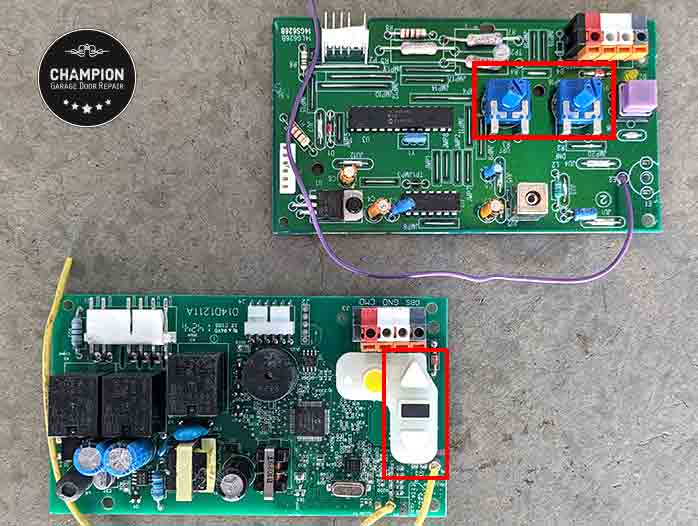
Garage doors have many electrical parts. Wiring or circuit board problems are hard to fix alone. Professionals have tools and knowledge to handle these safely. Avoid risking electric shock or more damage.
Persistent Remote Problems
Remote not working after battery change or reset? This might mean a deeper issue. Persistent problems need expert diagnosis. Technicians can test the remote and door system thoroughly. They find hidden faults quickly.
Safety Considerations
Garage doors are heavy and move fast. Faulty repairs can cause injury or damage. Professionals follow safety rules and use correct parts. Calling an expert ensures the door works safely every time.

Credit: www.youtube.com
Credit: garagedoorchamp.com
Frequently Asked Questions
Why Does My Garage Door Remote Respond Intermittently?
Intermittent response often results from weak batteries or signal interference. Check battery strength and replace if needed. Also, ensure no obstacles block the remote’s signal to the garage door sensor.
How Can I Reset My Garage Door Remote?
To reset, locate the garage door opener’s “learn” button. Press it, then press your remote’s button within 30 seconds. This reprograms the remote and often fixes connection issues.
Can Interference Affect Garage Door Remote Performance?
Yes, interference from Wi-Fi devices, cordless phones, or metal objects can disrupt signals. Keep the remote away from such devices and test if response improves.
When Should I Replace My Garage Door Remote Batteries?
Replace batteries every 6-12 months or when the remote shows weak response. Using fresh batteries ensures strong signals and reliable door operation.
Conclusion
Fixing a garage door remote that works only sometimes is simple. Check the batteries first; weak power often causes issues. Clean the remote and sensor areas to remove dirt or dust. Make sure the remote is within range of the garage door opener.
Resetting the remote can solve many problems quickly. Regular maintenance helps keep the remote working well. These steps save time and avoid frustration. Keep your remote ready to open your garage door smoothly every time. Easy fixes can bring back full control.