Why is Sound Delayed on Bluetooth Headphones

Have you ever noticed your favorite song or movie sounds a little off when you use Bluetooth headphones? That annoying delay between the action and the sound can ruin the experience.
You might wonder why this happens and if there’s a way to fix it. Understanding why sound is delayed on Bluetooth headphones can help you enjoy crystal-clear audio without the frustration. Keep reading, and you’ll discover the surprising reasons behind this common problem—and how you can get your audio back in sync.

Credit: www.youtube.com
Causes Of Bluetooth Audio Delay
Bluetooth audio delay happens because of several key factors. These factors affect how sound moves from your device to the headphones. Understanding these causes helps to know why sound may lag behind video or other media.
Wireless Signal Transmission
Bluetooth sends audio data through radio waves. This wireless signal travels between devices. The time it takes for this signal to reach your headphones causes delay. Distance and obstacles can slow down this transmission. The farther the devices, the longer the delay.
Audio Codec Processing
Audio codecs compress and decompress sound data. This process uses time and power. Some codecs take longer to process than others. High-quality codecs may add more delay. The headphones and device must support the same codec for smooth playback.
Device Compatibility Issues
Different devices have varied Bluetooth versions and settings. Older devices may not sync well with newer headphones. This mismatch can create lag in audio. Software updates or drivers can affect compatibility. Poor compatibility increases the chance of delay.
Interference And Signal Strength
Other wireless devices can interfere with Bluetooth signals. Wi-Fi, microwaves, and other electronics cause noise. Weak signal strength worsens the delay problem. Strong, clear signals reduce audio lag. Keeping devices close helps maintain good signal quality.

Credit: www.amazon.com
Impact Of Latency On Listening Experience
Latency affects the way you enjoy sound on Bluetooth headphones. It causes a delay between the audio signal and what you hear. This delay can change how you experience videos, games, music, and podcasts. Understanding these effects helps in choosing the right headphones and settings.
Video And Audio Sync Problems
Latency often causes audio to lag behind the video. This mismatch makes watching movies and shows frustrating. Characters’ lips do not move in sync with the sound. It breaks the natural flow and reduces enjoyment. Some apps and devices try to fix this delay but not always perfectly.
Gaming Performance
Low latency is crucial for gaming. Delays in sound can affect your reaction time. Hearing gunshots or footsteps late can put you at a disadvantage. Gamers need headphones with minimal delay to stay competitive. High latency makes the gaming experience less immersive and less fun.
Music And Podcast Playback
Latency is less noticeable with music and podcasts. The sound delay does not disrupt the flow as much. However, some listeners may still feel the audio is not perfectly clear. For live music or karaoke, latency can cause timing issues. Choosing headphones with low latency improves sound quality and timing.
Bluetooth Audio Codecs Explained
Bluetooth headphones use audio codecs to send sound from your device. These codecs compress and decompress audio data. This process affects sound quality and delay. Understanding codecs helps explain why sound might be delayed on Bluetooth headphones.
Each codec has different speeds and qualities. Some focus on sound clarity, others on reducing delay. The balance between quality and delay depends on the codec used.
Sbc Codec Limitations
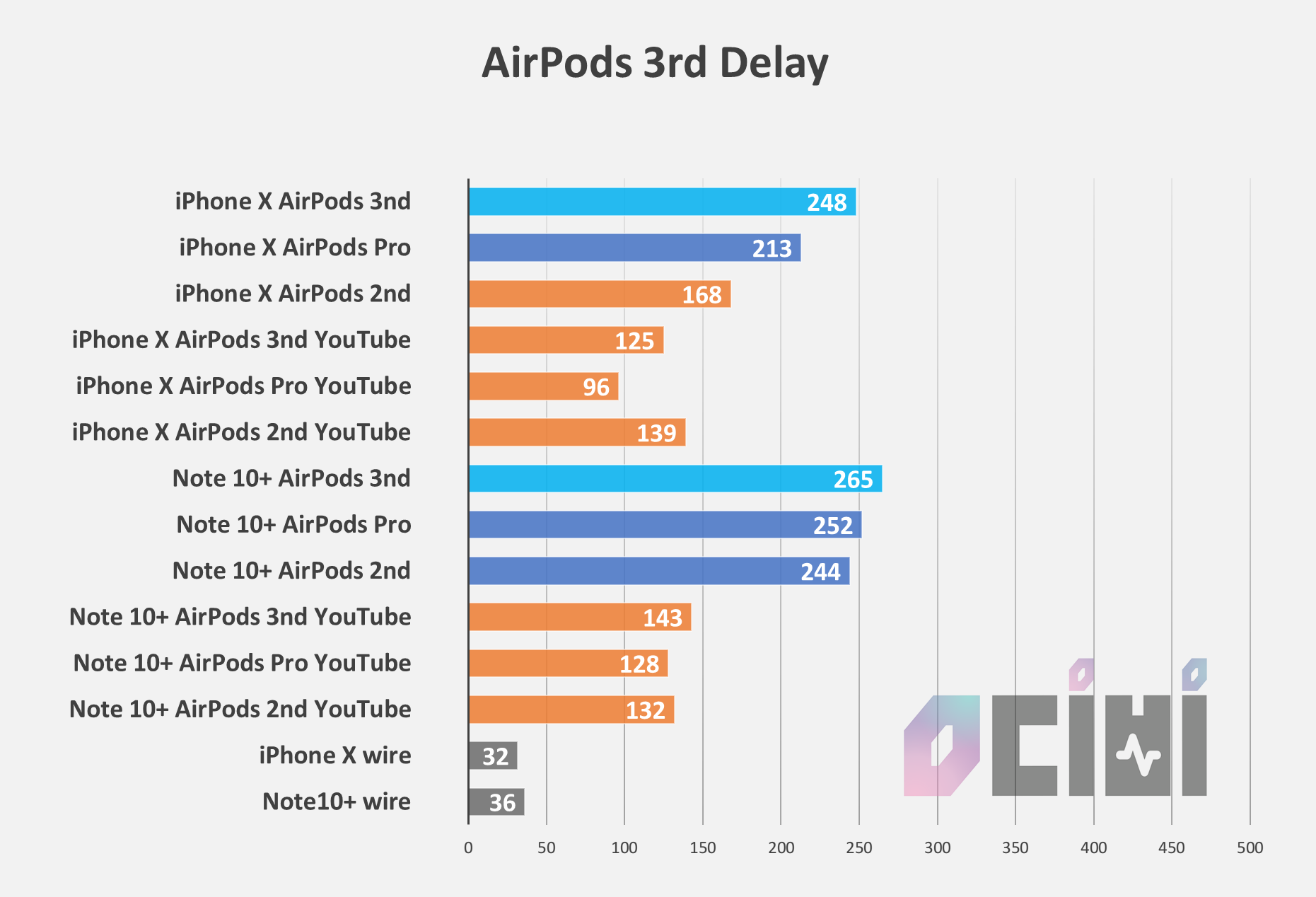
SBC is the most common Bluetooth codec. It works on almost all devices. SBC compresses audio but not very fast. This creates a delay between video and sound.
SBC also lowers sound quality to save data. The compression can cause a small lag. This lag is noticeable when watching videos or playing games.
Aac And Aptx Variants
AAC is popular on Apple devices. It offers better sound than SBC. The delay is shorter but still present. AAC needs more power to run well.
aptX is used by many Android devices. It improves sound and reduces delay. aptX HD and aptX Adaptive provide higher quality. They adjust to connection speed to reduce lag.
Ldac And High-resolution Audio
LDAC allows high-resolution sound over Bluetooth. It sends more data but can cause more delay. LDAC is great for quality but not for low latency.
High-resolution codecs focus on sound detail. They use more data and processing power. This can increase sound delay, especially on weak connections.
Reducing Bluetooth Audio Delay
Bluetooth audio delay can be annoying during videos or calls. Reducing this delay improves your listening experience. Simple steps help lower the lag and make sound sync better.
Choosing Low-latency Headphones
Select headphones with low-latency Bluetooth codecs like aptX LL or FastStream. These reduce the time between sound and device. Many brands list these features on their packaging or websites.
Adjusting Device Settings
Some devices allow audio settings changes to lower delay. Check your phone or computer for Bluetooth audio options. Turning off certain enhancements may also cut lag.
Using Wired Alternatives
Wired headphones offer no delay. They connect directly to devices with cables. This is a simple way to avoid Bluetooth lag completely.
Firmware Updates
Keep your headphones’ firmware updated. Manufacturers release updates to fix bugs and improve performance. Updated firmware can reduce Bluetooth audio delay significantly.
Future Of Bluetooth Audio Latency
Bluetooth audio delay affects listening experience. The future holds many improvements to reduce this lag. Advances in technology aim to make sound and video sync perfectly. This means clearer calls, better music, and smoother videos.
Advancements In Bluetooth Technology
Bluetooth standards keep evolving. New versions offer faster data transfer and lower latency. Devices will connect more quickly and stream audio with less delay. This progress helps users enjoy real-time sound without distractions.
Improved Audio Codecs
Audio codecs compress and send sound data. New codecs focus on reducing delay and improving quality. They use smarter compression to send audio faster. This means clearer sound with almost no lag on headphones.
Emerging Wireless Standards
Besides Bluetooth, new wireless standards are emerging. These focus on faster connections and lower delay. Technologies like LE Audio promise better battery life and less lag. They will make wireless audio more reliable and enjoyable.
Credit: www.reddit.com
Frequently Asked Questions
Why Does Bluetooth Cause Audio Delay?
Bluetooth transmits audio wirelessly, which adds processing time. Encoding, transmission, and decoding create a slight lag between sound and video.
How Do Codecs Affect Bluetooth Sound Delay?
Different codecs process audio at varying speeds. Some codecs like aptX Low Latency reduce delay, improving audio sync with video.
Can Interference Increase Bluetooth Headphone Delay?
Yes, interference from Wi-Fi or other devices disrupts Bluetooth signals. This causes buffering and increases audio delay on headphones.
Does Headphone Hardware Impact Sound Delay?
Yes, headphone chips and processing speeds influence delay. High-quality hardware typically reduces lag for better real-time audio experience.
Conclusion
Sound delay on Bluetooth headphones happens due to data processing time. Wireless signals take time to travel between devices. Different headphones use various technologies, affecting delay length. Audio and video syncing can suffer from this lag. Choosing headphones with low latency helps reduce delays.
Software updates can also improve sound timing. Understanding these causes helps set right expectations. Enjoy your wireless experience without frustration. Sound delay is common but manageable with the right gear.