
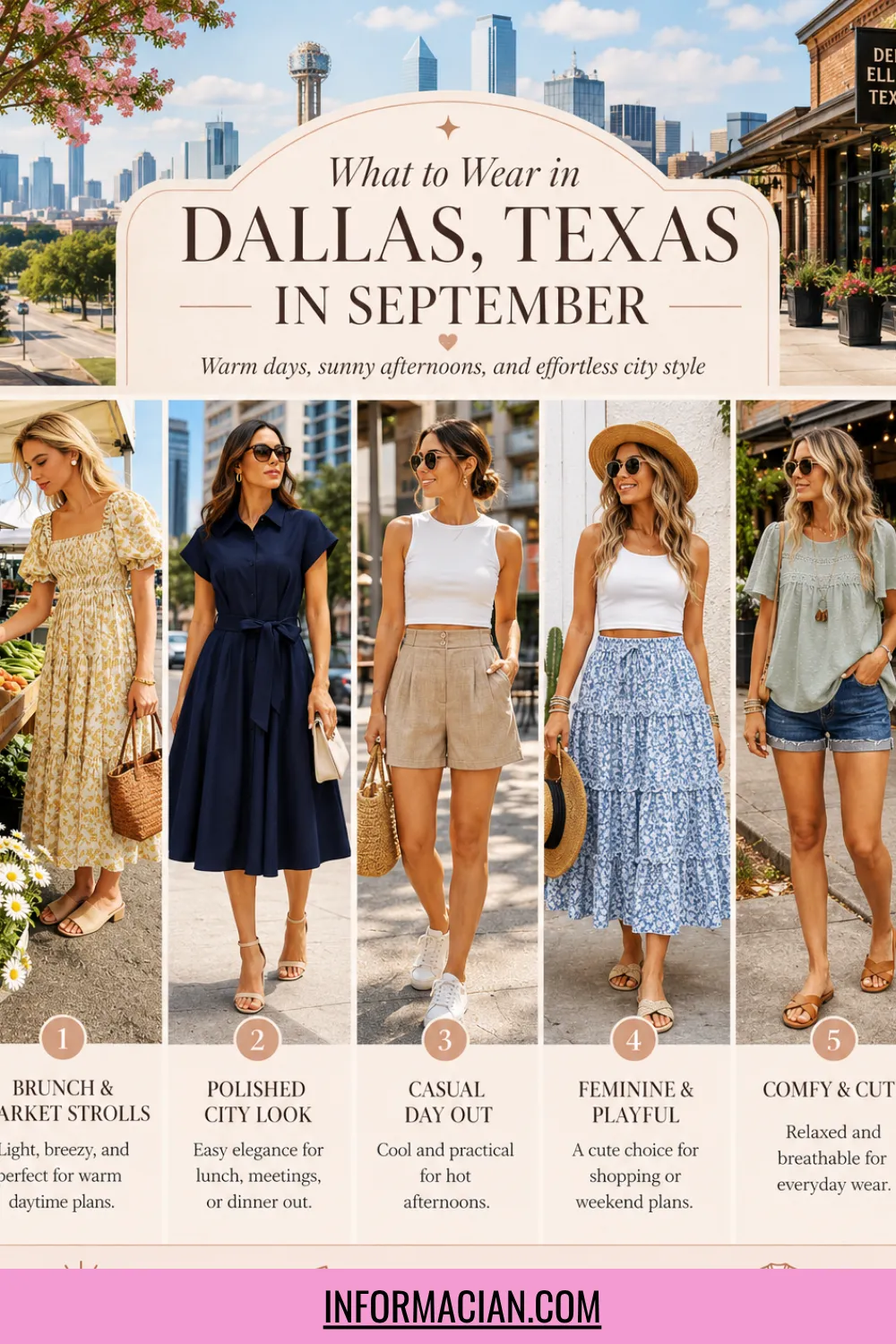
September in Dallas is a bit of a trick question. The calendar says autumn is coming, but the thermometer never got the memo, and most visitors pack like it’s already sweater weather back home.
This is a month of bright, hard sunshine, humidity that clings a little longer than you’d like, and air conditioning so aggressive it deserves its own packing category. The city moves between glassy downtown towers, sprawling parking lots, and patio restaurants that stay busy well past dark.
The most common mistake? Assuming September means cooler days are guaranteed. In Dallas, that shift is more of a suggestion than a rule, and your suitcase should plan accordingly.
Before We Dive In: What September Weather Actually Feels Like in Dallas
Weather : Dallas in September behaves like summer’s stubborn last chapter. Daytime highs typically land in the high 80s to mid 90s Fahrenheit, with humidity that makes the air feel thicker than the number on the forecast suggests. Early mornings can dip into the 70s, occasionally the high 60s toward the end of the month, but that relief is brief. By mid-morning, the heat reasserts itself.
Rain shows up unevenly. Some years bring quick, heavy thunderstorms that clear out fast; others stay dry for weeks. Either way, humidity is the more consistent companion, and it affects everything from hair to fabric choice. Wind is generally mild, though it can pick up ahead of storms.
Terrain-wise, Dallas is a driving city first. Expect walks from parking garages to entrances, longer strolls through outdoor shopping centers like Bishop Arts or Legacy West, and plenty of time spent transitioning between blasting AC indoors and heavy heat outdoors. Museums, malls, and restaurants keep interiors quite cool, so the real packing challenge is dressing for two climates within the same hour.
Style culture: Local dress norms lean polished-casual. Dallas has a reputation for putting a little more effort into everyday outfits than some other Texas cities — think tailored shorts instead of gym shorts, sundresses instead of tank tops, leather sandals instead of flip-flops for dinner. Nothing is fussy, but there’s a general preference for looking put-together, even in blistering heat.
Lightweight Dresses That Do Double Duty
A well-chosen dress solves more outfit dilemmas in Dallas than almost anything else in your suitcase. It goes from an air-conditioned lunch to a hot sidewalk without you needing to think twice.

Breathable fabrics like cotton, linen blends, or lightweight rayon are ideal because they don’t trap heat the way synthetic fabrics do.

A relaxed midi dress in a small print hides wrinkles well, which matters on a trip where you’re moving between hot cars and cold interiors all day. Sleeveless or short-sleeve styles work better than anything overly structured, since structured fabric tends to feel stifling once humidity climbs.

For a museum morning at the Perot or the Dallas Museum of Art, a shirt dress with a thin belt looks intentional without effort. For dinner in Deep Ellum, swap in a slightly dressier wrap dress and sandals, and you’re set without needing a second outfit change.

One detail worth knowing: pack a lightweight cardigan specifically for dress days, since restaurant and shopping mall air conditioning can feel shockingly cold against bare arms.
Shorts and Skirts That Survive a Texas Afternoon
Shorts in Dallas need to do real work, not just look good in photos. The fabric matters more than the cut.

Linen shorts or cotton blends breathe far better than denim, which can feel unbearable once the humidity sets in around midday.

A slightly longer inseam — think tailored Bermuda-style shorts — reads more polished for city exploring, while still keeping you cool. Skirts in soft, flowy fabrics offer the same benefit with a bit more movement, especially nice for an evening at Klyde Warren Park.

For daytime sightseeing, pair linen shorts with a breathable tank and slip-on sandals for comfort during long blocks of walking between attractions.

a rooftop dinner, a flowy skirt with a fitted top and simple sandals transitions easily from golden hour to nighttime.

A quick aside: darker-colored shorts hide the reality of humidity better than pale colors, which can show sweat marks more easily during long outdoor stretches.
Breathable Tops for All-Day Humidity
Tank tops get all the attention, but the real MVPs in Dallas heat are breathable short-sleeve tops with some structure — because if you’re stepping into a strongly air-conditioned mall or office building, a completely sleeveless top can feel too cold.

Cotton poplin, linen, and lightweight jersey knits handle both extremes well.

Loose-fitting silhouettes help air circulate, while fitted tanks under a light outer layer offer flexibility for shifting temperatures throughout the day.

A breathable button-up worn open over a tank works well for a morning at the Dallas Arboretum, when you’re walking through gardens under full sun but might duck into a shaded conservatory later. For dinner, a silky camisole under a blazer feels put-together without adding real heat.

One small trick locals use: light, non-clingy fabrics photograph better in Texas humidity than anything overly fitted, which tends to wrinkle or cling within the hour.
Choosing the Right Bottoms for Comfort and Style
Jeans in September Dallas heat are a gamble unless you’re specifically heading somewhere heavily air-conditioned all day.
Lightweight trousers in linen or cotton blends offer a more breathable alternative that still looks elevated for dinners or business-casual outings.

Cropped wide-leg pants are particularly useful, since they allow airflow around the ankles, which matters more than people expect in Texas humidity.

For a daytime shopping trip through NorthPark Center, cropped linen pants with a simple tee and sandals keep you cool while still looking intentional.
For an evening event, swap in tailored trousers with a fitted top for something that reads dressier without sacrificing comfort.
If jeans are non-negotiable for you, save them for evenings when temperatures dip slightly and venues are heavily air-conditioned.
Footwear That Can Handle Parking Lots and Patios
Dallas isn’t a city built for delicate shoes. Between parking garage walks, uneven sidewalks in older neighborhoods, and long museum floors, footwear needs to be functional first.

Cushioned sandals with good arch support handle daytime sightseeing far better than flat, thin-soled options.

For dinners or evening plans, a slightly dressier sandal or block heel works fine, since most walking distances at night are shorter than during the day.

Sneakers remain useful for parks, trails, or a day exploring the Bishop Arts District, where sidewalks can be a little uneven.

A morning at the Dallas Zoo calls for supportive sneakers or walking sandals, since there’s more ground to cover than visitors usually expect. A rooftop dinner downtown, on the other hand, is a good moment for strappy sandals, since you won’t be walking far once you arrive.
Insider tip: keep a compact pair of flip-flops in your bag for driving, since many visitors change out of dressier shoes the moment they’re back in the car.
Sun Protection Essentials You’ll Actually Use
September sun in Dallas is intense, and shade is not always easy to find, especially around downtown’s glass-heavy architecture.

A wide-brim hat does more than complete an outfit — it meaningfully reduces heat exposure during long outdoor stretches.

Sunglasses with UV protection matter just as much, particularly if you’re spending time outdoors at places like the Dallas Arboretum or the Katy Trail.

Lightweight, high-SPF sunscreen designed for daily wear helps prevent the sticky feeling that thicker formulas leave behind in humidity.
For a morning walk along the Katy Trail, pair a hat and sunglasses with a moisture-wicking top, since you’ll likely be out for over an hour. For an afternoon at the Arboretum, reapply sunscreen before you go, since gardens offer far less shade than people assume.
One detail worth knowing: darker sunglasses lenses cut glare far better than fashion-forward tinted lenses, which matters on Dallas’s brightest afternoons.
Air Conditioning Layers You’ll Be Grateful For
Dallas doesn’t do gentle air conditioning. Restaurants, malls, and museums often run cold enough that visitors regret leaving a light layer at the hotel.
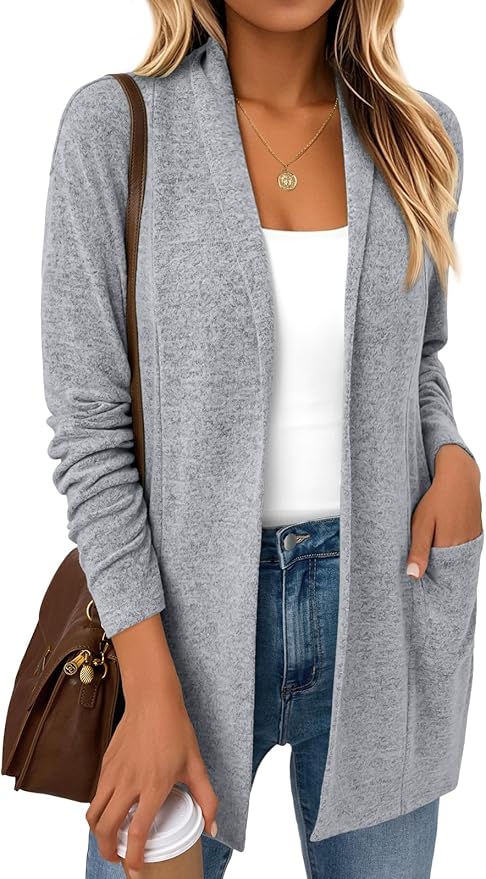
A packable cardigan or lightweight zip-up jacket solves this instantly. Fabrics like cotton-blend knits or thin technical layers work best, since they fold small but still provide real warmth indoors.

This layer becomes especially useful during long shopping trips or extended museum visits, where temperature swings are more dramatic than outdoor forecasts suggest.

A cardigan tossed over a sundress makes an easy transition from a hot sidewalk into an icy-cold restaurant. Similarly, a light jacket over a tank top works well for an afternoon spent bouncing between stores at Legacy West.
Callout: pack at least one long-sleeve layer specifically for movie theaters, malls, or transportation — indoor cold is a bigger factor here than most visitors expect.
Rain-Ready Basics for Sudden Storms
Dallas storms in September tend to be quick but intense, arriving with little warning and clearing out just as fast.

A compact umbrella and a light rain jacket are more useful than heavier rain gear, since storms rarely last long enough to justify anything bulky. Quick-dry fabrics help avoid that damp, sticky feeling humidity leaves behind after a downpour. Closed-toe shoes with good traction help on wet pavement, especially around downtown’s smoother sidewalks.

For an unexpected afternoon shower during a day of sightseeing, a packable rain jacket over your regular outfit keeps you dry without derailing your plans. If you’re caught without a jacket, ducking into one of the city’s many covered walkways or shopping centers works just as well.
One small aside: storms often bring a brief temperature drop, so a light layer post-rain can feel surprisingly welcome.
Evening Outfits for Patios, Rooftops, and Dinners
Dallas nightlife in September stays warm well after sunset, but venues vary widely in formality, from casual patios to sleeker rooftop bars.
For casual evenings, a breathable dress or elevated separates work well, especially in linen or lightweight knit fabrics that hold up in residual heat. For dressier venues, a slightly more polished outfit — think tailored jumpsuits or fitted midi dresses — fits the city’s tendency toward understated elegance rather than flashy dressing.
A rooftop dinner in the Design District calls for a flowy dress paired with strappy sandals and minimal jewelry, since the setting itself does most of the visual work. A more casual patio dinner in Deep Ellum, on the other hand, suits relaxed separates like linen pants and a fitted top.
One detail worth knowing: many upscale restaurants keep interiors cold enough to warrant a light layer, even if you’re stepping outside afterward into warm night air.
Smart Bag Choices for a City Built Around Driving
Dallas isn’t a walkable-everywhere city, so your bag needs to handle car rides, quick errands, and long museum stretches equally well.

A crossbody bag works best for daytime activities, since it keeps hands free during shopping or sightseeing.

A slightly larger tote is useful for beach-adjacent essentials like sunscreen, sunglasses, and a portable fan, especially if you’re spending hours outdoors.

For evenings, a small structured bag suits the city’s tendency toward polished-but-relaxed dining looks.
For a day exploring NorthPark Center, a crossbody bag keeps essentials secure while leaving your hands free for shopping bags. For dinner, a compact clutch or small shoulder bag fits the slightly dressier evening vibe without feeling like overkill.

Insider tip: a bag with a zip closure is worth prioritizing, since sudden Texas wind gusts before a storm can catch you off guard.
Fabrics That Actually Perform in Texas Humidity
Not all “summer fabrics” behave the same way once real humidity kicks in, and Dallas tends to expose the difference quickly.
what to choose:
Linen, lightweight cotton, and moisture-wicking blends outperform synthetic fabrics that trap heat and cling uncomfortably. Rayon and modal blends are also solid choices, since they drape well without feeling heavy.
Avoid anything overly thick or dark-colored for daytime wear, since it absorbs heat rather than reflecting it.
For daytime activities, a linen shirt paired with breathable shorts keeps you far more comfortable than a cotton-polyester blend would. For evening wear, a rayon dress holds its shape without wrinkling too dramatically after a day of movement.
One small note: natural fibers may wrinkle more, but they breathe significantly better — a trade-off most visitors find worthwhile once the humidity hits.
Building a Simple Capsule Wardrobe for Dallas in September
A capsule wardrobe works particularly well here, since the weather stays fairly consistent throughout the month, aside from occasional storms.
Aim for a mix of two or three breathable dresses, two pairs of shorts or lightweight pants, four to five tops, one packable layer, and one rain-ready piece. This keeps your suitcase light while still allowing enough variety for museum days, patio dinners, and shopping trips. Neutral colors with one or two accent pieces make mixing and matching effortless, especially for a five-to-seven-day trip.
For a five-day itinerary, this might look like: two dresses, two tops, one pair of shorts, one pair of linen pants, sneakers, sandals, and a cardigan. That’s enough variation for daytime sightseeing, evening dinners, and unpredictable air conditioning without packing excess.
If you’re also comparing climates for a multi-city trip, the guidance in What To Wear In Miami In September offers useful context for even higher humidity levels, while What To Wear In New York In September is a helpful comparison if you’re heading somewhere with an earlier shift toward cooler weather.
Packing Smart: How Many Outfits You Actually Need
For a sample five-day Dallas trip, somewhere between six and eight total outfit combinations tends to work well, accounting for daytime heat, indoor cold, and one or two dressier evenings. This isn’t a strict rule — more a starting point to adjust based on your specific plans.
Overpacking is a common misstep, especially when travelers bring multiple heavy layers “just in case.” Dallas rarely requires more than one packable jacket and one light rain layer, so bulky sweaters or heavy jackets typically stay unused. On the other hand, underpacking breathable layers is equally common, since visitors often assume September means cooler weather across the board.
A simple planning method: lay out three daytime outfits and two evening outfits, then mix in accessories and one backup layer for air conditioning. This keeps your suitcase efficient without leaving gaps for unexpected weather shifts. Common mistakes include packing too many jeans, skipping sun protection, and assuming hotel or restaurant interiors will match outdoor temperatures.
For broader packing inspiration across different climates and seasons, the What To Wear category offers a wide range of destination-specific guides, and the general Related Guide hub is worth a browse if you’re planning multiple stops beyond Dallas.
Dallas in September rewards travelers who dress for two climates at once — blazing heat outside, deep-freeze air conditioning inside — rather than choosing one extreme and hoping for the best. Once you’ve got that balance figured out, the rest of the trip becomes far easier to enjoy, whether you’re wandering a museum, grabbing tacos on a patio, or catching golden hour from a rooftop bar. Pack light, pack breathable, and let the city’s easy, polished-casual style guide the rest.


8 Responses